
Marco Island adventure guide
Find your way into Marco Island.
Beyond its postcard shell-sand beaches, Marco Island is a shoreline of small-scale wildness—mangrove mazes, long tidal flats, and postcard sunsets where dolphin pods are often the evening entertainment. This guide bundles the island's top experiences—boat tour and boat rental options across the Ten Thousand Islands, kayak and canoe routes through mangrove tunnels, stand-up paddle (SUP) mornings in sheltered bays, and eco tours that explain how this subtropical coast supports migratory birds and fisheries. Use it to match the right outfitter, packing list, and time of year to your comfort level and curiosity.
Three ways into the city
Pick a landscape. Build a day around it.
Marco Island is less a single destination than a collection of neighboring worlds. Start with the version of the city that matches your pace, then use the ranked guide below to fill in the details.
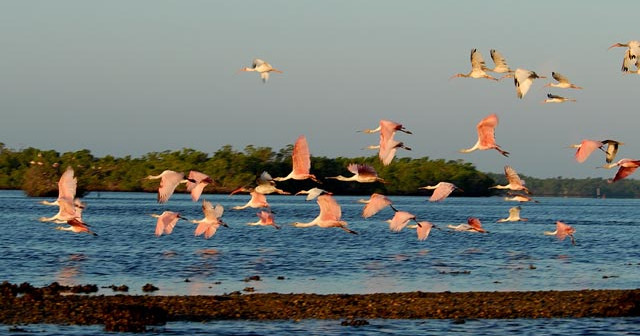
Begin where the city meets the sea.
Surf breaks, sheltered harbors, whale routes, and long beach paths make the coast LA’s most immediate outdoor playground.
Explore boat tour →
Let a local connect the landmarks.
Use a guided city, walking, or sightseeing tour to turn LA’s sprawl into a coherent story.
Explore eco tour →
Ride the coast and the city.
Beach paths, river corridors, e-bikes, and ridge climbs reveal a more connected Los Angeles.
Explore wildlife →Choose your way into Marco
The top 15 Marco Island adventures.
Ranked by the number of currently listed trips. Each panel opens the complete local activity collection.
1Boat Tour
Marco Island sits at the edge of a watery labyrinth where mangrove tunnels, oyster bars and wide-open Gulf horizons meet. Boat tours unlock that perimeter—slow, interpretive eco-cruises that study wading birds and manatees; fast-paced shelling runs to remote keys; sunset sails with Gulf spray and wide light. For travelers who want both calm nature encounters and hands-on coastal adventure, Marco’s boat scene delivers a rare combination of intimacy and improvisation.
Explore boat tour → 2
2Water Activities
On Florida's southern Gulf coast, Marco Island is a low-slung, salt-scented playground where mangrove labyrinths, shallow flats, and broad beaches meet a hospitable sea. This guide focuses on water activities — paddling, boat excursions, fishing, snorkeling, shelling, and eco-tours — and explains how to plan, pack, and move between the island's most satisfying aquatic experiences.
Explore water activities → 3
3Kayak
Marco Island is a compact, coastal gateway to a watery labyrinth of mangrove tunnels, shallow bays, and open Gulf passages. Kayaking here means quiet mornings threading through roots and birdsong, midday crossings to shell-strewn keys, and evening paddles that catch a Gulf sunset. Expect wildlife at eye level—manatees in winter months, dolphins in the pass, and flocks of shorebirds across the flats—plus easy access to guided eco-tours and rental options for self-guided paddlers.
Explore kayak →4Eco Tour
Marco Island funnels the wild contradictions of Florida’s coast—subtle tides, dense mangrove cathedrals, and a mosaic of barrier islands—into one compact, accessible playground for eco-minded travelers. Eco tours here are less about conquering terrain and more about learning to move quietly: gliding through seagrass flats in a kayak, skirting the roots of towering red mangroves by pirogue, or listening for the explosive cackle of a distant osprey. Guides lean heavily on natural history and local stewardship; trips pair wildlife viewing with explanations of tidal ecology, fisheries, and the human history that shaped this saltwater labyrinth. Whether you choose a sunrise birding paddle, a nighttime bioluminescence cruise, or a shallow-water snorkeling trip to survey seagrass beds, Marco Island’s eco tours showcase how subtle coastal systems sustain both wildlife and people.
Explore eco tour → 5
5Fishing
Marco Island is a subtropical pocket of saltwater opportunity where shallow flats, mangrove estuaries, and quick access to deeper Gulf reefs compress a dozen distinct fishing experiences into a compact island itinerary. From sight-fishing tailing redfish along tidal flats to jigging for snapper on nearshore wrecks, the day can flip between meditative backcountry poling and adrenalin-charged offshore runs in the space of a morning. This guide focuses on fishing: strategies, seasons, terrain, and realistic planning for anglers of every level hoping to chase the island’s most reliable species or simply enjoy a day on the water.
Explore fishing →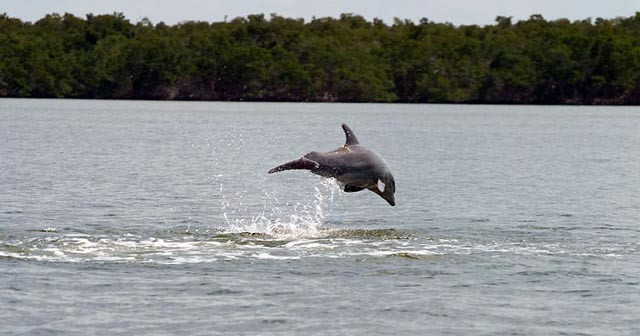 6
6Dolphin
On Marco Island, dolphins are more than a highlight—they are the rhythm of the coast. Shallow seagrass flats, mangrove-fringed estuaries, and the protected labyrinth of the Ten Thousand Islands create a stage where Atlantic bottlenose dolphins travel, forage, and raise calves in plain view of kayaks, skiffs, and small-charter boats. This guide focuses on dolphin-centered outings: what the encounters feel like, how operators structure responsible viewing, and practical choices that shape a successful day on the water—whether you want a gentle family cruise, a paddle-through wildlife tour, or a photographer’s charter chasing light at dawn.
Explore dolphin →7Wildlife
On Marco Island the shoreline and shallow bays act like a living exhibit: bottlenose dolphins slice through teal flats, manatees graze in protected inlets, and long-legged waders patrol the mudflats at low tide. This guide focuses on wildlife encounters—where to look, when to go, and how to do it responsibly—plus the complementary activities (kayaking, guided boat trips, birding walks, and sea-turtle volunteer opportunities) that deepen the experience.
Explore wildlife → 8
8Boat Rental
Marco Island is a boat-first place: shallow bays stitched with mangrove islands, a ribbon of Gulf shoreline dotted with shells and wild birds, and a compact harbor that makes it easy to put a rental on the water and disappear into solitude. Whether you're piloting a small center-console for an afternoon of shelling, taking a family on a pontoon to sunset-watch, or hiring a captain for offshore fishing, the boat rental scene here is all about choice, access, and the quiet charisma of southwest Florida’s waterway labyrinth.
Explore boat rental → 9
9SUP
Marco Island is a paddleboarder’s atlas of calm bays, mangrove tunnels, and gulf-side flats. Here, short runs between mangrove islets open into wide estuaries and long sandy passages where dolphins weave under the board and manatees graze in shallow seagrass. The island’s geography—protected inland waterways on one side and the open Gulf on the other—creates options for every paddler: sheltered glassy mornings for learners and explorers, current-play zones for intermediate paddlers, and long coastal traverses for those chasing sunset lines on the Gulf.
Explore sup → 10
10Sightseeing Tour
Marco Island's sightseeing tours are a study in coastal contrasts: languid Gulf horizons, tangled mangrove labyrinths, and quiet shell-swept keys that seem to have been left untouched. Tours here are less about summiting peaks and more about slowing down to read the tide line, spotting a distant dolphin kick, and tracing the region's natural and human stories from a low, salt-sweet vantage. From guided boat trips through the Ten Thousand Islands to beachfront eco-walks and sunset cruises, sightseeing on Marco Island emphasizes wildlife, geology, and the luminous light that makes this stretch of Florida feel almost cinematic.
Explore sightseeing tour → 11
11Bike Rental
Marco Island is a low-slung, sunlit playground where gentle pavement, coastal trail scallops, and tidal-edge marshland invite riders of every pace. This guide focuses on renting a bike on the island—what to expect, where to ride, and how to plan for flat, scenic loops that pair perfectly with shelling, kayaking, and wildlife watching.
Explore bike rental → 12
12Canoe
Marco Island is a soft-edged gateway to a coastal labyrinth where low tides reveal sandbars and high tides hide mangrove roots beneath glassy water. Canoeing here is intimate: you slip past tangled red mangroves, skirt oyster reefs, and float into narrow tunnels that open onto secret bays. This guide focuses on the canoe experience—route choices, seasonal realities, wildlife encounters, and the pragmatic skills you need to plan safe, memorable paddles along Florida’s subtropical coast.
Explore canoe → 13
13Bike Tour
Marco Island transforms coastal cycling into a series of short, luminous vignettes: salt-slick air, low mangrove silhouettes, pastel shell-laden beaches and causeways that arc across turquoise water. Bike tours here lean into accessibility — largely flat pavement, family-friendly routes and a heavy dose of wildlife viewing — but they also offer moments of solitude and local culture: early-morning birding along Rookery Bay, sunset rides past Tigertail Beach, and eco-focused tours that thread the interface between island and estuary.
Explore bike tour → 14
14City Tour
Marco Island’s city tours are seaside promenades and salt-etched histories wrapped in tropical light. These walks and guided outings thread together barrier-island beaches, mangrove-lined waterways, seafood shacks, and a surprising local history—from Calusa shell mounds to 20th-century coastal development—making for a city-tour experience that’s relaxed, wildlife-forward, and easily paired with paddling or boat trips into the Ten Thousand Islands.
Explore city tour → 15
15Environmental Attraction
Marco Island is a compact coastline of broad white sand, labyrinthine mangrove tunnels, and shallow seagrass flats that together form one of southwest Florida’s most accessible estuarine environments. This guide focuses on the island’s environmental attractions—mangrove ecologies, bird rookeries, shelling beaches, and the shallow marine habitats of the Ten Thousand Islands—offering practical approaches to experiencing and respecting this fragile coastal system.
Explore environmental attraction →The city and the sea
Why Marco Island Belongs on Your Coastal Adventure List
Variety without surrendering the day to long transfers.
At low tide the map of this coast redraws itself—sandbars bloom like islands and mangrove channels thread silver behind them. Marco Island sits at the western edge of Florida’s subtropical braid, where the Gulf’s soft swells meet a labyrinth of estuaries that make boat tours and eco tours not just a pastime but the clearest way to understand the place. Pull a kayak or canoe from a rental, and you can fold into a quiet channel where herons fish in the shallows; step into a guided boat tour and a captain will point out a rookery, a manatee’s grazing slow-motion, or the exact shoal where resident dolphins run. The island’s water activities—fishing charters, dolphin-watching excursions, sight-seeing tours and SUP sessions—feel intimate because distances are small and wildlife is close. That intimacy is Marco Island’s signature: sweeping Gulf vistas and the micro-ecosystems of the Ten Thousand Islands exist in the same day. There’s also an art to timing here. Early mornings offer glassy bays for flatwater paddleboarding and birding; mid-morning is prime for kayak tours into mangrove tunnels while the heat is still forgiving; late afternoon is for boat rentals and fishing trips that chase sunset and the first stirrings of nocturnal life. Beyond guided outings, the island is a practical basecamp: outfitters on and near the beach make gear accessible—bike rental for exploring the quiet residential streets, SUP and kayak rental for independent paddles, and a steady calendar of sightseeing tours for families. Environmental attractions such as Rookery Bay and nearby protected waters mean that many experiences come with a lesson—the region’s fisheries, bird migrations, and mangrove conservation stories are integral to how locals and guides tell the place. For travelers who want variety, Marco Island compresses it: half-day fishing shifts, sunrise SUP or kayak trips, and afternoon eco tours can be stacked into a single, deliberately relaxed itinerary. For wildlife seekers, the draw is repeated rewards—dolphin pods are common, shorebirds light up flats at low tide, and manatees frequent quieter inlets. For people chasing active hours, shore-based running, casual bike tours, and easy urban strolls round out the water-focused activities. Practical beats romance here: tides dictate where you can paddle, wind dictates where you’ll find glassy water for SUP, and permits or seasonal closures sometimes affect access to the most delicate rookery sites. Treat local guides and the island’s environmental signage as part of the map: they point to the most reliable windows for seeing wildlife and the best places to keep your footprint small.
The island’s scale makes it unusually friendly for short-trip travelers—half-day paddles and boat excursions are common, and outfitters provide beginner-friendly instruction and safety gear. That ease of access means you can prioritize wildlife viewing without committing to full-day wilderness logistics.
Despite its resort veneer, Marco Island provides genuine environmental attractions: mangrove forests, tidal flats, and Rookery Bay’s protected waters. Responsible tourism is part of the experience—opt for outfitters who follow no-wake rules in sensitive channels and who brief guests on shorebird and manatee etiquette.
Conditions shape the day
The best time to visit Marco Island.
Winter and early spring bring mild, dry conditions—ideal for boat tours, dolphin watching, and comfortable paddling. Summer is hotter and wetter with afternoon thunderstorms and higher humidity; hurricane season (June–November) raises the chance of tropical weather. Wind and tide charts matter more than calendar dates for paddling and beach sandbar access.
Best all-around window
Spring + fall
Comfortable mixed-itinerary weather, thinner crowds at beaches and lookouts, and more room to improvise.
Beach season
Winter and early spring draw the most visitors for favorable weather and wildlife viewing—book popular eco tours and boat charters in advance.
Surf + whales
Late spring and summer offer lower rates and quieter beaches; early morning outings can avoid midday heat.
Coast to inland
Cool marine mornings often give way to warmer inland afternoons and breezy evenings.
Beginner
Short, sheltered paddles, guided boat tours, and calm-water SUP sessions ideal for first-timers or families.
- Morning SUP in a protected bay
- Half-day guided boat tour of Ten Thousand Islands
- Leisurely city tour and beach stroll
Intermediate
Longer paddles through mangrove channels, independent kayak loops around sandbars, and inshore fishing trips.
- Self-guided kayak loop to a nearby sandbar at low tide
- Sightseeing tour that includes shelling and birding stops
- Half-day fishing charter targeting inshore species
Advanced
Offshore or longer-range boating, tidal planning for multi-hour paddles, and sport fishing requiring advanced tactics or boat-handling skills.
- Full-day boat rental to explore the deeper Ten Thousand Islands
- Tidal-savvy kayak expedition timed for a long crossing
- Sport fishing trip that requires tackle and experience
Field kit
What to bring.
Pack for sun, salt water, walking, and a meaningful temperature swing between coast and inland Marco.
Essential
Start here
- Reef-safe sunscreen and a sun hat
- Light, quick-dry layers and swimwear
- Waterproof phone case or dry bag
- Water and snacks (or small cooler for boat trips)
- Shoes that can get wet (water shoes or sandals with straps)
Water days
Keep it dry
- Light wind shell for cooler mornings on the water
- Binoculars for bird and dolphin spotting
- Insect repellent for mangrove edges at dusk
- Personal flotation device if renting for independent paddles
Long days
Stay flexible
- Saltwater-rated tackle if you plan to fish
- Compact camera with tele lens for wildlife shots
- Reusable water bottle and small first-aid kit
Insider note
Start early, then keep the geography tight.
Start on-water activities at high or mid-tide when channels are more navigable, but use low tide for sandbar discovery and shelling. Choose outfitters who brief you on no-wake zones near rookeries and manatee areas; responsible captains and guides minimize disturbance and maximize sightings. For paddlers, aim for dawn or an hour before sunset for the most wildlife activity and glassy water—midday winds can build out across the bay. If you rent a boat, bring a physical or downloaded map of markers and channels; GPS can fail in narrow mangrove tunnels. Finally, pack reef-safe sunscreen and take any trash back to shore—these estuaries are fragile and benefit directly from low-impact visits.
Good to know
Frequently asked questions.
Can I see dolphins without booking a guided tour?
Yes—resident dolphin pods are commonly seen from shore and on casual boat rentals, but guided dolphin tours increase the odds and provide context about behavior and etiquette.
Is Marco Island good for beginner kayakers or SUPers?
Yes. Sheltered bays and protected canals offer calm water ideal for beginners, and local outfitters provide instruction, PFDs, and suggested routes that avoid strong currents.
Do I need a fishing license for charter or shore fishing?
For licensed commercial fishing charters, the captain typically covers the license. If you fish from shore or rent a boat and fish independently, check Florida Fish and Wildlife regulations for current license requirements.
Ready when you are
Find the trip that fits your Marco Island day.
Compare bookable experiences across the coast, city, and mountains—then save the ones that belong in your plan.
Explore all Marco Island adventures ↗