
Lyons adventure guide
Find your way into Lyons.
Tucked where prairie ripples meet the first ribs of the Rockies, Lyons is a compact, fiercely outdoor-minded town that stacks walking tours, day hikes, climbing faces, and river laps into one easily navigable weekend. Use this guide to pair a morning hike or rock climb with an afternoon of fishing or paddling on the St. Vrain, top off the day with a city tour of Lyons’ breweries and eateries, and keep winter options—cross-country ski or snowshoe—on the radar when the hills frost over.
Three ways into the city
Pick a landscape. Build a day around it.
Lyons is less a single destination than a collection of neighboring worlds. Start with the version of the city that matches your pace, then use the ranked guide below to fill in the details.

Begin where the city meets the sea.
Surf breaks, sheltered harbors, whale routes, and long beach paths make the coast LA’s most immediate outdoor playground.
Explore water activities →
Let a local connect the landmarks.
Use a guided city, walking, or sightseeing tour to turn LA’s sprawl into a coherent story.
Explore walking tour →
Ride the coast and the city.
Beach paths, river corridors, e-bikes, and ridge climbs reveal a more connected Los Angeles.
Explore bike tour →Choose your way into Lyons
The top 15 Lyons adventures.
Ranked by the number of currently listed trips. Each panel opens the complete local activity collection.
1Walking Tour
Lyons is a compact, charismatic town where a half-day on foot stitches together mining-era brick, creekside riffles, public art, and the smell of brewing hops. Walking tours here are small-scale adventures—part history lesson, part nature stroll—threading quiet residential streets, river corridors, and the bright storefronts that make Lyons feel like an open-air gallery. Whether you want a self-guided architectural loop, a curated public-art walk, or a food-and-brewery crawl that doubles as a cultural orientation, Lyons puts everything within listening distance of downtown footsteps.
Explore walking tour → 2
2Hiking
Perched where the Front Range sheds into wide river valleys, Lyons is a compact gateway town for high-country approaches and intimate canyon hikes. Trails here move quickly from riverside meadows to exposed sandstone benches and limestone ridgelines, delivering short, accessible outings alongside longer scrambles and alpine approaches. Expect a palette of river music, prairie grasses, and jagged rock faces—perfect for hikers who want hard work, quick rewards, and an easy return to town.
Explore hiking → 3
3Climbing
Lyons sits at the hinge where the Great Plains fold into the Rocky Mountain foothills—an approachable, rock-rich outpost offering a compact variety of climbing: roadside sport walls, pocketed conglomerate, slabby granite, and nearby alpine routes in the Indian Peaks and Rocky Mountain foothills. This guide focuses on climbing in and around Lyons: day crags, bouldering clusters, and access points that make the town a practical basecamp for a long weekend of vertical adventure.
Explore climbing → 4
4Fishing
Lyons sits at the edge of the high country where steep, cold creeks tumble out of the Rockies and meet easy-access valley water. Fishing here is defined by a mix of technical creek angling on the St. Vrain and quick drives to higher-elevation lakes and streams—an ideal base for anglers who want both short morning wades and full-day alpine runs.
Explore fishing → 5
5Lodging
Lyons packs a surprising range of places to sleep into a small footprint: historic brick inns and B&Bs in town, riverside cabins and tiny-house options along the St. Vrain, several well-sited campgrounds and RV parks, plus a handful of boutique and eco-conscious stays that appeal to climbers, bikers, and anglers. With trails, rivers, and climbing areas minutes from most properties, Lyons works as a low-key basecamp for day trips into the foothills or a relaxed multi-day stay where access matters as much as comfort.
Explore lodging →6Water Activities
Nestled where the foothills shed into the plains, Lyons is a compact, water-forward town whose river corridors and nearby reservoirs punch well above their weight. From mellow summer floats to technical spring-runoff kayaking and pockets of excellent trout fishing, Lyons is an accessible basecamp for a wide range of water experiences within minutes of downtown.
Explore water activities → 7
7City Tour
Compact, storied, and stubbornly creative, Lyons stitches a walkable Main Street to riverside paths, sandstone quarries, and a steady calendar of music and craft events. This guide collects 20 city-focused tours—self-guided walks, guided history and geology routes, brewery-and-bites loops, and mixed urban-outdoor itineraries—designed to show how a small Colorado town translates its natural setting into civic character.
Explore city tour → 8
8Sightseeing Tour
Nestled where the foothills pinch the Front Range, Lyons is a compact, story-rich town built around red sandstone ribs and the steady pulse of St. Vrain Creek. Sightseeing here is intimate: short drives and walking tours funnel you from geological outcrops to a lively Main Street of galleries, breweries, and century-old architecture. This guide collects the best ways to see Lyons—guided and self-guided tours, scenic drives, and short excursions that reveal the geology, music culture, and river corridor that make this place distinct.
Explore sightseeing tour →9Bike Tour
Lyons tucks a surprising variety of bike touring terrain into a compact gateway town: creekside paved pathways that roll past red-rock outcrops, singletrack that threads sagebrush and ponderosa, and gravel backroads that climb into foothill views. From family-friendly pedal-outs along the St. Vrain to technical loops at Hall Ranch and lift-to-flow laps at the Lyons Bike Park, bike tours here are as much about accessible connections—between town, trail, and river—as they are about dirt under your tires. This guide distills the best day outings, multi-route loops, and practical planning details for riders who want purposeful adventure without a long drive.
Explore bike tour → 10
10Boat Rental
Lyons sits where foothills meet prairie, a compact mountain town that punches far above its size when it comes to access to water-based fun. Boat rental options here are rooted in flatwater days on nearby reservoirs and gentle paddle trips on the St. Vrain system—perfect for stand-up paddleboarding, kayaks, and family-friendly canoe outings. Use Lyons as a low-key base: launch into morning calm, scan the sandstone ridgelines, and return in time for live music and farm-to-table meals.
Explore boat rental → 11
11Bus Tour
Lyons sits where the plains meet the peaks, and the best way to read that margin is from the window of a comfortable coach. Bus tours from Lyons stitch together sandstone canyons, river corridors, and mountain foothills into day trips that feel like moving panoramas—short on logistics, long on scenery. Whether it’s a morning shuttle to trailheads, an afternoon brewery-and-brewery circuit, or a seasonal fall-color run up the canyon, bus tours unlock local landscapes and stories without the worry of parking, narrow roads, or winter driving. This guide focuses on that bus-based experience: what you’ll see, when to go, who they’re best for, and how to fold a tour into a larger Lyons itinerary that may include hiking, mountain biking, river floats, and craft-food stops.
Explore bus tour → 12
12Eco Tour
Lyons is a compact, conservation-minded gateway tucked between the foothills and the high Rockies. Eco tours here focus on river ecology, prairie and riparian restoration, geology walks that read the layers of Lyons sandstone, and community-driven stewardship projects. Expect short, interpretive outings and half-day excursions that emphasize habitat, water systems, and local land-use history—with easy access to complementary birding, wildflower walks, and volunteer restoration opportunities.
Explore eco tour →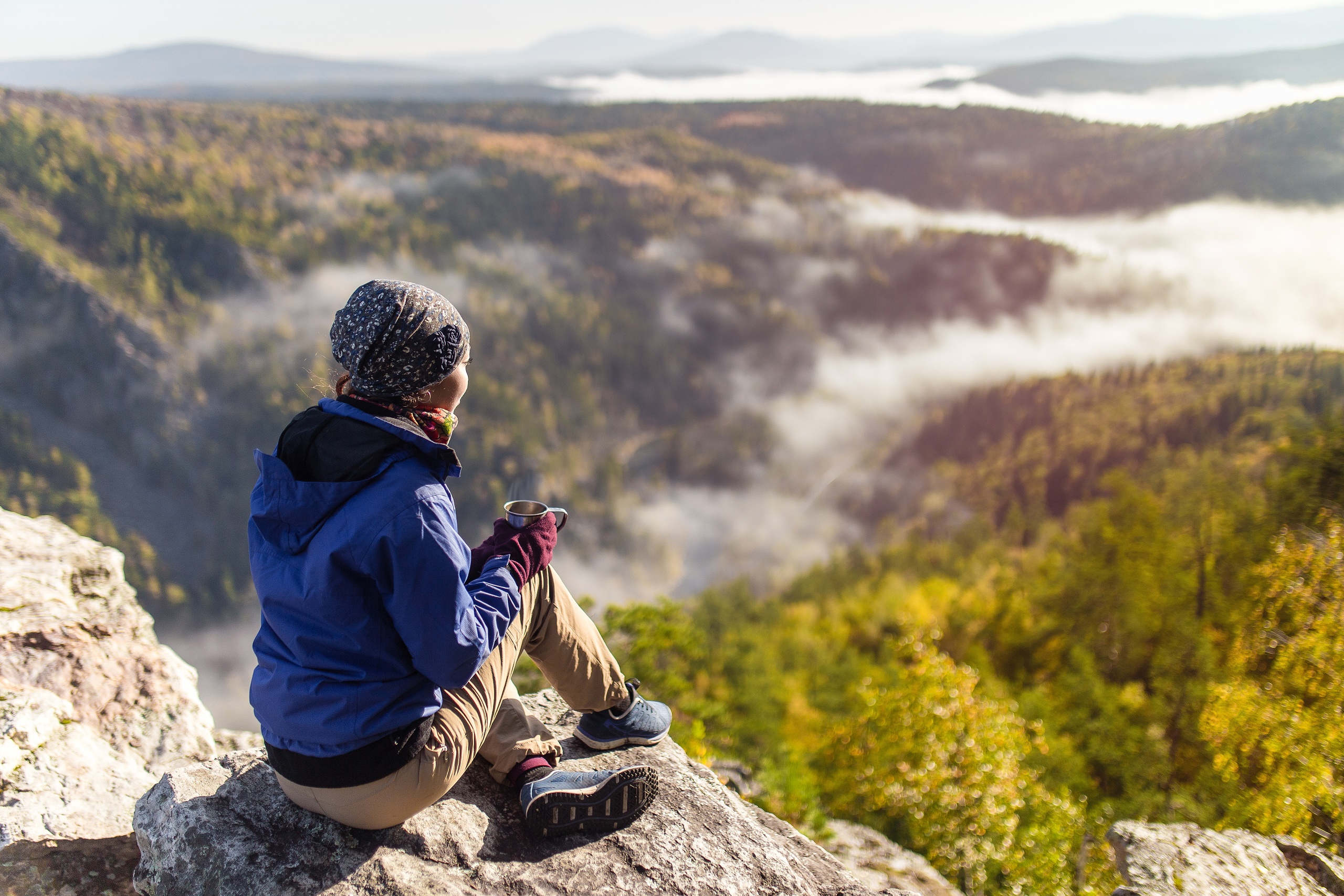 13
13Winter Activities
Nestled at the junction of the foothills and high country, Lyons is a front-row seat to Colorado winter: close-to-town snowshoe loops, fat-bikeable dirt roads, groomed cross-country options a short drive away, and access to serious backcountry ski and ice-climbing objectives beyond the valley. This guide condenses the winter best—day trips, town-adjacent routes, and planning essentials—so you can decide whether to bundle up for a mellow snowshoe morning or plan a full-on avalanche-aware backcountry day into the high alpine.
Explore winter activities → 14
14Boat Tour
Lyons sits at the doorstep of the Rockies where sandstone outcrops meet riparian corridors—an unlikely but rewarding base for small‑craft boat tours. Whether you’re drifting a slow backwater on a guided flatwater shuttle or gliding past low cliffs on a reservoir cruise nearby, Lyons’ boat tours emphasize close-up landscape reading, wildlife watching, and easy access to the region’s hiking and climbing culture.
Explore boat tour → 15
15Ski
Lyons sits at the hinge between the eastern plains and high Rockies, and while the town itself doesn’t host an alpine resort, it’s a compact, character-filled base for front-range skiing. From quick lift-access days to technical backcountry tours into Indian Peaks and the nearby Front Range resorts, Lyons is a practical, low-key gateway for winter riders who want proximity to varied terrain and a small-town après scene.
Explore ski →The city and the sea
Why Lyons Belongs on Your Adventure Shortlist
Variety without surrendering the day to long transfers.
At first light Lyons looks like a watercolor—low sun on pale grass, the St. Vrain threading silver through town while hoodoos and sandstone outcrops hold the horizon. But lean in and the town proves practical: trailheads that aren’t a half-day drive from the cafe, climbing areas that reward a midweek visit, and a river that invites both quiet fishing stretches and sociable summer paddles. For travelers who want to stack active pursuits, Lyons is deceptively efficient. A walking tour of downtown—window-shopping local outfitters, tracing murals, and ticking off a coffee shop—can warm your legs before you hit Hall Ranch for rolling singletrack and ridge viewpoints. Climbing aficionados have easy access to sport and trad routes that keep days short but dense with vertical gain. On warmer afternoons the St. Vrain opens up for water activities: easy paddles and float trips that pair well with an evening spent comparing notes over local brews. Lyons also serves as a practical base for broader Rocky Mountain adventures. From here, day trips funnel to notable canyons and parklands without the long haul from a major city, making it a favorite for both quick escapes and extended fieldwork. The town’s rhythm—outfitters and lodging geared for outdoorspeople, seasonal festivals that celebrate bluegrass and local craft, and a local culture that respects early starts—means logistics are rarely the limiting factor. Bring a route plan and you can chain biking, short boat rentals, and a late-afternoon sightseeing tour of nearby geological highlights in a single, efficient itinerary. Even winter keeps a steady pulse: when the valley frosts over, winter activities like cross-country skiing and snowshoe hikes shift the focus to quiet tracks and clear, expansive skies. Practical travelers will appreciate how Lyons simplifies complexity. Outfitters and rental shops make boat rental and guided options straightforward; local guides can convert a basic fishing day into a full learn-to program or dial up a climbing session for family groups. For people weighing options—hiking or bike tour, boat tour or river float—Lyons functions like a playground with good signage: access points are close together, parking is usually manageable, and transitions between modes of travel are short. That means more time moving and less time wrenching with logistics. Take a morning hike to a viewpoint, pedal a bike tour through quiet county roads, and finish with a fishing session as the light slants—daylight becomes a currency you can spend on the experiences that matter. Culturally, Lyons feels like an honest crossroads. It’s a town where bus tours and eco tours find common ground with solo climbers and families on walking tours. That mix makes Lyons accessible: you can be a casual traveler wanting a sightseeing tour and a good meal, or a committed athlete after steep approaches and technical climbs. The result is a place that welcomes different paces without diluting the quality of the outdoor offerings. Use this guide to plan efficient days, safeguard against seasonal pitfalls, and make choices that maximize time outside—whether your focus is hiking, climbing, fishing, water activities, or a little of everything.
Access and variety are Lyons’ strengths. Short drives reach Hall Ranch trails and several climbing areas; outfitters in town handle boat rental and guided fishing, and lodging options range from campgrounds to guesthouses tuned to early starts.
Lyons’ small-scale festivals and downtown scene provide recovery and culture between outings—think neighborhood walking tours, tasting flights, and evenings that reward an easy strolling pace after a full day of activity.
Conditions shape the day
The best time to visit Lyons.
Late spring through early fall yields the widest range of activities—stable hiking and biking conditions, warm river days, and predictable access. Afternoon thunderstorms are most common in summer; carry a rain layer and avoid exposed ridgelines in lightning. Winter brings cold, clear days good for ski and snowshoe missions on gentler routes.
Best all-around window
Spring + fall
Comfortable mixed-itinerary weather, thinner crowds at beaches and lookouts, and more room to improvise.
Beach season
Summer and early fall (June–September) for water activities, bike tours, and climbing—the town sees the most visitors on holiday weekends.
Surf + whales
Late fall and winter offer quieter trails, lower lodging rates, and opportunities for winter activities like cross-country skiing and snowshoeing.
Coast to inland
Cool marine mornings often give way to warmer inland afternoons and breezy evenings.
Beginner
Short, well-marked trails, gentle river floats, and low-commitment climbing areas let newcomers build skill without heavy logistics.
- A leisurely walking tour of downtown Lyons
- Beginner-friendly fishing on calm sections of the St. Vrain
- Short scenic hike with minimal elevation gain and good signage
Intermediate
Longer loops, basic multi-pitch climbs, or mixed bike-and-hike days that require comfort with navigation and varied terrain.
- Ridge hike with rolling ups and downs and technical footing
- Half-day bike tour on gravel and backcountry roads
- Guided climbing session to practice sport and trad anchor skills
Advanced
Full-day traverses, technical rock routes, and multi-segment itineraries that demand route-finding, endurance, and specialized gear.
- Full approach to a technical climbing wall with trad lead opportunities
- All-day backcountry traverse linking multiple trail systems
- Winter alpine-style ski or long snowshoe routes requiring navigation skills
Field kit
What to bring.
Pack for sun, salt water, walking, and a meaningful temperature swing between coast and inland Lyons.
Essential
Start here
- Layered clothing—mornings can be cold, afternoons warm
- Sturdy hiking shoes or approach shoes for mixed terrain
- Hydration system or 1–2 L water bottle
- Sun protection (hat, SPF 30+, sunglasses)
- Light rain shell—mountain weather changes fast
Water days
Keep it dry
- Compact daypack with a snack and map
- Trekking poles for longer ridge hikes
- Quick-dry clothing for water activities
- Lightweight camp towel and dry bag for boat rentals
Long days
Stay flexible
- Fly-fishing kit or lightweight rod for local streams
- Climbing shoes and a small rack if planning a trad route
- Binoculars for wildlife and ridgeline birding
Insider note
Start early, then keep the geography tight.
Start early—trailheads and river put-ins fill by mid-morning in summer. If storms are forecast, swap exposed ridge plans for lower-elevation hikes or a city tour. Reserve boat rental and guided climbs on holiday weekends and festival dates. Favor compact, multi-use gear to move efficiently between walking tours, bike rides, and water activities. When fishing, follow local regulations and practice catch-and-release where suggested to support healthy fisheries.
Good to know
Frequently asked questions.
Can I do most activities without a guide?
Yes—many hikes, walking tours, and basic fishing stretches are accessible without a guide. Consider a guide for technical climbing, whitewater trips, or if you want a targeted fish-and-instruction day.
Are boat rentals available on-site?
Yes—local outfitters typically offer boat rental and shuttles for easy paddles and boat tours. Reserve during summer weekends and festival dates.
What should I do if weather turns?
Have a contingency route planned—choose lower-elevation trails and river-friendly options. Avoid exposed ridgelines during lightning and switch to urban or sheltered activities like a city tour or brewery visit if storms persist.
Ready when you are
Find the trip that fits your Lyons day.
Compare bookable experiences across the coast, city, and mountains—then save the ones that belong in your plan.
Explore all Lyons adventures ↗