
Key Largo adventure guide
Find your way into Key Largo.
Key Largo is a salt-scented primer on coastal adventure—shallow reefs and shipwrecks invite snorkelers and scuba divers, while mangrove creeks and open water reward kayakers, anglers, and small-boat explorers. This guide distills the 15 best ways to get on and in the water, plus planning notes to help you pick the right day, outfitter, and gear.
Three ways into the city
Pick a landscape. Build a day around it.
Key Largo is less a single destination than a collection of neighboring worlds. Start with the version of the city that matches your pace, then use the ranked guide below to fill in the details.

Begin where the city meets the sea.
Surf breaks, sheltered harbors, whale routes, and long beach paths make the coast LA’s most immediate outdoor playground.
Explore water activities →
Let a local connect the landmarks.
Use a guided city, walking, or sightseeing tour to turn LA’s sprawl into a coherent story.
Explore boat tour →
Ride the coast and the city.
Beach paths, river corridors, e-bikes, and ridge climbs reveal a more connected Los Angeles.
Explore scuba →Choose your way into Key
The top 15 Key Largo adventures.
Ranked by the number of currently listed trips. Each panel opens the complete local activity collection.
1Water Activities
Key Largo sits where the shallow Atlantic shelves give way to coral gardens and wreck-strewn drop-offs—an intimate, salt-streaked playground for anyone drawn to the sea. From effortless snorkel rolls over glassy reefs to charged drift dives and backyard bay paddles at sunrise, this guide focuses on the water experiences that define Key Largo: snorkeling and diving the living reef, guided eco-tours, sportfishing charters, and low-impact ways to explore mangrove-lined bays. Practical enough for first-timers, vivid enough for returning divers, the content below pairs immersive scene-setting with clear planning advice so you can fall into the water fully prepared.
Explore water activities →2Boat Tour
Key Largo is the boat-tour hub of the Upper Keys: a compressed, luminous landscape where coral gardens begin, mangrove-lined creeks funnel into the Atlantic, and the flat horizon is endlessly navigable. Boat tours here range from intimate glass-bottom skiffs and snorkel shuttles to private sport-fishing charters and eco-focused wildlife runs. For travelers who want to feel the salt and see the reef without committing to dive certification, Key Largo is a hands-on, sea-level introduction to South Florida’s marine world.
Explore boat tour →3Scuba
Key Largo anchors the northern Keys as America’s gateway to Caribbean-style coral reefs and accessible wreck diving. The town’s calm waters, protected park zones, and density of shallow-to-moderate depth sites make it ideal for a wide range of divers—from newly certified open-water explorers to seasoned technical teams seeking historic wrecks. Expect warm water, often excellent visibility, and a steady parade of tropical fish, corals, and resident macro life. This guide focuses on scuba-specific logistics: when to go, how to choose an operator or a site, safety and environmental considerations, and practical packing for dives in temperate-to-warm subtropical seas.
Explore scuba → 4
4Fishing
Key Largo is where salt meets strategy: a compact island town that opens onto some of the richest, most varied saltwater fishing in the continental U.S. From glassy backcountry flats holding wary bonefish to deep-blue offshore grounds that host mahi, tuna, and billfish, the options are as diverse as the tides. This guide focuses on the angling experiences that define Key Largo—light-tackle sight-fishing, fly-fishing the flats, inshore snook and tarpon pursuits, and full-day offshore charters—while threading in practical planning notes, seasonal rhythms, and nearby activities that round out a fishing trip.
Explore fishing → 5
5Snorkel
Key Largo is the gateway to shallow coral gardens and world-class reef snorkeling in the continental United States. Calm bays, protected state-park snorkel trails, and nearby offshore reefs delivered by short boat rides make it ideal for both first-timers and seasoned surface explorers.
Explore snorkel →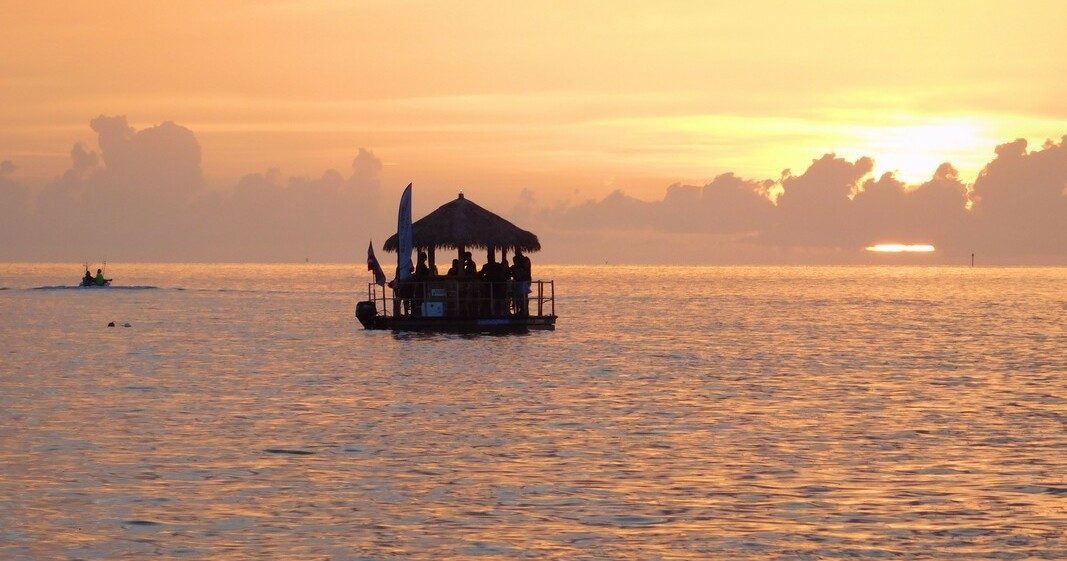 6
6Boat Rental
Key Largo is the gateway to crystalline flats, living coral reefs, and a coastline best seen from the water. Renting a boat here transforms the Keys from a postcard into a private atlas of mangrove islands, snorkeling anchorages, and offshore bluewater. This guide focuses on renting and running boats in Key Largo—from calm bay skiffs to center-console charters—so you can plan routes, understand conditions, and pick the right vessel for your day on the water.
Explore boat rental →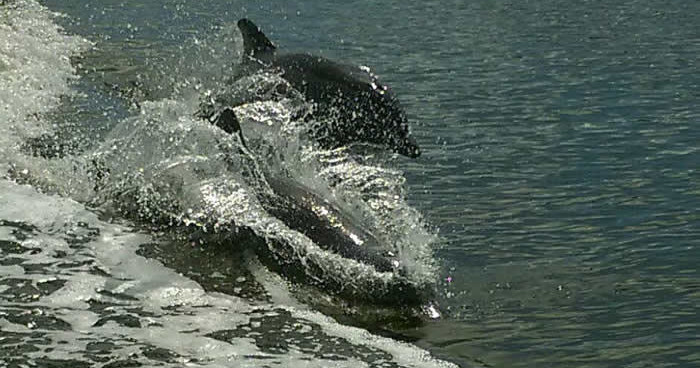 7
7Eco Tour
Key Largo is the doorstep to the continental United States’ only living coral barrier reef. Eco tours here translate warm, shallow water and a tangle of mangrove labyrinths into a curriculum of coastal ecology—snorkel with parrotfish over stony corals, paddle quiet mangrove tunnels, and learn about reef recovery from guides who work at the water’s edge. This guide focuses on the eco-tour experiences that let you see the Keys’ fragile systems with small impact and big context.
Explore eco tour → 8
8Kayak
Key Largo compresses everything you want from a coastal paddle into a compact, sunlit geography: mangrove labyrinths that cradle tidal life, flat-water bays threaded with seagrass and rays, and an offshore coral edge that drops into crystalline reefs. These routes are ideal for short morning excursions, guided eco-tours, and approachable ocean crossings for paddlers with some experience.
Explore kayak → 9
9Sightseeing Tour
Key Largo is the gateway to shallow reefs, mangrove labyrinths, and open Gulf azure—an intimate island of water-based sightseeing where diversity is the draw. From glass‑bottom boat voyages and shallow wreck snorkels to mangrove eco‑kayak tours and sunset cruises, sightseeing here is less about ticking points on a map and more about moving slowly across a living seascape.
Explore sightseeing tour → 10
10SUP
Key Largo is where crystalline shallows, living coral edges, and sheltered mangrove mazes converge with a paddler’s imagination. Here, SUP becomes a way to read the water—gliding across seagrass flats edge-to-edge with small reef pinnacles, threading silent mangrove tunnels thick with birdlife, or stepping out onto ocean swells for a more dynamic outing. This guide focuses on stand-up paddleboarding in Key Largo: how to choose routes, what conditions to watch for, how to pair paddling with snorkeling and eco-tours, and the practical details that keep a day on the board effortless and respectful of this fragile marine landscape.
Explore sup → 11
11ATV/UTV
ATV and UTV opportunities in and around Key Largo require a pragmatic approach: the island chain itself is ecologically fragile and infrastructure is built for boating, diving, and angling rather than off-road driving. That said, Key Largo functions as a gateway—an island-strewn introduction to the southern tip of Florida from which travelers can combine light, controlled UTV experiences with coastal activities, or arrange transport to mainland and private off-road venues. Expect curated, guided outings that emphasize minimal impact, mechanical reliability, and season-aware planning. For travelers who want the punch of a UTV day trip without sacrificing snorkeling, fishing, or sunset sails, Key Largo’s location makes it an effective base to stitch together complementary marine and terrestrial adventures.
Explore atv/utv →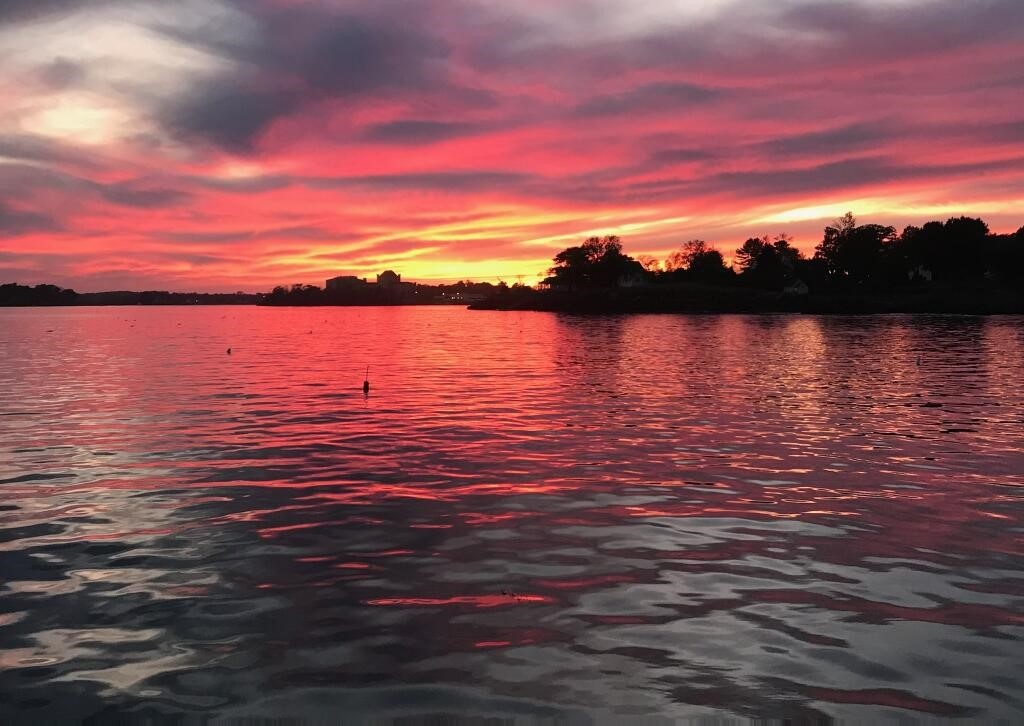 12
12Dolphin
Key Largo’s shallow, warm waters create a natural theater for bottlenose dolphins and a handful of other cetacean visitors. From early-morning glassy wakes to evening chases on the edge of the reef, dolphin outings here blend wildlife viewing, snorkeling, and the easygoing tempo of the Keys. This guide focuses on where to find dolphins responsibly, what to expect on different trip styles, and how to plan an encounter that prioritizes both safety and conservation.
Explore dolphin → 13
13Air Activities
Key Largo is where the ocean reads like a topographic map from above — a patchwork of shallow reef, channels, and seascape hues that only truly resolve from altitude. For travelers drawn to aerial perspectives, Key Largo’s air activities turn the Keys’ horizontal drama into a vertical experience: seaplane and helicopter tours that hover over coral gardens, parasailing launches from calm bays, and intro ultralight or small-aircraft flights that place you above turtles, tarpon, and the thin spit of islands connecting sky to sea.
Explore air activities → 14
14Marina
Key Largo’s marinas are the practical and cultural gateways to the northern Florida Keys: working harbors where charter captains, sportfishers, dive operators, and day sailors converge. They vary from polished full-service facilities with fuel, restaurants, and valet launches to small community slips and mooring fields that put reefs and flats within a five- to thirty-minute run. This guide focuses on the marina experience itself—access, services, seasonality, and how to use Key Largo’s harbor network to unlock fishing, diving, kayaking, and island-hopping adventures.
Explore marina → 15
15Sailing
Key Largo is where Caribbean-blue water meets accessible, varied sailing: short reef hops to snorkel stops, slow backcountry passages through mangrove-lined creeks, and open-water runs beneath wide skies. This guide focuses on sailing experiences—day sails, private charters, sunset cruises, and bareboat options—framed by living coral, abundant marine life, and a culture centered on the sea.
Explore sailing →The city and the sea
Why Key Largo Belongs on Your Adventure Shortlist
Variety without surrendering the day to long transfers.
Where the mainland sighs and the Keys begin, Key Largo acts as a threshold between two worlds: Florida’s coastal bustle and a subtropical seascape of mangroves, flats, and coral gardens. Here you trade alpine ridgelines for a horizon that feels endlessly navigable—at dawn, the sky peels open in pinks and oranges while the shallow reef lights up beneath a surface that, on a good day, reads like glass. The island’s compact geography makes it a delight for stacking short outings; launch a kayak through a mangrove tunnel mid-morning, snorkel a half-day on a shallow reef in the afternoon, then join a sunset sail or a night fishing charter as the light softens. The result is a travel cadence that’s both restful and action-packed, ideal for travelers who want concentrated marine experience without long transit times. Beyond the sensory pleasures, Key Largo is a living classroom for coastal ecology. The Florida Keys National Marine Sanctuary and John Pennekamp Coral Reef State Park anchor conservation and access, protecting coral, seagrass, and fish communities that support everything from trophy tarpon to courting nurse sharks. That protection benefits visitors directly: healthy reefs mean clearer water for snorkelers and scuba divers, stable fish populations for anglers, and more predictable experiences for snorkeling, scuba, and eco tours. Local guides and outfitters thread cultural and historical context into excursions—wreck dives speak to maritime history, while eco-tours unpack mangrove nursery dynamics and the seasonal rhythms of gamefish. If you care about the source of your adventures, Key Largo rewards curiosity: every boat tour, fishing trip, or kayak outing doubles as an opportunity to learn how coastal systems tick and why stewardship matters. Practical access makes Key Largo especially attractive. Miami is a 45–75 minute drive depending on traffic, and the Overseas Highway continues south to the rest of the Keys, so Key Largo functions as both a launching pad and a single-stop destination. Outfitters are plentiful and specialize: you’ll find boat tours that focus on sightseeing and dolphin glimpses, charters that concentrate on sportfishing, and dive shops tailored to both shallow reef snorkel trips and certified wreck/scuba experiences. That range means groups with mixed interests—some want to snorkel and others to fish—can split and reunite within a single day with minimal logistics friction. Seasonality is forgiving but matters: winter and spring deliver cooler air and calm seas favored by divers and anglers; summer brings heavier rains and the Atlantic hurricane window, so plan with flexible bookings and keep an eye on marine forecasts. Finally, Key Largo’s personality is direct and unpretentious. It’s less about high-gloss resort theatrics and more about salt, sun, and competency: experienced captains, careful guides, and a community that values the reef as both a livelihood and a legacy. For travelers who want to feel the water at multiple speeds—gentle SUP dawn paddles, wind-ruffled sails, the adrenaline of hooked fish, and the quiet submersion of a night dive—Key Largo compacts those experiences into a single, surprisingly rich stop on any Florida Keys itinerary.
Short distances and abundant outfitters make it easy to sample multiple activities in one stay. Booking a morning kayak trip and an afternoon snorkel is a realistic, low-stress day plan.
Conservation-minded operators are common; prioritize certified dive shops and eco-tour operators that follow reef-friendly practices and proper catch-and-release methods.
Conditions shape the day
The best time to visit Key Largo.
Winters are mild, offering cooler air and calmer seas; late spring brings stable water temps favorable to diving and snorkeling. Summer is hot and humid with frequent afternoon storms and falls within the Atlantic hurricane season—book flexible tickets and monitor forecasts.
Best all-around window
Spring + fall
Comfortable mixed-itinerary weather, thinner crowds at beaches and lookouts, and more room to improvise.
Beach season
Winter holidays through spring break—higher demand for charters, dive shops, and limited-slip marinas.
Surf + whales
Summer and early fall often yield lower prices and quieter waterways; consider weekday trips and keep an eye on weather windows for safe outings.
Coast to inland
Cool marine mornings often give way to warmer inland afternoons and breezy evenings.
Beginner
Short, guided outings with minimal equipment needs: introductory snorkel trips, calm-water kayak routes through mangroves, and relaxed sightseeing boat tours.
- Half-day snorkel trip to shallow coral gardens
- Guided mangrove kayak with an eco guide
- Sightseeing boat tour with dolphin-watching
Intermediate
Longer outings and mixed-skill activities: shore-based reef snorkels with moderate swim, SUP in open bays, or half-day fishing charters.
- Guided SUP tour across a sheltered bay
- Half-day inshore fishing charter
- Multi-site snorkel trip combining wreck and reef
Advanced
Technical or endurance-focused adventures: certified wreck and deep reef scuba, offshore sportfishing, or multi-day island-hopping by sail or powerboat.
- Certified wreck/scuba dives on offshore sites
- Full-day offshore sportfishing charter
- Extended sailing trips between Keys islands
Field kit
What to bring.
Pack for sun, salt water, walking, and a meaningful temperature swing between coast and inland Key.
Essential
Start here
- Light, quick-dry layers and sun-protective clothing
- Reef-safe sunscreen (SPF 30+; avoid oxybenzone/octinoxate)
- Waterproof phone case or dry bag
- Prescription dive/sunglasses retainer and brimmed hat
- Reusable water bottle and light snacks for day trips
Water days
Keep it dry
- Shorty wetsuit or dive skin for cooler-surge months
- Water shoes or reef booties for rocky shore entries
- Small dry bag for valuables on boats and kayaks
- Motion-sickness meds if you’re prone and planning boat tours or offshore fishing
Long days
Stay flexible
- Action camera (with float) or underwater point-and-shoot
- Lightweight binoculars for dolphin and bird watching
- Compact first-aid kit with sting relief and antiseptic wipes
Insider note
Start early, then keep the geography tight.
Start early to catch calm water and avoid afternoon wind. Choose outfits that explicitly advertise reef-safe practices and proper boat anchoring techniques to protect coral. If you’re booking fishing or dive charters during peak season, reserve spots weeks in advance; many small operators run single-boat schedules. For mixed groups, split activities by interest—Key Largo’s compact geography makes it easy to regroup for meals or sunset sails. Finally, learn basic marine etiquette: don’t touch coral or marine life, keep a respectful distance from dolphins and turtles, and carry reusable containers to minimize single-use plastic on trips.
Good to know
Frequently asked questions.
Can I snorkel and scuba at the same sites?
Many shallow reef sites are suitable for both snorkelers and entry-level scuba divers, but deeper wrecks and channels require scuba-specific access. Check with your outfitter for site recommendations based on certification and comfort level.
Do I need to bring my own gear?
Most reputable dive shops and outfitters rent full kits—mask, snorkel, fins, BCD, regulator, and tanks—though bringing a personal mask and fins often improves fit and comfort.
Is fishing year-round?
Yes, but target species and best techniques change seasonally. Inshore flats and backcountry fishing are popular most of the year; offshore sportfishing peaks during specific migratory windows—talk to local captains for current intel.
Ready when you are
Find the trip that fits your Key Largo day.
Compare bookable experiences across the coast, city, and mountains—then save the ones that belong in your plan.
Explore all Key Largo adventures ↗