
Kealakekua adventure guide
Find your way into Kealakekua.
On the calm, sunlit water off South Kona, Kealakekua Bay reads like a marine travelogue: turquoise clarity, coral gardens, and the lone silhouette of the Captain Cook Monument rising from the surf. This guide gathers the 15 most compelling ways to experience the bay and its shore—from snorkeling kaleidoscopes and boat tours to coastal walks and photography runs—framed by practical notes for planning safe, respectful outings.
Three ways into the city
Pick a landscape. Build a day around it.
Kealakekua is less a single destination than a collection of neighboring worlds. Start with the version of the city that matches your pace, then use the ranked guide below to fill in the details.

Begin where the city meets the sea.
Surf breaks, sheltered harbors, whale routes, and long beach paths make the coast LA’s most immediate outdoor playground.
Explore water activities →
Let a local connect the landmarks.
Use a guided city, walking, or sightseeing tour to turn LA’s sprawl into a coherent story.
Explore boat tour →Ride the coast and the city.
Beach paths, river corridors, e-bikes, and ridge climbs reveal a more connected Los Angeles.
Explore boat tour →Choose your way into Kealakekua
The top 15 Kealakekua adventures.
Ranked by the number of currently listed trips. Each panel opens the complete local activity collection.
1Water Activities
Kealakekua is water-playground distilled: a narrow, coral-studded bay ringed by lava cliffs, a living reef that hums with fish and coral, and a coastline whose history is as visible as the water is clear. This guide focuses on the aquatic pursuits that define the place—snorkeling in world-class visibility, guided and self-guided kayaking to the Captain Cook Monument, stand-up paddleboarding along sheltered coves, and boat-based reef tours. Expect calm mornings, sudden trade-wind afternoons, and an emphasis on marine stewardship: much of the bay sits inside a protected marine area, so come prepared to respect the sea and its residents.
Explore water activities →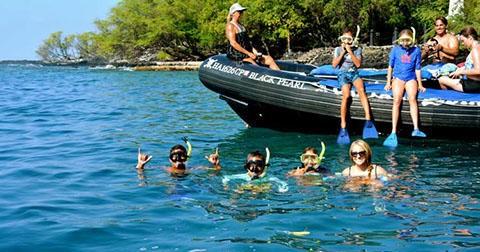 2
2Snorkel
Kealakekua Bay is the shorthand for spectacular shore- and boat-access snorkeling on Hawaii Island: glassy, deep-blue water teeming with coral gardens, reef fish, and the historical silhouette of the Captain Cook Monument. This guide focuses on snorkeling here—how to get in the water safely, when the bay is calmest, what marine life to expect, and how to pair your float with kayaking, hiking, or a cultural visit to nearby sacred sites.
Explore snorkel →3Boat Tour
Kealakekua's boat tours are a study in contrasts: glass-clear morning waters, a jagged volcanic coastline, and one of the island's most storied historic sites framed by coral gardens and tropical fish. Whether you're slipping off a skiff into warm water to swim with snapper and tangs, drifting beneath cliffs toward a solitary monument, or simply letting trade winds push a small sailboat along the shoreline, the bay's marine world is the central character.
Explore boat tour → 4
4Whale Watch
Kealakekua’s basalt cliffs and glassy bays are a seasonal stage for one of the Pacific’s most intimate whale-watching scenes. From small-group zodiac chases to calm kayak approaches and shore-based sightings, this stretch of the Kona coast pairs dramatic volcanic shoreline with rich marine life—making every whale encounter feel like a front-row seat to a wild and ancient migration.
Explore whale watch →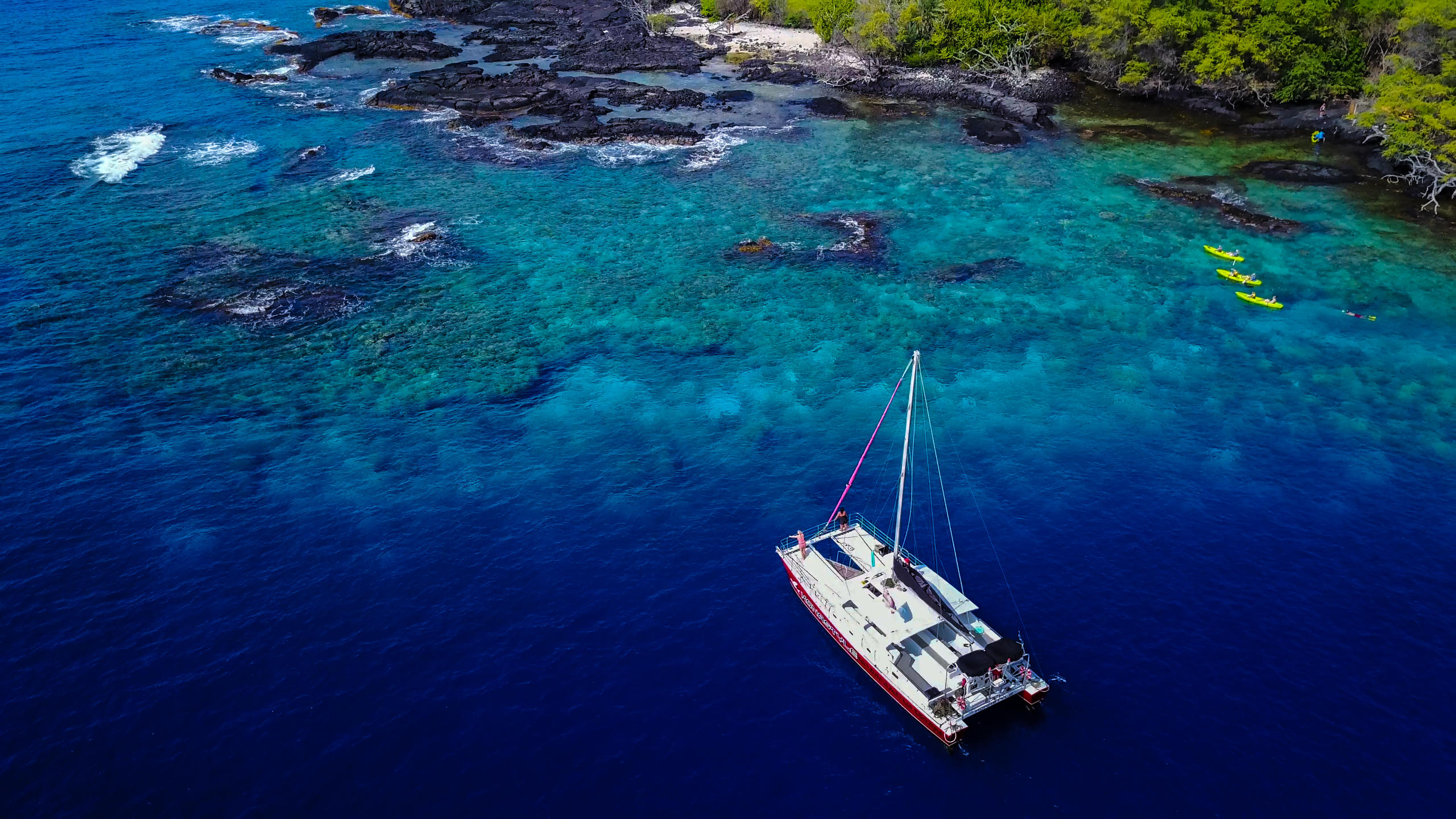 5
5Dolphin
Kealakekua’s cobalt water, protected bay, and current-swept offshore channels make it one of the most reliable places on the Big Island to see dolphins in both intimate, sheltered settings and high-energy open-water encounters. Whether you’re drifting in a small snorkeling group as spinner dolphins nap in the shallows or watching bottlenose pods surf the bow from a sailboat, the coast east of Kona offers varied dolphin experiences framed by clear water, lava-rock coastline, and the cultural resonance of the bay.
Explore dolphin → 6
6Scuba
Kealakekua’s clear, coral-rich waters feel like an intimate museum of Pacific life: compact dive zones ringed by lava escarpments, dense coral gardens, and a lively cast of reef fish, turtles, and seasonal visitors. This guide focuses on scuba diving in and around Kealakekua Bay—what to expect underwater, how to plan trips, and the practical details that turn a good dive day into a great one.
Explore scuba → 7
7Sightseeing Tour
Kealakekua's shoreline reads like a compact epic: sheer lava cliffs, translucent bays, and a reef system that animates with spinner dolphins, tropical fish, and seasonal humpbacks. Sightseeing tours here are equal parts marine theater and cultural history—boat and kayak trips, guided snorkels, and coastal cruises that deliver close-up views of the Captain Cook Monument and the marine reserve that protects it.
Explore sightseeing tour →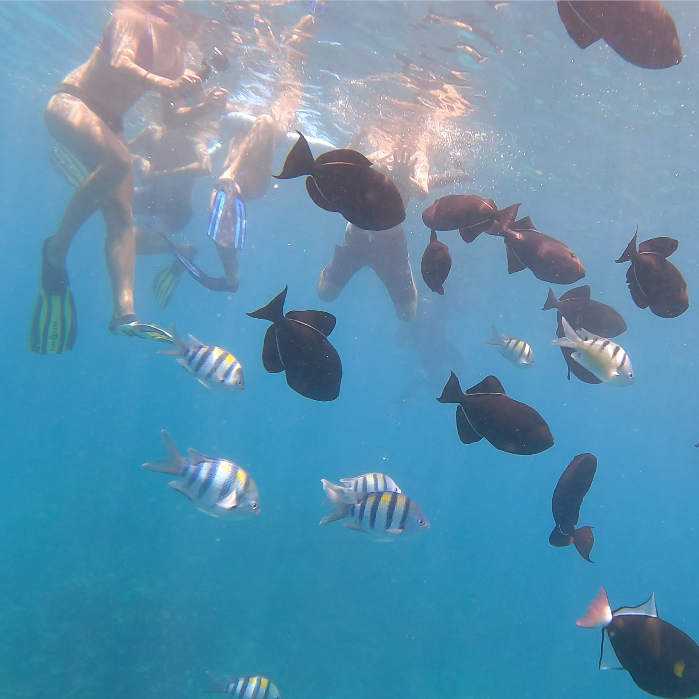 8
8Fishing
Kealakekua blends Hawaiian coastal history with some of the most dynamic nearshore and deep-water fishing on the Kona coast. From handlines and rock-ledge spin sessions to small-boat charters that chase yellowfin and wahoo on blue-water seams, the area offers an intimate, varied fishing canvas. Expect clear water, steep drop-offs near shore, and a marine environment that supports both predictable inshore bites and thrilling ephemeral pelagic runs.
Explore fishing → 9
9Surf
Kealakekua’s coastline folds raw volcanic rock, clear reef channels, and an intimate lineup of breaks that reward surfers who respect the sea and the culture. From punchy reef corners to sheltered bays good for longboarders and learners, this guide breaks down what to expect, when to go, and how to plan a surf trip that pairs waves with snorkeling, cultural sites, and coffee-country roads.
Explore surf → 10
10Photography Tour
Kealakekua is a compact but incandescent pocket of the Big Island where coastal cliffs, clear blue water, and a profound cultural history converge to create exceptional photography conditions. From glassy morning reflections and underwater coral gardens to dramatic lava-scarred backdrops and intimate cultural portraits, photography tours here focus on framing light, movement, and place—whether from a stable boat deck, the chin of a cliff trail, or snorkel-level in the bay.
Explore photography tour →Boat Rental
Kealakekua's shoreline compresses the very heart of Kona ocean culture into a compact, dramatic coastline where volcanic cliffs drop into translucent water and history sits just offshore. For travelers who want to touch that water — to drift over coral gardens, surf the edge of the monument's marine sanctuary, or watch spinner dolphins ride a bow wave — renting a boat transforms an ordinary day into an intimate ocean encounter.
Explore boat rental → 12
12Eco Tour
Kealakekua's coastal cliffs, lava-sculpted shorelines, and crystalline offshore reef host one of Hawai‘i’s most concentrated expressions of marine life and cultural memory. Eco tours here thread together marine conservation, native ecosystems, and Indigenous history—snorkel-led reef ecology trips, coastal kayak explorations, guided cultural shoreline walks, and regenerative farm visits that reveal how people and place weave together on the Kona coast.
Explore eco tour → 13
13Walking Tour
Walking tours in Kealakekua thread together sea-scarred lava, sacred heiau, and lowland tropical forest on the western flank of Hawaiʻi Island. Short coastal strolls unfold into dramatic viewpoints over the deep-blue bay where spinner dolphins play and humpbacks visit each winter. Whether you choose a village-focused cultural walk, a shoreline hike to the Captain Cook Monument, or a guided naturalist tour that blends snorkeling with on-land history, Kealakekua’s walking experiences pair intimate local stories with rugged coastal terrain.
Explore walking tour → 14
14Sailing
Kealakekua is a sailor’s study in contrast: glassy coral gardens in the lee of a volcanic shoreline, sudden sea cliffs, and tradewind afternoons that turn a gentle cruise into a spirited reach. This guide focuses on sailing experiences from calm snorkeling excursions and sunset sails to longer coastal passages that thread past historic shorelines and marine-protected waters.
Explore sailing → 15
15Bus Tour
Bus tours in Kealakekua are less about speeding from A to B and more about a slow, sensory unraveling of the Kona coast: the sudden drop of the sea beside the road, the smell of roasting coffee from farm stands, and roadside vistas that frame deep blue bays. These tours range from short heritage loops and coastal shuttle runs to half-day combinations that pair scenic driving with snorkeling, coffee-farm stops, and cultural storytelling. They’re the easiest way to stitch together the dispersed highlights of South Kona without juggling transfers—ideal for travelers who want the layered context of a guide with the steady comfort of a coach.
Explore bus tour →The city and the sea
Why Kealakekua Belongs on Your Adventure Shortlist
Variety without surrendering the day to long transfers.
Kealakekua feels like a place where the ocean keeps its best secrets. A rim of lava-scarred shore and coconut palms funnels trade winds and calm into a protected crescent of water, and the result is some of the clearest, most biodiverse snorkeling and diving on Hawaiʻi Island. Stand on the water’s edge or step aboard a small boat, and you’re immediately in a living postcard: coral bommies threaded with surgeonfish, spinner dolphins that ride bow waves, and, offshore, the iconic white stele of the Captain Cook Monument marking a little slice of shared history and fragile marine reserve. This stretch rewards a layered approach to travel: an early-morning snorkel before the dayboats arrive, a late-afternoon paddle when the light slants and turtles surface in the shallows, and a coastal walk to read the geology and sugar-plantation traces behind the shore. For photography, the clarity of the bay and soft Hawaiian light make for dramatic underwater and shore shots; for families, calm coves make introductions to snorkeling simple and forgiving. Outfitters line the broader Kona coast with guided snorkel and scuba trips, boat rentals, and eco tours, turning logistics into a low-friction affair so you can focus on the water and the wildlife. Practicality matters here: currents, localized rules around the marine reserve, and seasonal wildlife patterns all shape the safest, most rewarding itineraries. Consider this guide your compact field manual—part place-story, part trip plan—so you can pack correctly, pick the right activity for your skill level, and leave Kealakekua better than you found it.
Access is straightforward from the Kona coast: many operators run morning and mid-day departures that include snorkel gear, flotation, and basic safety instruction. If you prefer self-directed time on the water, kayak and small-boat rentals offer the freedom to explore quiet coves, but be conservative with wind and swell forecasts.
Kealakekua’s strength is variety. Water Activities like snorkeling and scuba blend with wildlife viewing—dolphin encounters and seasonal whale-watch opportunities—to form a compact coastal program. There’s also a cultural layer: the bay sits within a landscape shaped by Hawaiian settlement, European contact, and maritime history; guide-led eco and walking tours can add that human-scale context to a day on the water.
Conditions shape the day
The best time to visit Kealakekua.
Kealakekua enjoys warm, stable conditions much of the year; trade winds pick up in the afternoon. Winter months (December–March) bring larger swell and prime whale-watching but can also introduce rougher ocean conditions.
Best all-around window
Spring + fall
Comfortable mixed-itinerary weather, thinner crowds at beaches and lookouts, and more room to improvise.
Beach season
Winter holidays and whale season (December–April) draw higher demand for charters and guided tours—book early.
Surf + whales
Late spring and early fall often deliver calm seas, fewer crowds, and good value on boat rentals and guided snorkel trips.
Coast to inland
Cool marine mornings often give way to warmer inland afternoons and breezy evenings.
Beginner
Short, protected swims, guided snorkel floats, and gentle walking tours—low fitness and minimal gear required.
- Half-day guided Snorkel trip to reef gardens
- Introductory Boat Tour with snorkeling stops
- Shore-level Photography Tour focused on nearshore life
Intermediate
Longer kayak paddles, shore-to-bay float sessions, and guided scuba for newer certified divers—requires moderate stamina and some familiarity with currents.
- Kayak trip to Kealakekua Bay with snorkeling stops
- Guided Scuba dive on coral bommies
- Afternoon Dolphin or Wildlife Sightseeing Tour
Advanced
Technical scuba, multi-site boat charters, and photography missions that require advanced certification, strong ocean skills, or specialized equipment.
- Advanced Scuba dives on deeper reef structures
- Full-day Fishing charter targeting pelagic species
- Sailing or private-boat excursions with long-range snorkeling or freediving objectives
Field kit
What to bring.
Pack for sun, salt water, walking, and a meaningful temperature swing between coast and inland Kealakekua.
Essential
Start here
- Light reef-safe sunscreen (zinc or mineral-based)
- Mask, snorkel, and fins if you prefer to bring your own
- Quick-dry layers and a lightweight windbreaker for on-deck comfort
- Water bottle and reef-friendly insect/sun protection
- Waterproof phone or camera with float strap
Water days
Keep it dry
- Rashguard or wetsuit top for extended floats or winter months
- Dry bag for valuables when on small boats or kayaks
- Small reef-safe first-aid kit and seasickness remedies if prone
- Local tide and wind app for last-minute checks
Long days
Stay flexible
- Compact telephoto or underwater housing for serious photography
- Binoculars for shore and whale/dolphin spotting
- Light snack or packed lunch for longer charter days
Insider note
Start early, then keep the geography tight.
Start early—mornings usually bring glassy water and quieter coves. If you opt for a boat tour, ask about group size and whether the operator enforces brief, clear instructions on reef etiquette. Carry reef-safe sunscreen and avoid touching or standing on coral. For photographers, plan for morning light on the western shore and golden-hour shorelines later in the day; underwater shots work best when the sea is calm. When wildlife appears, keep a respectful distance and follow your guide’s lead—especially with dolphins and whales. Lastly, local operators can often combine tags from this list—snorkel, boat tour, dolphin viewing, eco tour, photography tour—into single-day itineraries; compare inclusions (gear, park fees, transport) before booking.
Good to know
Frequently asked questions.
Do I need a guide for snorkeling in Kealakekua Bay?
No—you can snorkel off persistent calm shoreline spots, but many visitors choose guided boat or kayak trips for safety briefings, equipment, and access to prime reef gardens. Guides also interpret marine life and local history.
Is landing at the Captain Cook Monument allowed?
Access and landing rules around the monument and adjacent shore are regulated; landing or disturbing sensitive sites is restricted in places. Confirm current regulations with local authorities or your tour operator before attempting land access.
What wildlife should I expect to see?
Expect reef fish, sea turtles in the shallows, spinner and spotted dolphins offshore, and seasonal humpback whales in winter. Maintain respectful distance and follow marine-reserve guidelines.
Ready when you are
Find the trip that fits your Kealakekua day.
Compare bookable experiences across the coast, city, and mountains—then save the ones that belong in your plan.
Explore all Kealakekua adventures ↗