
Kaloko adventure guide
Find your way into Kaloko.
A sun-baked corner of the Kona coast, Kaloko threads cultural legacy and clear-water access into a compact playground for water-first travelers. This guide shows you how to slot snorkeling, scuba, whale- and dolphin-watching, and light shore-based exploration into days that balance calm bays, occasional swell, and the slow, deliberate rhythm of island life.
Three ways into the city
Pick a landscape. Build a day around it.
Kaloko is less a single destination than a collection of neighboring worlds. Start with the version of the city that matches your pace, then use the ranked guide below to fill in the details.

Begin where the city meets the sea.
Surf breaks, sheltered harbors, whale routes, and long beach paths make the coast LA’s most immediate outdoor playground.
Explore water activities →
Let a local connect the landmarks.
Use a guided city, walking, or sightseeing tour to turn LA’s sprawl into a coherent story.
Explore boat tour →Ride the coast and the city.
Beach paths, river corridors, e-bikes, and ridge climbs reveal a more connected Los Angeles.
Explore boat tour →Choose your way into Kaloko
The top 15 Kaloko adventures.
Ranked by the number of currently listed trips. Each panel opens the complete local activity collection.
1Water Activities
Kaloko is a coastal place where lava meets lagoon, where centuries-old fishponds sit beside modern-day snorkeling reefs. This guide focuses on water activities — snorkel loops, protected bays for stand-up paddleboarding, kayak routes along sheltered shorelines, and boat-based experiences that connect you to manta rays, pelagic birdlife, and offshore reefs. Expect warm water, abundant marine life, and an emphasis on cultural respect for traditional Hawaiian coastal resources.
Explore water activities →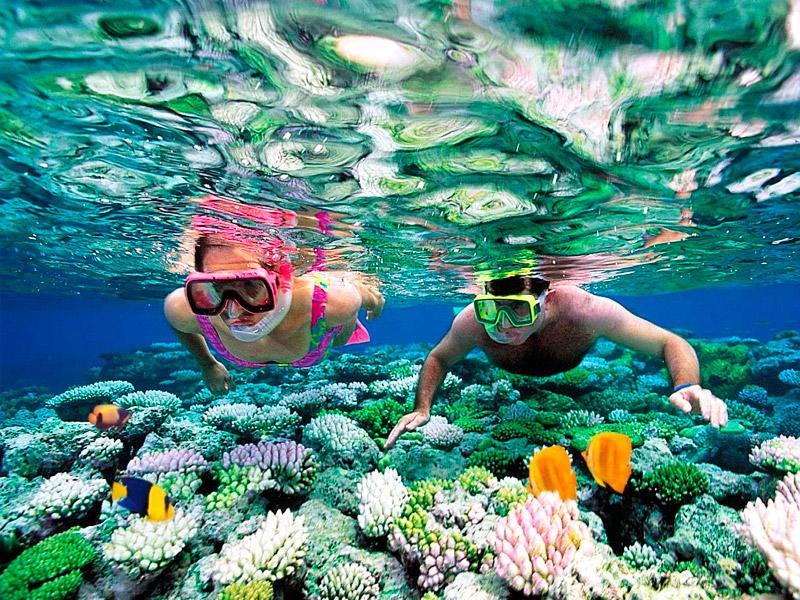 2
2Snorkel
Kaloko's shoreline compresses a lot of Hawaiian coastal life into a short drive from Kona: black lava benches, pocket beaches, and ribbon reefs that teem with reef fish and the steady, slow presence of green sea turtles. Snorkeling here is about contrasts—shallow tide pools that brim with tiny life, clear reef flats where surgeonfish and parrotfish graze, and the occasional surge channel where visibility can widen into cinematic blue. For travelers, Kaloko offers approachable entry points for beginners alongside technical shoreline access that rewards careful planning. Expect intimate encounters rather than wide-open pelagic showpieces; this is a place for watching how reef systems function up close, paired naturally with cultural sites, short coastal hikes, and quiet afternoons on volcanic sand. Practicalities matter here: lava rock entry, shifting currents at some points, and strong sun make preparation essential. When tides and weather align, Kaloko is a restorative half-day pursuit—an easy morning float after coffee, a late afternoon reconnaissance before dinner, or a slow encounter with honu as they rise to breathe in the shallows. Local stewardship is strong; visitors who move slowly, minimize disturbance, and respect marked cultural areas will find the reef generous in return. Complementary activities include guided shore snorkeling to learn reef ecology, kayak or SUP paddles to reach calmer lagoon mouths, and visits to the Kaloko-Honokōhau National Historical Park to connect the marine life to centuries of native Hawaiian coastal stewardship.
Explore snorkel →3Boat Tour
Kaloko’s shoreline is a narrow, luminous edge where culture, reef, and open ocean meet. Boat tours operating from the Honokōhau/Kona corridor offer everything from short coastal cruises and snorkel safaris to dramatic night manta experiences and seasonal whale-watching runs. This guide focuses on boat-based experiences around Kaloko—how they feel, when to go, and what to plan so your time on the water is both thrilling and respectful of fragile Hawaiian marine ecosystems.
Explore boat tour →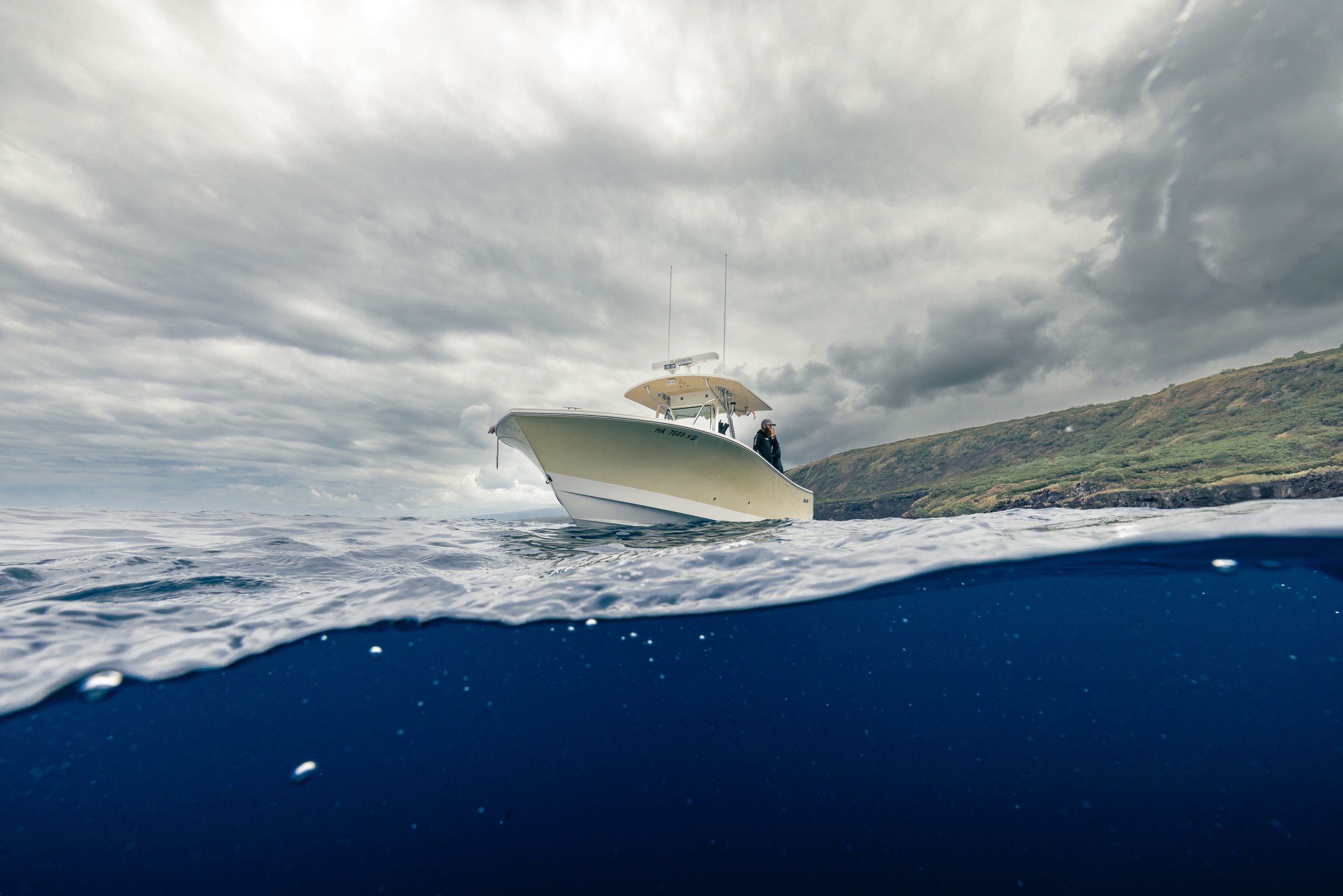 4
4Whale Watch
Kaloko's black-lava coastline and sheltered nearshore waters turn into a theater each winter as North Pacific humpback whales migrate to Hawaii to breed, calve, and sing. From quiet shoreline lookouts to small-boat outings into the deep-blue, whale watching here balances easy access with wild, intimate encounters. This guide focuses on how to maximize sightings, choose the right kind of trip, and pair whale watching with other Kona-coast experiences like snorkeling, coastal hikes, and cultural visits.
Explore whale watch → 5
5Dolphin
Kaloko’s shallow coves and offshore blue lanes are a living theater for spinner dolphins and their kin. This guide focuses on where and how to responsibly encounter dolphins from shore, kayak, or small boat, with practical timing, packing, and conservation-minded tips tailored to West Hawai‘i’s unique marine rhythms.
Explore dolphin → 6
6Scuba
Kaloko's shoreline stitches lava-rock complexity with shallow reef gardens and a living cultural landscape. For divers, it means easy shore entries into rich coral pockets, close encounters with honu (sea turtles), and access to boat charters that push farther to pelagic encounters—manta rays, spinner dolphins, and deep reef walls.
Explore scuba → 7
7Sightseeing Tour
Kaloko is a compact coastline of black lava, shallow anchialine ponds, and shoreline heiau that reads like a living map of Hawaiian history. Sightseeing tours here emphasize the interplay of geology and culture: short interpretive walks to fishpond remnants and petroglyphs, coastal drives that stop at cliffs and tidepools, and guided cultural tours that bring traditional fishing practices and stories to life. These are not long alpine treks but intimate, place‑based experiences where every stop rewards a close look and a listening ear.
Explore sightseeing tour → 8
8Fishing
Kaloko's shoreline compresses generations of Hawaiian coastal life into a short stretch of lava flats, fishponds, and reef edge—an intimate but varied fishing playground. From quiet morning shore casts to chartered half-day runs for tuna and mahi offshore, the area rewards planning, local knowledge, and a willingness to read wind and swell.
Explore fishing → 9
9Surf
Kaloko is a compact stretch of coastline where coral reefs, trade winds, and a living Hawaiian shoreline converge to create surf experiences that range from gentle learner waves to technical reef lines. This guide focuses on surfing around Kaloko: reading seasonal swell, picking the right break for your skill level, respecting cultural and environmental sensitivities, and planning a session that feels unmistakably Hawaiian.
Explore surf → 10
10Photography Tour
Kaloko is a compact but richly textured photographic landscape — blackened pahoehoe and a‘a lava carved by wind and sea, shallow anchialine pools reflecting big-sky light, and a coastline that stages luminous sunsets and seasonal whale passes. Photography tours here are intimate, movement-light experiences that emphasize timing, tide knowledge, and cultural sensitivity. Whether you’re framing long exposures of surf against jagged lava, low-angle portraits of honu (green sea turtles) hauled out on the rocks, or nightscapes of the Milky Way rising over an empty ocean, Kaloko rewards patient composition and local knowledge.
Explore photography tour →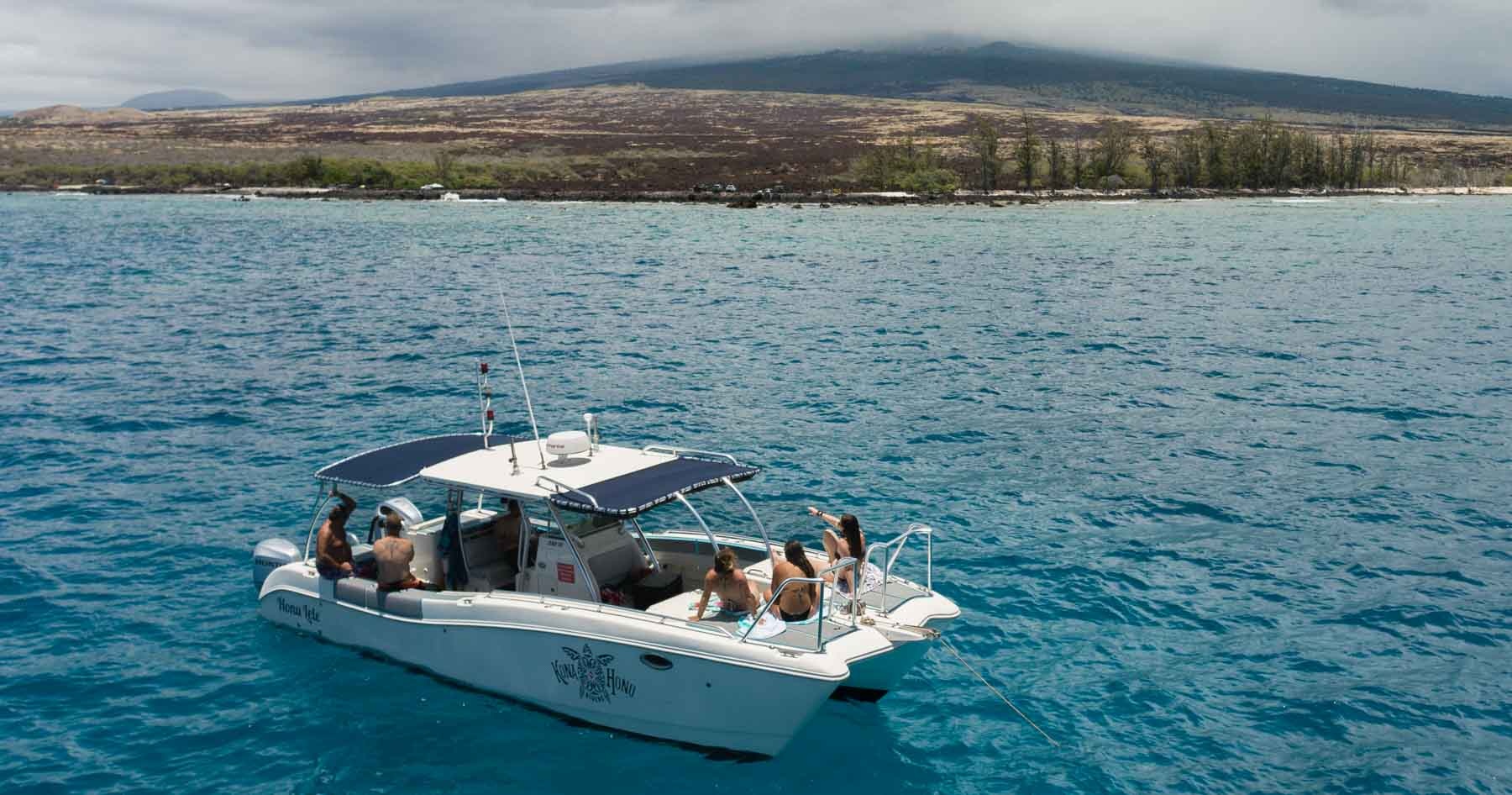 11
11Boat Rental
Kaloko’s short, lava-forged coast opens into broad blue water and reef-studded shallows that reward anyone who ventures out under their own power or with a rented boat. From calm morning paddle trips and glassy-hulled snorkeling charters to short motorboat hops to offshore reefs and seasonal whale-watching runs, Kaloko is compact, marine-rich, and steeped in cultural meaning. This guide helps you choose the right craft, plan around wind and swell, and pair a day on the water with snorkeling, fishing, or a shoreline visit to Kaloko-Honokōhau National Historical Park.
Explore boat rental → 12
12Eco Tour
Kaloko’s coastline is an intimate classroom: low, lava-scarred shorelines, an ancient loko iʻa (fishpond) that still teaches traditional Hawaiian aquaculture, and fringing reefs teeming with reef fish and honu (green sea turtles). Eco tours here focus on cultural ecology and marine stewardship—guided walks that decode tidal systems and communal land practices, snorkel trips that center reef health, and volunteer opportunities that connect visitors with local restoration projects.
Explore eco tour →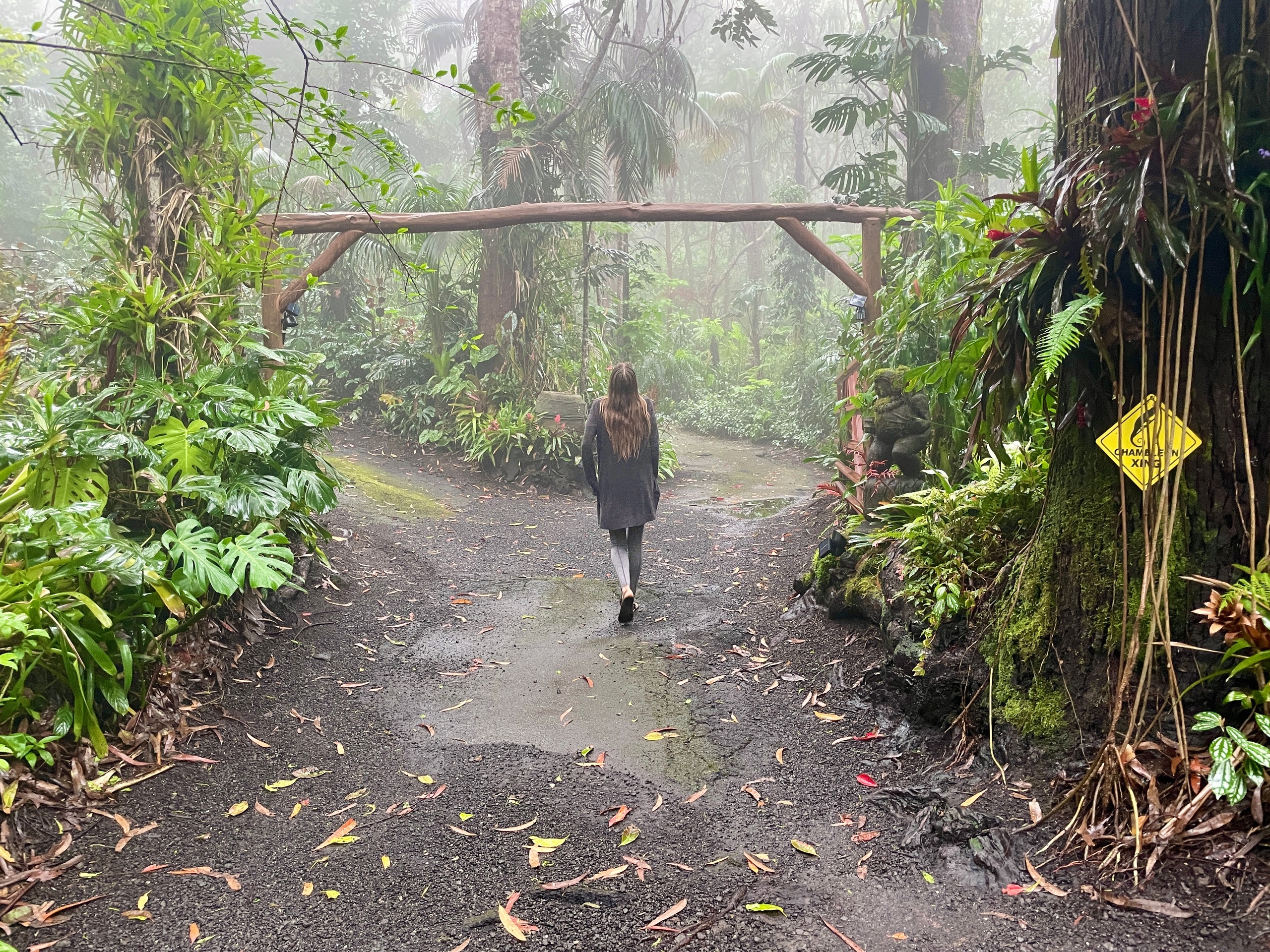 13
13Walking Tour
Kaloko’s walking tours are intimate lessons in coastal geology, Native Hawaiian history, and the slow, seaside choreography of birds and tide. Most routes peel away from busy Kona roads onto black-a'a lava, low coastal shrub, and boardwalks around reconstructed loko kuapa (fishponds). Guided cultural walks here prioritize interpretation — the stories behind trail alignments, the engineering of fishponds, and the protocols that protect sacred places — while self-guided loops let you read the place at your own pace. Expect short, contemplative walks of one to five miles, plus a handful of longer coastal rambles that require sturdy footing and a good sun hat.
Explore walking tour → 14
14Sailing
Kaloko's shoreline is a meeting place of steady trade winds, glassy bays, and deep-blue open ocean—a concise playground for sailors who want both easy, sheltered day sails and the option to push farther for snorkeling, sport fishing, or island-hopping. From smooth morning catamaran cruises to bareboat charters that trace the Kona coastline, Kaloko is an ideal base for sailors at every level looking to combine ocean time with Hawaiian culture and coastal exploration.
Explore sailing → 15
15Bus Tour
Kaloko’s coast reads like a layered story of lava, canoe landings, and shorelines where modern life meets deep-rooted Hawaiian practice. Bus tours here serve as both a practical connector and a narrative vehicle—economical ways to stitch together coastal views, cultural sites, and small-town Kona flavor. From narrated coastal loops that linger on anchialine pools and fishponds to boutique cultural tours that stop at sacred sites and local farms, Kaloko’s bus-based experiences are ideal for travelers who want the breadth of the region without the logistics of driving and parking.
Explore bus tour →The city and the sea
Why Kaloko Belongs on Your Adventure Shortlist
Variety without surrendering the day to long transfers.
Stand at the lava-ruffled edge of Kaloko and you can see how water and culture have always been inseparable here. Ancient Hawaiian fishponds—engineered to cradle young fish between reef and shore—meet modern boat ramps and coral gardens. The ocean is the primary road and the primary attraction: water activities thread the calendar from morning snorkels in sheltered coves to late-afternoon boat tours that follow light along the coastline. That duality—quiet shoreline exploration paired with high-energy sea days—makes Kaloko an excellent spot for both casual travelers and people building a tighter adventure itinerary. Kaloko's appeal is practical as well as poetic. Snorkeling and scuba are logical defaults: warm water, high visibility, and reefs that host tropical fish, green sea turtles, and seasonal visitors like humpback whales farther offshore. Boat tours and boat rentals turn the shoreline into an extendable playground—sailing or a rented skiff gives you access to untouched coves, while guided whale-watch and dolphin excursions offer a chance to observe marine life with local knowledge and safety in mind. For photographers, the combination of clear water, lava textures, and late golden light provides postcard-ready frames whether you’re on a photography tour or simply pacing the shoreline during sunset. Kaloko is also a practical base for anglers and surfers. Fishing charters launch from nearby harbors; surf breaks a short drive away reward skill and timing. For visitors who prefer to learn as they go, eco tours and walking- or sightseeing-tours fold cultural context into every stop—historic fishponds, native coastal plants, and the human stories behind them. Even bus tours and easy sightseeing options exist for travelers who want to sample rather than specialize. The result is an accessible coastal escape where you can stitch a day from snorkeling, a photography tour at golden hour, a late-afternoon whale-watch, and a relaxed walk through historical sites without sprinting from one attraction to the next. Finally, Kaloko’s microclimate and geography make planning straightforward. Trade wind afternoons can ruffle the surface but rarely wreck a morning snorkel; seasonality is gentle compared with continental ranges. Still, timing matters—mornings bring calmer seas for snorkeling and stand-up paddling, while the winter months host the best whale-watching. Pack reef-safe sunscreen, a basic snorkel kit or a mask and fins rental plan, and schedule your boat time for early in the day when conditions are most reliable. With that approach Kaloko rewards curiosity: it’s both a place to slow down and a launching pad for memorable, water-forward adventures.
Kaloko combines cultural interpretation with easy water access: short walking tours through fishpond areas illuminate Hawaiian aquaculture techniques, while nearby harbors stage boat-based adventures for snorkelers, divers, and anglers.
Logistics are simple: outfitters rent snorkel and dive gear, run whale-watch and dolphin trips, and can arrange boat rental or sailing charters. Shoulder seasons and weekday mornings reduce crowding at popular coves.
Conditions shape the day
The best time to visit Kaloko.
Kaloko sits on the leeward Kona coast: generally dry, sunny conditions with consistent trade winds in afternoon. Mornings are typically calmer and ideal for snorkeling, scuba, and SUP. Winter seas can be larger off exposed coastlines but bring the best chance to see humpback whales offshore.
Best all-around window
Spring + fall
Comfortable mixed-itinerary weather, thinner crowds at beaches and lookouts, and more room to improvise.
Beach season
December–April draws peak ocean wildlife viewing (humpbacks) and holiday travelers; book boat tours and charters early.
Surf + whales
Late spring through fall offers calmer seas, lower precipitation, and quieter coves—ideal for photography tours, diving, and DIY snorkeling.
Coast to inland
Cool marine mornings often give way to warmer inland afternoons and breezy evenings.
Beginner
Shallow, sheltered snorkeling spots, short walking tours of historical sites, easy sightseeing by car or bus.
- Morning snorkel in a calm bay
- Short walking tour of coastal fishpond areas
- Sightseeing or photography tour along the Kona shoreline
Intermediate
Longer boat-based snorkeling or scuba outings, guided dolphin or whale‑watch trips, light surf sessions when swells are small.
- Guided snorkel or introductory scuba boat tour
- Half-day fishing charter or boat rental
- Photography tour timed for golden-hour light on lava coastline
Advanced
Multi-site scuba diving, offshore fishing, surfing exposed reef breaks, or self‑guided sailing and extended boat trips.
- Certified scuba dives on offshore reef walls
- Full-day sportfishing charter
- Sailing or boat rental for multi-cove exploration
Field kit
What to bring.
Pack for sun, salt water, walking, and a meaningful temperature swing between coast and inland Kaloko.
Essential
Start here
- Reef-safe sunscreen and sun protection (hat, sunglasses)
- Snorkel mask and fins (rentals available) or well-fitting personal set
- Water shoes or reef booties for rocky shores
- Light layers and a quick-dry top for wind and sun
- Reusable water bottle and high-energy snacks for day trips
Water days
Keep it dry
- Rash guard for longer or choppier sessions
- Small dry bag for phone and keys on boats
- Compact first-aid kit and seasickness remedies if prone
- Underwater camera or action camera with float
Long days
Stay flexible
- Binoculars for distant whale and bird spotting
- Guidebook or app for reef fish and marine life identification
- Light snorkeling defog solution and mask strap
Insider note
Start early, then keep the geography tight.
Aim for first light for the calmest water and best visibility for snorkeling and scuba. Choose reef-safe sunscreen and avoid touching coral—local guides will brief you on protected areas. For whale or dolphin encounters, opt for licensed operators who follow marine mammal approach regulations. If renting a boat, verify local launch rules and tide charts; if you prefer to stay shore‑based, schedule photography tours for late afternoon light and pick shorter walking tours to balance sun exposure.
Good to know
Frequently asked questions.
Do I need a guide to snorkel or scuba in Kaloko?
No for basic snorkeling in sheltered coves if you’re comfortable in the water and check conditions. Choose a guided snorkel or scuba trip for boat-access sites, better wildlife chances, and safer reef practices.
When is whale watching best?
Peak humpback season is typically December through April. Boat tours and dedicated whale-watch trips maximize sightings and include local regulations to protect whales.
Are there restrictions around the fishponds and cultural sites?
Yes—respect posted signs and stay on designated paths. Many sites are protected for cultural and ecological reasons; guided eco- or walking-tours provide context and access without disturbance.
Ready when you are
Find the trip that fits your Kaloko day.
Compare bookable experiences across the coast, city, and mountains—then save the ones that belong in your plan.
Explore all Kaloko adventures ↗