
Jupiter adventure guide
Find your way into Jupiter.
Perched where the Intracoastal meets the Atlantic, Jupiter is a seaside laboratory for water activities—boat tours thread the inlet, scuba and snorkeling reveal coral gardens, and fishing charters leave at dawn. This guide stitches together boat rental, kayak outings, SUP mornings, and surf sessions with wildlife encounters and eco-tours so you can plan a day on the water or a week of mixed-sea adventures.
Three ways into the city
Pick a landscape. Build a day around it.
Jupiter is less a single destination than a collection of neighboring worlds. Start with the version of the city that matches your pace, then use the ranked guide below to fill in the details.

Begin where the city meets the sea.
Surf breaks, sheltered harbors, whale routes, and long beach paths make the coast LA’s most immediate outdoor playground.
Explore water activities →
Let a local connect the landmarks.
Use a guided city, walking, or sightseeing tour to turn LA’s sprawl into a coherent story.
Explore boat tour →
Ride the coast and the city.
Beach paths, river corridors, e-bikes, and ridge climbs reveal a more connected Los Angeles.
Explore bike rental →Choose your way into Jupiter
The top 15 Jupiter adventures.
Ranked by the number of currently listed trips. Each panel opens the complete local activity collection.
1Water Activities
Where the Loxahatchee's tannin-streaked river meets the Atlantic, Jupiter is a waterman's playground: paddling through mangroves at dawn, stalking flats on a skiff, dropping a line for sailfish offshore, or drifting above patch reefs on a snorkel. This guide focuses on the water—how to access it, what to expect, and how to plan everything from a calm SUP morning to a bluewater charter.
Explore water activities →2Boat Tour
Jupiter’s coast is a compact classroom of Atlantic marine life, historic inlets, and reef-studded seascapes best explored by water. From sunrise dolphin sightings in protected estuaries to offshore reef snorkeling and private sunset charters, boat tours here stitch together ecology, local history, and easy-access adventure.
Explore boat tour →3Bike Rental
Jupiter is a low-stress, high-sun cycling playground—flat, scenic, and threaded with coastline, riverfront, and quiet residential lanes. Whether you want a cruiser for a beachside spin, an e-bike to extend your mileage into neighboring preserves, or a hybrid for exploring waterfront greenways, the town’s rental scene serves casual riders and day-trippers who want to pair cycling with paddling, snorkeling, and lighthouse visits.
Explore bike rental → 4
4Scuba
Jupiter's coastline condenses the best of South Florida diving into short boat rides and an exceptional shore-diving scene. From the microscopic worlds on the tidal flats beneath Blue Heron Bridge to steep canyon walls and offshore reefs that attract larger pelagics, Jupiter is a year-round playground for divers who want variety—macro life, healthy reef structure, and occasional encounters with big fish—without long boat runs.
Explore scuba → 5
5Fishing
Jupiter is a saltwater angler’s playground—where tidal flats, mangrove-lined backcountry, lively inlets, and quick-access offshore canyons produce everything from sight-fished bonefish and snook to bluewater sailfish. This guide distills the best ways to fish the Jupiter coastline, with practical seasonality, terrain notes, and planning advice for chartered trips, DIY shore outings, and flats or fly-fishing adventures.
Explore fishing → 6
6Snorkel
Jupiter’s coastline threads warm Atlantic water with a patchwork of coral rubble, rocky outcrops, and expansive seagrass flats. Snorkel here for shallow reefs dotted with hogfish and angelfish, dramatic limestone ledges at Blowing Rocks to the south, and sheltered inlet pockets where juvenile fish school and rays glide. This guide focuses on what to expect in-water, how seasons and tides reshape visibility, and the practical choices—shore entry, guided boat, or kayak—that make a successful day of snorkeling around Jupiter.
Explore snorkel →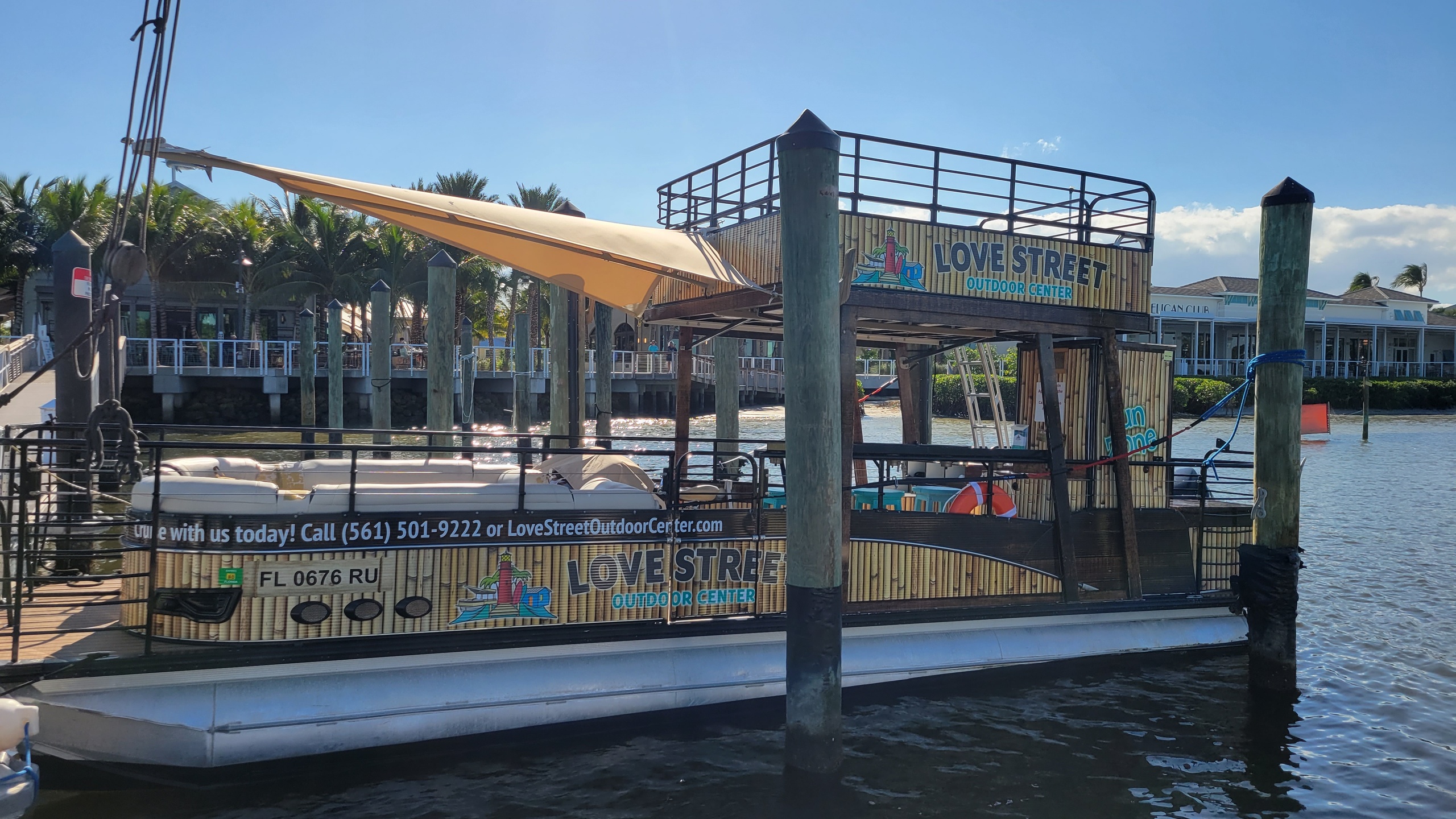 7
7Sightseeing Tour
Jupiter condenses the coastal Florida experience into a compact, highly watchable package: an iconic lighthouse silhouette, mangrove-lined inlets, sunlit beaches, and a persistent parade of dolphins and seabirds. These 29 sightseeing tours range from effortless harbor cruises and historic-walking excursions to eco-kayak trips through shadowy mangrove tunnels. This guide focuses on how to pick the right tour for your pace, when to go for the best wildlife viewing, and what practical choices—timing, craft, and kit—make a simple outing feel like an expedition.
Explore sightseeing tour → 8
8Environmental Attraction
Where the Atlantic meets a maze of mangroves and a wild river winds south, Jupiter is less a single attraction than a stitched landscape of living systems. This guide profiles the environmental highlights — from tide-swept beaches and seagrass flats to the protected Loxahatchee River and the iconic Jupiter Inlet Lighthouse — and explains how to experience them responsibly, whether you’re paddling a quiet tributary, snorkeling a nearshore reef, or joining a guided sea‑turtle walk.
Explore environmental attraction → 9
9Boat Rental
Jupiter is a boating town written in salt and tide—where the Intracoastal hugs a string of marinas and the Atlantic opens into nearshore reefs, wrecks, and dolphin-lined channels. Boat rental options here serve every appetite: quiet skiffs for low-key inlet cruising, center-consoles for reef fishing and offshore days, pontoon boats for family sunsets, and captained charters for visitors who want to skip the charts. Rent a boat and you unlock a patchwork of experiences—snorkeling shallow reefs at low tide, following a pod of spinner dolphins, casting for snook in mangrove-fringed creeks, or timing a dusk run to the lighthouse and back under a wide Florida sky.
Explore boat rental → 10
10Wildlife
A narrow band of barrier island, river marshes, and nearshore reef gives Jupiter outsized biodiversity: wintering manatees and migratory shorebirds, resident bottlenose dolphins, sailfish offshore, and sea turtles nesting on moonlit beaches. This guide focuses on where and how to see wildlife responsibly—by foot, kayak, boat, and on guided walks—so you can plan efficient outings that balance access, seasonality, and minimal disturbance to animals and habitat.
Explore wildlife → 11
11Eco Tour
Jupiter's coastline and waterways compress a huge variety of South Florida ecosystems—mangrove forests, seagrass flats, tidal creeks, and nearshore reefs—into short, accessible outings. Eco tours here emphasize close-up encounters with birds, manatees, turtles, and reef life, and pair easy access with high-interpretation guides who connect natural history to conservation.
Explore eco tour → 12
12Kayak
Jupiter is a paddler’s study in contrasts: glassy mangrove mazes and wide tidal rivers that thread into a chiselled inlet, plus Atlantic blue beyond the breakers. Whether you crave a wildlife-rich eco-tour through winding channels, a sunrise paddle beneath the iconic red-and-white lighthouse, or an adrenaline-tinged inlet crossing to the open ocean and reef, Jupiter’s kayak scene delivers focused, accessible adventures year-round.
Explore kayak → 13
13SUP
Jupiter’s coastline and estuaries make it one of Florida’s most forgiving—and wildlife-rich—playgrounds for standup paddleboarding. From glassy dawn laps through mangrove tunnels to wind-scoured inlet runs and shallow seagrass flats teeming with marine life, SUP in Jupiter delivers variety: calm flatwater for beginners, technical tide and wind reads for intermediates, and open-ocean access for experienced paddlers pursuing dolphins, sea turtles, and reef snorkeling stops.
Explore sup → 14
14City Tour
Jupiter's city tours combine salt-scented shoreline, storied lighthouses, and a compact downtown threaded by art, nature, and coastal history. Whether you're on foot, by bike, or gliding along the Intracoastal, tours here are intimate—short distances, big stories, and frequent wildlife sightings. This guide focuses on how to experience Jupiter through curated walks, boat- and kayak-based urban excursions, and themed culinary and history routes for every pace of traveler.
Explore city tour → 15
15Surf
A coastline of hard edges and shifting sand, Jupiter serves a rare mix: accessible beach breaks for learners and a legendary inlet/jetty system that produces powerful rights and hollow walls for experienced surfers. Close to Palm Beach's urban conveniences yet feeling distinctly salt-scraped and local, Jupiter is a place where morning glass, tide timing, and a single breaking set can define your day. This guide breaks down where to go, when to surf, what to pack, and how to thread safety, seasonality, and culture into an unforgettable Atlantic session.
Explore surf →The city and the sea
Why Jupiter Belongs on Your Coastal Adventure List
Variety without surrendering the day to long transfers.
Jupiter arrives like a good story told in tides. Salt-scrubbed air, the high-shouldered cone of the Jupiter Inlet Lighthouse, and a ribbon of beaches open to the Atlantic—these are the opening lines. But it’s the water that writes the plot: a mosaic of calm intracoastal channels, a living coral reef just offshore, and a working inlet where commercial and recreational boats converge. That variety turns Jupiter into a singular coastal playground where boat tour mornings might segue into afternoon dives, sunset SUP sessions, or an evening spent watching pelicans fish the flats. The town’s geography compresses a lot into a few miles. North of the inlet are rugged preserves like Blowing Rocks and tucked-away oyster bars; to the west the Loxahatchee River carves freshwater corridors lined with mangroves and wading birds. Offshore, a continental shelf steps down quickly, so scuba divers and snorkelers can reach reef topography and abundant marine life without a long transit—making day trips efficient and price-effective for travelers. Local operators lean into this, offering everything from eco-tour paddles that teach you about seagrass and manatees to blue-water excursions for pelagic fishing and reef dives. Jupiter’s culture is braided with its maritime roots. The lighthouse—an austere red sentinel built in the 19th century—anchors a community that still values seamanship and stewardship. You’ll find outfitters emphasizing sustainable practices: reef-safe sunscreen, catch-and-release fishing options, and permits for sensitive areas. That practicality is part of the town’s charm. It’s the sort of place where mornings are for getting on the water, afternoons for swapping tide and wind reports with locals, and evenings for low-key seafood and listening to the sea. For travelers, that mix of access and variety means you can build itineraries across activity types—boat rental and boat tour for sightlines, scuba and snorkel for marine life, kayak and SUP for quiet exploration, and guided eco-tours if you want deeper context on the region’s fragile habitats. From a planning perspective, Jupiter is obligingly simple: most outfitters are clustered near the inlet, transfers are short, and many experiences are suitable for mixed groups of skill levels. Yet the same waters that feel calm at dawn can get choppy in the afternoon sea breeze—so timing, local weather checks, and basic water-safety gear will elevate both comfort and safety. Whether you’re chasing the technical satisfaction of a reef dive or the gentle rhythm of a mangrove paddle, Jupiter rewards curiosity without demanding extreme commitment.
Access is the ace: short boat rides to good reefs, multiple put-ins for kayaks and SUPs, and a local fleet of charter captains make organizing outings fast. Because the scene skews water-first, calendar your trip around sea state—early mornings are calmer and visibility for scuba or snorkel tends to be best.
Balance your days: pair an eco-tour through estuaries with an afternoon fishing charter or a sunset surf session. Respect protected areas, use reef-safe products, and consider a licensed guide for offshore or deep-water trips to maximize sightings and safety.
Conditions shape the day
The best time to visit Jupiter.
Winters and spring (November–May) bring milder temperatures, calmer seas, and better underwater visibility—ideal for scuba, snorkel, and boat tours. Summer offers warm water for swimming and surfing but increases humidity, afternoon thunderstorms, and higher marine heat events.
Best all-around window
Spring + fall
Comfortable mixed-itinerary weather, thinner crowds at beaches and lookouts, and more room to improvise.
Beach season
December through April — popular with winter visitors and anglers; book charters and lodging well in advance.
Surf + whales
Late spring through fall holds lower prices and quieter beaches; consider mornings for diving and paddling to avoid afternoon storms and seas.
Coast to inland
Cool marine mornings often give way to warmer inland afternoons and breezy evenings.
Beginner
Short, guided activities with minimal equipment and low exposure to open ocean—good for families and new paddlers.
- Guided mangrove kayak tour on the Loxahatchee River
- Introductory SUP session in a protected bay
- Snorkel trip to shallow reef tops with a guide
Intermediate
Longer outings that require basic paddling, boat-handling, or open-water comfort—some navigation and tides awareness required.
- Half-day boat rental to explore Peanut Island and nearby shoals
- Morning surf session on a consistent beach break
- Guided fishing charter targeting inshore species
Advanced
Offshore excursions, technical reef dives, multi-day itineraries, and sport fishing that demand certification, experience, and tolerance for rougher conditions.
- Blue-water fishing charters for offshore gamefish
- Advanced scuba dives on deeper reef structure
- Extended coastal paddles with tidal planning and shuttle
Field kit
What to bring.
Pack for sun, salt water, walking, and a meaningful temperature swing between coast and inland Jupiter.
Essential
Start here
- Reef-safe sunscreen and sun-protective layers
- Light waterproof jacket for sea spray and afternoon breezes
- Water shoes or reef-safe footwear for rocky shorelines
- Reusable water bottle and heat-conscious snacks
- Basic first-aid, motion-sickness remedies, and waterproof phone case
Water days
Keep it dry
- Dry bag for phones, keys, and cameras
- Certified dive log or certification card for scuba trips
- Polarized sunglasses and brimmed hat for glare
- Compact binoculars for birding and coastal sighting
Long days
Stay flexible
- Underwater camera or action camera with float leash
- Wetsuit top or shorty for cooler months on dives
- Lightweight reef booties for snorkeling rocky areas
Insider note
Start early, then keep the geography tight.
Book dive and fishing charters early during winter season; mornings are reliably calmer for visibility and smoother crossings. Use reef-safe sunscreen and avoid anchoring on coral—ask charter operators about mooring buoys. For wildlife, approach quietly and avoid sudden movements; manatees and sea turtles are protected and should not be harassed. If you plan to fish, confirm license requirements and local catch limits. Finally, pack for variable conditions: bright sun, salty spray, and occasional evening coolness are all part of a day in Jupiter.
Good to know
Frequently asked questions.
Do I need a guide for snorkeling or kayaking?
No, many sheltered areas and beaches are safe for independent snorkelers and kayakers, but guided trips are recommended for first-timers, for visits to protected habitats, or when exploring tidal estuaries and offshore reefs.
Are there good spots for beginner surfers?
Yes—Jupiter has several beach breaks that work for learners depending on swell and wind. Check local surf reports and consider a lesson with a local instructor for safety and faster progression.
What wildlife might I see on eco-tours?
Expect shorebirds and wading birds, osprey and occasional eagles, manatees in protected channels, sea turtles nesting seasonally, and diverse reef fish offshore—dolphins are common on boat tours.
Ready when you are
Find the trip that fits your Jupiter day.
Compare bookable experiences across the coast, city, and mountains—then save the ones that belong in your plan.
Explore all Jupiter adventures ↗