
Imperial Beach adventure guide
Find your way into Imperial Beach.
A working surf town on the very edge of the continent, Imperial Beach condenses ocean rituals—sunrise paddles, pier walks, and salt-marsh birding—into a shoreline that still feels local. Use this guide to stitch quick coastal escapes into longer marine adventures: surf sessions, whale watches, snorkel and scuba outings, boat rentals, and gentle seaside bike rides.
Three ways into the city
Pick a landscape. Build a day around it.
Imperial Beach is less a single destination than a collection of neighboring worlds. Start with the version of the city that matches your pace, then use the ranked guide below to fill in the details.

Begin where the city meets the sea.
Surf breaks, sheltered harbors, whale routes, and long beach paths make the coast LA’s most immediate outdoor playground.
Explore water activities →
Let a local connect the landmarks.
Use a guided city, walking, or sightseeing tour to turn LA’s sprawl into a coherent story.
Explore boat tour →
Ride the coast and the city.
Beach paths, river corridors, e-bikes, and ridge climbs reveal a more connected Los Angeles.
Explore wildlife →Choose your way into Imperial
The top 15 Imperial Beach adventures.
Ranked by the number of currently listed trips. Each panel opens the complete local activity collection.
1Water Activities
Where the Pacific meets a broad sweep of sand and a rare coastal estuary, Imperial Beach is a place defined by surf, shorebirds, and tides that shape the day's plan. This guide focuses on the water activities that make Imperial Beach a compelling stop for paddlers, surfers, birders, and anyone who travels by tide and swell.
Explore water activities →2Boat Tour
Imperial Beach sits at the southern edge of California's coastline, a low-slung beach town where hard-working piers and boundless surf meet tidal wetlands and migratory bird corridors. Boat tours launched here are intimate by necessity: smaller vessels that navigate estuarine channels, seasonal whale routes, and the nearshore reef line. Whether you're chasing gray whales off the coast, scanning mudflats for avocets, or slipping past the backwaters of the Tijuana Estuary at dawn, the boat tour experience here blends wildlife observation, coastal ecology, and a working-shoreline character that feels distinctly San Diego—less polished tourist harbor, more local maritime neighborhood. Tours range from short birding cruises and sunset sails to private charters for fishing and marine-viewing, each offering a close-up of the coast's dynamic interplay of ocean, river, and human industry.
Explore boat tour → 3
3Sailing
Fringe beach town, broad horizons: Imperial Beach puts sailors within striking distance of protected estuary waters, open Pacific swells, and the busy but navigable approaches to San Diego Bay. The mix of sheltered launches and exposed coastal sailing makes the area an appealing classroom for learners and a testing ground for seasoned coastal cruisers.
Explore sailing → 4
4Sightseeing Tour
Imperial Beach condenses classic Southern California coastal sightseeing into a compact, human-scale experience. Here, low dunes and a broad pier frame a living estuary where migratory birds, surf culture, and cross-border history intersect. Sightseeing tours range from short guided bird walks along boardwalks to kayak trips that thread tidal channels, and from sunset pier strolls to bike-led promenade tours. The town's small footprint makes it ideal for half-day excursions that feel immersive without demanding hours of travel.
Explore sightseeing tour → 5
5Boat Rental
Imperial Beach is the South Bay’s low-key maritime gateway: a compact coastline where sand, surf, estuary and harbor meet. Boat rentals here are less about high-gloss marinas and more about access—easy put-ins, short runs to protected estuarine channels, evening cruises into pastel sunsets, and quick hops into San Diego Bay for skyline views. Whether you’re paddling a kayak through eelgrass beds, motoring a small electric skiff for birdwatching, or hiring a skippered charter for a sunset cruise, Imperial Beach offers approachable water time that feels local and immediate.
Explore boat rental → 6
6Scuba
Imperial Beach is a compact, working coastal town that punches above its weight for accessible shore diving in the Southern California Bight. This guide focuses on scuba experiences out of Imperial Beach—shore and pier entries, nearby kelp beds and sandy reefscapes, and practical guidance for diving in cool, dynamic Pacific coastal waters. Whether you're a local looking for quick access to the ocean after work or a visitor chaining shallow shore dives with a Coronado or Point Loma itinerary, Imperial Beach is a pragmatic base for temperate-water diving.
Explore scuba → 7
7City Tour
A compact, salt-scented town on the southern edge of San Diego County, Imperial Beach is built for slow, sensory city tours. Walkable shores meet working estuary habitat and a civic life that centers on surf culture, sunset rituals, and community gatherings. City tours here move at the pace of the tide: pier-side strolls, mural-and-coffee walks through local neighborhoods, guided birding at the estuary, and culinary crawls that highlight Baja-influenced seafood and casual seaside cafes.
Explore city tour → 8
8Fishing
Imperial Beach is a compact coastal town where surf, sandbars, and a protected estuary converge to create accessible, year-round fishing opportunities. From family-friendly pier and surf casting to estuary sight-fishing and nearby nearshore trips, this guide focuses on how to plan a successful day on the water in the southernmost stretch of San Diego County.
Explore fishing → 9
9Walking Tour
Imperial Beach and its low, open shoreline invite walking tours that move at the pace of surf and seabirds. From boardwalk promenades and estuary loops to interpretive coastal history strolls and sunset food-walks along Seacoast Drive, this compact beach town lets travelers string short walks into a day of discovery without long drives. Expect salt air, wide horizons, and a neighborhood that layers surf culture, borderland history, and migratory bird habitat within easy reach of downtown San Diego.
Explore walking tour → 10
10Surf
Imperial Beach is the South Bay's surf porch: a low-slung, working-class shoreline with consistent beach breaks, forgiving sandbars and a community-first surf scene. From mellow longboard rollers at the pier to punchy shorebreak when the swell aligns, the town is ideal for learners, longboarders, and surfers searching for windswept, uncrowded lineups a short drive from downtown San Diego.
Explore surf →11Wildlife
Where the ocean meets an urban borderland, Imperial Beach is a compact coastline that hosts a surprisingly diverse cast of wildlife. Long sand flats, tidal channels, salt marshes and a wide beach make it one of Southern California’s most accessible places to watch migratory shorebirds, raptors, terns, and the seasonal passage of whales offshore. This guide zeroes in on wildlife viewing—what you’ll see, when and where to go, and how to plan respectful, low-impact encounters with fragile coastal ecosystems.
Explore wildlife →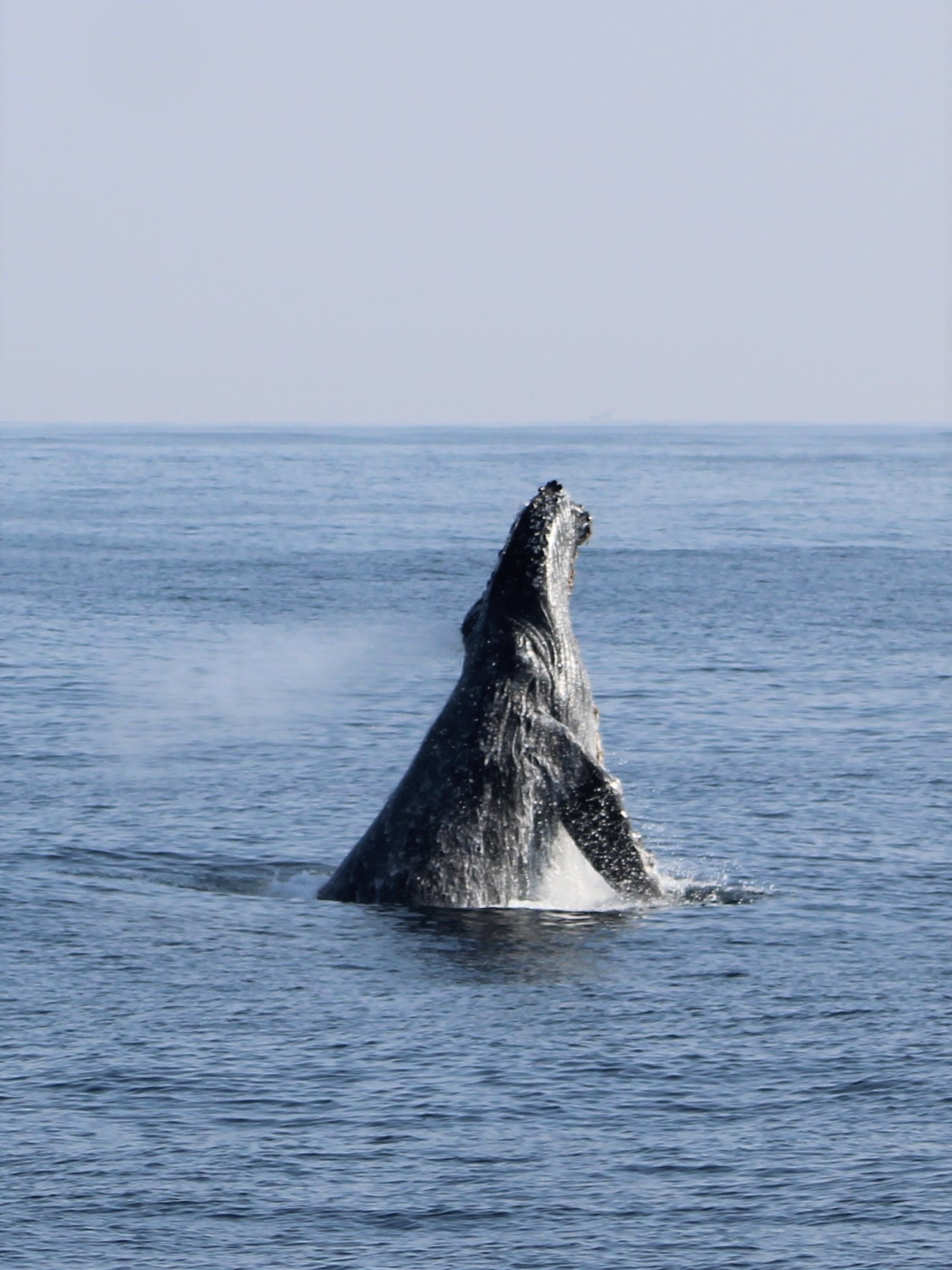 12
12Whale Watch
Imperial Beach sits at California’s southwestern edge where the shoreline points toward migrating giants. This guide focuses on whale-watching experiences that start from the sand, breakwater, and nearby launch points—shore-based spotting, nearshore cruises, and half- to full-day offshore trips. Expect close encounters during the gray whale migration in winter–spring and opportunistic blue and humpback sightings during warmer months. Practical tips, when to go, how to pack, and how to choose between a shore look and an ocean expedition are all included.
Explore whale watch → 13
13Bike Rental
Imperial Beach is a compact, salt‑sprayed seaside town built for pedaling. From leisurely cruiser rides along the pier to fat‑bike sand sessions and e‑bike assisted loops that link bay and ocean, the town’s rental shops and flat coastal routes make it an ideal place to rent a bike and explore at any pace.
Explore bike rental → 14
14Golf
Fringed by the Pacific and threaded with salt air and wind, Imperial Beach offers a coastal golf experience that leans less toward ceremony and more toward raw seaside play. Expect breezy seaside links, compact municipal layouts, and easy access to practice facilities — plus the chance to pair a round with surfing, birding, or a sunset stroll along the pier.
Explore golf → 15
15Snorkel
Stretching along the southernmost curve of San Diego County, Imperial Beach is more often known for its surf and long sandy shore than as a snorkeling mecca. Yet the shallow reefs, rocky outcrops near the jetty, and the tidal pools that gather around the pier and estuary mouths create approachable snorkel experiences for curious travelers. This guide focuses on how to make the most of snorkel outings here—when visibility is best, what to expect in terms of habitat and marine life, and the practical safety and environmental considerations that should shape every trip.
Explore snorkel →The city and the sea
Why Imperial Beach Belongs on Your Coastal Shortlist
Variety without surrendering the day to long transfers.
Imperial Beach sits like a weathered postcard at California’s southern tangle of sand and surf: a short, honest stretch of coastline where the Pacific meets salt marsh and the horizon keeps obvious secrets. Walk the pier before the sun fully clears the water and you’ll find people here in purposeful motion—early surfers paddling past kelp beds, fishermen rigging lines for the morning bite, birders trained on marsh edges where shorebirds wheel and feed. This is not a manicured resort coast; it is coastal life practiced in public, a place where small-town infrastructure—bait shops, rental stands, and informal break clinics—makes the ocean feel possible for nearly everyone. That accessibility is Imperial Beach’s charm. The town is a hinge between international influences and South Bay community rhythms, so your day can pivot from a quiet shoreline stroll to a boat rental for a sunset cruise, or from a beginner surf lesson to a guided whale-watch that follows the migration routes hugging the outer shelf. The nearby Tijuana Estuary and salt marshes counterbalance the surf with placid paddles and extraordinary wildlife: migratory shorebirds, raptors, and seasonal waterfowl concentrate here, turning short outings into rich natural history lessons. For people who love water activities—surfing, snorkeling, scuba, fishing, paddle sports—Imperial Beach works like a compact field school: you can sample a dozen ways to know the ocean in a single weekend. Practical pleasures matter here as much as the view. Bike rentals and oceanfront promenades invite slow exploration, and walking tours through the small business corridors reveal a cultural seam where local chefs, surf shops, and community arts intersect. For travelers who favor low-friction adventure—boat tours that start at a moment’s notice, same-day rentals, and short wildlife trips—the logistics are refreshingly simple. For those after deeper excursions—live-aboard-style scuba sites, extended fishing charters, or multi-day sailing—the region’s proximity to larger harbors and San Diego’s outfitting services means you can scale up an itinerary without relocating basecamp. Imperial Beach is not a single-activity destination; it’s a coastal mosaic. Lean into mornings on the water and afternoons on the strand. Time your visit for migrating whales or peak surf months if you chase seasons, or come in quieter shoulder months for long, inexpensive stretches of sand. Either way, the place rewards people who show up paying a little attention: watch tides, read the wind, respect the marshes, and you’ll leave with a sequence of small, exact memories—sea-salted wind, a sandwich eaten on a pier bench, a late afternoon paddling silhouette—that add up to a proper coastal trip.
Imperial Beach pairs do-it-yourself access with easy upgrade options: local rental shops put kayaks, SUPs, and beach bikes on the sand while nearby harbors supply diving and longer boat trips. If you want a guide for scuba, whale watching, or offshore fishing, San Diego operators are a short drive away.
The Tijuana Estuary and adjacent wetlands are some of the most intact coastal marshes in Southern California—bring optics for birding and expect photographers at first light. For surf, local breaks favor intermediate riders but give beginners protected spots for lessons; tides and wind matter more than equipment choices here.
Conditions shape the day
The best time to visit Imperial Beach.
Coastal Mediterranean climate: mild year-round with the warmest, sunniest days in late spring through early fall. Morning marine layer (June gloom) can linger into mid-morning in summer. Winter brings larger swells and cooler water—better for experienced surfers and whale-watchers.
Best all-around window
Spring + fall
Comfortable mixed-itinerary weather, thinner crowds at beaches and lookouts, and more room to improvise.
Beach season
Late spring through early fall draws weekend crowds, beachgoers, and peak rental demand—book lessons and rentals in advance on holiday weekends.
Surf + whales
Winter and early spring offer quieter beaches, better deals on lodging, and strong swell windows for advanced surfers.
Coast to inland
Cool marine mornings often give way to warmer inland afternoons and breezy evenings.
Beginner
Short, supervised sessions and easy-access shoreline experiences: gentle paddle zones, beginner surf lessons, bike rides along the strand, and guided city or walking tours.
- Intro surf lesson at a protected beach break
- Stand-up paddle in calm estuary in the morning
- Bike rental and leisurely ride along Silver Strand promenades
Intermediate
Longer outings and slightly exposed conditions: open-water snorkel loops, pier and bank fishing, intermediate surf breaks, and guided wildlife walks into marsh edges.
- Snorkel around kelp beds on a calm day
- Half-day boat rental for nearshore sightseeing
- Guided walking tour combined with birding at the estuary
Advanced
Techniques and endurance-focused experiences: surfing larger winter swells, offshore fishing charters, advanced scuba dives in kelp forests, and overnight sailing passages staged from regional harbors.
- Offshore fishing charter operating from nearby harbors
- Advanced cold-water scuba and kelp forest exploration
- Surf sessions on exposed winter swells (know the local breaks and conditions)
Field kit
What to bring.
Pack for sun, salt water, walking, and a meaningful temperature swing between coast and inland Imperial.
Essential
Start here
- Layered wind- and sun-protective clothing (coastal winds can be cool)
- Reef-safe sunscreen and a brimmed hat
- Daypack with water, snacks, and a lightweight towel
- Sturdy sandals or trail shoes for dunes and marsh boardwalks
- Binoculars for birding and wildlife on the estuary
Water days
Keep it dry
- Wetsuit or spring suit for cooler-water surf, snorkel, or scuba seasons
- Waterproof phone case or dry bag
- Compact surf/splash repair kit if you bring your own board
- Reusable water bottle and a small first-aid kit
Long days
Stay flexible
- Action camera with floating mount
- Compact spotting scope for birding
- Lightweight fishing gear for pier or shore angling
Insider note
Start early, then keep the geography tight.
Start early for light winds and glassy water—sunrise sessions often mean better surf and clearer snorkel conditions. Treat the Tijuana Estuary like a protected reserve: stay on boardwalks, give birds space during migration, and pack out trash. If you plan to rent boats or charter whales and fishing trips, compare same-day availability in town with bookings from larger nearby harbors—sometimes a short drive opens more options. Respect seasonal closures and signage at dunes and nesting sites, and choose reef-safe sunscreen for snorkeling and diving to protect kelp and marine life.
Good to know
Frequently asked questions.
Can I do most activities without a guide?
Yes — many activities like casual surf lessons, bike rentals, walking and city tours, and pier fishing are accessible without a guide. For offshore scuba, deep-water fishing, or technical sailing, a licensed guide or charter is recommended.
Are the beaches swimmable year-round?
Beaches are swimmable most of the year, but water temperatures are often cool and conditions change with tides and swell. Watch for posted signage, lifeguard recommendations, and rip-current warnings.
How do I plan a whale-watch or wildlife outing?
Seasonal whale-watching is best with a charter—operators in the greater San Diego area run migrations trips and nearshore cruises. For shore-based whale and wildlife viewing, check tide tables and look from elevated points and the estuary during migration windows.
Ready when you are
Find the trip that fits your Imperial Beach day.
Compare bookable experiences across the coast, city, and mountains—then save the ones that belong in your plan.
Explore all Imperial Beach adventures ↗