
Idaho Springs adventure guide
Find your way into Idaho Springs.
Perched in Clear Creek Canyon along I‑70, Idaho Springs is equal parts old‑school mining town and high‑country launching pad. In the space of a single day you can wander brick storefronts and ghost‑era artifacts, slip into a nearby hot spring, hike alpine ridgelines at first light, and paddle or raft Clear Creek when the river runs. This guide stitches walking tours and city history to hiking, climbing, water activities, and winter access to nearby ski zones—practical pointers and trip ideas so you can stack short urban outings with full mountain days.
Three ways into the city
Pick a landscape. Build a day around it.
Idaho Springs is less a single destination than a collection of neighboring worlds. Start with the version of the city that matches your pace, then use the ranked guide below to fill in the details.

Begin where the city meets the sea.
Surf breaks, sheltered harbors, whale routes, and long beach paths make the coast LA’s most immediate outdoor playground.
Explore water activities →
Let a local connect the landmarks.
Use a guided city, walking, or sightseeing tour to turn LA’s sprawl into a coherent story.
Explore walking tour →
Ride the coast and the city.
Beach paths, river corridors, e-bikes, and ridge climbs reveal a more connected Los Angeles.
Explore bike tour →Choose your way into Idaho
The top 15 Idaho Springs adventures.
Ranked by the number of currently listed trips. Each panel opens the complete local activity collection.
1Walking Tour
Idaho Springs is a compact, high-country town where history, geology, and river-born energy meet in walkable blocks and easy riverside paths. Walking tours here are intimate—short enough to fit between a coffee and a soak, but rich with mining-era architecture, interpretive plaques, public art, and mountain views. From gentle promenades along Clear Creek to steep historic-service roads that climb toward the hills, tours suit casual strollers and curious hikers alike.
Explore walking tour → 2
2Hiking
Idaho Springs is a compact alpine portal where old mining roads meet glacier-polished granite and high-country lakes. A short drive from Denver, the town gives access to quick runnable ridge climbs, short alpine scrambles, waterfall loops, and serious summit approaches on the Continental Divide. This guide focuses on hiking routes that start from or are easily reached via Idaho Springs, highlighting terrain, seasonality, and practical planning for every level of trail user.
Explore hiking → 3
3Climbing
A short, steep ribbon of canyon and alpine access makes Idaho Springs a concentrated climbing playground for Front Range visitors. From gritty single-pitch sport walls and pocketed trad lines to nearby alpine crags and winter ice options, the area is compact, accessible from Denver, and perfect for high-value day trips and short climbing-focused escapes.
Explore climbing → 4
4City Tour
Idaho Springs compacts Colorado’s gold-rush grit, alpine access, and small-town hospitality into a walkable downtown framed by Clear Creek. City tours here are as much about stories—mining booms, claim jumpers, and steam engines—as they are about the scenery. Expect short guided walks and self-guided routes that trace 19th-century architecture, roadside murals, and riverside promenades, plus easy add-ons like a hot springs soak or a scenic drive to Mount Evans. These tours are ideal for travelers who want a dense, history-forward experience without driving deep into the mountains.
Explore city tour →5Water Activities
Nestled in a canyon at the mouth of Clear Creek Valley, Idaho Springs is a small mountain town built on water—mining-era sluices, a brisk creek that threads the town, alpine tarns on nearby slopes, and naturally heated mineral pools. This guide focuses on water-based pursuits around Idaho Springs: short paddle outings, intro whitewater trips on Clear Creek, trout fishing in the creek’s calmer runs, cold alpine dips by St. Mary's Glacier, and restorative soaks at local hot springs. It’s a compact palette of wet-weather thrills and quieter river-side pursuits for travelers who want immediate access to water without a long drive.
Explore water activities →6Bike Tour
Idaho Springs sits where Colorado’s high-mountain spine meets the rush of Clear Creek—an outsized basecamp for both road and mountain bike touring. Rides range from technical singletrack in shaded canyons to sweeping alpine passes and century-style road loops that climb toward the Mount Evans plateau. This guide focuses on the bike-tour experience: terrain, seasons, logistics, and the local character that makes each pedal stroke matter.
Explore bike tour → 7
7Fishing
Nestled where the Front Range drops into the high mountain valley, Idaho Springs is a compact fishing hub built around the clear, fast-moving waters of Clear Creek and a scattering of nearby alpine lakes. This guide catalogs day-trip waters, pocket streams, and reservoir opportunities—gear- and season-specific advice to help anglers of all stripes find fish in a classic Colorado mountain setting.
Explore fishing → 8
8Bike Rental
Idaho Springs is a compact mountain town that punches above its weight for two-wheeled exploration. Minutes from Denver and set where the high Rockies tumble into the front range, it’s a gateway for riders who want quick access to gravel climbs, mellow riverside paved paths, and technical singletrack carved into Clear Creek Canyon. Bike rentals here are pragmatic: get a well-maintained mountain bike or e-bike for canyon rides, a gravel or road bike for scenic byways and climbs, or a fat-bike for winter days when the white world demands bigger tires.
Explore bike rental → 9
9Sightseeing Tour
Perched on the western flank of the Front Range, Idaho Springs is the compact, story-rich town you drive through and then wish you’d stayed longer. Sightseeing tours here condense Colorado’s mining-era grit, mountain geology, and high-country panoramas into half-day excursions: guided strolls through wooden storefronts and miners’ cabins, narrated drives up toward treeline and alpine tundra, and short interpretive visits to steam-powered relics and mine shafts. For travelers who favor seeing over slogging, Idaho Springs offers accessible, layered experiences that pair local history with dramatic mountain scenery.
Explore sightseeing tour → 10
10Ski
Idaho Springs sits at the hinge between Denver’s suburbs and the Continental Divide, a compact mountain town that punches above its weight for skiers. Use it as a base for quick laps at nearby Echo Mountain, early-morning drives to Loveland and Arapahoe Basin, or as the gateway to high-country backcountry objectives. This guide focuses on skiing experiences that start in or near Idaho Springs—from lift-served short days to ski-touring lines and snowfields within a short drive—paired with practical travel notes for timing, terrain, and logistics.
Explore ski → 11
11Lodging
Idaho Springs is a compact mountain town whose lodging scene punches above its size: historic inns and miner-era hotels rub shoulders with creekside cabins, family-run motels, and modern vacation rentals. Located on the I‑70 corridor a short drive from Denver and minutes from alpine trailheads and ski areas, the town functions as a lively basecamp for both short escapes and extended outdoor itineraries. This guide focuses on the lodging experience—what to expect from room styles, services, seasonality, and how each option positions you for nearby adventures along Clear Creek, the Mount Blue Sky Scenic Byway, and local hot springs.
Explore lodging →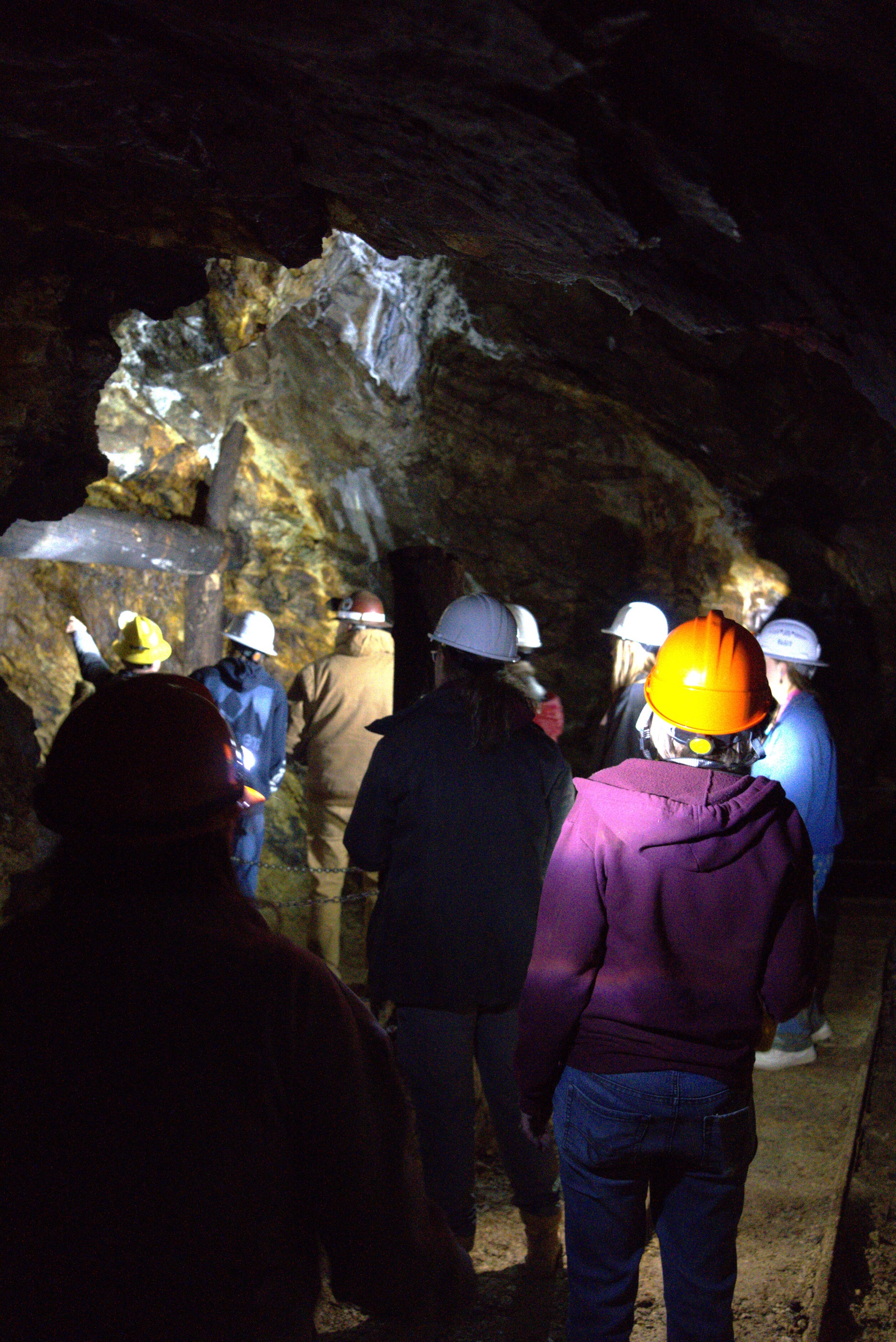 12
12Train
Nestled in the cleft of the Rockies along Clear Creek, Idaho Springs is a compact gateway to Colorado’s living railroad history. Train experiences here pair narrow-gauge nostalgia with sweeping canyon views and a direct line into the mining-era stories that shaped the region. Whether you’re after a short scenic ride, a steam-era reenactment, or a photo run past rugged cliffs and tunnels, Idaho Springs’ train offerings compress railroad romance and mountain access into day-trip friendly packages.
Explore train →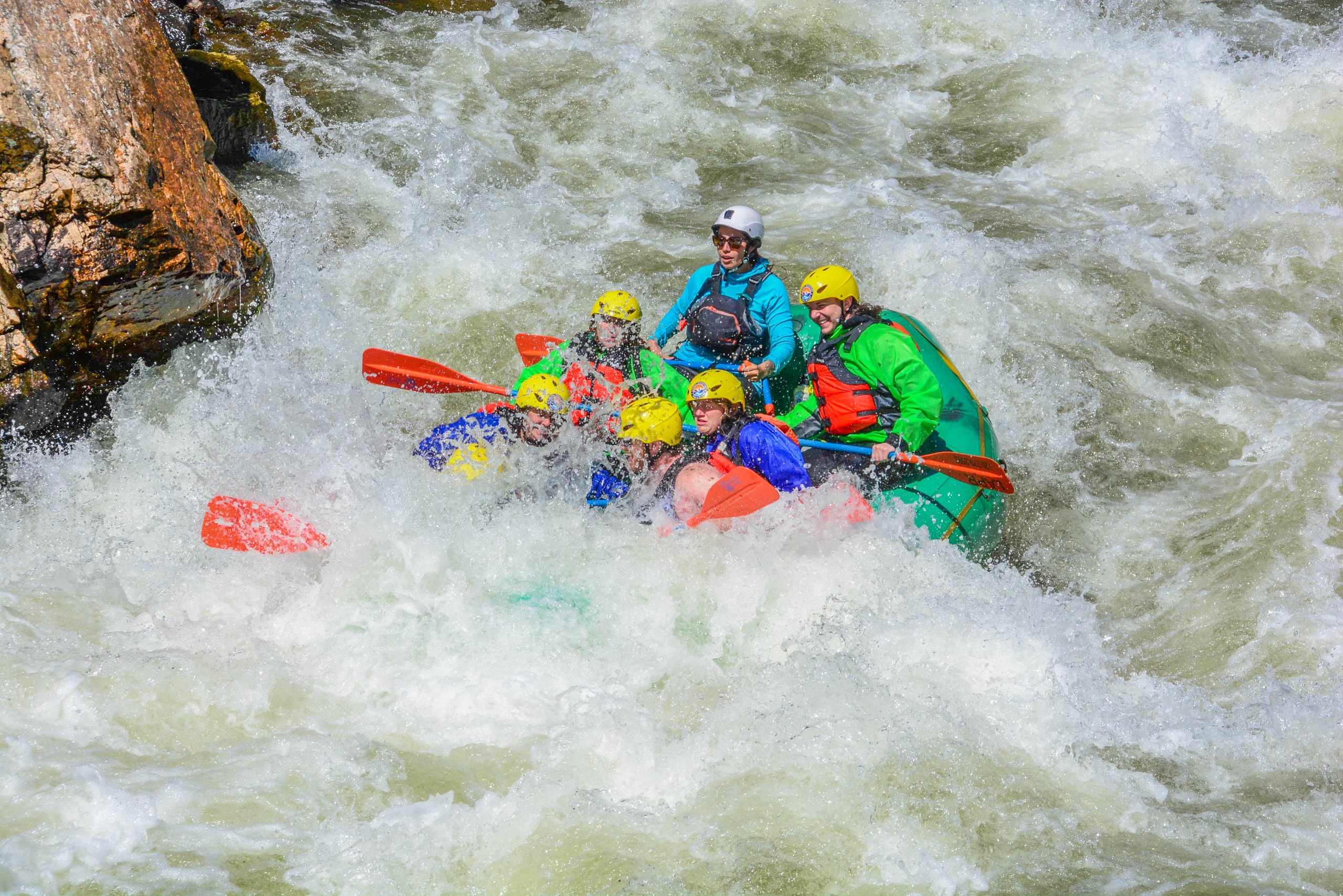 13
13Rafting
Tucked into a narrow canyon an hour west of Denver, Idaho Springs is where Front Range accessibility meets genuine mountain whitewater. Short, intense runs on Clear Creek deliver splashy half-day trips and family-friendly floats; higher flows unlock steeper, more technical rapids. This guide focuses on what makes rafting here distinct—tight canyon scenery, fast-changing flows, and an easy base in a historic mountain town—plus how to plan a safe, unforgettable day on the water.
Explore rafting → 14
14Boat Rental
Nestled in a steep canyon where Clear Creek threads its way down from the Rockies, Idaho Springs is an unexpectedly inviting base for waterborne adventures. Boat rentals here are compact and practical: the emphasis is on paddlecraft and easy-access pontoons that let you trade mountain air for close-up canyon water time without a long drive. Expect quick launches, alpine-tinged water, and the kind of scenery that pairs well with short excursions—perfect for half-day paddles, family floats, and as a complement to hiking and hot-spring stops on the I‑70 corridor.
Explore boat rental → 15
15Bus Tour
Idaho Springs sits in a narrow mountain throat where Clear Creek carves a route through granite walls and a past thick with gold-rush stories. Bus tours here compress a broad Colorado experience into hours: canyon geology, high-elevation overlooks, mining-era towns and industrial archaeology, and seasonal displays of alpine wildflower and fall color. For travelers who want the perspective of the road—safe, social, and interpretive—these tours trade the logistics of driving mountain roads for the kind of storytelling that makes narrow turns and steep grades feel like chapters in a landscape narrative.
Explore bus tour →The city and the sea
Why Idaho Springs Belongs on Your Adventure Shortlist
Variety without surrendering the day to long transfers.
Idaho Springs is one of those rare Western towns that still reads like a postcard while functioning as a practical gateway to high-country adventure. A century of miners, rail crews, and mountain guides has left a compact downtown of brick facades and hearty taverns where you can compare route beta over coffee before you head up Clear Creek Canyon. In the space of a single sunrise you can swap a walking tour of historic sites for a half-day hike into forested ridgelines; by afternoon the same valley offers paddling and guided rafting on Clear Creek when flows are right. The town’s scale is a strength—your shuttle, guide, outfitter, and rental shop are often within a few blocks—so it’s easy to stitch together a bike tour, a short rock session at a local crag, and an evening train ride on the Georgetown Loop nearby without losing precious daylight. Geography does the rest. Idaho Springs sits at the transition between shoulder forests and alpine bowls; that means quick access to varied terrain. One morning you’ll be moving on singletrack and talus slopes; the next you might be navigating a mellow Clear Creek float or casting a line where brook and runoff collect. For climbers, compact granite outcrops and sport lines are minutes from downtown. For hikers, there are steep ridges that give big Colorado views without the all‑day commitment. And when winter arrives, the corridor becomes a practical base for nearby ski areas and snowshoe routes, with the bonus of quieter lodging and a small‑town après scene. This guide blends the practical—where to rent a bike, how to time your river trip, what to pack for a high‑altitude day—with the sensory: the creak of an old rail trestle, the citrus of mountain air after storm, the hiss of a river through the canyon. Whether you’re planning a long weekend of multi‑sport sampling or a focused climbing or hiking trip, Idaho Springs rewards sensible planning and curiosity. Expect altitudinal weather swings, busy pullouts on summer weekends, and a local community that’s setup to serve day‑visitors and multi‑day explorers alike. Use the walking tours and city‑history stops to orient yourself, then push into the surrounding public lands for the kinds of views that make the drive from Denver feel worth it.
Scale and access are Idaho Springs’ superpowers: trailheads, outfitters, and river put-ins line the canyon and many services run seasonally to match high flows and ski operations.
Pair short, culture‑rich downtown loops with longer outdoor outings—walking tours and city tours make great buffers for travel days and help orient you before technical or remote adventures.
Conditions shape the day
The best time to visit Idaho Springs.
Late spring through early fall is best for hiking, biking, and water activities; heavy snow can close higher roads in winter but opens access for ski and snowshoe trips. Afternoon storms are common in summer—start early for long routes.
Best all-around window
Spring + fall
Comfortable mixed-itinerary weather, thinner crowds at beaches and lookouts, and more room to improvise.
Beach season
Summer weekends draw day‑trippers from Denver; holiday weekends are busiest—arrive early or plan weekday outings.
Surf + whales
Late fall and winter offer lower lodging rates and quiet streets; use it for snowshoeing, local ski area access, and off‑peak cultural visits, but check road and trail conditions.
Coast to inland
Cool marine mornings often give way to warmer inland afternoons and breezy evenings.
Beginner
Short, well‑marked trails, town walking tours, mellow river floats, and scenic drives that require minimal technical skill.
- Historic walking tour and downtown sightseeing
- Short valley hikes and viewpoint strolls
- Gentle guided raft or float on calm river sections
Intermediate
Longer day hikes with moderate elevation gain, half‑day rafting runs, approach climbs and guided multi‑sport outings.
- Ridgeline hikes above Clear Creek with moderate exposure
- Guided rafting trips on higher flow days
- Bike tours on canyon roads and gravel connectors
Advanced
Technical climbs, long alpine days, and multi‑day backpacking or high‑altitude mountaineering that require solid route‑finding and conditioning.
- Technical crag climbing and multi‑pitch routes
- Full‑day alpine traverses on nearby high peaks
- High‑flow whitewater runs with experienced guides
Field kit
What to bring.
Pack for sun, salt water, walking, and a meaningful temperature swing between coast and inland Idaho.
Essential
Start here
- Layered clothing for changing mountain temperatures
- Daypack with water (or a water filter) and high‑energy snacks
- Sun protection (hat, SPF 30+, sunglasses)
- Sturdy hiking shoes or approach shoes for mixed terrain
- ID and travel insurance info for guided trips
Water days
Keep it dry
- Light rain shell for pop‑up storms
- Traction device or microspikes if venturing to early‑season snowfields
- Lightweight shell for river spray on rafting or boating days
- Portable phone charger and offline map or GPS
Long days
Stay flexible
- Wading shoes for fishing or shallow river access
- Binoculars for canyon and ridge wildlife viewing
- Small dry bag for phones/keys during water activities
Insider note
Start early, then keep the geography tight.
Start early to beat canyon traffic and afternoon storms, especially in summer. If you need rentals or a shuttle, book in advance for weekends. Use town services—fuel, outfitters, and guides—so you can travel light into the backcountry. Respect private land and old mine sites; many historic areas are fenced or posted. For winter trips, check snow reports and bring traction or skis appropriate for conditions. Finally, pair an afternoon cultural loop—walking tour or Georgetown Loop train—with a morning hike to make the most of short daylight windows.
Good to know
Frequently asked questions.
Can I do most activities without a guide?
Yes for many hikes, walking and city tours, and mellow fishing. Choose a guide or outfitter for whitewater rafting, technical climbing, or unfamiliar high‑altitude routes.
Are outfitters available for rafting and bike rentals?
Yes—several local shops offer rafting, boat and bike rentals, plus shuttles. Availability is seasonal and tied to river flows and summer demand.
How should I manage altitude?
Take it easy on arrival day, hydrate, avoid heavy exertion for the first 12–24 hours if you’re coming from low elevation, and plan shorter routes while you acclimate.
Ready when you are
Find the trip that fits your Idaho Springs day.
Compare bookable experiences across the coast, city, and mountains—then save the ones that belong in your plan.
Explore all Idaho Springs adventures ↗