
Ho'olehua adventure guide
Find your way into Ho'olehua.
Ho'olehua is Molokaʻi's low-key launchpad for water-driven days and wide-sky evenings. This guide stitches together the island's best Water Activities—snorkeling on fringing reefs, small-boat Whale Watch excursions in season, surf outings off windward points, and off-the-grid scuba trips guided from neighboring harbors. Expect kayak and SUP paddles across sheltered coves, e-bike and bike-rental loops around pastoral roads, and easy to rugged hiking into valleys and sea cliffs. For travelers seeking deliberate, uncrowded adventure—boat tours that feel private, eco tours keyed to native ecosystems, and sight-seeing that trades crowds for scale—Ho'olehua and greater Molokaʻi deliver a rare, restorative Hawaiian pace.
Three ways into the city
Pick a landscape. Build a day around it.
Ho'olehua is less a single destination than a collection of neighboring worlds. Start with the version of the city that matches your pace, then use the ranked guide below to fill in the details.

Begin where the city meets the sea.
Surf breaks, sheltered harbors, whale routes, and long beach paths make the coast LA’s most immediate outdoor playground.
Explore water activities →
Let a local connect the landmarks.
Use a guided city, walking, or sightseeing tour to turn LA’s sprawl into a coherent story.
Explore boat tour →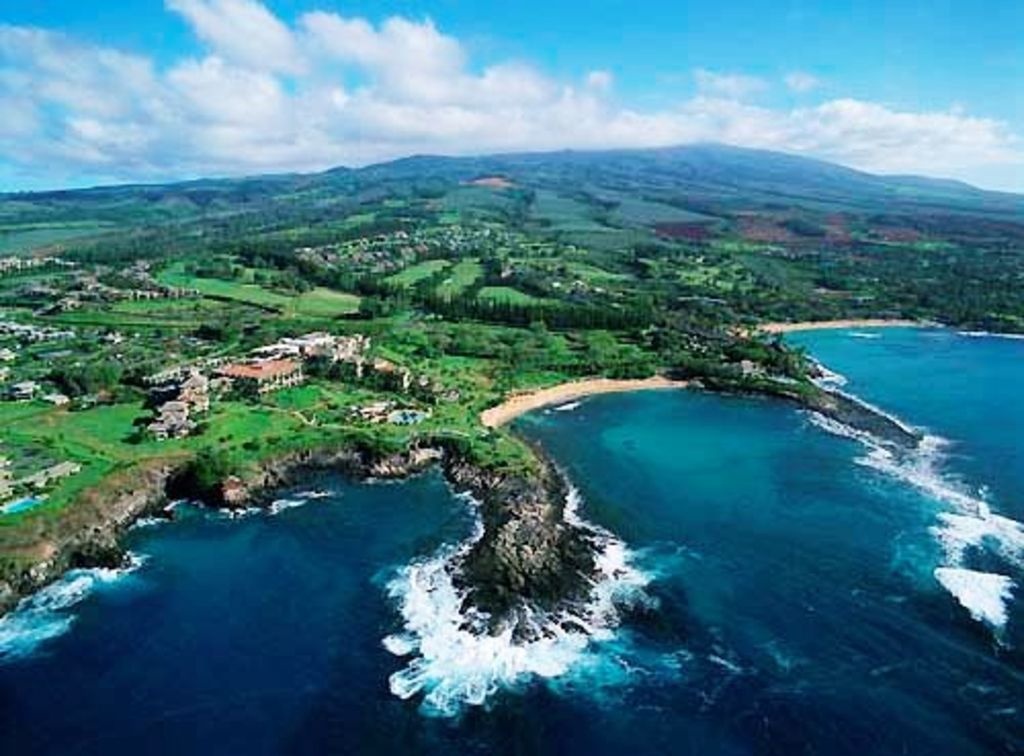
Ride the coast and the city.
Beach paths, river corridors, e-bikes, and ridge climbs reveal a more connected Los Angeles.
Explore e-bike →Choose your way into Ho'olehua
The top 15 Ho'olehua adventures.
Ranked by the number of currently listed trips. Each panel opens the complete local activity collection.
1Water Activities
Ho'olehua sits at the heart of Molokai's quieter island life, a gateway not to crowded tourist marinas but to an intimate palette of ocean experiences: clear nearshore reefs, wind-sheened paddle runs, seasonal swell lines, and a cultural seascape shaped by generations of fishermen and ocean stewards. This guide focuses on water activities accessible from Ho'olehua—snorkeling in sheltered bays, stand-up paddleboarding along calm mornings, coastal kayak runs, and small-boat trips that honor both safety and local customs.
Explore water activities → 2
2Snorkel
Ho'olehua sits at the geographic heart of Molokai, a low-key launching point for underwater explorations that reward those willing to leave busy Hawaiian hubs behind. Snorkeling from shore and by small boat reveals coral gardens, sea turtles, and colorful reef fish in pockets of protected water—while much of the coastline remains wild, wind-swept and locally governed. This guide focuses on the snorkel experience around Ho'olehua: how to reach the best entry points, when conditions calm, what to pack for safety and stewardship, and how to pair a snorkeling day with cultural, hiking, or kayaking outings on Molokai.
Explore snorkel →3Boat Tour
Ho'olehua is the pragmatic gateway to Molokai’s maritime wonders—small, unhurried, and ideally placed for boat-based explorations of towering sea cliffs, historic shorelines, and biodiverse reef systems. This guide breaks down the boat-tour experiences that matter here: what the water feels like, how to prepare for swell and sun, and how to align your expectations with Molokai’s intentionally quiet rhythm.
Explore boat tour → 4
4Surf
Ho'olehua is a quiet gateway to Molokai's surf — a place where trade winds, reef contours, and Pacific swells combine to produce conditions that reward local knowledge and careful planning. This guide focuses on surfing around Ho'olehua: how seasons shape the surf, what conditions to expect, safety realities of reef and shore breaks, and how to prepare for a low-key but richly rewarding island surf experience.
Explore surf → 5
5Scuba
Ho'olehua sits inland on Molokai's broad central plain, but it is the island's quiet shorelines and small-boat ramps—within a short drive—that make this little community a practical base for scuba explorers. Expect uncrowded reefs, clear water windows, and encounters with reef fish, turtles, and seasonal pelagics. This guide focuses on planning dives from Ho'olehua: local operators, shore-versus-boat trade-offs, conditions, and how to move between calm leeward coves and deeper drop-offs that define Molokai diving.
Explore scuba → 6
6Whale Watch
Ho'olehua sits on Molokai's gentle plains, a quiet staging ground for ocean-centered adventure. Whale watching here is intimate: winter humpbacks migrate close to the island's north shore, and from small-boat tours to respectful shore vantage points, encounters feel personal and unhurried. This guide focuses on how to see whales responsibly, when to go, what to bring, and how to combine a sighting with kayaking, snorkeling, and cultural experiences on Molokai.
Explore whale watch → 7
7Kayak
Ho'olehua sits at the quiet heart of Molokai, and from this island's low-key hubs you can step into some of Hawai'i's most raw and uncrowded paddling. Kayaking here is an exercise in scale—long, lean beaches, coral gardens that glow beneath translucent water, and the vertiginous sea cliffs of Kalaupapa that read like a geological cathedral. Expect days shaped by trade winds and tide lines, evenings scented with ironwood and salt, and paddles that often blend wildlife-watching with a generous measure of solitude.
Explore kayak → 8
8SUP
Ho'olehua unlocks a different kind of Hawaiian water day: low-key, reef-sheltered paddling where the rhythm of the sea and the island's quiet cultural presence shape the experience. This guide zeroes in on stand-up paddleboarding (SUP) around Ho'olehua—flatwater explorations, sheltered coastal runs, and the occasional downwind run when conditions allow—emphasizing respect for local ecology and community while giving you practical route, gear, and seasonal guidance.
Explore sup →9E-Bike
Ho'olehua sits on Moloka‘i's broad leeward plain—an open, wind-swept landscape that transforms the simple act of pedaling into a low-effort, high-scenery expedition when you add an e-bike. Expect wide plantation roads, hard-packed coastal lanes, and quiet country stretches framed by kiawe trees and distant sea cliffs. This guide zeroes in on e-bike-specific logistics, trail and road types, seasonal wind and heat factors, and the best loops and guided options to experience Moloka‘i’s unique rural coastline without overexertion.
Explore e-bike → 10
10Bike Rental
Ho'olehua sits on Molokaʻi's broad central plain—a place of slow light, grazing cattle, and big, steady trade winds. For riders, that openness is the attraction: long, low-traffic lanes, red dirt ranch roads, and coastal stretches reachable by a day of pedaling. Bike rental here is less about urban shortcuts and more about island-scale perspective: rent a cruiser, gravel, or e-bike and turn a half-day into a shoreline reconnaissance or a full-day loop through ranchcountry, surf breaks, and the quiet neighborhoods that give Molokaʻi its pace.
Explore bike rental → 11
11Hiking
Ho'olehua sits in Molokai’s broad central plain — an understated gateway to a handful of hiking experiences that feel removed from Hawaii’s busier islands. From windswept ranch roads and dryland ridgelines to wet forest preserves and culturally guided valley walks, hiking here blends stark open-country quiet with moments of dramatic cliffs and native forest. Expect low visitation, variable microclimates, and trails that reward patience and preparation.
Explore hiking → 12
12Dolphin
Ho'olehua sits inland on Molokai, but the island's fringe of reefs and relatively uncrowded waters make it a quietly exceptional place for dolphin encounters. This guide focuses on dolphin-centered experiences—boat-based sightings, swim-with and snorkel trips, kayak approaches, and shore-based watching—framed by practical advice about weather, safety, and responsible wildlife interaction. Expect vivid mornings, quick boat runs to offshore pods, and the kind of low-key Hawaiian hospitality that keeps the marine life relaxed and the encounters authentic.
Explore dolphin → 13
13Eco Tour
Ho'olehua sits on Molokai's central plateau, a place where lowland dry forests, small-scale kalo patches, and ranching mosaics meet the kind of quiet that invites slow, observant travel. Eco tours here are intimate by design: small groups, local guides, and experiences that stitch cultural history and ecological restoration into a single walk. Whether tracing native plant recovery, visiting working loʻi (taro terraces), or joining a hands-on restoration morning, these outings are as much about learning to see the landscape as they are about sightseeing.
Explore eco tour → 14
14Sightseeing Tour
Ho'olehua sits at the geographic and cultural center of Molokai: a low-slung town folded into wide pastures, kiawe-scented winds, and a shoreline that feels privately owned by every passing cloud. Sightseeing here is low-key but profound—guided ranch drives, cultural farm visits, birding walks, and coastal boat trips that reveal a working island where sea cliffs and sacred sites are threaded together by intimate, small-group tours. This guide curates twelve of the best ways to see Ho'olehua up close, emphasizing local knowledge, environmental sensitivity, and experiences that pair storytelling with accessible outdoor movement.
Explore sightseeing tour → 15
15Bike Tour
Ho'olehua is the quiet backbone of Molokai cycling: wide, open skies, long straight roads through pasture and coastal plain, and the wind as a constant training partner. This guide highlights approachable backroad loops, cultural rides through paniolo (Hawaiian ranch) country, and coastal stretches that pair easy pedaling with vast Pacific views. Expect raw island landscapes, limited services, and an experience that favors slow, intentional travel over high-octane adventure.
Explore bike tour →The city and the sea
Why Ho'olehua and Molokaʻi Belong on Your Adventure Shortlist
Variety without surrendering the day to long transfers.
Settle into a rhythm that feels older than tourism: Ho'olehua isn’t about high-volume attraction clusters but about a handful of elemental experiences done well. On Molokaʻi, the ocean is a neighbor more than a backdrop—its reefs and channels define daily life. Water Activities here mean clear, shallow reef gardens for snorkeling, quiet boat tours that emphasize reef health and native birdlife, and patient Whale Watch trips when humpbacks pass by in winter. Surf is possible at exposed breaks for experienced riders, while nearby coves offer flatwater conditions ideal for SUP and kayak exploration. Scuba happens from small, local operations rather than large dive fleets, and the island’s conservation-minded eco tours frame every outing in biological context: what corals and fish you’re seeing, why the nearshore ecosystems are fragile, and how small choices protect them. Beyond the sea, Molokaʻi’s character is agricultural and aloha-driven: bike rentals and e-bikes make it possible to thread quiet roads past pastureland and tide pools; bike tours unwrap cultural and historical layers that aren’t visible from a rental car window. Hiking here ranges from short coastal walks that end at wide, wind-swept beaches to deeper valley treks into Halawa, where waterfalls and taro loʻi hint at island life passed through generations. Sightseeing tours alternate viewpoints—cliff perches with wide ocean sweep—against up-close encounters with dolphins and seasonal seabirds. For travelers who value slow itineraries, Molokaʻi rewards a practice of single-focus days: a morning snorkel and afternoon reef-rest, a day of surfing followed by a sunset e-bike loop. The island’s size and limited development mean activities skew toward small-group or private formats: boat tours and scuba excursions often sell out on particular days, and eco tours are run by operators invested in local stewardship. If your trip prioritizes authentic contact with place—no rush, no crowds, just conversation and scope—Ho'olehua offers a rare Hawaiian counterpoint to busier islands.
Ho'olehua’s access is intentionally simple: a short flight or ferry links Molokaʻi with its neighbors, and once on island, a gentle network of paved and packed-earth roads opens beaches, put-ins, and trailheads. Outfitters in and near Ho'olehua focus on small groups, which keeps water-based activities like snorkel and kayak tours intimate and low-impact.
Pair active days with local culture. Food trucks, family-run ʻohana farms, and community events give context to the land and sea. Book guided Whale Watch and scuba outings in advance during winter months, and plan surf sessions around local knowledge to save time and respect conditions.
Conditions shape the day
The best time to visit Ho'olehua.
Molokaʻi is mild year-round. Late spring and early fall offer the calmest seas and lower trade-wind intensity—ideal for snorkeling, kayaking, and boat tours. Winter brings larger swell on exposed shores but also consistent whale activity offshore.
Best all-around window
Spring + fall
Comfortable mixed-itinerary weather, thinner crowds at beaches and lookouts, and more room to improvise.
Beach season
Winter months (November–March) draw visitors for whale watching and surfing at exposed breaks—book guided outings and small-boat tours ahead of time.
Surf + whales
Summer shoulder months can be quieter and warmer with excellent visibility for snorkeling and scuba; midweek visits yield the greatest sense of solitude and value on Molokaʻi.
Coast to inland
Cool marine mornings often give way to warmer inland afternoons and breezy evenings.
Beginner
Gentle, low-commitment outings: short, shallow snorkel sites, calm SUP paddles in sheltered coves, relaxed e-bike circuits, and easy coastal walks.
- Guided shallow-reef snorkel near Molokaʻi's beaches
- Intro SUP session in a protected bay
- E-bike rental for a scenic loop to Papohaku Beach
Intermediate
Longer outings and moderate exposure: offshore boat tours, multi-hour kayak or SUP crossings with light wind, guided scuba for intermediate certs, and mid-length hikes into accessible valleys.
- Half-day kayak excursion to quieter shorelines
- Guided scuba dive on a fringing reef
- Bike tour that includes historic town stops and shoreline riding
Advanced
Conditions-demanding activities that require experience: open-ocean surf, advanced boat-based scuba, extended sea crossings, and technical valley hikes with stream crossings.
- Surf session at exposed windward breaks (local knowledge required)
- Advanced drift or deep scuba dives arranged by local operators
- Full-day coastal paddle with changing conditions and tidal navigation
Field kit
What to bring.
Pack for sun, salt water, walking, and a meaningful temperature swing between coast and inland Ho'olehua.
Essential
Start here
- Reef-safe sunscreen (non-nano zinc oxide recommended)
- Light long-sleeve sun shirt and wide-brim hat for wind and sun
- Swimwear and reef shoes for rocky put-ins
- Dry bag for phone, wallet, and spare layers on boats
- Reusable water bottle and snacks—services can be sparse between stops
Water days
Keep it dry
- Light wind shell for open-boat and ridge exposure
- Mask, snorkel, and fins if you prefer your own gear for snorkeling
- Compact first-aid kit and blister care for longer bike or hike days
- Personal flotation device if kayaking or SUPing and one isn't provided
Long days
Stay flexible
- Binoculars for dolphin and whale spotting
- Underwater camera or action cam with float leash
- Trekking poles for steeper valley trails
Insider note
Start early, then keep the geography tight.
Start early to catch calm water and softer winds—mornings are the best window for snorkeling, kayak and SUP outings. Respect private land and agricultural areas; many scenic spots sit near pastureland or family farms. Choose reef-safe sunscreen and avoid touching coral or marine life. For Whale Watch and dolphin encounters, book with licensed local operators who prioritize animal welfare. Pack water and snacks; services around Ho'olehua are limited compared with larger Hawaiian islands. Finally, plan at least one day for slow exploration—an easy beach morning, a visit to a local market, or a guided eco tour to connect recreation with place.
Good to know
Frequently asked questions.
Can I do most activities without a guide?
Many low-risk activities—bike rental loops, beach snorkeling at supervised sites, and short hikes—are accessible unguided. For scuba, surf at exposed breaks, whale watching, or valley hikes with cultural significance, choose a local guide for safety and deeper context.
Are the reefs safe for snorkeling?
Yes when you choose sheltered coves and respect local guidance. Avoid stepping on coral, use reef-safe sunscreen, enter and exit at designated points, and follow your outfitter’s briefings about currents and marine life.
What should I know about wildlife viewing?
Dolphins and seabirds are regulars. For whales, give vessels and animals wide berth—licensed Whale Watch operators follow state guidelines. Never approach resting or nursing marine mammals from a kayak or small boat.
Ready when you are
Find the trip that fits your Ho'olehua day.
Compare bookable experiences across the coast, city, and mountains—then save the ones that belong in your plan.
Explore all Ho'olehua adventures ↗