
Groton adventure guide
Find your way into Groton.
A coastal pocket where naval history meets yacht-splashed afternoons, Groton is a small town with a big maritime heartbeat. This guide stitches together boat tours, kayak launches, seaside walks, and short rides that make Groton an ideal base for anglers, sailors, paddlers, and anyone who wants a salt-scented day off the mainland.
Three ways into the city
Pick a landscape. Build a day around it.
Groton is less a single destination than a collection of neighboring worlds. Start with the version of the city that matches your pace, then use the ranked guide below to fill in the details.

Begin where the city meets the sea.
Surf breaks, sheltered harbors, whale routes, and long beach paths make the coast LA’s most immediate outdoor playground.
Explore water activities →
Let a local connect the landmarks.
Use a guided city, walking, or sightseeing tour to turn LA’s sprawl into a coherent story.
Explore boat tour →
Ride the coast and the city.
Beach paths, river corridors, e-bikes, and ridge climbs reveal a more connected Los Angeles.
Explore bike tour →Choose your way into Groton
The top 15 Groton adventures.
Ranked by the number of currently listed trips. Each panel opens the complete local activity collection.
1Water Activities
Where river meets sound and navy meets small-town maritime life, Groton is a compact coastal playground for water lovers. From protected estuaries and tidal marshes to open-shelf sailing and inshore fishing, the town’s waterways offer accessible days on the water plus serious challenges for those who want them.
Explore water activities →2Boat Tour
Groton sits at the tidal edge where the Thames River spills into Long Island Sound — a compact stretch of sea where naval history, salt marshes, and island-studded horizons meet. Boat tours here translate the region’s layered stories into motion: lighthouse silhouettes, working waterfronts, seal-lined flats, and views of submarine pens you can only truly appreciate from the water.
Explore boat tour → 3
3Fishing
Groton sits at the watery hinge between river and sea — where tidal currents, sheltered coves, and sandy points create a compact, powerhouse fishing playground. From surfcasting along spit beaches to jigging wrecks and structure offshore, Groton's maritime landscape supports a wide seasonal cast of species and techniques.
Explore fishing → 4
4Sailing
Groton sits where river meets sound and naval history meets salt‑air freedom — a compact coastal town that punches well above its weight for sailors. From calm harbor lessons and family-friendly sunset sails to tidal challenges near Race Rock and offshore hops toward Fishers Island, Groton is a practical, lively base for exploring southern New England waters.
Explore sailing → 5
5Sightseeing Tour
Groton’s sightseeing tours stitch together salt-scented harbors, Cold War-era naval history, and small‑town New England charm. From narrated harbor cruises that circle the submarine base to guided walking tours through coastal villages and scenic drives along tidal estuaries, the town’s tours offer close-up perspectives of maritime life and layered local stories.
Explore sightseeing tour → 6
6Ferry
Groton is a coastal hinge where short river ferries, island shuttles and longer Sound crossings all meet the rhythms of New England maritime life. Ferries here are practical conduits—moving commuters, cyclists, and day-trippers across the Thames and out to nearby islands—yet each trip is also an invitation to slow down, watch working waterfronts, spy naval architecture, and trade the land’s grid for a salt-scented horizon.
Explore ferry → 7
7Boat Rental
Groton’s shoreline reads like an invitation: historic shipyards, tidal estuaries, and a broad seam of Long Island Sound that unfurls toward the horizon. For travelers who want to be their own captain—even for a day—boat rentals unlock everything from calm river runs past colonial waterfronts to open-water runs along island-dotted channels. This guide focuses on renting small motorboats, center consoles, tenders, and seasonal day cruisers around Groton, with practical notes for tides, launch points, and weather-aware planning.
Explore boat rental →8Bike Tour
Groton compresses a New England coastal mosaic into bikeable miles: salt-scented harborfront roads, quiet conservation backtracks, and a ribbon of seaside trail that ends at rocky bluffs and freshwater coves. Bike tours here vary from easy family-friendly spins to focused gravel and mixed-surface rides that thread Bluff Point, the Great Salt Marsh, and the quieter edges of Mystic. Riders will intersect naval history, working waterfronts, and pockets of migratory bird habitat—making each ride part natural history lesson, part coastal postcard.
Explore bike tour → 9
9Walking Tour
Compact, coastal, and quietly storied, Groton is a walking-tour town where every lane, seawall, and green holds a chapter of maritime history. On foot you move at the right speed to read the layers here: wooden shipyards and submarine pens, salt hay marshes and granite monuments, fisherman’s piers and swaying clapboard neighborhoods. This guide focuses on repeatable, walkable experiences — guided and self-guided — that connect Groton’s naval legacy, Native and colonial histories, coastal ecosystems, and small-village character. Expect short loops that fit into a morning or a full day of sequential neighborhoods and waterfronts. Complementary outings include birding at coastal preserves, kayak trips on the Thames, and short bike jaunts to nearby Mystic for museum and dining extensions.
Explore walking tour →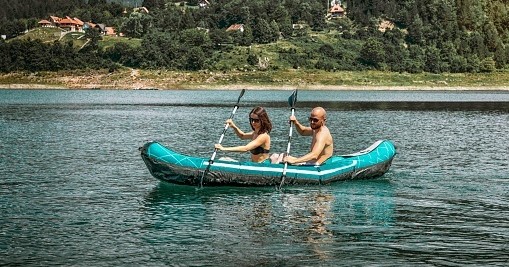 10
10Kayak
Groton folds the wildness of Long Island Sound into tidy estuaries, tidal rivers, and pocket coves—making it a small but richly varied playground for kayakers. From calm morning glides through marsh channels to bracing open-water runs past headlands, paddlers find routes that reward careful planning and seasonal respect. This guide focuses on paddling experiences around Groton’s coastline: sheltered family-friendly routes, intermediate tidal runs, and advanced crossing options that test sea skills and navigation.
Explore kayak → 11
11Bike Rental
Groton’s shoreline and small-town lanes make it an ideal place to rent a bike and explore at human speed. From easy waterfront cruises past harbors and salt marshes to more adventurous coastal-reserve loops and quiet country roads, bike rentals provide a flexible way to layer outdoor activities—kayaking, seaside picnics, and visits to Mystic—into a single day. This guide focuses on what to expect from rentals, how terrain and weather shape ride choices, and practical planning tips so you can choose the right machine for your outing.
Explore bike rental → 12
12Bus Tour
Groton's compact coastal geography makes it a surprising and satisfying place for bus tours: in a single half-day circuit you can travel from wooden wharves and museum ships to Cold War-era naval sites and salt-sprayed headlands. Bus tours here center on history—naval, maritime, and industrial—but they also serve as a practical way to sample the area's outdoor rhythms: harborfront promenades, short lighthouse walks, and scenic drives through low, wind-brushed forests. For travelers who prefer to let someone else handle the navigation while they listen to stories and watch the river widen into the Sound, the bus is the best seat in town.
Explore bus tour → 13
13City Tour
Groton's city tours are a compact, waterfront-rich introduction to New England maritime life, naval history, and small-town character. Stroll riverfront promenades, tour submarine heritage sites, and pair short urban walks with nearby coastal parks. These tours balance accessible walking routes with boat and bike options that reveal how industry, defense, and saltwater shaped a coastal Connecticut town.
Explore city tour → 14
14SUP
Groton’s sheltered estuaries, tidal rivers, and wind-guarded coves make it a versatile short-paddle getaway on the Connecticut coast. From gentle beginner loops among salt marshes to exposed Long Island Sound runs for more seasoned paddlers, the area rewards curiosity with coastal ecology, working waterfront views, and easy access from several low-key launch points.
Explore sup →Eco Tour
Groton's coastline is an intimate study in tidal life: salt marshes, eelgrass beds, and sheltered estuary channels that cradle migrating birds and juvenile fish. Eco tours here are small-scale and observational—kayak and paddleboard trips that thread through marshy creeks, short boat cruises that focus on seabirds and coastal geology, and guided shoreline walks that reveal the quiet mechanics of a working coast. These outings pair natural history with local stewardship, providing hands-on encounters that emphasize conservation and respect for fragile habitats.
Explore eco tour →The city and the sea
Why Groton Belongs on Your Adventure Shortlist
Variety without surrendering the day to long transfers.
Groton arrives softly at the edge of Long Island Sound: a scatter of boat ramps, a submarine base tucked behind a tidy stretch of waterfront, and villages—Noank, Groton Long Point—whose streets still move at the pace of tides. Here, the water defines the day. Mornings begin with anglers threading bait along the Thames River, afternoons fill with sails carving the sound, and evenings fold into sightseeing tours that trace the navy yards and coastal lighthouses. That maritime cadence means you can stack experiences—an early kayak outing through quiet marsh channels, a midday boat tour past shipyards and islands, then a late-afternoon bike tour along coastal lanes—and still feel like you’ve relaxed as much as you’ve explored. Because Groton’s strengths are both active and observational, it punches above its size. The Submarine Force Museum anchors a century of naval history; nearby Mystic Seaport and the village of Mystic add museum-steeped context and seafood stops. For people who want to mix motion with meaning, Groton serves it up: fishing mornings where charter captains drop lines for bass and stripers; SUP and kayak outings that track marsh birds and seal sightings; and eco tours that interpret the estuary’s shifting currents. Boat rental options and ferry links make the sound endlessly accessible—if you want to sail, you’ll find options for dinghies, small keelboats, and day-charter sailboats. If you prefer land-based rhythm, bike rentals and walking tours thread the waterfront, village streets, and historic forts so you can pivot from a relaxed city tour to a more active bike tour without rewriting your day. Practically speaking, Groton is a shoulder-season treasure: late spring and early fall offer sun-washed waters and fewer crowds, while July and August bring the full hum of summer—ferry schedules, boat tours, and sightseeing traffic—but also the best conditions for water activities. The town’s maritime culture also shapes logistics: tides and wind matter more here than altitude and avalanche conditions do in a mountain town. Outfitters will time launches to tidal windows, and local guides lean on weather and current forecasts to plan kayak trips, fishing charters, and sailing lessons. For travelers, that means a small amount of planning yields a disproportionate payoff: consult tide charts for the Thames River and harbor, book boat rental or a charter early for holiday weekends, and pack layers for sudden coastal breezes. The upside is huge—Groton is a place where adventure and story live in the same boat, and nearly every activity—boat tour, fishing, sailing, ferry hop, kayak, SUP, or eco tour—feeds directly into a sense of place that’s as educational as it is invigorating.
Outfitters and marinas in Groton are attuned to short-window days: half-day fishing charters, two-hour kayak trips, and afternoon sailing lessons are common. That makes it easy to shape a flexible itinerary—mix a walking tour of the historic district with a late-afternoon boat rental or an evening ferry ride to watch the sun drop behind the islands.
Groton pairs well with nearby Mystic for a fuller coastal agenda. Use Groton for active water mornings—fishing, kayak, SUP—and Mystic for museum afternoons and dinner. If you arrive by car, the town’s compact layout means you can bench one activity and swap in another without losing a day to transit.
Conditions shape the day
The best time to visit Groton.
Winters are cool and blustery with occasional coastal storms; spring brings calmer seas and migratory bird activity; summer is warm and humid with steady sailing conditions and fuller service hours; fall offers crisp air and quieter marinas.
Best all-around window
Spring + fall
Comfortable mixed-itinerary weather, thinner crowds at beaches and lookouts, and more room to improvise.
Beach season
July–August (highest activity levels and full service menus).
Surf + whales
Late fall and winter weekdays deliver quiet coastal walks, storm-watching, and lower lodging rates; some outfitters scale back services, so book guided trips in advance or focus on land-based walks and museums.
Coast to inland
Cool marine mornings often give way to warmer inland afternoons and breezy evenings.
Beginner
Short, protected-water paddles, gentle bike routes on coastal lanes, and easy walking tours of village centers.
- Calm-water kayak paddle in a sheltered estuary
- SUP on a protected cove
- Short walking tour of Noank and historic Groton streets
Intermediate
Longer kayak or SUP crossings with mild wind, half-day sailing lessons, and shore fishing for striped bass during the season.
- Half-day sailing lesson departing from a local marina
- Guided kayak through marsh channels and island coves
- Bike tour along Eastern Point and Thames River viewpoints
Advanced
Open-water sails or passages that require seamanship, multi-day trip planning, and sportfishing or technical boat-handling in variable conditions.
- Coastal sail to nearby islands or Mystic area crossings
- Sportfishing charter for bigger offshore species
- Self-guided multi-stop island hopping with tide- and weather-based planning
Field kit
What to bring.
Pack for sun, salt water, walking, and a meaningful temperature swing between coast and inland Groton.
Essential
Start here
- Layered windproof jacket — coastal breezes can be sharp
- Waterproof footwear or sandals with toe protection for launches
- Personal flotation device if not provided by outfitter (confirm with operator)
- Sun protection: hat, sunglasses, SPF 30+
- Tide chart or a tide app and a charged phone in a dry bag
Water days
Keep it dry
- Light packable rain shell for coastal squalls
- Waterproof camera or phone case and a float leash
- Light binoculars for birding and shoreline watches
- Quick-dry clothing and a small first-aid kit
Long days
Stay flexible
- Fishing license if you plan to fish from shore or a private charter (verify operator rules)
- Compact picnic for island stops and beach pulls
- Helmet for guided e-bike or more aggressive bike tours
Insider note
Start early, then keep the geography tight.
Book charters and boat rentals early for summer weekends. Tide charts and wind forecasts are your best friends—launch windows for kayaks and SUPs can shift with tidal flow, and small craft are more comfortable on a slack tide. Pair a morning fishing charter or kayak with an afternoon visit to Mystic Seaport for a full maritime day. If you're exploring naval history, allow time for the Submarine Force Museum and a shoreline walk at Fort Griswold. Finally, treat Noank and Groton Long Point as quiet pockets for sunsets—local restaurants and seafood shacks fill in the story between outings.
Good to know
Frequently asked questions.
Can I do most activities without a guide?
Yes—many water activities such as boat rental, bike rental, and short kayak or SUP outings can be done unguided if you have basic skills. For first-time sea kayakers, fishing charters, or sailing in challenging wind, hiring a local guide or captain is recommended.
How important are tides and currents for paddling and fishing?
Very important. The Thames River and nearby estuaries change with the tide; currents can affect launch and landing options for kayaks and SUPs and alter fishing patterns. Check tide charts and local guidance before heading out.
Is the Submarine Force Museum open to visitors and family-friendly?
Yes, the Submarine Force Museum is family-friendly and provides a close look at naval history and submarines. Check museum hours and any ticketing requirements before visiting, especially during holidays or special events.
Ready when you are
Find the trip that fits your Groton day.
Compare bookable experiences across the coast, city, and mountains—then save the ones that belong in your plan.
Explore all Groton adventures ↗