
Great Falls adventure guide
Find your way into Great Falls.
A jagged ribbon of river cuts through shale and forest at Great Falls, where short hikes end in cathedral views and the Potomac asserts itself with thunder and spray. This guide slices the weekend into portable adventures—sightseeing tour routes that pair sunrise viewpoints and photography tour stops, walking tour loops on park trails, quick kayak shuttles and boat rental options on calmer water downstream, bike tour circuits and bike rental conveniences nearby, plus fishing pockets, eco tour opportunities, and even winter activities when the gorge goes quiet. Whether you’re here for a city tour detour from D.C. or a full-day water activities session, the mix is compact, dramatic, and eminently plan-able.
Three ways into the city
Pick a landscape. Build a day around it.
Great Falls is less a single destination than a collection of neighboring worlds. Start with the version of the city that matches your pace, then use the ranked guide below to fill in the details.

Begin where the city meets the sea.
Surf breaks, sheltered harbors, whale routes, and long beach paths make the coast LA’s most immediate outdoor playground.
Explore boat tour →
Let a local connect the landmarks.
Use a guided city, walking, or sightseeing tour to turn LA’s sprawl into a coherent story.
Explore sightseeing tour →
Ride the coast and the city.
Beach paths, river corridors, e-bikes, and ridge climbs reveal a more connected Los Angeles.
Explore bike tour →Choose your way into Great
The top 15 Great Falls adventures.
Ranked by the number of currently listed trips. Each panel opens the complete local activity collection.
1Sightseeing Tour
A jagged seam where the Potomac surges over ancient bedrock, Great Falls is a place built for looking. Sightseeing tours here are less about ticking off monuments and more about standing small before elemental motion: thunderous rapids, sculpted cliffs, and tree-lined gorges that change color by the hour. Tours range from short, interpretive ranger walks to photography and geology-focused outings, and river-based sightlines—kayak floats and guided paddles—offer a low, intimate vantage of the falls themselves. Close to Washington, D.C., Great Falls draws a curious mix of urban escapees, weekend family groups, and committed landscape photographers. Expect routes that thread viewpoints, short cliffside scrambles, and accessible overlooks with dramatic reward. This guide focuses on sightseeing-specific experiences—what to expect on guided and self-guided tours, when the light and river are best, and how to pair a day of viewing with nearby hikes, paddling, and historical stops.
Explore sightseeing tour → 2
2City Tour
Great Falls, Virginia, is where suburban Washington meets dramatic river scenery—an intimate setting for city tours that are as much outdoor discovery as they are cultural navigation. City tours here thread cliffside overlooks, riverside towpaths, small-town main streets, and Native and colonial histories. Whether you want a guided walking route that pauses at geological overlooks and historical markers, a bike-based spin along the C&O Canal, or a more relaxed food-and-culture stroll through village squares, Great Falls compresses a layered, mostly outdoor urban experience into a compact loop that rewards slow attention.
Explore city tour →3Boat Tour
The Potomac’s ribbon of water through Great Falls presents a rare mix of raw river power and carefully managed public access. Boat tours here aren’t about slow sightseeing from a luxury liner; they are about proximity—close enough to feel the spray from Class II–V rapids, witness the sculpted cliffs of Mather Gorge, and learn the cultural and geological stories that made this stretch of river both feared and revered. Whether a guided upper-river cruise that frames the falls from a safe distance, a narrated wildlife outing in calmer reaches, or an expert-led kayak shuttle that drops you at a launch for a downstream paddle, the boat-tour offerings around Great Falls spotlight the river’s moods: thunderous in spring runoff, glassy on late-summer mornings, and intimately framed by autumn colors along the banks.
Explore boat tour → 4
4Water Activities
Great Falls, where the Potomac fractures into a braided series of ledges and churning channels, is a water adventurer's classroom in river dynamics. Within minutes of the Washington, D.C. suburbs you can find technical whitewater that demands skill and respect, mellow flatwater suited to novices and families, and shoreline vantage points that reward photographers and anglers. This guide focuses on water-centered pursuits—kayaking, canoeing, river running, paddleboarding, fishing, and guided boat trips—laying out seasonal rhythms, hazard-aware planning, and the practical choices that will shape your day on the Potomac and its calmer nearby tributaries.
Explore water activities → 5
5Walking Tour
A short drive from Washington, D.C., Great Falls, Virginia concentrates raw river energy, weathered rock, and suburban woodland trails into compact, unforgettable walking tours. Routes range from accessible riverfront promenades along the C&O Canal to granite-ledged overlooks at Great Falls Park, threaded with historical remnants of mills and 19th-century river engineering. Walking here is both an intimate nature experience—birdsong, plunging rapids, and spring wildflowers—and a study in geology and human history where every overlook frames a different section of Mather Gorge. This guide focuses narrowly on walking tours: self-guided loops, village strolls, and interpretive routes for photographers, families, and exploration-minded travelers who want to feel the river’s pulse underfoot.
Explore walking tour → 6
6Bus Tour
Bus tours offer a relaxed, panoramic way to take in the thunder of Great Falls, the sculpted Potomac Gorge, and the historic corridors of Northern Virginia. For travelers who want the drama of waterfalls, cliffs, and riverside overlooks without the logistics of driving and parking, a guided coach or shuttle can provide context, stories, and stop-on-demand access to the area's top viewpoints and short walks. Tours range from brief narrated loops that focus on geology and Civil War history to full-day excursions that pair scenic drives with short hikes, river launches, or culinary stops in nearby towns.
Explore bus tour → 7
7Photography Tour
Where the Potomac rips through ancient mica-schist and the river throws itself over ledges, Great Falls is a concentrated classroom for light, motion, and composition. Photography tours here focus on dramatic water, geological texture, seasonal moods, and the choreographed interplay of river, rock, and sky. This guide concentrates on how to shoot the falls responsibly and creatively, when to visit, what to bring, and how to pair a session with nearby outdoor experiences like short hikes, guided kayak runs, and birding stops.
Explore photography tour → 8
8Boat Rental
Great Falls isn't a marina of yachts and long-distance cruisers—it's a place where water meets rock, and boat rentals are about foldable kayaks, rugged day boats, and stand-up paddleboards launched into sculpted river corridors. Here, rentals are a gateway: a way to float the calmer reaches below the falls, thread the shaded gorges of Mather Gorge, or paddle quiet backwaters and eddies where ospreys hunt and the city's hum falls away. Expect short launches, variable water levels, strong current near the rapids, and a landscape shaped by geological drama and human history.
Explore boat rental → 9
9Kayak
Great Falls on the Potomac is a concentrated study in contrast: explosive, churning whitewater where the river forces itself through a jagged, rocky throat, and long, glassy pools that reflect the surrounding forest. For paddlers this means a compact playground with everything from technical Class IV–V creeking and guided river-running to calm downstream floats and scenic kayak fishing stretches. This guide focuses on the paddling experience—where to go, when to run it, what skills or gear you’ll need, and how to layer complementary activities like hiking the overlook trails or exploring local river conservation efforts.
Explore kayak →10Bike Tour
Great Falls, Virginia, condenses big-river drama into short, exhilarating rides: short paved loops that follow the Potomac, gravel connectors that thread forest edges, and singletrack and rail-trail options in neighboring parks. This guide zeroes in on bike touring—day rides and half-day loops that showcase plunging river views, riverine forests, and quick-access trails for riders of varying skill. Expect close quarters with hikers on weekends, a mix of paved and packed-surface riding, and the kind of close-to-home exploration perfect for morning escapes or purposeful afternoon rides.
Explore bike tour → 11
11Eco Tour
Great Falls, perched where the Potomac chisels a dramatic gorge through ancient rock, is a compact but potent classroom for ecological exploration. Eco tours here foreground geology, river dynamics, and the mosaic of hardwood forest, wetlands, and riparian edges that support migration corridors and resident wildlife. Whether you join a ranger-led shoreline walk, paddle below the rapids with a naturalist, or take a birding float at dawn, Great Falls distills the science of place into experiences that are legible, immediate, and deeply grounded in conservation practice.
Explore eco tour → 12
12Fishing
Great Falls is where the Potomac compresses into a rocky gorge and the river’s moods define the fishing day. Anglers come for steam-slicked riffles, eddies behind boulders, and quieter backwater pockets carved by currents. This guide focuses on bank, wade, and guided float options within a short drive of the town center—practical routes for day trips, seasonal tactics, and ways to pair a morning of fishing with the park’s dramatic scenery.
Explore fishing →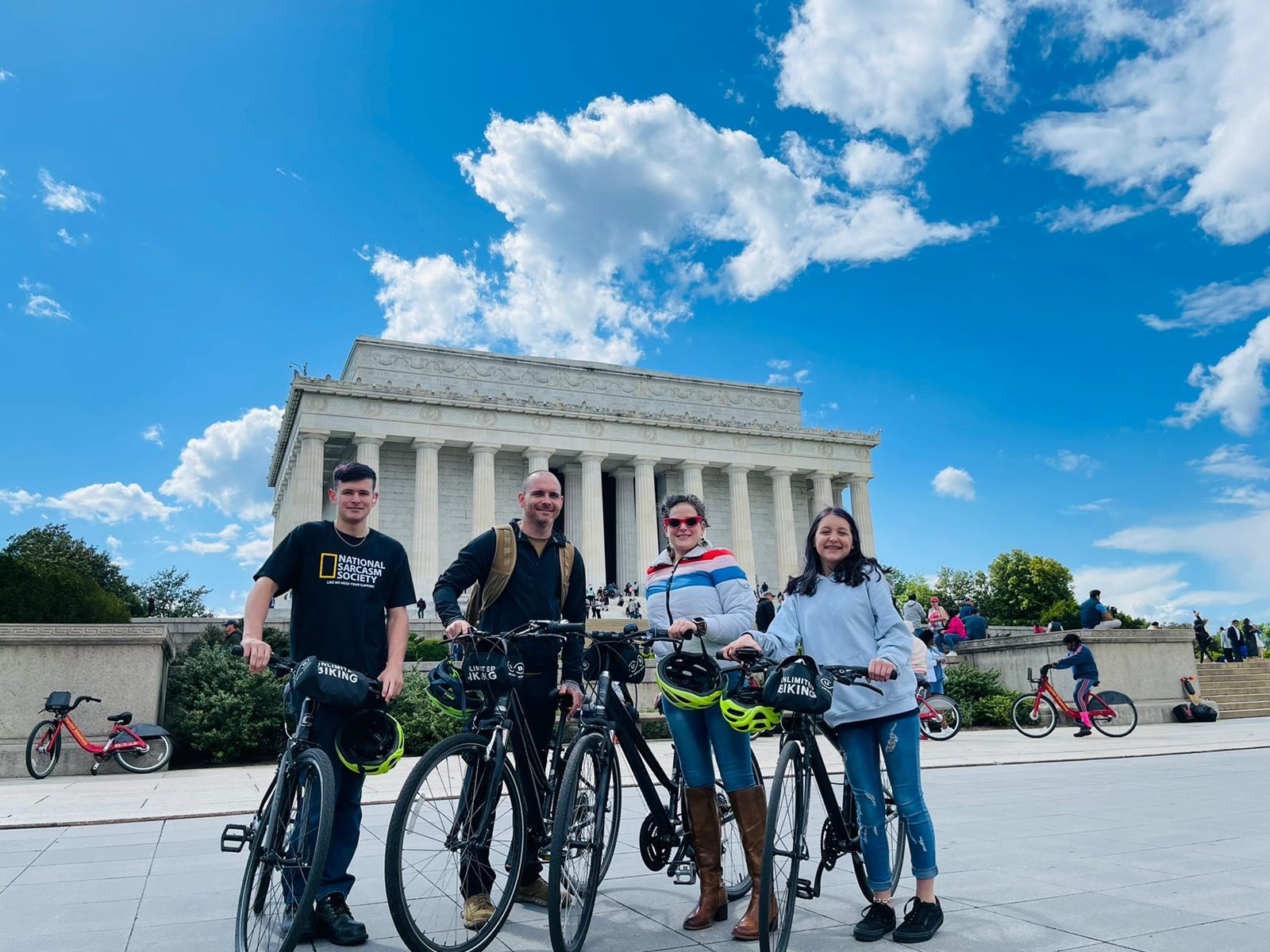 13
13Bike Rental
Great Falls is a concentrated, scenery-first bike-rental scene built around the Potomac’s dramatic gorge, towpath cruising, and a patchwork of quiet county roads and gravel trails. Rent a bike here to trade commuter corridors for river views, short technical loops, or all-day towpath adventures into the suburbs of D.C. This guide helps you pick the right rental, understand where you can ride, and plan a day or half-day outing that matches your comfort level.
Explore bike rental → 14
14Scooter
Tucked into the curve of the Potomac where the river hammers through Mather Gorge, Great Falls is less a single destination than a patchwork of dramatic overlooks, quiet towpaths, and suburban lanes that reward two-wheeled exploration. For scooter riders—both push and electric models—Great Falls offers a mix of scenic, short cruises and energetic connector rides that pair cathedral-like river views with approachable distance and transportation flexibility. This guide focuses on where scooters shine here: smooth park roads and towpath stretches, short linking roads that open to vistas, and nearby greenway corridors that extend a single outing into a half-day of discovery.
Explore scooter → 15
15Winter Activities
Great Falls compresses the drama of the Potomac into a narrow, rocky gorge—an intimate, elemental place that wears winter differently than the Blue Ridge peaks. In the cold months the spray that usually fogs the air can freeze on ledges, streamside trees, and boulders, lending the falls a crystalline edge. Winter activities here are compact, visceral, and often daylight-dependent: cold-weather hiking and winter photography from paved overlooks, cautious scrambles on the Billy Goat Trail when conditions allow, snowshoeing and occasional cross-country skiing along the C&O towpath, and patient birding for raptors and winter migrants. The experience is equal parts geology and weather: short approaches, dramatic viewpoints, and the ever-present reminder that the river’s power is greatest where the land constricts it. Practical planning matters more in winter—slick rock, early sunsets, and unpredictable freeze–thaw cycles turn a familiar loop into a route that rewards preparation.
Explore winter activities →The city and the sea
Why Great Falls Belongs on Your Adventure Shortlist
Variety without surrendering the day to long transfers.
Great Falls reads like a concentrated field guide: a handful of viewpoints, a patchwork of easy and technical trails, a working river and a human history of mills, towpaths, and picnic groves. You arrive expecting a postcard and find something larger—an immediate, tactile relationship with moving water. The falls themselves are the anchor, but the real advantage is variety within walking distance. Stand at a sightseeing tour–friendly overlook at sunrise and photographers will smudge the horizon with long exposures; spend the afternoon on a photography tour or a walking tour that threads the C&O Canal’s towpath; then swap lenses for paddles as you launch a kayak below the gorge or rent a boat where the river opens and the current softens. The destination scales to the day you have: a focused city tour detour from Washington, D.C., a half-day of water activities and fishing, or a full weekend of multi-sport exploration that mixes bike tour miles with quiet eco tour moments. The place rewards mixed itineraries. Trails rise and drop—short, rocky scrambles for sure-footed hikers and longer, level stretches for family-friendly walking tours. River access points and boat rental stands (seasonal) let you choose between mellow float trips and guided sessions for more technical whitewater. Kayak and boat options extend the playground into open-water stretches where birdlife and shoreline geology read like classroom notes for any eco tour. For those who prefer wheels, nearby bike rental shops and mapped bike tour routes turn the suburbs into gateways for a loop that includes dramatic river views. Even winter activities have a role: clear, cold days deliver crisp visibility for photography and off-season solitude on the towpath. Despite its proximity to the metro, Great Falls keeps the sensation of being somewhere wild—an accessible gorge with enough nuance to be revisited multiple times with a different focus each visit.
Access is fast from the D.C. metro area, which makes Great Falls a superb half-day escape. Popular overlooks and picnic areas fill quickly on warm weekends—arrive early for the best light and parking options.
Pair active time with local provisions: a short drive unlocks cafés and casual restaurants, making it easy to stitch a gear-heavy morning into a comfortable, well-fed afternoon.
Conditions shape the day
The best time to visit Great Falls.
Spring and fall offer the most comfortable temperatures and dramatic river flows; summer brings warm water and more crowded weekends, with occasional thunderstorms; winter provides clear light and quieter paths but can be cold and icy near the river.
Best all-around window
Spring + fall
Comfortable mixed-itinerary weather, thinner crowds at beaches and lookouts, and more room to improvise.
Beach season
Late spring through early fall—weekends, holidays, and warm afternoons see the most visitors.
Surf + whales
Late fall and winter weekdays deliver solitude and discounted rentals; the towpath and nearby parks are ideal for reflective walks and photography when crowds thin.
Coast to inland
Cool marine mornings often give way to warmer inland afternoons and breezy evenings.
Beginner
Short, well-marked trails and easy overlooks; calm stretches of river suitable for first-time paddlers and family outings.
- Short viewpoint loop and picnic at a main overlook
- Gentle walking tour on the towpath
- Introductory kayak rental and downstream float
Intermediate
Longer hikes with mixed footing, self-navigated bike tour loops, and paddling with moderate current that rewards situational river skills.
- Photography tour timed for golden hour at multiple overlooks
- Bike tour connecting local parks and riverfront trails
- Guided kayak trip through technical stretches or swift eddies
Advanced
Steeper scrambles, sustained paddle runs that require strong boat control, or multi-stop itineraries that stack miles and technical sections.
- Long river run requiring advanced kayak skills and self-support
- Full-day mixed-mode loop—bike tour, hike, then guided water activities
- Winter route planning for icy conditions and exposed overlooks
Field kit
What to bring.
Pack for sun, salt water, walking, and a meaningful temperature swing between coast and inland Great.
Essential
Start here
- Sturdy trail shoes for rocky, uneven overlooks
- Water, snacks or a packed lunch for on-trail refueling
- Layered clothing—conditions change quickly near the river
- Sun protection (hat, sunscreen, polarized sunglasses)
- Phone with offline map or a printed park map
Water days
Keep it dry
- Light wind/rain shell for sudden weather on the gorge
- Small dry bag or waterproof phone case for river outings
- Compact first-aid kit and whistle for remote trail stretches
- Camera with a neutral-density filter for waterfall long exposures
Long days
Stay flexible
- Binoculars for raptor and riverbird watching
- Microspikes in icy winter conditions
- Compact picnic blanket and reusable utensils
Insider note
Start early, then keep the geography tight.
Beat the crowds by targeting sunrise or weekday mornings. If parking lots are full, park at a nearby trailhead and walk in—many overlooks are a short stroll from auxiliary lots. After heavy rain, favor shore-based photography and avoid scrambling on wet rock; switch to a guided kayak session instead of launching independently. Book kayak and boat rental slots in advance on warm weekends. Respect posted boundaries around the gorge—many ledges are unstable and currents are deceptively strong. Pack out trash and leave no trace to preserve the views for the next visiting photographer, angler, or family.
Good to know
Frequently asked questions.
Can I do most activities without a guide?
Yes—many sightseeing, walking tour, and short kayak outings are accessible without a guide. Consider a guide for technical paddling, specialized photography tours, or if you want historical context on an eco tour.
Are there places to rent kayaks or boats nearby?
Boat rental options and kayak services operate seasonally near calmer stretches of the Potomac; check local outfitters for reservations and launch rules before you go.
Is fishing allowed in the river?
Fishing is popular in parts of the Potomac—follow state regulations and posted park rules, and use caution near fast currents and sheer banks.
Ready when you are
Find the trip that fits your Great Falls day.
Compare bookable experiences across the coast, city, and mountains—then save the ones that belong in your plan.
Explore all Great Falls adventures ↗