
Granada adventure guide
Find your way into Granada.
Granada folds Moorish palaces, whitewashed barrios, and high mountain access into a compact, walkable city where sunrise on the Alhambra and a sunset ridge in Sierra Nevada can share the same day. This guide pairs culture-rich walking tours and city explorations with mountain hikes, coastal water activities on the Costa Tropical, and approachable wildlife and eco-tours—practical planning notes included so you can match the mood of your trip, whether it's tapas and flamenco or multi-day ridge traverses.
Three ways into the city
Pick a landscape. Build a day around it.
Granada is less a single destination than a collection of neighboring worlds. Start with the version of the city that matches your pace, then use the ranked guide below to fill in the details.

Begin where the city meets the sea.
Surf breaks, sheltered harbors, whale routes, and long beach paths make the coast LA’s most immediate outdoor playground.
Explore water activities →
Let a local connect the landmarks.
Use a guided city, walking, or sightseeing tour to turn LA’s sprawl into a coherent story.
Explore walking tour →
Ride the coast and the city.
Beach paths, river corridors, e-bikes, and ridge climbs reveal a more connected Los Angeles.
Explore bike tour →Choose your way into Granada
The top 15 Granada adventures.
Ranked by the number of currently listed trips. Each panel opens the complete local activity collection.
1Walking Tour
Granada is a city made for walking: narrow cobbled lanes that pivot like questions, plazas where history sits at cafe tables, and a skyline dominated by the terraced geometry of the Alhambra. Walking tours here are not just routes but narratives—Moorish water channels, Renaissance palaces, Gypsy caves, and contemporary tapas culture threaded together in an intimate, pedestrian rhythm. Whether you trace the sunset light from the Mirador de San Nicolás, wind down the Carrera del Darro, or explore hidden patios in the Realejo, each step reveals layering of culture, climate, and centuries.
Explore walking tour → 2
2Sightseeing Tour
Granada condenses centuries of Moorish, Jewish and Christian history into narrow streets, luminous patios and a skyline punctuated by the Alhambra. Sightseeing here is less about passive viewing and more about a peeling-back of layers: palaces and gardens, hilltop barrios, flamenco caves and tapas bars that all reveal a city held between mountains and Mediterranean light. This guide focuses on curated tours—walking, guided cultural loops, sunset excursions and short drives—that let you sample Granada’s essentials without losing the quiet moments between the monuments.
Explore sightseeing tour →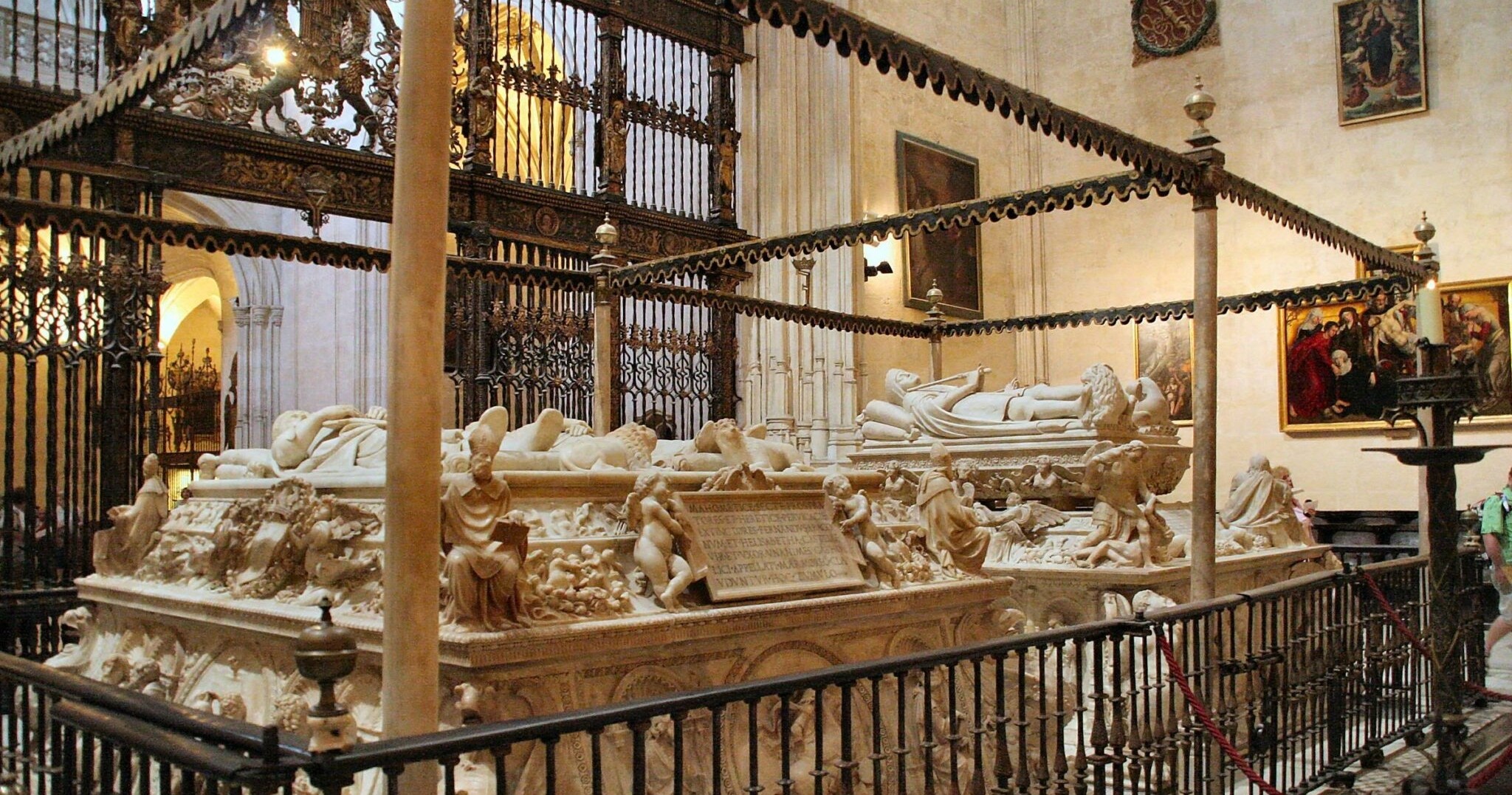 3
3City Tour
Granada condenses centuries into narrow lanes, sunlit plazas, and tile-framed courtyards. City tours here are less about seeing a list of sights and more about inhabiting layered histories: Nasrid palaces that breathe poetry, Moorish neighborhoods still patterned by water channels, and hilltop viewpoints that stage the Sierra Nevada as a permanent backdrop. Whether you choose a guided Alhambra walkthrough, a tapas circuit across tapas bars, or a slow wander through Albaicín’s steep lanes, each tour is a sensory study in texture, flavor, and light.
Explore city tour → 4
4Bus Tour
Granada's bus tours are a study in contrast: intimate minibuses threading narrow Moorish alleys and full-day coaches climbing into the high, snow-capped folds of the Sierra Nevada. From guided circuits around the Alhambra to scenic runs through white-washed pueblos, bus-based ways of seeing Granada combine cultural depth with the practical magic of covering distance quickly—ideal for travelers who want the layered history, tapas stops, and mountain air all in a single, well-paced day.
Explore bus tour →5Water Activities
Granada is often thought of for its palaces and high mountains, but the province's waterworld—an intimate band of Mediterranean coast, secret coves, fast-melting mountain streams, and high-elevation reservoirs—makes it a quietly thrilling place for water-based adventure. From early-morning paddle sessions beneath orange groves to spring canyon descents carved by snowmelt, this guide gathers coastal and inland water experiences that pair sensory detail with practical planning.
Explore water activities → 6
6Scuba
Granada's short Mediterranean coastline hides concentrated pockets of marine life, dramatic rock formations, and accessible shore and boat dives. This guide focuses on scuba experiences along the Costa Tropical—where warm-season visibility, rocky reefs, and sheltered bays create memorable dives for certified explorers and curious beginners alike.
Explore scuba → 7
7Boat Tour
While Granada is best known for the Alhambra and snow-scraped peaks of the Sierra Nevada, its coastal fringe — the Costa Tropical — offers a quieter Mediterranean counterpoint where small-boat outings, dolphin encounters, and hidden coves define the pace. Boat tours from Almuñécar, Salobreña, and Motril range from short sunset cruises and snorkeling stops to longer wildlife-focused runs that skirt volcanic headlands and explore sea caves. These outings pair easily with hillside hikes and coastal tapas sessions, and they reveal a side of Granada shaped by fishing traditions, citrus groves, and a maritime microclimate that keeps winters mild and waters brimming with seasonal life.
Explore boat tour →8Bike Tour
Granada folds city and mountain into one rideable landscape: medieval lanes and hilltop barrios give way within an hour to high alpine passes, olive-slick country lanes, and coastal descents toward the Mediterranean. This guide focuses on bike tours — from historic urban circuits and gravel explorations of white village trails to relentless road climbs into the Sierra Nevada — helping you choose the right route, gear, and season for a memorable pedal through Andalucían light and terrain.
Explore bike tour → 9
9Hiking
Granada condenses dramatic altitude, Moorish history, and Mediterranean light into a compact hiking playground. City trails thread ancient neighborhoods and cliffside miradores, while a short drive delivers alpine limestone and glacial valleys in the Sierra Nevada and sun-drenched footpaths through the Alpujarras. This guide focuses on hiking—from mellow cultural walks that end at the Alhambra's silhouette to high-mountain routes that cross snowfields in spring and alpine scree in summer—plus complementary outdoor experiences to round out your trip.
Explore hiking → 10
10Snorkel
Granada's short but dramatic coastline—sheltered bays, volcanic-rock headlands, and pockets of Posidonia seagrass—punches well above its length for snorkeling. This guide focuses on the hands-on, in-water experience: where to slip a mask and fins, what sea life you're likely to meet, and the practicalities of tides, access, and local services so you can plan safe, memorable day trips along the Costa Tropical.
Explore snorkel → 11
11Bike Rental
Granada compresses dramatic terrain into a city-sized playground: steep Moorish alleys, riverfront promenades, and the immediate foothills of the Sierra Nevada. Bike rentals—from nimble city bikes and sturdy gravel machines to torque-rich e-bikes and rental mountain bikes—unlock a range of experiences, whether you want a relaxed cultural loop, a riverside pedal to local markets, or a daylong escape into high-country dirt and whitewashed mountain villages.
Explore bike rental → 12
12Catamaran
Granada may be famous for the Alhambra and Sierra Nevada, but its coastal edge — the Costa Tropical — is where catamaran sailing becomes a distinct Andalusian pursuit. These day sails and private charters glide past craggy coves, citrus terraces, and fishing villages, offering easy access to turquoise bays for snorkeling, calm open-water passages for dolphin watches, and glassy evenings for sunset cruises. For travelers based in Granada city, a short coastal transfer rewards with a maritime day that pairs naturally with coastal tapas, beachfront hiking, and the region's Moorish history.
Explore catamaran → 13
13Wildlife
Granada folds a surprising amount of wildness into its valleys: high, stony ridgelines of the Sierra Nevada where mountain goats pick a living on windlined cliffs; lowland wetlands that funnel migratory birds along the Mediterranean flyway; and terraced hillsides where scrub and olive groves shelter small carnivores and songbird flocks. This guide focuses on wildlife-first experiences—birding, mammal watching, and low-impact nature photography—paired with practical notes for timing, terrain, and how to blend wildlife days with Granada’s cultural highlights.
Explore wildlife →14Boat Rental
Granada’s boat-rental scene is quietly charmed by contrasts: alpine peaks that bleed straight into warm Mediterranean water, whitewashed fishing villages with family-run harbors, and a handful of inland reservoirs that offer glassy, wind-sheltered paddling. From self-drive dinghies and day skiff rentals on the Costa Tropical to kayaks and small motorboats on nearby reservoirs, the options are compact, practical, and approachable for first-timers and skippers who want to chase hidden coves, snorkel rocky reefs, or fish just beyond the breakwater.
Explore boat rental → 15
15Eco Tour
Granada folds abrupt mountain, peatland and orchard into a compact landscape that rewards low-impact exploration. Eco tours here thread together high‑elevation botany, intimate birding walks across wetlands, and cultural-ecology experiences in olive groves and traditional acequia-irrigated fields. Whether you follow a peat bog boardwalk at dawn, trek to a glacial cirque, or visit a regenerative farm in the Alpujarras, Granada’s eco tours emphasize place-based learning, seasonal rhythms, and conservation-minded travel.
Explore eco tour →The city and the sea
Why Granada Belongs on Your Adventure Shortlist
Variety without surrendering the day to long transfers.
Granada is a city of layered thresholds: Moorish patios open to modern plazas, narrow stone alleys give way to panoramic viewpoints, and an hour’s drive takes you from warm Mediterranean coves to wind-scoured alpine ridgelines. For travelers who like to fold cultural curiosity into outdoor movement, Granada is uniquely generous. Start mornings with a walking tour through the Albaicín, where whitewashed houses and jasmine-scented lanes climb toward Mirador de San Nicolás and frame the Alhambra’s honeyed silhouette. Move midday into markets and tapas bars—small plates here are as much a social ritual as fuel—and then use the late afternoon for a short drive up to Sierra Nevada. The mountains here are more than a winter ski area: spring and autumn reveal high pastures, wildflower-strewn trails, and ridgelines that reward modest effort with expansive sea views. Beyond single-day loops, Granada’s compact geography invites layered itineraries. Take a city tour one morning, then join a guided hike to a secluded gorge or opt for a bike tour that threads orchard roads and quiet suburban lanes. For those chasing coastal water activities, the Costa Tropical—less than 90 minutes away—offers snorkeling and boat trips, while offshore and marine-focused eco-tours introduce Mediterranean wildlife and underwater visibility that surprise many visitors expecting only mountains. Granada is also an ideal base for wildlife and eco tour operators who pair short drives with meaningful encounters: birding in wetlands, nocturnal fox and badger spotting in rural olive groves, and responsible coastal forays that emphasize local protection efforts. Practicalities matter here, and they reward a little planning. The Alhambra requires advance tickets; early morning slots give cooler light and thinner crowds. Summer’s heat makes seaside or shaded walking tours more comfortable, while Sierra Nevada’s elevation calls for layers year-round. Public transport, regional buses, and a compact taxi network keep daytrips simple; many local outfitters offer shuttle options for hikers and cyclists. Whether you’re after photography-rich strolls through historic neighborhoods, a full-day mountain traverse, or a snorkeling half-day along the tropical coast, Granada’s mix of culture and terrain makes it a natural hub for travelers who want their itinerary to move—both spatially and sensorially—from city stone to salt spray to alpine wind.
Granada’s strengths are access and variety. Within a short drive you can pivot from a guided city tour to a coastal boat trip or an alpine hike. Outfitters and small-group guides are plentiful; book Alhambra tickets early and reserve guided mountain shuttles during shoulder season to secure the best windows for weather and light.
The city’s compact scale makes it an excellent basecamp: evening flamenco in Sacromonte, tapas hopping in Realejo, and early starts for trailheads are easily layered into a multi-day plan. Respect local rhythms—many shops observe siesta hours—and pack for variable conditions if you’re mixing beach and mountain days.
Conditions shape the day
The best time to visit Granada.
Granada’s microclimates vary: the city sees hot, dry summers and mild winters, while Sierra Nevada can be cold and snowy at elevation even when the city is warm. Coastal zones are milder with pleasant sea breezes. Shoulder seasons (spring and fall) offer the best blend of comfortable daytime temperatures and fewer crowds.
Best all-around window
Spring + fall
Comfortable mixed-itinerary weather, thinner crowds at beaches and lookouts, and more room to improvise.
Beach season
Summer months and Semana Santa bring the highest visitor numbers—expect warmer temperatures and crowded cultural sites.
Surf + whales
Late fall through early spring offers lower prices and quieter streets; winter is excellent for skiing in Sierra Nevada and for clear, crisp vistas in the city—just bring alpine layers.
Coast to inland
Cool marine mornings often give way to warmer inland afternoons and breezy evenings.
Beginner
Short, guided walking and sightseeing tours, mellow coastal snorkel trips, and easy ebikes or bike-rental loops through orchard roads.
- Guided walking tour of the Alhambra and Generalife gardens
- City tour of the Albaicín and Sacromonte with flamenco experience
- Introductory snorkeling trip off the Costa Tropical
Intermediate
Longer day hikes into Sierra Nevada foothills, mixed urban biking routes, and half-day boat tours that include snorkeling and wildlife viewing.
- Half-day ridge hike in Sierra Nevada to a high viewpoint
- Bike tour circling the city and nearby rural lanes
- Catamaran or boat tour from La Herradura with snorkeling stops
Advanced
Multi-day mountain traverses, technical alpine routes, and dive expeditions off the coast that require certification or guide support.
- Multi-day traverse of higher Sierra Nevada summits and ridgelines
- Technical scrambling or alpine routes with local guide
- Scuba diving daytrip with certified operators for deep or wreck dives
Field kit
What to bring.
Pack for sun, salt water, walking, and a meaningful temperature swing between coast and inland Granada.
Essential
Start here
- Comfortable walking shoes for cobbled streets and city stairs
- Layered clothing for temperature swings between city and mountain
- Sun protection (hat, sunglasses, SPF) for coastal and high-elevation exposure
- Reusable water bottle (tap water is potable in most places)
- Tickets/confirmation for Alhambra or guided tours printed or accessible offline
Water days
Keep it dry
- Light rain shell and wind layer for Sierra Nevada afternoons
- Compact daypack for city walking tours and half-day hikes
- Basic snorkeling kit if you plan to explore the Costa Tropical
- Small amount of cash for markets and smaller tapas bars
Long days
Stay flexible
- Binoculars for birding and coastal wildlife watching
- Trekking poles for steeper mountain approaches
- UV-protective rashguard for longer snorkel or boat sessions
- Portable battery pack for full-day photo outings
Insider note
Start early, then keep the geography tight.
Book Alhambra tickets well in advance and aim for early-morning entries to avoid heat and crowds. For mountain outings, start early to take advantage of stable morning weather and to avoid afternoon winds; always carry a warm mid-layer and a waterproof shell. If you plan coastal snorkeling or scuba, check tide and sea conditions and favor local operators who follow conservation practices. Tapas culture rewards curiosity—ask locals for smaller, less touristy bars in Realejo and around Plaza Nueva. Finally, consider mixing independent days with one guided experience (a mountain guide, a boat trip, or a wildlife eco-tour): guides save time, deepen local context, and often open access to quieter routes or coves.
Good to know
Frequently asked questions.
Can I see the Alhambra and still get a mountain hike the same day?
Yes; it’s common to pair a morning visit to the Alhambra with an afternoon hike in nearby foothills or a drive to Sierra Nevada. Plan for travel time, and reserve Alhambra tickets for early in the day if you want a late-afternoon mountain window.
Are there guided options for snorkeling and scuba near Granada?
Yes—operators along the Costa Tropical (Almuñécar, La Herradura) offer snorkeling, introductory scuba, and boat tours. These are typically half-day trips and can be arranged as daytrips from Granada with a short drive.
Is Granada walkable for travelers without a car?
Very much so. The historic center is compact and best explored on foot. For Sierra Nevada and coastal trips, regional buses and daytrip operators provide transit and guided options if you prefer not to drive.
Ready when you are
Find the trip that fits your Granada day.
Compare bookable experiences across the coast, city, and mountains—then save the ones that belong in your plan.
Explore all Granada adventures ↗