
Funchal adventure guide
Find your way into Funchal.
Perched between steep, laurel-carpeted ridges and the Atlantic, Funchal is the gateway to Madeira’s theatrical coastline and emerald interior. Days here are a choreography of levada hikes through ancient cloud forest, glassy boat tours out past whale and dolphin pods, and afternoons spent sampling bolo do caco in cobbled market alleys. This guide helps you pair practical choices—boat-tour operators, levada walking routes, snorkeling and surf entry points—with a short-list of sightseeing, eco-tour, and city-tour experiences so you can plan a balanced stay whether you want mellow walking tours or committed hiking days.
Three ways into the city
Pick a landscape. Build a day around it.
Funchal is less a single destination than a collection of neighboring worlds. Start with the version of the city that matches your pace, then use the ranked guide below to fill in the details.

Begin where the city meets the sea.
Surf breaks, sheltered harbors, whale routes, and long beach paths make the coast LA’s most immediate outdoor playground.
Explore boat tour →
Let a local connect the landmarks.
Use a guided city, walking, or sightseeing tour to turn LA’s sprawl into a coherent story.
Explore sightseeing tour →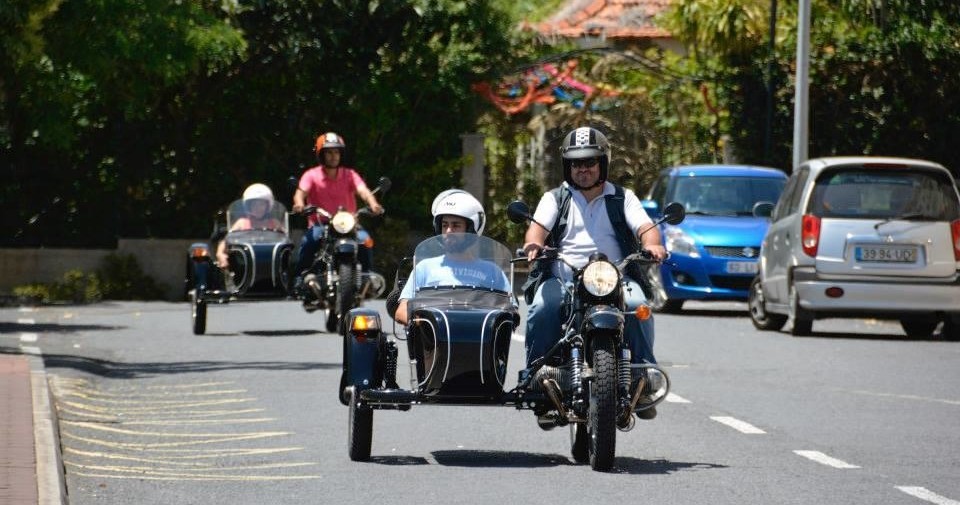
Ride the coast and the city.
Beach paths, river corridors, e-bikes, and ridge climbs reveal a more connected Los Angeles.
Explore bike tour →Choose your way into Funchal
The top 15 Funchal adventures.
Ranked by the number of currently listed trips. Each panel opens the complete local activity collection.
1Boat Tour
From the sun-bare bow of a catamaran slicing a calm Atlantic morning to the hush of cliffs and caves seen only from sea, boat tours out of Funchal condense Madeira’s dramatic coastline into a single spectacular lens. These outings run the gamut — short harbor cruises, all-day snorkeling and wildlife excursions, private sailing charters, and choppy-season dolphin-and-whale watches. The water is the connective tissue: volcanic cliffs, hidden sea caves, offshore islets, and the glint of cetacean spouts. For travelers who want a sensory and practical introduction to Madeira’s marine side, a boat tour is both accessible and richly rewarding, pairing natural history with weathered fishing lore and modern conservation practice.
Explore boat tour → 2
2Water Activities
Perched on a steep, volcanic shoreline and opened to the broad Atlantic, Funchal is an island town that lives by the sea. Water activities here move quickly between intimate and epic: early-morning paddle sessions in glassy harbor waters, late-afternoon boat chases after playful pods of dolphins, and deep dives along submerged cliffs where basalt columns disappear into cobalt. This guide focuses on the active, ocean-facing side of Funchal—snorkel and scuba sites, boat-based cetacean watching, stand-up paddleboarding and sea-kayaking routes, coastal swims and seawater pool circuits, plus the high-adrenaline options (big-game fishing, technical diving) that draw committed travelers. Practical, season-aware, and crafted for a range of skill levels, the guide helps you imagine the salt on your skin while giving the concrete planning details to turn that image into a trip.
Explore water activities →3Sightseeing Tour
Funchal’s sightseeing tours compress island contrasts into manageable, unforgettable hours: cobbled city alleys and tiled facades, cliffside viewpoints, botanical terraces, and ocean-sprayed harbor routes. This guide focuses on curated sightseeing experiences—walking and driving routes, cable-car and toboggan runs, boat excursions, and market- and museum-centered tours—that help you see the city and the coastline with local context and minimal guesswork.
Explore sightseeing tour → 4
4Eco Tour
Funchal is the practical gateway to Madeira’s tightly woven ecosystems — a city perched between terraced hills and a vast Atlantic margin where subtropical laurisilva meets dramatic coastal cliffs. Eco tours here stretch from gentle, irrigation-channel levadas threading ancient forests to boat-based marine surveys of a recovering ocean. This guide focuses on purposeful, low-impact experiences that connect visitors with conservation projects, endemic flora and fauna, and community stewardship around Funchal.
Explore eco tour → 5
5City Tour
Funchal is a coastal city that folds mountains, markets, and maritime life into a compact, walkable adventure. City tours here move fast from narrow cobbled lanes and street art to sunlit terraces, Madeira wine lodges, and sweeping harbor views—offering a rich mix of cultural storytelling and outdoor moments that feel distinctly island.
Explore city tour → 6
6Snorkel
Funchal’s shoreline is a study in Atlantic contrasts: sheer volcanic rock, sheltered bays, and crystal-clear pockets of warm water that attract colorful reef life and curious undertow of pelagic visitors. Snorkeling here is intimate and varied—easy shore-entry coves for new snorkelers, reef-scattered swim-outs for confident explorers, and boat-access sites where underwater visibility meets dramatic basalt topography. Expect an experience shaped by the ocean’s seasonal moods, local conservation zones, and a rich marine tapestry that ranges from wrasse and moray eels to seasonal sightings of manta rays and dolphins just beyond the reef.
Explore snorkel → 7
7Hiking
Hiking around Funchal is a study in contrasts: mist-shrouded ancient laurel forest, engineered levada corridors that thread terraces and cliffs, and volcanic summits that throw sharp profiles against the Atlantic. From easy levada strolls that reveal endemic flora to demanding ridgeline traverses that test nerves and fitness, the trails radiating from Funchal suit brisk day-hikes and multi-hour alpine-style outings alike. Use Funchal as your base—public transport and compact roads make remote trailheads accessible, and the city’s botanical sense of place blends playground and provisioning hub for every kind of hiker.
Explore hiking → 8
8Bus Tour
Funchal is the practical and poetic starting point for bus-based discovery of Madeira: a coastal city whose routes slice up island mountains, peel along cliffs, and thread through laurel forests. Whether you’re on a comfort-oriented hop-on hop-off loop, a full-day coastal circuit, or a rugged minibus shuttle into interior villages, bus tours in Funchal turn complex island logistics into relaxed, panoramic travel.
Explore bus tour → 9
9Surf
Funchal is the island’s gateway to Atlantic swells—an urban shoreline framed by volcanic cliffs, pocket beaches, and reef lines that reward both curious beginners and committed surfers. This guide focuses on surf experiences anchored in Funchal and immediate surroundings: protected beginner spots, exposed reef breaks, seasonal big-wave runs, local surf culture, and practical planning for tides, transport, and gear.
Explore surf → 10
10Dolphin
Dolphin watching from Funchal is an invitation to ride the island’s blue edge. Short, coastal boat trips and inflatable RIB encounters put you in the path of playful common and bottlenose dolphins that ride the bow and surf the island’s currents. This guide stitches vivid encounter notes with practical planning—how to choose a responsible operator, what to pack for a choppy morning, and when the sea is most likely to cooperate—so you can turn a vague hope of sightings into a deliberate, memorable marine experience.
Explore dolphin → 11
11Walking Tour
Funchal is a walking city built for discovery: narrow cobbled lanes, painted doors, and ocean vistas deploy themselves slowly, best absorbed on foot. Walking tours here thread together the island’s heyday as a port of call, its subtropical flora, and the dramatic meeting of cliffs and sea. Whether you drift through market stalls at dawn, trace the levadas that fan out from the city, or follow an art-mural route in Zona Velha, Funchal’s compact scale and varied microclimates make for layered half-day and full-day walks that reward curiosity.
Explore walking tour → 12
12Sailing
Sailing out of Funchal is an Atlantic primer: volcanic coastline, steep sea cliffs, and clear blue waters threaded with cetacean traffic. Whether you’re after a calm sunset cruise, a snorkeling stop beneath basalt cliffs, or a multi-day hop to the Desertas or Porto Santo, Funchal’s harbors put you close to dramatic marine landscapes and warm trade winds. Local skippers blend Portuguese seamanship with eco-conscious practices, making this a refined and reliable base for day trips, private charters, and small-group expeditions.
Explore sailing → 13
13Whale Watch
Funchal is a springboard to one of Europe’s most consistent whale- and dolphin-watching arenas. Deep offshore canyons and the warm currents that sweep past Madeira concentrate marine life close to shore, so half-day excursions from the Marina often feel like pelagic discoveries. This guide highlights approachable boat trips, faster RIB excursions for closer encounters, ethical operator choices, and complementary coastal activities to stitch a full-day ocean itinerary.
Explore whale watch → 14
14Marina
The marina at Funchal is the island's social and nautical pulse: a compact harbor where colorful fishing boats, sleek charters, and visiting yachts meet a lively promenade lined with cafés and services. This guide focuses on marina-centered experiences—boat tours, charter options, berthing logistics, and waterside activities—framed by Madeira's dramatic cliffs, year-round mild sea, and thriving marine life.
Explore marina →15Bike Tour
Funchal is a compact gateway to a surprising variety of cycling experiences: warm coastal promenades, steep old island roads that climb into jagged ridgelines, and quiet rural lanes that thread banana terraces and vineyards. Bike tours here range from gentle e-bike explorations of the bay to full-throttle descents on paved mountain roads and purpose-built gravel routes. This guide focuses on bike tours originating from Funchal—how to choose a route, what terrain to expect, and how to plan for Madeira's verticality and microclimates.
Explore bike tour →The city and the sea
Why Funchal Belongs on Your Adventure Shortlist
Variety without surrendering the day to long transfers.
Madeira’s capital, Funchal, feels small only until you start to move. From the harbor the island reads like a compressed atlas: skywalk cliffs, a ring of coastal villages, and a wild interior stitched with levadas—those narrow irrigation channels that double as trail arteries. Walk a levada at first light and you’ll push through a green room of laurel and fern where the air smells of wet stone and peat; go by afternoon and you might return with salt on your skin after a snorkeling session in a basalt cove. The city itself is a convivial counterpoint: a patchwork of markets, terraces and marina cafés where fishermen fold the morning’s catch into plates and street art ripples down alleyways. What makes Funchal compelling for travelers is the density of different adventures within short distances. Boat tour operators launch from the marina and, in less than an hour, you can be cruising alongside dolphins, watching whale-watch crews parse the horizon, or anchored in a glassy bay for snorkeling among native fish. On land, a 20–40 minute drive gets you to walking-tour starting points for levada hikes that range from glass-easy to thigh-burning; the Laurisilva forest—Madeira’s UNESCO-protected laurel woodlands—offers a sensory immersion that’s both ecological and historical. For travelers who like to mix modes, one morning might be a guided city-tour and market crawl, an afternoon of water activities like stand-up paddle or snorkeling, and an evening aboard a small sailing trip at sunset. Practical layers shape the experience here: the island’s microclimates mean that planning a hiking day is as much about route selection as it is about timing. Choose Ponta de São Lourenço for exposed coastal hiking and wind-formed panoramas; opt for levadas near Ribeiro Frio for shaded, cool loops. Surf spots are concentrated on the island’s north shore and need local knowledge for conditions and entry; similarly, some of the more scenic snorkeling coves are accessed by short hikes or small-boat drops. Funchal’s compactness also benefits shorter stays—bus tours and bike tours provide efficient overviews, while eco-tour operators curate responsible whale-watch and coastal-sailing itineraries that double as marine education. Finally, Funchal’s cultural cadence anchors the adventure. Madeira’s wine lodges and small restaurants offer salt- and sea-flavored menus to refuel after long walks; evenings hum with music and a relaxed nightlife that never outshouts the island’s softness. Whether you’re a casual traveler wanting city- and boat-tour highlights, a family seeking snorkeling and easy levadas, or an experienced hiker chasing ridge lines and surfable swells, Funchal offers an economical, scenic, and eminently reachable basecamp.
Access is deceptively simple: the marina and main bus hub put you within reach of boat tour departures, dolphin and whale-watch excursions, and sailing charters. Rent a car for the most flexibility—especially if you plan to mix hiking in the Laurisilva, coastal walks at Ponta de São Lourenço, and surf sessions on the north coast.
Balance active days with cultural pockets—market mornings, wine-tasting in town, and a sunset sail. Local outfitters offer guided snorkel and diving trips, eco-tour learning on marine life, and surf lessons for beginners; book ahead in high season to secure times and equipment.
Conditions shape the day
The best time to visit Funchal.
Madeira enjoys a mild, maritime climate year-round. Spring and early autumn deliver the most stable conditions for hiking, boat tours and snorkeling; summers are warm and busy with more consistent sea conditions. Microclimates mean the north coast and high interior are often cooler and wetter than Funchal's sheltered bays.
Best all-around window
Spring + fall
Comfortable mixed-itinerary weather, thinner crowds at beaches and lookouts, and more room to improvise.
Beach season
July and August see the highest visitor numbers and the warmest waters—book boat tours, guided hikes, and accommodations in advance.
Surf + whales
Late autumn through winter brings fewer crowds and lower rates.
Coast to inland
Cool marine mornings often give way to warmer inland afternoons and breezy evenings.
Beginner
Shorter, well-marked levada walks, easy boat tours, gentle city- and walking-tours, and sheltered snorkeling in calm coves.
- Levada dos Balcões easy loop
- Half-day boat tour for dolphin watching
- Funchal Old Town walking tour and market visit
Intermediate
Longer levada hikes, coastal walks like Ponta de São Lourenço, guided snorkeling or multi-stop sailing trips, and guided bike tours on rolling terrain.
- Ponta de São Lourenço coastal hike
- Guided snorkeling and small-boat anchoring sessions
- Half-day bike tour with coastal viewpoints
Advanced
Steeper ridge routes, full-day traverses, surf sessions on exposed north-coast breaks, and technical multi-day hiking requiring navigation and fitness.
- Full-day ridge traverse in the central massif
- Surf sessions on Madeira’s north shore with local guide
- Multi-stop whale-watch and marine biology eco-tour
Field kit
What to bring.
Pack for sun, salt water, walking, and a meaningful temperature swing between coast and inland Funchal.
Essential
Start here
- Daypack with layers for coastal wind and cooler interior levadas
- Comfortable hiking shoes with light traction
- Swimwear and quick-dry towel for snorkeling or boat stops
- Reusable water bottle and high-energy snacks
- Sunscreen and a sun hat (UV can be strong near the water)
Water days
Keep it dry
- Light rain shell for levada stretches through humid forest
- Snorkel mask or travel mask (many operators rent gear but fit varies)
- Waterproof phone case or small dry bag for boat tours
- Binoculars for whale and dolphin spotting
Long days
Stay flexible
- Light trekking poles for steeper levada sections
- Wetsuit top for early-season snorkeling or longer boat trips
- Compact camera with optical zoom for coastal wildlife shots
Insider note
Start early, then keep the geography tight.
Book popular boat tours and guided hikes in advance during summer. For levada walks, favor mornings to avoid clouds that build in the interior by afternoon. If you’re renting a car, remember narrow, winding roads and frequent elevation changes—use low gears and allow extra time. Choose eco-certified whale-watch operators who prioritize animal welfare and local knowledge for better sightings. Finally, sample local timing: market mornings and late-afternoon terraces are quieter and often more rewarding than midday tourist peaks.
Good to know
Frequently asked questions.
Can I do most activities without a guide?
Yes for many walks in and around Funchal, urban sightseeing, and some coastal hikes if you stick to waymarked levadas. Use a guide for unfamiliar levadas, technical coastal paths, organized whale-watch or specialized surf outings for safety and better wildlife spotting.
Are levada walks family-friendly?
Many levadas are suitable for families—choose shorter, flat loops with railings and avoid narrow, exposed sections if you have young children. Ask local tourist centers for levada difficulty and family recommendations.
What's the best way to see dolphins and whales?
Book a licensed whale-watch or boat tour from Funchal marina. Early morning trips often have calmer seas and better wildlife chances; reputable operators follow codes of conduct to minimize disturbance.
Ready when you are
Find the trip that fits your Funchal day.
Compare bookable experiences across the coast, city, and mountains—then save the ones that belong in your plan.
Explore all Funchal adventures ↗