
Firenze adventure guide
Find your way into Firenze.
Firenze compresses centuries of art, trade and riverine life into a walkable city where every alley promises a new view. This guide pairs immersive walking tours and city tours of the historic centro with practical options—bike tours and bike rental for a faster loop, e-bike rides into the hills, boat and photography tours along the Arno, and easy train hops to coastal sailing or inland hiking. Use it to plan a rhythm of museum mornings, market lunches, and golden-hour climbs to Piazzale Michelangelo or the Duomo terraces.
Three ways into the city
Pick a landscape. Build a day around it.
Firenze is less a single destination than a collection of neighboring worlds. Start with the version of the city that matches your pace, then use the ranked guide below to fill in the details.

Begin where the city meets the sea.
Surf breaks, sheltered harbors, whale routes, and long beach paths make the coast LA’s most immediate outdoor playground.
Explore boat tour →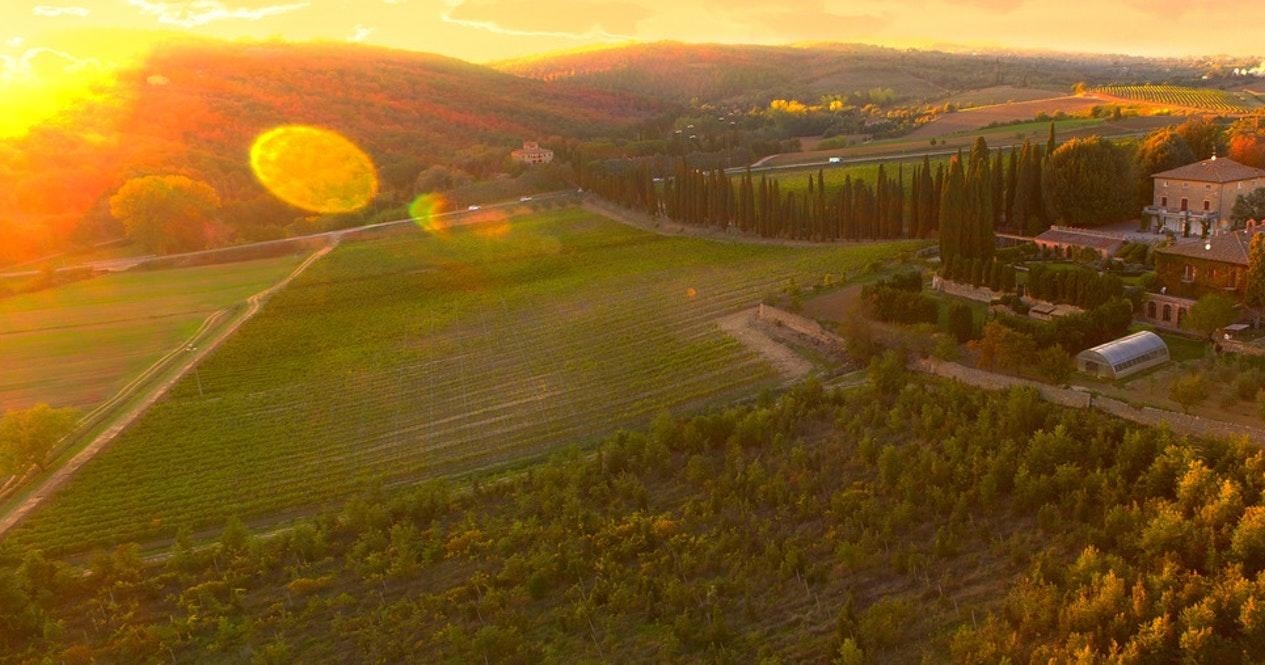
Let a local connect the landmarks.
Use a guided city, walking, or sightseeing tour to turn LA’s sprawl into a coherent story.
Explore walking tour →
Ride the coast and the city.
Beach paths, river corridors, e-bikes, and ridge climbs reveal a more connected Los Angeles.
Explore bike tour →Choose your way into Firenze
The top 15 Firenze adventures.
Ranked by the number of currently listed trips. Each panel opens the complete local activity collection.
1Walking Tour
Firenze is a city made for walking: compact, richly layered, and endlessly revealing. Walking tours here range from short, museum-adjacent introductions to deep, thematic wanders that follow artists, markets, or the faint imprint of medieval walls. On foot you read the city like a palimpsest—stone by stone, piazza by piazza—where Renaissance façades meet the daily rhythms of espresso, artisan workshops, and riverfront light. This guide focuses on the walking-tour experience: routes, terrain, accessibility, seasonal considerations, and practical tips to plan a memorable, efficient exploration of Florence by foot.
Explore walking tour → 2
2City Tour
Firenze is a city best discovered on foot: an open-air curriculum of Renaissance mastery, cobbled alleys whose façades still whisper guild histories, and riverfront viewpoints that stitch neighborhoods together. City tours here range from brisk introductory walks past the Duomo and Piazza della Signoria to deep-dive excursions into artisan workshops, food markets, and rooftop terraces. This guide focuses on the walking, listening, and navigating that turn Florence from a postcard into a lived, layered experience—how to time your visits, where to go when museums close, and which complementary outdoor experiences (river strolls, sunset viewpoints, short hikes to Fiesole) best extend a city tour into a full-day adventure.
Explore city tour → 3
3Sightseeing Tour
Firenze condenses centuries of art, architecture, and urban life into walkable quarters where every alley can lead to a piazza, a workshop, or a view you won't forget. Sightseeing tours here are less about covering ground and more about layering experiences: a guided sweep through Renaissance halls, a twilight stroll across the Arno, an artisan visit in Oltrarno, or a culinary walk between street-food stops. This guide focuses on the many ways to see Florence—on foot, by bike or e-bike, by small-group coach, and as part of curated museum-access tours—while keeping practical planning, accessibility, and seasonal pacing front and center for travelers.
Explore sightseeing tour →4Bike Tour
Florence is a compact city of Renaissance palazzi and narrow streets that gives way, within minutes, to rolling vineyards, olive groves, and quiet country lanes. Bike tours here thread that contrast — pedaling past Duomo spires and then out under cypress-lined horizons — making Firenze one of Italy’s most immediate and satisfying places to explore on two wheels. From relaxed city loops and e-bike afternoons to full-day rides into Chianti’s vineyard mosaic, cycling in and around Florence blends cultural discovery, layered history, and easy access to varied terrain.
Explore bike tour →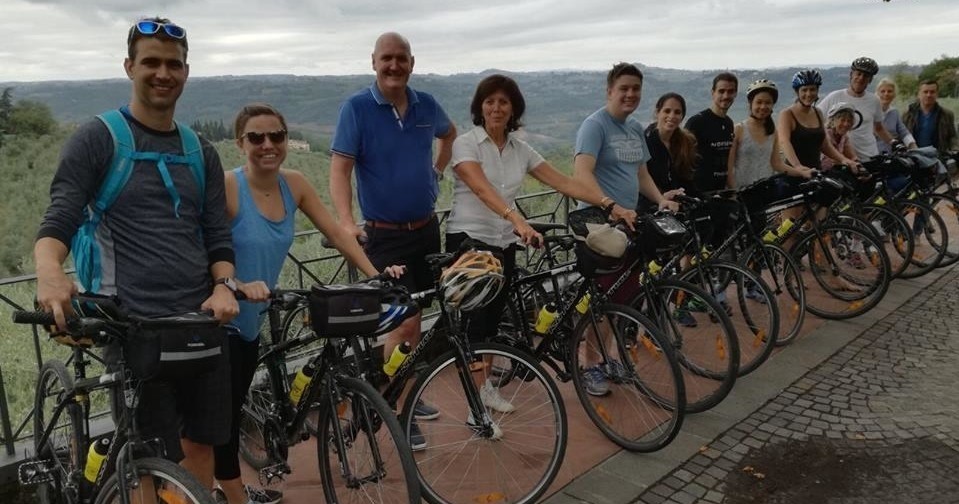 5
5E-Bike
Firenze is a compact city threaded with Renaissance art, medieval lanes, and riverfront promenades — and it also functions as the ideal launchpad for electric-bike excursions into the gentle, vineyard-dotted hills of Chianti and the wooded ridgelines above the city. E‑bikes smooth the climbs, extend single-day range, and make it possible to combine a sunrise spin through ancient streets with a secluded winery lunch in the Tuscan countryside. Expect cobbles, short steep pitches, rural gravel, and traffic-calmed urban stretches; good planning keeps the magic intact.
Explore e-bike → 6
6Bus Tour
From the narrow, sunlit arteries that thread past the Duomo to the rolling vineyards of the Chianti countryside, bus tours around Firenze are the easiest way to translate limited time into a layered experience. Options range from short hop-on hop-off circuits that drop you at the major piazze, to small-coach winery loops, and full-day excursions that thread together Siena, San Gimignano, and Pisa. For travelers who want context with convenience, a bus tour pairs local commentary and reliable logistics with access to places that are otherwise slow or complex to reach by public transit.
Explore bus tour →7Boat Tour
Glide beneath centuries of stone and stucco: Florence's boat tours shrink the city into a ribbon of bronzed bridges, terraced palazzi, and slow urban currents. Whether it's a quiet electric launch at dusk, a guided historical cruise that traces the Medici line, or a longer coastal transfer to Tuscany's shoreline, Florence boat tours transform familiar vistas into a riverine story—part architecture lesson, part slow travel ritual.
Explore boat tour → 8
8Photography Tour
Firenze is a compact museum of light, stone, and human scale—an ideal laboratory for photographers seeking architectural detail, saturated Tuscan color, and intimate street scenes. Photography tours here move at the speed of good light: sunrise on the Arno, midday alleyway studies, and golden-hour panoramas from Piazzale Michelangelo. This guide focuses on tours that maximize access, timing, and local knowledge so you spend less time hunting compositions and more time making pictures.
Explore photography tour → 9
9Water Activities
Florence's image is often marble and fresco—yet the city is threaded by water. The Arno slices through historic neighborhoods, offering surprisingly intimate paddles under stone bridges, sunrise rows with local crews, and soft, reflective moments at the water's edge. Beyond the city, Tuscany's coastline and islands are day-trip territory: sea-kayaking among rocky coves, snorkeling clear bays off Elba, and wind-driven days on the Maremma shores. This guide distills where to get on the water in and around Firenze, how seasons shape conditions, and what to expect from guided outings, lessons, and longer coastal excursions.
Explore water activities → 10
10Bike Rental
Firenze is a city built for sightlines: cathedral domes, river reflections, and lanes that funnel history into a single frame. Renting a bike here unlocks two complementary experiences — the nimble joy of pedaling the Arno’s riverside lanes and the expansive freedom of riding into Tuscan hills and vineyards. From cobbled backstreets to gravel farm tracks (strade bianche), bike rental in Florence is equally a practical urban option and a launchpad for countryside exploration.
Explore bike rental → 11
11Climbing
Firenze is better known for Renaissance art than rock faces, but the city serves as a surprising and convenient base for a varied climbing calendar. From short boulder problems near ancient stone walls to sport crags tucked into the oak-scented Chianti hills and steeper faces farther into the Apennines, climbing around Florence blends technical terrain with Tuscan light, accessible roads, and a culture that rewards a slow appreciation of place after the rope is coiled. This guide focuses on climbing-specific experiences — indoor training, day crags within an hour of the city, and nearby multi-pitch approaches — and pairs practical route planning with what to expect from terrain, weather, and logistics when you’re chasing vertical days from the heart of Tuscany.
Explore climbing → 12
12Hiking
From sunrise over terracotta rooftops to shaded eucalyptus tracks that slice through vineyard hills, hiking around Firenze is an intimate way to read Tuscany’s layered landscape. This guide focuses on walks and day hikes that launch from the city or are reachable with a short drive or train ride—routes that pair cultural landmarks and rural vistas, vineyard lanes and ancient stone paths, and short urban ascents with genuine wilderness escapes into the Apennines.
Explore hiking → 13
13Sailing
Sailing from Florence is an intimate paradox: a Renaissance city of stone and river that opens, with a short drive, to some of the Mediterranean’s clearest waters and island gems. Whether you’re skiffing the Arno at dawn, launching from Livorno for a day to Elba, or exploring the windswept promontories of Argentario, Tuscany’s coast offers a mix of relaxed day sails, island-hopping, and performance-oriented regatta culture—all close enough to fold a sea day into a city trip.
Explore sailing → 14
14Eco Tour
Florence’s reputation as a cradle of art often overshadows a quieter thread: a living, cultivated landscape where river corridors, Renaissance gardens, olive terraces and restored wetlands intersect with urban life. Eco tours here blend natural science, cultural history and hands-on conservation—walking the Arno’s greenbanks, exploring Medici-era gardens, and slipping into the Chianti hills to study biodiversity-friendly viticulture. These experiences are practical, locally grounded, and designed to leave a smaller footprint while delivering a richer understanding of Tuscany’s ecology.
Explore eco tour → 15
15Train
Florence is less a stopover than a starting line. From the vaulted concourse of Santa Maria Novella you can ride a gleaming high-speed train to Rome or Milan in under two hours, slip onto a regional service for a slow, cinematic sweep through Chianti vineyards, or follow the coastal corridor toward Pisa and the Ligurian coves of Cinque Terre. Train travel from Firenze turns movement into a scenery-rich part of the trip—short hops expand your day-trip radius, and overnight routes stitch Tuscany into the wider Italian network. This guide focuses on three standout rail experiences that are practical, evocative, and ideal for travelers who want to pair comfortable transit with walking, wine tasting, light hiking, and cultural discovery.
Explore train →The city and the sea
Why Firenze Belongs on Your Adventure Shortlist
Variety without surrendering the day to long transfers.
To stand in Florence is to be threaded into a city shaped by river trade, guilds, and light that artists measured and tried to capture. The Arno slices the centro storico into mirrored neighborhoods; the Duomo's terracotta dome presides like a weathered summit, a place you can climb for breath and perspective. This compactness is Florence’s gift: walking-tour routes stitch together Renaissance churches, artisan workshops and open-air markets so efficiently that a morning on foot can feel like a curated exhibition. City tours are ideal for first-timers—guides point out hidden fasces carved into palazzi, stories about Medici patronage, and the best local pane and espresso spots that a map alone will miss. But Florence isn't only about looking; it's about moving. Bike tours and bike rental put the hills of Oltrarno and the riverbanks within an easy pedal of the center, while e-bike options extend your range into the Chianti foothills without turning your day into a fitness test. For a different axis of motion, consider a boat tour on the Arno at dusk—light on water softens the palazzi and offers unusual angles for photography-tour itineraries. If you prefer a longer horizon, the train opens immediate access to coastal sailing from Livorno or hiking and climbing in the nearby Apuan and Apennine ranges. Water-activities are less about waves here and more about riverside paddles and seasonal swims on day trips, but the variety is notable: walking, sightseeing, photography, bike and e-bike outings, guided bus tours for long distance orientation, and curated eco-tour experiences among olive groves and vineyards. Practical travelers prize Florence because you can stratify adventure: a morning spent in a guided museum or photography tour, an afternoon on a bike or e-bike exploring artisan neighborhoods, and an evening climb up the Campanile or Piazzale Michelangelo to watch the city fold into lamplight. The city’s compactness also makes multi-activity days feasible—combine a half-day city tour with a short hike or climbing excursion outside the urban core, or swap a bus tour for a slow train ride to a seaside town and a sailing charter. For photographers and slow travelers alike, this is a place to pair cultural depth with active legs and clear logistics. That balance—artful streets and easy access to biking, hiking, sailing and train connections—makes Firenze endlessly rewarding for curious travelers.
The geography helps: Florence sits at a crossroads of river, plain and hills. Short train rides and guided bus tours from the city get you to varied landscapes—Tuscan vineyards, rugged limestone ridges for climbing, or coastal harbors for sailing. Outfitters and rental shops in the centro make bike rental and e-bike options straightforward, and many walking tours are timed to avoid museum lines.
Seasonality shapes the tone: spring and fall are ideal for full-day itineraries—clear light, manageable crowds, and cooler mornings for walking tours and hiking. Summer brings lengthy days, perfect for golden-hour boat tours and late-evening passeggiate, but plan for midday heat and busy museum slots.
Conditions shape the day
The best time to visit Firenze.
Spring and fall offer mild temperatures and clear light for walking tours and photography. Summer brings long days and warmer temperatures—perfect for evening boat tours but expect mid-day crowds. Winters are quiet and good for lower prices; some outdoor tours reduce frequency.
Best all-around window
Spring + fall
Comfortable mixed-itinerary weather, thinner crowds at beaches and lookouts, and more room to improvise.
Beach season
Spring (April–June) and early fall (September–October) draw the largest crowds—book guided tours and museum tickets early.
Surf + whales
November through February yields fewer tourists, lower rates, and easier access to guided climbing and hiking trips; some services may run on reduced schedules.
Coast to inland
Cool marine mornings often give way to warmer inland afternoons and breezy evenings.
Beginner
Short, curated activities that require minimal planning: guided walking tours, city tours, light sightseeing, and rentals that come with orientation.
- Half-day walking tour of the Duomo, Uffizi façade, and Ponte Vecchio
- Photography tour timed for golden hour on Ponte Vecchio and Piazzale Michelangelo
- Leisurely bike rental loop along the Lungarno
Intermediate
Longer itineraries that mix urban movement with short countryside excursions: self-guided bike or e-bike tours, half-day boat tours, and train-assisted hikes.
- E-bike tour into the Chianti foothills with vineyard stops
- Half-day boat tour on the Arno combined with an Oltrarno market visit
- Guided eco tour of olive groves and small vineyards outside the city
Advanced
Full-day adventures and technical outings requiring planning or a guide: multi-stop bike tours, climbing in nearby ranges, long hikes, and sailing charters from the coast.
- Full-day bike tour across rolling Tuscan roads with train shuttle back
- Climbing trip to the Apuan Alps or advanced ridge hikes in the Apennines
- Day sail from Livorno with wind-dependent coastal navigation
Field kit
What to bring.
Pack for sun, salt water, walking, and a meaningful temperature swing between coast and inland Firenze.
Essential
Start here
- Comfortable walking shoes for cobbles and stairs
- Light daypack with water and snacks
- Phone with offline map and a portable battery
- Sunscreen and a brimmed hat for summer city rides
- Compact rain jacket (spring and fall showers)
Water days
Keep it dry
- Small travel umbrella for sudden showers
- Layers for cool mornings and warm afternoons
- Light cycling gloves and padded shorts if planning long bike days
- Camera with a modest zoom for architecture and street photography
Long days
Stay flexible
- Compact tripod for evening photography on the Ponte Vecchio or Piazzale Michelangelo
- Trekking poles for nearby hikes outside the city
- Binoculars for distant ridge views on hilltop walks
Insider note
Start early, then keep the geography tight.
Start popular walking and photography tours early—mornings are quieter and light is often best. If museums are your priority, reserve timed-entry tickets for the Uffizi and Accademia in advance. For bike and e-bike days, choose morning departures to avoid traffic and heat; return to the centro in time for aperitivo and sunset at Piazzale Michelangelo. If you crave coastal sailing or broader water-activities, take the short train to Livorno and book in advance during summer weekends. Finally, support local artisans in Oltrarno—shop small, and remember that many historic craft workshops close for a long lunch.
Good to know
Frequently asked questions.
Can I do most activities without a guide?
Yes—walking tours, bike rental routes, and self-guided sightseeing are very feasible. Choose a guide for deeper historical context, photography-specific instruction, technical climbing, or multi-stop wine and eco tours.
Is Florence good for biking and e-biking?
Yes for short urban rides and routes to Oltrarno and along the Arno; e-bikes are popular for reaching nearby hills and Chianti without extensive fitness demands. Watch for cobbles and narrow streets—stick to designated bike lanes where available.
Are boat and water activities common in the city?
Boat tours on the Arno are available seasonally and offer unique photo perspectives; broader water-activities such as sailing require a short train or drive to Livorno or coastal marinas.
Ready when you are
Find the trip that fits your Firenze day.
Compare bookable experiences across the coast, city, and mountains—then save the ones that belong in your plan.
Explore all Firenze adventures ↗