
Fairplay adventure guide
Find your way into Fairplay.
High in the broad South Park basin, Fairplay is an alpine town that reads like a field guide to Colorado — wide skies, miner-era streets, and a practical gateway to high-country hiking, skiing, ATV loops, and quiet wildlife encounters. Use this guide to mix short walking tours and history stops with more technical outings: climbing and alpine hikes on the Mosquito Range, winter skiing and snowshoe routes, guided rafting day trips within the broader Arkansas and South Platte corridors, and casual bike rental loops around the valley floor. Practical, high-elevation adventure awaits alongside warm lodgings and local knowledge.
Three ways into the city
Pick a landscape. Build a day around it.
Fairplay is less a single destination than a collection of neighboring worlds. Start with the version of the city that matches your pace, then use the ranked guide below to fill in the details.

Begin where the city meets the sea.
Surf breaks, sheltered harbors, whale routes, and long beach paths make the coast LA’s most immediate outdoor playground.
Explore water activities →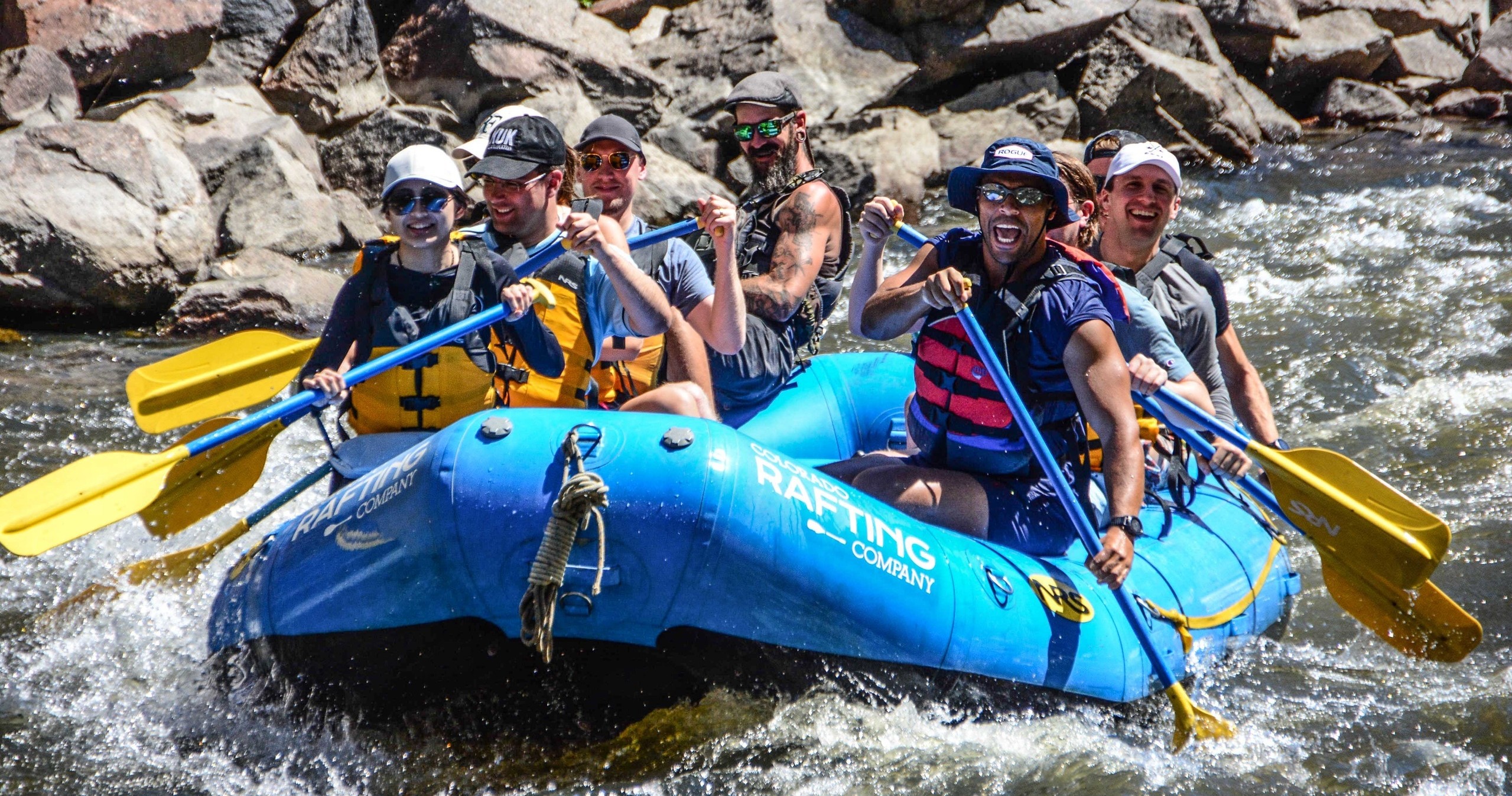
Let a local connect the landmarks.
Use a guided city, walking, or sightseeing tour to turn LA’s sprawl into a coherent story.
Explore walking tour →
Ride the coast and the city.
Beach paths, river corridors, e-bikes, and ridge climbs reveal a more connected Los Angeles.
Explore bike rental →Choose your way into Fairplay
The top 15 Fairplay adventures.
Ranked by the number of currently listed trips. Each panel opens the complete local activity collection.
1Walking Tour
Fairplay is a compact, high-elevation town where history, big-sky landscapes, and accessible trails converge into walking tours that are as much about stories as they are about scenery. From short interpretive strolls through preserved 19th-century streets to riverside loops and meadow pathways with Rocky Mountain vistas, walking here is an intimate way to read the human and natural layers of South Park.
Explore walking tour → 2
2Climbing
Set on the high plain of South Park beneath the Mosquito Range, Fairplay is a compact launching point for a surprising variety of climbing: short sport crags and boulders by the highway, technical trad lines on high granite, and winter ice and mixed routes when temperatures drop. The town’s elevation and proximity to backcountry approaches make it ideal for daylong alpine objectives as well as quick single‑pitch sessions between drives across the divide.
Explore climbing → 3
3Rafting
Fairplay sits at the wide, high-elevation bowl of South Park where alpine snowmelt becomes a story of rushing channels and playful riffles. Rafting here balances accessible family floats with punchy guided runs timed to spring runoff; the experience folds mountain scenery, mining history, and open grassland into a day on the water.
Explore rafting →4Water Activities
High plains meet high country in Fairplay, where broad mountain basins collect cold, clear water that makes for deceptively varied aquatic recreation. From placid reservoir paddles to trout-rich stream banks, Fairplay offers concentrated water activity options within short drives of town—ideal for day trips, family outings, and quiet escapes.
Explore water activities →5Bike Rental
Fairplay sits like a broad, quiet bowl high in Colorado’s interior, a town of wooden storefronts and mining-era bones that doubles as a gateway to big-sky cycling. Rent a bike here and you’re not only picking a machine—you’re choosing an angle on the landscape: gravel cruising across sage-blanketed basins, singletrack threading aspen groves, or fat-tire exploration when winter lays down thick snow. Shops in town know the local roads and will outfit you for short loops, full-day explorations, or multi-day bikepacking routes that follow old mining roads out toward the Mosquito Range. This guide zeroes in on rental options, terrain you’ll encounter, seasonality, health and safety considerations at high elevation, and practical packing and route-planning advice to turn a rental into an unforgettable, confidence-building ride.
Explore bike rental → 6
6Ski
Fairplay is an under-the-radar winter field office for skiers seeking high-plains solitude and gateway access to the Mosquito Range. Here, ski experiences range from wide, wind-sculpted meadow runs and gentle cross-country loops on frozen parkland to serious backcountry touring and steep, avalanche-prone couloirs on exposed alpine faces. The town’s modest services and old mining–town bones make it a practical staging point: fuel, cozy lodgings, local expertise, and clear roads to greater resort terrain within an hour.
Explore ski → 7
7Hiking
Set at nearly 10,000 feet, Fairplay is the high plain at the heart of Colorado’s South Park — a wide, wind-swept basin ringed by rugged crests and quiet alpine meadows. Hiking here is defined by big skies, short but steep approaches into subalpine and alpine terrain, and a surprising variety of landscapes: aspen corridors that glow in fall, tundra-scrub on ridgelines, and trails that trace old mining roads and creekside meadows. This guide focuses on day hikes and multi-hour routes around Fairplay that reward walkers with solitude, seasonal wildflowers, expansive views, and direct access to higher technical peaks for those who want to extend a day into a summit attempt.
Explore hiking → 8
8Train
Nestled in the high basin of South Park, Fairplay is a compact town where the hum of diesel and the click of rails feel like part of the landscape. Train experiences here are less about high-speed transit and more about slowing down—scenic excursions, heritage-car rides, and short interpretive trips that let you read the mountains and the past at a comfortable pace. Whether you're after framed views of sage-and-needled ridgelines, a photo stop by a creek under cottonwoods, or an afternoon that pairs easily with a riverside picnic or short hike, the rail options around Fairplay are some of the most accessible ways to experience the High Rockies without a long climb.
Explore train → 9
9Winter Activities
High, wide, and quietly cold—Fairplay is a compact mountain town that opens into the immense South Park basin. Winter here means broad skies, deep powder in the shadows of the Mosquito Range, and a surprising variety of cold-weather ways to play: from ice fishing on glassy reservoirs to fat-biking groomed dirt roads, snowshoe circuits through sage and aspen, groomed Nordic loops, and extensive snowmobile corridors that thread across the basin. This guide focuses on how to experience Fairplay’s winter terrain with respect for weather, access, and seasonal nuance.
Explore winter activities → 10
10Lodging
Fairplay is the kind of high-country town where the rhythm of lodging is measured in wood smoke, frosted roofs, and the rush of clear creeks. Nestled on a broad subalpine valley and ringed by the Mosquito Range, the town’s accommodations range from rustic cabins and working ranch stays to boutique inns and modern mountain homes. This guide focuses on the experience of staying in Fairplay—what the different lodging types feel like, how terrain and elevation shape comfort and access, and how to plan your nights whether you’re chasing fall aspens, summer alpine trails, or winter backcountry solitude.
Explore lodging → 11
11ATV/UTV
Fairplay sits in the wide, wind-swept basin of South Park where old mining roads and high-country two-tracks braid into one of Colorado’s most rideable alpine playgrounds. ATVs and UTVs here move between ghost towns, aspen-lined creek corridors, and exposed ridge runs with views that cut across mountain ranges. This guide focuses on motorized trail experiences—day loops, multi-hour explorations, and technical sections—giving riders the local knowledge to plan safe, memorable outings.
Explore atv/utv → 12
12Eco Tour
Fairplay sits in the high grassland basin known as South Park, a broad, windswept valley framed by the Mosquito Range. Eco tours here are intimate, place-based experiences: guided wildlife and wetland walks, birding in alpine meadows, interpretive jeep tours through historic mining landscapes, and seasonal river- and lake-focused excursions that explore water, soil, and human history in a fragile high-elevation ecosystem. These tours emphasize slow travel, ecological education, and low-impact discovery—ideal for travelers who want to read the land as much as photograph it.
Explore eco tour → 13
13Wildlife
High, wide, and uncommonly open, Fairplay sits at the heart of South Park—a high-altitude grassland basin that funnels wildlife across a shifting mosaic of wetlands, riparian corridors, sage flats, and the timbered slopes of the Mosquito Range. From roadside elk herds in the shoulder seasons to meditative mornings scanning Elevenmile Reservoir for raptors and waterfowl, Fairplay is a compact, accessible base for focused wildlife experiences. This guide concentrates on where to see animals, how and when to go, what terrain and conditions to expect, and practical tips to make a respectful, safe, and memorable wildlife trip.
Explore wildlife → 14
14Bike Tour
High, wide valleys and old mining roads make Fairplay an inviting base for bike tours that favor long sightlines, crisp alpine air, and a pleasing mix of paved county roads and gravel backcountry. This guide focuses squarely on how to ride the basin and nearby ridgelines—what to expect from terrain and weather, how to plan for altitude and resupply, and which complementary experiences pair well with a day or multi-day tour.
Explore bike tour → 15
15Environmental Attraction
Fairplay sits in a wide, high-elevation bowl where alpine tundra, peat-rich wetlands, beaver-crafted ponds, and mining-era scars combine into an unusually readable landscape. For travelers drawn to living systems—bird migration corridors, fragile fens, headwater streams, and high meadows—this is a place to study how water, ice, and humans have shaped the land. The environmental attractions here are quiet, accessible, and intimate: think boardwalks and short interpretive loops as much as remote lakes and seasonal wildflower carpets.
Explore environmental attraction →The city and the sea
Why Fairplay Belongs on Your Adventure Shortlist
Variety without surrendering the day to long transfers.
Fairplay sits low in language but high in altitude: a wide, grassy basin hemmed by the Mosquito Range and threaded with short, bright rivers and beaver-rich wetlands. The town wears its miner history lightly — boardwalk storefronts and the open-air South Park City museum are an invitation to slow down before you climb up. For travelers craving a lineup of active days, the appeal is practical and pleasurable. Hike steep alpine ridgelines with raw, panoramic views; slot in a half-day climbing session on granite outcrops; or swap a summit attempt for a morning wildlife walk at the valley edge. The town’s compact grid makes it an easy basecamp for combining walking tours and history mornings with afternoons of bike touring, ATV loops, and lake paddles. Because Fairplay sits at elevation, the adventure calendar divides cleanly by season. Summer offers the most options: hiking, bike rental and bike tours across gravel and singletrack, water activities on small lakes and slow-moving reaches, and afternoon eco tours that focus on native flora and birdlife. When snow arrives, the place tightens into a different rhythm — winter activities (skin tracks, snowshoe hikes, and nearby ski areas reachable by short drives) open up, and lodging becomes part of the experience: roaring stoves, hearty meals, and the logistics of moving in thin air. The creative balance here is between approachable outings—short, well-marked hikes and interpretive walking tours through town—and projects that require planning and a guide, like technical climbing, whitewater rafting excursions in the broader river corridors, or multi-day backcountry traverses. What ties it together is scale and access. Fairplay compresses a high-country toolkit into a compact place: outfitters for bike rental and river shuttles, local guides for climbing and winter touring, and lodging that doubles as local intel. That means you can pivot in a day—swap a rainy hiking morning for a museum walking tour and a late-afternoon lakeside paddle. Pack for altitude and fickle weather, and treat the town as a staging area rather than a single-destination stay; the best days are made by stacking a morning history walk or walking tour with an afternoon of higher-energy pursuits like rafting, climbing, or ATV exploration. For families and solo travelers alike, the mix of environmental attraction, wildlife viewing, and interpretive eco tours keeps the itinerary varied and weather-robust.
Access is surprisingly straightforward: a short drive from the Front Range drops you into wide-open high country, with trailheads, lakes, and scenic drives reachable within minutes. Outfitters in and around Fairplay make rentals and guided trips simple—think bike rental for valley loops, guided climbing sessions on technical rock, and shuttles for longer hikes or rafting day trips in nearby river corridors.
Fairplay’s strength is its low-key hospitality. After a day of hiking or winter activities, you’ll find welcoming lodgings and locally owned restaurants that feel like a reward, not a luxury. Use the town as a base and plan adventures by experience level—short walking tours and gentle paddles for easy days; ridge climbs, multi-hour bike tours, and guided rafting for days that demand more planning and stamina.
Conditions shape the day
The best time to visit Fairplay.
Summers are generally sunny with cool mornings and warm afternoons; afternoon thunderstorms are common in July–August. Winters bring reliable snow at higher elevations; plan for cold nights and variable road conditions. Shoulder seasons can be windy and muddy—check local trail advisories.
Best all-around window
Spring + fall
Comfortable mixed-itinerary weather, thinner crowds at beaches and lookouts, and more room to improvise.
Beach season
Summer (June–September) for hiking, water activities, and bike touring; winter holidays for snow-based recreation and ski access.
Surf + whales
Late spring and late fall provide quieter access and value pricing for lodging—expect snow on higher trails into May and from October onward.
Coast to inland
Cool marine mornings often give way to warmer inland afternoons and breezy evenings.
Beginner
Short, well-marked walking tours, easy valley bike loops, and calm lake paddles ideal for acclimating and enjoying the landscape without technical gear.
- Historic walking tour through South Park City
- Gentle bike rental loop around the valley floor
- Short wildlife-viewing stroll in meadow edges
Intermediate
Longer hikes or ridge walks with moderate elevation gain, guided half-day climbing sessions, and multi-hour bike tours on gravel or mixed singletrack.
- Mosquito Range ridge hike with moderate exposure
- Guided climbing session on local granite features
- Half-day bike tour on mixed gravel and singletrack
Advanced
High-elevation ascents, technical climbing, multi-day backcountry routes, and winter ski touring that require route-finding skills, high fitness, and appropriate gear.
- Full-day alpine traverse of a Mosquito Range summit
- Technical multi-pitch climbing with rope and protection
- Backcountry ski or splitboard tour in winter conditions
Field kit
What to bring.
Pack for sun, salt water, walking, and a meaningful temperature swing between coast and inland Fairplay.
Essential
Start here
- Layered clothing for rapid temperature swings at altitude
- Hydration system and electrolyte snacks (altitude increases fluid needs)
- Sun protection (hat, SPF 30+, sunglasses) — UV is stronger at elevation
- Sturdy footwear for mixed dirt, scree, and wet boardwalk sections
- Offline map or downloaded trail app and a paper backup
Water days
Keep it dry
- Lightweight wind/rain shell for afternoon storms
- Trekking poles for steep descents and unsettled footing
- Microspikes or traction devices for early-season snow or icy conditions
- Dry bag for electronics during water activities or rainy days
Long days
Stay flexible
- Binoculars for meadow and shorebird viewing
- Compact repair kit for bikes or ATVs
- Personal locator beacon or satellite messenger for extended backcountry trips
Insider note
Start early, then keep the geography tight.
Start early to avoid midday thunderstorms and to get the best light for ridge views. If you’re new to altitude, plan easy first-day activities and use local shops for last-minute altitude-appropriate supplies. For water activities and rafting, book guides ahead during summer weekends; rivers in the broader region can be remote and shuttle logistics matter. Respect wildlife by keeping distance and securing food in lodgings. Finally, treat ATV/UTV routes and sensitive wetlands with care—use designated corridors and follow Leave No Trace principles.
Good to know
Frequently asked questions.
Can I do most activities without a guide?
Yes for many walking tours, valley hikes, bike rental loops, and basic water activities on calm lakes. Hire a guide for technical climbing, high-elevation mountaineering, whitewater rafting, or unfamiliar winter backcountry travel.
Does altitude make a big difference?
Yes. Fairplay sits at high elevation—expect lower oxygen levels and stronger sun. Take it easy on your first day, hydrate more than usual, and avoid heavy exertion until you’ve acclimatized.
Are ATV/UTV tours regulated?
Trails and motorized routes are managed; follow local regulations, respect seasonal closures, and use licensed outfitters to ensure compliant vehicles and route planning.
Ready when you are
Find the trip that fits your Fairplay day.
Compare bookable experiences across the coast, city, and mountains—then save the ones that belong in your plan.
Explore all Fairplay adventures ↗