
Ewa adventure guide
Find your way into Ewa.
Leeward Oahu’s Ewa district is where gentle trade winds meet broad reef flats and a mosaic of coastal activities. From dawn surfs to sunset snorkeling, this corner of the island is a practical base for water activities—snorkel, surf, SUP, and sailing—while offering quick access to boat tours, cultural city tours, and eco-focused excursions. Use this guide to pick from shore-based discoveries and sea-based adventures, balancing relaxed lagoon days with spirited ocean outings.
Three ways into the city
Pick a landscape. Build a day around it.
Ewa is less a single destination than a collection of neighboring worlds. Start with the version of the city that matches your pace, then use the ranked guide below to fill in the details.

Begin where the city meets the sea.
Surf breaks, sheltered harbors, whale routes, and long beach paths make the coast LA’s most immediate outdoor playground.
Explore water activities →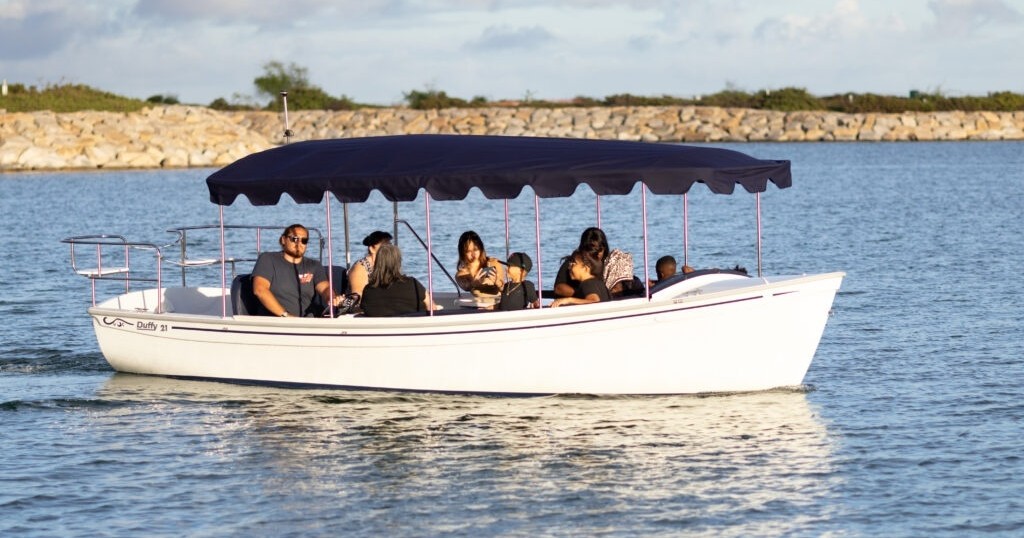
Let a local connect the landmarks.
Use a guided city, walking, or sightseeing tour to turn LA’s sprawl into a coherent story.
Explore boat tour →
Ride the coast and the city.
Beach paths, river corridors, e-bikes, and ridge climbs reveal a more connected Los Angeles.
Explore snorkel →Choose your way into Ewa
The top 15 Ewa adventures.
Ranked by the number of currently listed trips. Each panel opens the complete local activity collection.
1Water Activities
Where the island leans into the Pacific, Ewa is an intimate coastal classroom for water adventures—think quick-access reef snorkeling, steady stand-up paddle mornings, and surf breaks that reward local knowledge. This guide focuses on the water: how the shoreline behaves through the seasons, which pockets are best for beginners versus experienced riders, and practical planning so you can get wet with confidence and respect for fragile reef life.
Explore water activities →2Boat Tour
On Oʻahu’s leeward shore, Ewa is where coral gardens, spinner dolphins, and the long arc of the sunset come into view from the water. Boat tours launching from local marinas range from short harbor cruises and sunset sails to snorkeling runs out to fragile reef patches and seasonal whale-watching departures—each trip offering a different angle on the island’s marine life, coastal geology, and cultural shoreline history.
Explore boat tour →3Snorkel
Ewa's leeward coast offers reef flats, sheltered lagoons, and one of Oahu's best shore-access snorkeling areas. From calm, family-friendly lagoons to dramatic rocky points where pelagic life congregates, Ewa is a practical base for snorkelers who want variety without a long drive.
Explore snorkel → 4
4Sightseeing Tour
Ewa's low, open plain and sheltered leeward coastline make it a quietly compelling place for sightseeing tours that blend coastal panoramas, lived-in plantation history, and modern Hawaiian community life. Tours here favor easy access—short drives and gentle strolls—while offering vivid contrasts: tidal fishponds and restored wetlands, wide sandy beaches, and neighborhoods shaped by sugar, military infrastructure, and recent resort development. Whether you prefer a narrated van drive, a guided e-bike loop, or a paddling float along protected waters, Ewa's sightseeing options are approachable, family-friendly, and rich in local context.
Explore sightseeing tour → 5
5Surf
Ewa’s coastline is a study in contrast: broad sand flats that warm with the sun, shoals and reef edges that strip a wave into perfect shoulders, and a surf culture braided of working harbors, suburban neighborhoods, and Hawaiian lineage. For surfers the area offers a practical playground—gentler summer beachbreaks ideal for learners and longboarders, and punchier reef and point setups that charge up on the right swell. This guide strips away the tourist gloss to focus on what matters most in the water—where the waves break, who they suit, when to go, and how to keep your session safe and respectful.
Explore surf → 6
6Scuba
Ewa’s shoreline is a quietly compelling launch point for scuba divers exploring the western flank of Oʻahu. Close to urban centers yet opening onto coral gardens, submerged lava topography, and sheltered bay dives, Ewa offers a mix of easy shore entries and short boat runs to deeper reefs. Expect warm Pacific water, abundant reef life, and conditions that reward planning around seasonal swell and trade winds. This guide focuses on scuba-specific logistics, dive types, and how to get the most underwater in and around Ewa.
Explore scuba → 7
7Sailing
Ewa’s sheltered leeward waters and steady trade-wind season make it an inviting launch point for coastal sailing along Oʻahu’s western shore. From mellow afternoon sails and sunset charters to offshore day trips that touch coral gardens and hidden coves, sailing out of Ewa blends easy access with world-class island seascape.
Explore sailing →Bus Tour
Ewa’s bus tours are a practical, low-friction way to read the layered story of leeward Oahu — from broad sugarcane plains and military histories to coastal surf towns and quiet wetlands. Whether you want a narrated half-day that ties local culture to landscape, a hop-on hop-off shuttle connecting beaches and cultural sites, or a curated day trip that pairs scenic drives with short walks, bus touring in Ewa smooths the logistics so you can focus on place and people.
Explore bus tour → 9
9SUP
Ewa's west-facing shore delivers a unique SUP playground where reef-protected lagoons, long gentle stretches of sand, and glassy morning flats meet trade-wind afternoons. Whether you're carving the nearshore reefs, exploring estuary channels, or chasing small surf on a paddleboard, Ewa offers approachable water and dramatic coastal views without the crowds of other Oahu hotspots.
Explore sup → 10
10Whale Watch
From the sheltered leeward waters off Ewa, humpback whales stage some of the most reliably dramatic winter passages in Hawaiʻi. This guide focuses on whale-watching experiences launched from the Ewa corridor—small offshore cruises, glass-bottom spectator trips, and shore-based viewing—plus practical advice for timing, accessibility, and how to experience the migration respectfully.
Explore whale watch → 11
11City Tour
Ewa is where plantation-era stories meet modern Hawaiian suburbia — a compact coastal plain that rewards slow, curious travel. City tours here are intimate affairs: walking and biking routes through former sugarcane fields, cultural stops at loko iʻa (fishponds) and neighborhood heiau, food-focused jaunts for local plate lunches and poke, and wetland walks that reveal migratory birds and native loʻi agriculture. This guide highlights curated ways to experience Ewa on foot, by bike, by kayak, or via small-group guided tours, with practical advice to plan a meaningful, outdoor-forward city visit.
Explore city tour →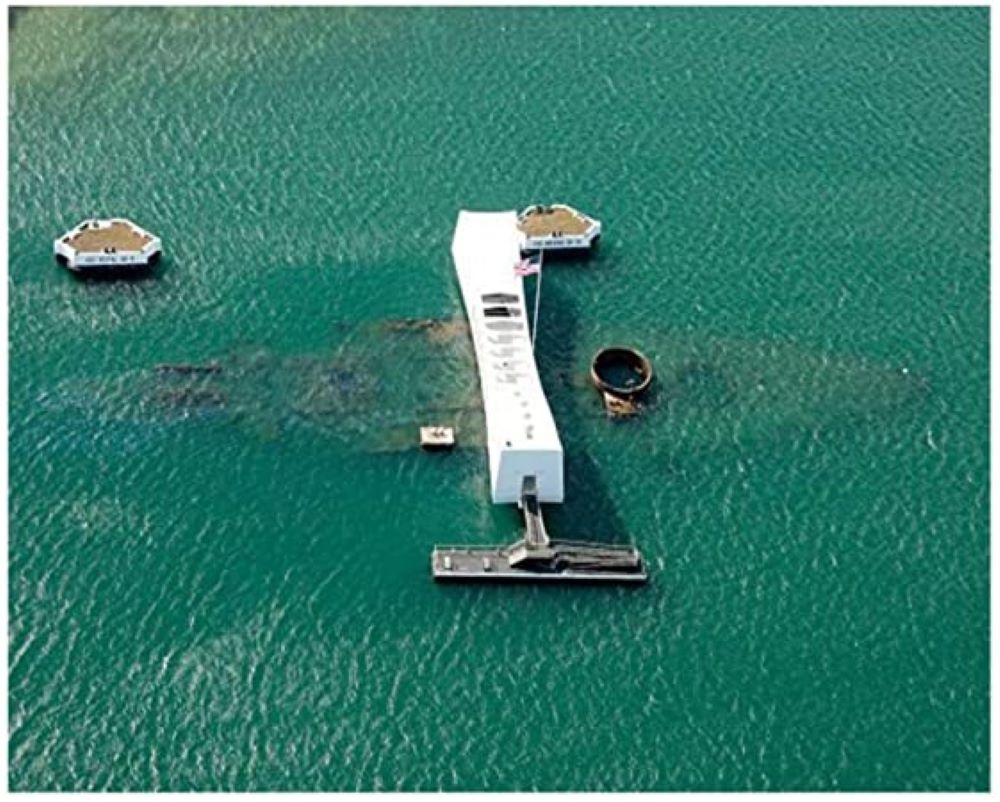 12
12Photography Tour
Ewa’s low, leeward coastline and reclaimed agricultural plain offer a rare combination for photographers: wide coastal horizons and intimate cultural textures within a short drive. This guide focuses on photography tours—sunrise and sunset coastal shoots, wetlands and birding sessions, and street-level work that captures the region’s plantation-era echoes and modern community life.
Explore photography tour → 13
13Dolphin
Off the sheltered leeward shores of Ewa, dolphin encounters are intimate, often playful, and shaped by calm seas and clear light. This guide focuses on dolphin-centered outings—boat and kayak watches, responsible swim-with options, and complementary water activities that let you read the sea as much as watch the animals.
Explore dolphin →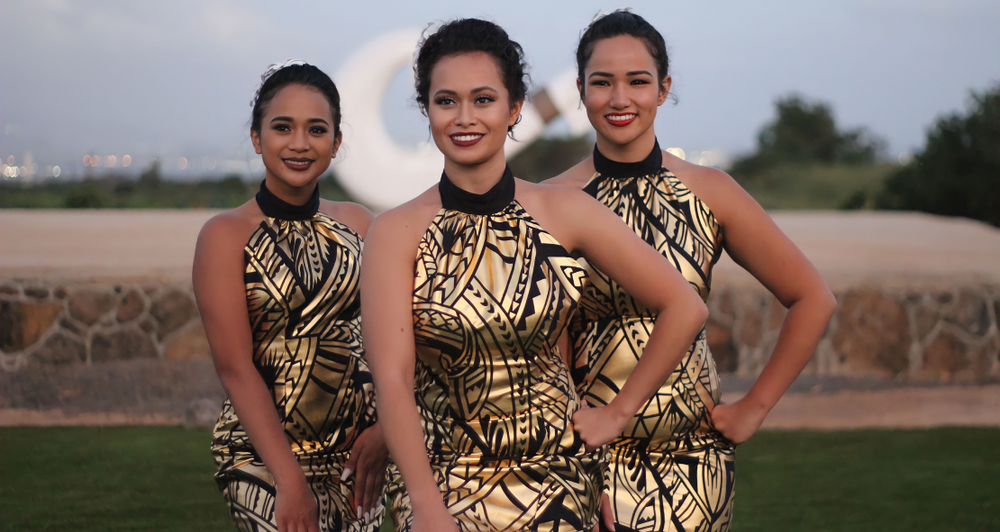 14
14Eco Tour
Ewa’s eco tours fold urban edges and coastal wildness into short, layered adventures—wetland walks that map centuries of human stewardship, reef snorkels that reveal an underwater tapestry of coral and fish, and community-led restoration projects that invite visitors to participate. Close to Honolulu but feeling a world apart, Ewa’s tour operators and cultural practitioners lean into hands-on experiences: guided natural-history walks, low-impact snorkeling visits to nearshore reefs, and interpretive tours of native-plant restorations and historic fishponds. These eco tours are ideal for travelers seeking accessible, educational outdoor time that supports local conservation and connects to Native Hawaiian stewardship practices.
Explore eco tour → 15
15Boat Rental
Ewa’s leeward shoreline is a low-swell corridor of turquoise coves, protected harbors, and fast access to offshore reefs—perfect for boat rentals that want to maximize water time with minimal transit. Whether you’re after a half-day powerboat to chase a sunset, a quiet day of reef snorkeling, or a private charter for fishing and whale watching, Ewa’s rental scene balances convenience with Hawaiian coastal culture.
Explore boat rental →The city and the sea
Why Ewa Belongs on Your Adventure Shortlist
Variety without surrendering the day to long transfers.
Stand on the leeward sand as the morning light softens the reef and you’ll understand Ewa’s quiet argument: this is an island coast built for doing rather than dreaming. The paddling is practical—protected lagoons for SUP novices, reef breaks for surfers dialing in a bottom turn, and shallow coral gardens where snorkeling and scuba reveal tidy, colorful neighborhoods of reef fish. Boat tours and boat rentals launch from nearby marinas, folding longer passages into half-day escapes that still leave time for shave ice before sunset. Beyond the sea there’s an accidental cultural richness. Ewa’s history is braided with plantation life and maritime work, and the modern shoreline is a meeting point for commuters, vacationers, and local families. City tours and photography tours thread those stories into the landscape—shorelines, reef lines, and the odd industrial silhouette—so your island experience isn’t only about the horizon but the human rhythms that shaped it. Practicality rules here: many experiences—boat rentals, SUP sessions, whale-watch outings in season, and beginner surf lessons—are available as half-day bookings, which makes Ewa an efficient hub for travelers balancing time across Oahu. For photographers and nature lovers, the light is generous and the subject list long: glassy lagoon mornings, reef-fed clarity for underwater photography, and winter whale-watch opportunities that animate the offshore blue. Combine a morning on the water (snorkel, dolphin-spotting, or a guided eco tour) with an afternoon of coastal cycling or a bus tour that visits nearby cultural sites, and you have a compact, layered day that feels distinctly Hawaiian without requiring deep logistical planning. Finally, Ewa’s appeal is practical for all skill levels. If you’re new to paddle sports, the sheltered lagoons and supervised SUP classes are forgiving. If you’re chasing a surfable wall or a deeper scuba dive, experienced outfitters and boat charters make expert access realistic. This is a place to stack short, rewarding experiences—boat tour, snorkeling, and a relaxed sunset sail—into a single, memorable day. The result is that Ewa doesn’t demand long commitments to deliver memorable adventures; it rewards smart, short bursts of exploration.
A few logistical advantages stand out: short transfers from Honolulu and airport hubs, plentiful outfitters on the leeward coast, and a mix of self-guided and guided options for snorkeling, scuba, and sailing. That flexibility makes Ewa a sensible launching pad for both day-trippers and base-stay travelers.
Ewa balances activity with accessibility—beachfront leisure, family-friendly boat rentals, and local food stands that make it easy to stitch together a full day without long drives. Seasonal highlights—like winter whale watches—add a calendar rhythm to plan around.
Conditions shape the day
The best time to visit Ewa.
Ewa experiences warm, tropical conditions year-round. Leeward shores are typically drier and sunnier than windward valleys. Trade winds lighten or shift seasonally—choose mornings for the calmest water when planning SUP, snorkeling, or small-boat outings.
Best all-around window
Spring + fall
Comfortable mixed-itinerary weather, thinner crowds at beaches and lookouts, and more room to improvise.
Beach season
Winter holidays and summer months see the most visitors—book activities and boat charters early, especially for whale watches and popular snorkeling runs.
Surf + whales
Shoulder months (spring and fall) can deliver lower prices and quieter beaches while still offering ideal water conditions for most activities.
Coast to inland
Cool marine mornings often give way to warmer inland afternoons and breezy evenings.
Beginner
Short, supervised water sessions and sheltered lagoon paddles that teach basics without exposure to strong wind or surf.
- Guided SUP lesson in a protected lagoon
- Half-day snorkeling in shallow reef gardens
- Beach-based surf lessons on gentle breaks
Intermediate
Longer paddles, guided boat tours to offshore reefs, and introduction-level scuba or surf sessions on consistent breaks.
- Guided boat tour with snorkeling stops
- Intermediate surf session on reef breaks
- Morning SUP downwind to a scenic cove
Advanced
Full-day ocean outings, advanced scuba on deeper reefs, and surf sessions on exposed reef breaks—skills, fitness, and solid local knowledge required.
- Advanced scuba dives on offshore reefs with boat transport
- Experienced-surf sessions on exposed leeward breaks
- Private sailing or multi-stop boat charters for whale and dolphin encounters
Field kit
What to bring.
Pack for sun, salt water, walking, and a meaningful temperature swing between coast and inland Ewa.
Essential
Start here
- Reef-safe sunscreen (SPF 30+)
- Light, quick-dry layers and a sun hat
- Waterproof phone case or dry bag
- Rashguard or swim top for surf and long sun exposure
- Reusable water bottle
Water days
Keep it dry
- Mask/snorkel if you prefer your own fit
- Neoprene booties for rocky shore entries
- Light windbreaker for early-morning boat decks
- Water shoes for reef shorelines
Long days
Stay flexible
- Underwater camera or housing for reef photography
- Compact binoculars for dolphin and whale spotting
- Compact reef-first aid kit (bandage, antiseptic)
Insider note
Start early, then keep the geography tight.
Start on the water at first light for glassy conditions and calmer winds. Choose outfitters who emphasize reef-safe practices and responsible wildlife viewing—particularly during whale season. If you rent a boat, brief your skipper on marine protected areas and ask about onboard shade, water, and emergency gear. For photographers, low, side-light near sunrise and sunset flatters reef textures and coastal silhouettes; underwater photographers should scout snorkel spots at slack tide for the best visibility. Finally, pack reef-safe sunscreen, respect posted signs, and avoid stepping on coral or feeding fish—these simple actions keep the reef healthy for future visits.
Good to know
Frequently asked questions.
Can I snorkel safely without a guide?
Yes, in many of the protected lagoons and designated snorkeling areas, but hire a guide if you want to explore offshore reefs or unfamiliar drop-offs. Guides also carry safety gear and local knowledge about currents and reef health.
When is whale season for watch tours?
Humpback whale season generally runs from about December through March. Guided whale-watch boat tours offer the best chance for ethical viewing and context about whale behavior.
Do I need a permit for drone photography?
Regulations vary—check local, county, and federal rules. Respect no-fly zones around airports and sensitive areas, and follow any posted signs at parks and beaches.
Ready when you are
Find the trip that fits your Ewa day.
Compare bookable experiences across the coast, city, and mountains—then save the ones that belong in your plan.
Explore all Ewa adventures ↗