
Edgewater adventure guide
Find your way into Edgewater.
Edgewater sits on the lean blue seam between barrier islands and the mainland—an intimate Atlantic-side town where every morning light slants across the Indian River Lagoon and invites you to get on the water. This guide stitches together salt-scented mornings with slow afternoons: kayak and SUP launches at hidden inlets, boat rentals and sightseeing tours that thread mangrove tunnels, and low-key fishing charters that drop lines where dolphins cruise. From eco tour narratives about seagrass beds to practical advice for boat tours, scuba days, and airboat thrills a short drive away, Edgewater delivers a compact suite of water activities framed by wildlife, surf windows, and accessible coastal conservation. Whether you want to chase porpoise at dawn, drop a fly for snook as sunset widens, or learn the lagoon’s story on a guided environmental attraction trip, this guide balances immersive local color with the planning details you’ll want before you shove off.
Three ways into the city
Pick a landscape. Build a day around it.
Edgewater is less a single destination than a collection of neighboring worlds. Start with the version of the city that matches your pace, then use the ranked guide below to fill in the details.

Begin where the city meets the sea.
Surf breaks, sheltered harbors, whale routes, and long beach paths make the coast LA’s most immediate outdoor playground.
Explore water activities →
Let a local connect the landmarks.
Use a guided city, walking, or sightseeing tour to turn LA’s sprawl into a coherent story.
Explore boat tour →
Ride the coast and the city.
Beach paths, river corridors, e-bikes, and ridge climbs reveal a more connected Los Angeles.
Explore wildlife →Choose your way into Edgewater
The top 15 Edgewater adventures.
Ranked by the number of currently listed trips. Each panel opens the complete local activity collection.
1Water Activities
Edgewater sits where calm estuaries meet the open Atlantic — a compact, underrated coastal town built for easy access to paddling, fishing, wildlife watching, and glassy-water sunset cruises. This guide focuses on water-based adventures that make the most of the Indian River Lagoon system and the nearby ocean surf: low-key kayak loops through mangrove channels, sport-fishing charters for redfish and trout, sunset stand-up paddles, and wildlife encounters with manatees, dolphins, and migratory birds.
Explore water activities → 2
2Kayak
Edgewater sits on the western bank of the Indian River Lagoon, where shallow tidal waters, mangrove islands, oyster bars, and broad flats create exceptional conditions for flatwater kayaking. Paddlers here trade steep climbs for long lines of sky and close encounters with wildlife—manatees warming in spring, skimming dolphins, herons on the hunt, and migratory shorebirds in winter. Routes range from calm neighborhood launches and mangrove tunnels to exploratory trips into the wider lagoon and nearby inlets; the area is also a gateway for guided eco-tours, night paddles, and short surf-zone crossings for experienced paddlers headed toward the Atlantic coast.
Explore kayak →3Boat Tour
Edgewater is a small-town doorway to one of North America's most productive estuaries. Boat tours here specialize in slow, observational travel: salt-marsh edge skims, dolphin and manatee watching, birding runs through oyster bars, sunset cruises down the Intracoastal, and night trips that chase bioluminescent bays. Whether you want a short wildlife cruise, a photography-focused eco-tour, or a private charter for fishing and island hopping, the boat-tour scene in Edgewater emphasizes calm-water access, natural history, and local captains who know where to find quiet coves and resident wildlife.
Explore boat tour → 4
4Boat Rental
Edgewater sits along a rare coastal estuary network where lazy river channels meet wide shallow flats. Boat rentals here unlock a seasonally shifting palette of wildlife, seafood spots, and sheltered cruising that’s as inviting for a first-time renter as it is for anglers and sea‑bird fanatics. Choose a pontoon for social days, a center-console for nearshore fishing, or a small skiff for skinny-water exploration.
Explore boat rental → 5
5SUP
Edgewater’s low-slung waterways are a playground for stand-up paddleboarding: wide, calm lagoons, sheltered tidal creeks, and mango-green mangrove thickets that peel back to reveal open salt flats. The paddling here is intimate—close to wildlife, easy on first-timers, and endlessly variable for exploration-minded paddlers. Expect laid-back launches, half-day discovery routes, and the chance to weave SUP with wildlife viewing, shallow-water fishing, and coastal photography.
Explore sup →6Wildlife
Edgewater sits at the seam of estuary, marsh, and sea—an intimate, low-slung landscape where manatees forage, dolphins thread tidal channels, and migratory shorebirds pause between long flights. This guide focuses on wildlife-focused experiences: shoreline birding, manatee viewing by kayak or boat, nocturnal sea turtle patrols nearby, and the quiet magic of mangrove creeks. Practical notes and seasonal patterns help you plan when to go and how to see the animals responsibly.
Explore wildlife → 7
7Eco Tour
Edgewater's shoreline is a quietly powerful classroom: estuary flats, seagrass meadows, oyster bars and mangrove edges that support a web of life visible from a kayak, a skiff, or a shore-side boardwalk. This guide focuses on eco tours — interpretive boat trips, guided paddles, birding and photography-focused outings — that reveal why the lagoon is one of North America's most productive coastal ecosystems, and how to plan a responsible, memorable visit.
Explore eco tour → 8
8Scuba
Edgewater sits quietly along a rich coastal estuary where shallow seagrass flats, channels, and nearby Atlantic reefs create a compact and varied scuba playground. Expect accessible shore and shallow boat dives geared to macro photographers, new divers, and technical divers seeking wrecks and artificial reefs a short run offshore. The experience here blends lagoon ecology with the blue-water species of Florida's east coast—an approachable, year-round base for diving, snorkeling, underwater photography, and paired outdoor activities like kayaking, birding, and space-launch spotting from the shoreline.
Explore scuba → 9
9Environmental Attraction
Edgewater sits on the edge of one of North America’s most productive estuarine systems. Here, tidal marshes, mangrove-lined creeks, and broad shallow lagoons shape experiences that revolve around water, wildlife, and seasons. This guide focuses on the environmental attractions that draw birders, paddlers, photographers, and curious travelers who want to know how these fragile systems work—and how to experience them responsibly.
Explore environmental attraction → 10
10Fishing
Edgewater's fishing scene is intimate and varied: shallow mangrove creeks, wide tidal flats, the sheltered Indian River Lagoon, and quick runs to nearshore reefs form a compact playground for anglers. This guide highlights the best inshore, backcountry, pier, kayak, and light-tackle charter trips—ideal for anglers chasing redfish, snook, seatrout, and seasonal tarpon along Florida's Atlantic edge.
Explore fishing →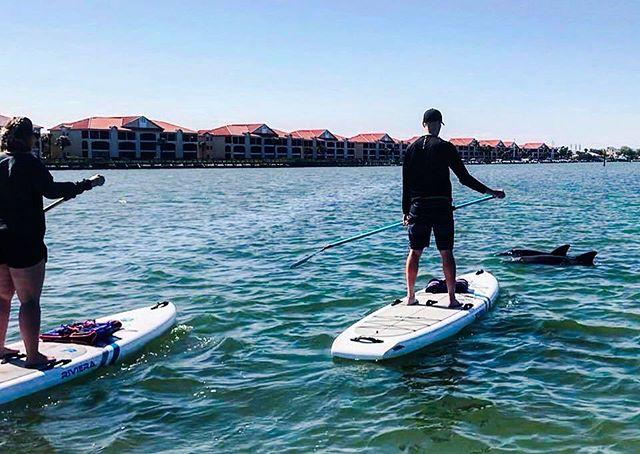 11
11Dolphin
Edgewater sits at the edge of a living estuary — a stitched landscape of shallow channels, seagrass flats, and mangrove fingers where bottlenose dolphins move like punctuation marks across the water. This guide focuses on dolphin-focused outings: from quiet kayak trips that let you watch pods glide through tidal passes to eco-boat tours that pair natural history with responsible wildlife viewing.
Explore dolphin → 12
12Sightseeing Tour
Edgewater’s sightseeing tours fold coastal ecology, quiet historic hamlets, and launch-range drama into short, glanceable journeys. Expect shallow‑water eco-cruises, guided paddle trips through mangrove thickets, shoreline drives past barrier islands, and customizable launch-viewing excursions — all rooted in the sheltered waters of the Indian River Lagoon and the shadow of Cape Canaveral.
Explore sightseeing tour → 13
13Airboat
Edgewater’s salt-scrub coast and braided estuaries open into shallow, wide water where airboats reign. These flat-bottom, fan-powered skiffs are the most direct way to reach the glassy channels, marsh fringes, and secluded oyster bars that define the region. Expect close encounters with shorebirds, skimming dolphins, and the slow hush of lagoon life; expect wind, spray, and a soundtrack of prop wash. This guide focuses on airboat-specific planning: where to go, when to book, what to bring, and how to pair a ride with kayaking, birding, or a sunset drive along the Indian River.
Explore airboat → 14
14Surf
Edgewater sits on the edge of two worlds: a calm, biodiverse lagoon system and, a short drive away, the Atlantic’s shifting beach breaks. For surfers, it’s an understated basecamp—quiet streets, easy access to launch points, and quick runs north and south to a variety of breaks. This guide focuses on surf-specific planning: where to go for beginner-friendly soft-shoulder waves, which nearby reef and sandbar breaks answer to Atlantic swells, how tides and winds shape sessions, and what else to pair with a surf trip here—SUP cruises through the lagoon, inshore fishing, and birdwatching for recovery days.
Explore surf → 15
15Air Activities
Edgewater is a low-key coastal gateway where air and water meet—ideal for travelers who want the visceral lift of a parasail, the cinematic sweep of a seaplane, or the raw-engine hum of an airboat skimming marsh channels. This guide focuses on airborne perspectives: short flights, scenic tours, and waterborne craft that put you above the lagoon and coastline, with practical advice for seasons, accessibility, and pairing these flights with local marine and wildlife experiences.
Explore air activities →The city and the sea
Why Edgewater Belongs on Your Adventure Shortlist
Variety without surrendering the day to long transfers.
Edgewater is the kind of shoreline town that rewards slow attention. You arrive with a coffee, a board, or a pair of binoculars and the lagoon answers: a skiff of pelicans working the tide, a dolphin surfacing like punctuation, patches of seagrass waving beneath transparent water. The place is compact—no long drives between put-ins and ports—and that economy of time turns every outing into a focused immersion. Kayak and SUP paddles feel like private expeditions through mangrove canals; a boat tour opens the same channels to families and photographers; a quick boat rental extends that freedom into the broader dune-ringed waters of Mosquito Lagoon and the edge of the Atlantic. Edgewater’s boating culture is practical and humble: local outfitters run everything from eco tour launches that pause to explain sponge beds and bird rookeries, to fishing charters that know the seasonal habits of snook, redfish, and tarpon. Scuba divers and snorkelers use Edgewater as a calmer alternative to busier dive hubs—when conditions allow, shallow reefs and artificial wrecks reward the curious. For those chasing wildlife, the area is fertile: migratory birds in spring and fall, manatees in winter’s cool months, and playful dolphins year-round. Even the air has an adventurous edge; airboat rides and nearby air activities deliver that high-octane counterpoint to the lagoon’s slow water rhythms. This is also a town mindful of its ecology. Environmental attractions here aren’t just scenery—they’re narratives about estuaries under pressure, conservation organizations mapping seagrass and water quality, and community efforts to protect the shoreline from erosion and development. Practically, Edgewater is approachable: launch fees are modest, parking is usually nearby, and outfitters offer everything from beginner-friendly lessons for SUP and kayak newcomers to guided trips for anglers and wildlife photographers. When planning, think tides, wind, and the day’s light—sunrise paddles make the lagoon glow and evening trips gather the gold on the western shore. For a travel window that pairs comfortable weather with active water conditions, fall through late spring is a sweet spot: heat and tropical showers ease off, visibility in water often improves, and migratory species boost wildlife viewing. Whether you want a short morning paddle, a full-day fishing charter, a scuba outing, or an easy sightseeing tour that folds ecological insight into the route, Edgewater’s mix of water activities, accessible launches, and quiet coastal charm makes it a practical, memorable base for a Florida coastal escape.
Access is the practical advantage here: multiple public boat ramps, community launches for kayaks and SUP, and a cluster of outfitters within a few miles let you build a half-day or full-day plan without marathon transfers. Outfitters also simplify logistics—shuttle returns, gear storage, and guided options for families and beginners.
Edgewater pairs water time with short onshore culture: casual seafood spots, beach access points toward the Canaveral National Seashore, and interpretive centers that explain the lagoon’s role as one of the most biodiverse estuaries in the continental U.S.
Conditions shape the day
The best time to visit Edgewater.
Fall through spring brings milder temperatures and lower humidity—ideal for long paddles, fishing, and clearer water for scuba. Summer is warm and humid with afternoon thunderstorms; plan early starts and monitor marine forecasts.
Best all-around window
Spring + fall
Comfortable mixed-itinerary weather, thinner crowds at beaches and lookouts, and more room to improvise.
Beach season
Late fall through spring (holiday and winter visitor months) draw wildlife watchers and anglers; book charters and guided eco tours in advance.
Surf + whales
Summer weekdays offer quieter launch points and potential value on rentals; mornings are best to avoid heat and afternoon storms.
Coast to inland
Cool marine mornings often give way to warmer inland afternoons and breezy evenings.
Beginner
Short, sheltered paddles, calm boat tours, and guided wildlife outings—ideal for first-timers and families.
- Half-day kayak paddle through mangrove creeks
- Short SUP session on a protected lagoon cove
- Scenic sightseeing tour focused on birdlife and shoreline ecology
Intermediate
Longer open-water paddles, afternoon wind-exposed SUP runs, and inshore fishing trips requiring basic boat-handling knowledge.
- Cross-lagoon paddle toward a barrier island access point
- Guided eco tour that includes seagrass bed interpretation
- Inshore fishing charter for snook and redfish
Advanced
Offshore fishing, multi-day paddles along barrier islands, technical scuba dives, and airboat or high-speed air activities that require experience and planning.
- Full-day offshore fishing charter
- Technical scuba trip to deeper wrecks or reef structures
- Multi-hour open-water kayak or SUP traverse with current awareness
Field kit
What to bring.
Pack for sun, salt water, walking, and a meaningful temperature swing between coast and inland Edgewater.
Essential
Start here
- Life jacket or PFD (check rental availability if not bringing your own)
- Waterproof sun protection (hat, SPF 30+, sunglasses with leash)
- Quick-dry layers and a light windbreaker
- Reusable water bottle and snacks
- Phone in a waterproof case or dry bag
Water days
Keep it dry
- Tide and wind app (or printed tide table) and a local map of boat ramps
- Light reef shoes or sandals for shallow launches
- Binoculars for birding and dolphin watches
- Small packable first-aid kit
Long days
Stay flexible
- Underwater camera or action cam with float
- Compact fishing kit if you’re licensed and planning to fish
- Dry bag with a change of clothes for longer outings
Insider note
Start early, then keep the geography tight.
Start early for flat water and calm winds—sunrise paddles deliver the best light and wildlife sightings. Tide timing matters: low tides can expose oyster bars and complicate launches while outgoing tides sharpen currents in channels. Hire a local guide for dolphin watches and eco tours to learn about seagrass restoration and native bird colonies while keeping disturbance minimal. If you plan to fish, verify licensing rules and seasonal closures. For scuba and snorkel trips, check water visibility and surface conditions the day before departure; many shops will postpone unsafe dives. Finally, respect private docks and posted signs, carry out trash, and use reef-safe sunscreen to protect the lagoon.
Good to know
Frequently asked questions.
Do I need a guide for kayaking or SUP?
No—calm lagoon launches are beginner-friendly and many outfitters offer short lessons. Choose a guided trip for mangrove maze navigation, wildlife-focused tours, or if you’re new to tides and currents.
Are there good spots for snorkeling or scuba?
Yes—shallow reefs and artificial structure nearshore can be fun when visibility is good. Check local dive shops for conditions, certifications required, and recommended sites; tides and sea state can affect safety and clarity.
When is the best time to see dolphins and manatees?
Dolphins are often visible year-round, especially near channels and tidal exchanges. Manatees concentrate in cooler months (late fall through winter) where warmer water sources persist; guided eco tours increase your odds while minimizing disturbance.
Ready when you are
Find the trip that fits your Edgewater day.
Compare bookable experiences across the coast, city, and mountains—then save the ones that belong in your plan.
Explore all Edgewater adventures ↗