Top 15 Things To Do in Driggs, Idaho
Perched in the soft green of Teton Valley, Driggs is a seasonal compound for people who want to move—fast on snow, slow on rivers, and easy on alpine mornings. The town’s outsized reputation comes from its proximity to Grand Targhee, a snow-rich backcountry gateway, and to the high-desert to mountain transitions where you can string a snowmobile day to a sunset paddle. Use this guide to pair winter motorized runs and skiing with summer fishing, hiking, and boat days at Palisades Reservoir.
Top 15 Things To Do in Driggs
Ranked by number of available trips • Each activity type links to all experiences
Why Driggs Belongs on Your Adventure Shortlist
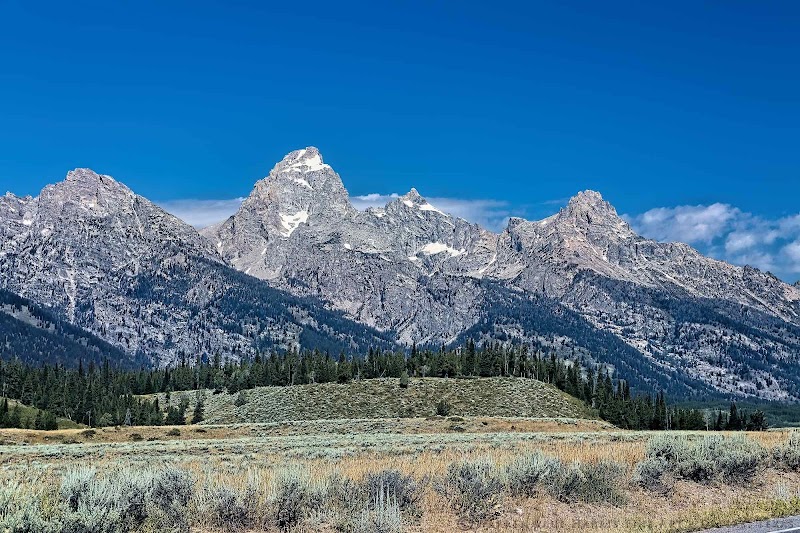
There’s a practical poetry to Driggs: a small grid of streets shadowed by a grandwall of peaks, a handful of outfitters that seem to know everyone’s name, and an easy rhythm where a morning climb becomes an afternoon float. If you ferry yourself here in winter, the valley tightens into a playground of white—snowmobile runs that thread sage flats and high bowls, groomed lifts at Grand Targhee that keep lines sensible, and backcountry gateways that welcome experienced skiers. In summer, the same elevation swing becomes an invitation. Rivers loosen into fishable seams. Gravel tracks invite ATVs and bikes. Palisades Reservoir cuts a bright blue wedge into the sage, perfect for boat rentals and long evening light.
The reason Driggs reads like a condensed season is access. The town functions as a compact basecamp: a single grocery stop, a handful of cafes, and enough guides and rental shops to outfit a group without fuss. That means you spend more hours outside and fewer figuring out logistics. It also means the activities stack cleanly—start with a sunrise Ridge hike, move to a mid-day fly-fishing session, and finish with a low-light wildlife watch as elk and mule deer cross the meadows. The Valley’s wildlife is a persistent character in any visit: raptors freckle the thermals, moose haunt willows, and pronghorn or elk appear on ridge-lines if you keep still.
Culturally, Driggs is muted but earnest. There are no pretenses—just local knowledge, an emphasis on safety and conservation, and guides who interpret weather, water, and snow conditions like a second language. That sensibility matters: whether you’re booking a snowmobile run that drops you at a remote saddle or hiring a guide for float fishing on the Teton River, the region favors sustainable, low-impact access. Outfitters commonly brief clients on wildlife etiquette, private-land respect, and Leave No Trace practices before they push a throttle or cast a line.
For travelers deciding when to come, Driggs rewards focus. Winter is uncompromisingly active—think snowmobiling and downhill/splitboard days—while summer layers a mix of hiking, fishing, boating, and guided eco tours. Both seasons offer a kind of solitude few high-profile mountain towns maintain: fewer crowds, wide horizons, and a calendar that still bends to early sunrises and late golden hours. If you want to sample the whole palette, plan a shoulder-season visit that catches late snowmelt and early summer fishing; if you want to chase snow, lock a winter weekend and rely on local guides to steer you toward the safest, most scenic lines.
Access is immediate and sensible—Driggs is compact, with outfitters, rental shops, and guide services clustered around a single main street. That logistical simplicity turns complex days (shuttles, permits, rentals) into straightforward decisions.
Pair the outdoors with quiet town comforts. Evenings in Driggs are low-key—pizza and craft beer, quick gear checks, and route planning for the next day. It’s a basecamp town that rewards early starts and late sunsets.
Best Time to Visit
Best Months
Weather Notes
Winters are cold and snowy—ideal for skiing and snowmobiling; summers are warm and dry with cool nights. Spring and fall are shoulder seasons with rapidly changing conditions; always check local forecasts and mountain pass status.
Peak Season
Winter snowfall and summer reservoir season bring the most visitors—book lodging and guided outings early for holiday weekends and mid-summer weekends.
Off-Season Opportunities
Late spring and early fall offer thinner crowds, strong wildlife viewing, and lower rates—expect variable trail conditions and some seasonal business closures.
Choose Your Adventure Level
Beginner
Short, well-supported outings with low technical demand—guided fishing floats, easy walking tours, and supervised boat rentals make great introductions.
- Guided fishing trip on the Teton River
- Family-friendly boat rental day at Palisades Reservoir
- Short walking tour of downtown Driggs and nearby viewpoints
Intermediate
Longer hikes, half-day guided excursions, and moderate technical days—expect variable terrain and longer drives to trailheads.
- Day hike on Teton Pass trails
- ATV/UTV rental loop around nearby BLM roads and trails
- Half-day snowmobile tour into valley bowls
Advanced
Full-day traverses, technical backcountry skiing, and multi-disciplinary trips requiring advanced navigation and planning.
- Backcountry ski or splitboard missions from Grand Targhee access gates
- Multi-day guided snowmobile expeditions with avalanche training
- Long technical ridge routes with route-finding and exposure
What to Bring
Essential
- Layered clothing for rapid temperature swings (base, insulating mid, shell)
- Sturdy boots for trail and shoreline access
- Water, snacks, and a reusable bottle
- Sun protection (hat, SPF 30+, sunglasses) for high-elevation sun
- Personal flotation device for any boating or reservoir activity
- Printed or offline map and phone backup battery
Recommended
- Small daypack with rain shell and first-aid kit
- Trekking poles for mixed mountain trails
- Wading shoes and polarized sunglasses for fishing
- Lightweight microspikes for early/late-season icy patches
Optional
- Binoculars for wildlife and birding
- Action camera with chest/head mount
- Compact dry bag for shore- and boat-based days
Insider Tips & Local Knowledge
Verify access, hours, closures, and avalanche conditions with local guides and official land managers before you go.
Book outfitters early during peak winter and summer windows. For wildlife viewing, dawn and dusk are prime—bring binoculars and keep distance. After storms, favor groomed lifts or guided snowmobile runs rather than solo backcountry travel unless you have avalanche training. Respect private property and grazing lands; many trailheads require careful approach. For lake days, check wind forecasts—Palisades can shift from glassy to choppy on short notice. Finally, support local businesses: small-town outfitters provide critical local knowledge that makes days safer and more rewarding.
Frequently Asked Questions
Do I need a guide for snowmobiling or skiing?
Guides are strongly recommended for backcountry snowmobiling or off-piste skiing—local guides provide route knowledge, avalanche safety, and access permissions that matter for safety and land stewardship.
Are there good options for family-friendly water days?
Yes—Palisades Reservoir offers calm coves suitable for family boating and swimming in summer. Rent boats or kayaks from local providers and follow life-jacket rules for all children.
Can I wildlife-watch on my own?
You can, but hiring a local eco tour or joining a guided wildlife viewing increases your odds of sightings and ensures you follow best practices to minimize disturbance.