
Downieville-Lawson-Dumont adventure guide
Find your way into Downieville-Lawson-Dumont.
A cluster of small mountain communities tucked into Colorado's canyon carved by Clear Creek, Downieville-Lawson-Dumont reads like a compact outdoor playground. Daybreak here can mean a river cast for trout, a quick hike to a sunlit ridge, or renting a bike and rolling along old rail grades before traffic wakes. The place rewards a layered itinerary: walking tours through tiny historic cores, half-day hiking and climbing scrambles, and water activities where the creek widens or calmer reservoirs sit near town. Whether you crave a mellow sightseeing tour to learn local mining lore or a full-throttle bike tour that links singletrack to gravel, this pocket of the Front Range pairs approachable access with the kind of mountain clarity that pulls you back for another afternoon.
Three ways into the city
Pick a landscape. Build a day around it.
Downieville-Lawson-Dumont is less a single destination than a collection of neighboring worlds. Start with the version of the city that matches your pace, then use the ranked guide below to fill in the details.

Begin where the city meets the sea.
Surf breaks, sheltered harbors, whale routes, and long beach paths make the coast LA’s most immediate outdoor playground.
Explore water activities →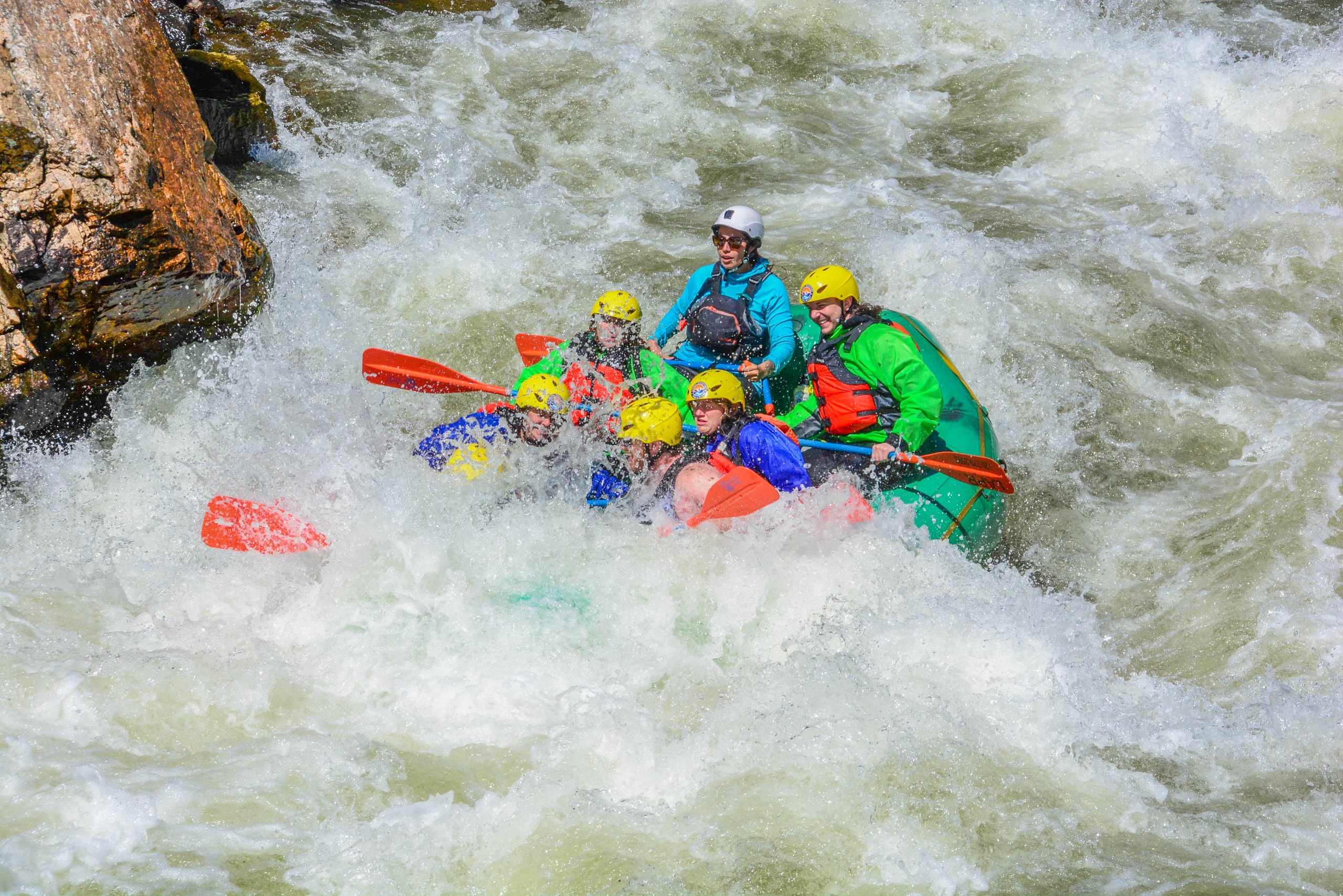
Let a local connect the landmarks.
Use a guided city, walking, or sightseeing tour to turn LA’s sprawl into a coherent story.
Explore walking tour →
Ride the coast and the city.
Beach paths, river corridors, e-bikes, and ridge climbs reveal a more connected Los Angeles.
Explore bike tour →Choose your way into Downieville-Lawson-Dumont
The top 15 Downieville-Lawson-Dumont adventures.
Ranked by the number of currently listed trips. Each panel opens the complete local activity collection.
1Walking Tour
Tucked along Clear Creek in the high Rockies, the trio of Downieville, Lawson, and Dumont compresses a century of Colorado mining life into short blocks of weathered storefronts, interpretive signs, and riverfront paths. Walking tours here are intimate affairs: self-guided strolls past gold-era remnants, brisk riverside loops that showcase quick-changing mountain light, and interpretive routes that tie geology, railroad history, and environmental recovery into a single afternoon. These walks pair naturally with nearby outdoor pursuits—biking and trail running on adjacent singletrack, seasonal fly-fishing along Clear Creek, and scenic drives that thread historic bridges and narrow canyon cuttings. With more than 100 curated walking-based experiences in the region, you’ll find everything from 20-minute historical stops to multi-neighborhood exploration routes that demand a half day of curiosity and comfortable shoes.
Explore walking tour → 2
2Hiking
Tucked along Clear Creek between the bustle of the Interstate 70 corridor and the quiet rise of the Front Range foothills, Downieville-Lawson-Dumont offers a compact but surprisingly varied hiking playground. Trails snake through old mining scars, climb rocky ridgelines, and follow the creek’s cool corridor—delivering steep viewpoints, riffled water crossings, and accessible day-hike loops within a short drive of Denver. This guide focuses on hiking-specific experiences: creekside walks, historic-mining routes, ridgeline scrambles, and high-reward overlooks best visited from late spring through early fall.
Explore hiking → 3
3Climbing
Tucked into the narrows of Clear Creek and threaded along the I-70 corridor, the Downieville-Lawson-Dumont cluster is compact but diverse—an intimate strip of crags, short approaches, and creekside boulders that rewards both quick morning sessions and multi-pitch ambitions. Climbers come for short, technical sport lines and slabby trad climbs with surprisingly varied exposure for such a small footprint. The proximity to Denver and Golden makes this area a practical choice for after-work laps, weekend missions, and linking climbing with rafting, hiking, or a scenic drive through the mountains.
Explore climbing →4Water Activities
Tucked between high mountain ridgelines and a broad reservoir, Downieville-Lawson-Dumont is a compact but surprisingly varied water-playground. From placid mornings on big-water flatwater to seasonal runs on mountain-fed rivers and the hush of winter ice, the area's water activities are framed by summit silhouettes, wide-open sky, and the legacy of a mining landscape reshaped by reservoirs and recreation.
Explore water activities → 5
5City Tour
This cluster of tiny mountain towns—Downieville, Lawson, and Dumont—reads like a condensed chapter of Colorado’s mining-era story. City tours here are intimate: short walking loops past clapboard houses and relic foundations, quick driving routes that thread old railroad grades and creekside parks, and self-guided interpretive stops that translate weathered facades into human stories. These are the kinds of tours that pair easily with a half-day hike, a riverside picnic, or a morning of fly-fishing—compact, sensory, and quietly historic.
Explore city tour → 6
6Fishing
A tight knot of canyon, cottonwood, and riffle—Downieville-Lawson-Dumont sits where the South Platte carves through the Front Range foothills, offering accessible trout fishing for daytrippers and anglers chasing seasonal hatches alike. Expect pocket-water runs, long wadeable tailwaters, and roadside pullouts where you can tie on a nymph without hiking for miles. This guide focuses on the fishing experience here—how to read the water, when to go, what to pack, and how to layer nearby outdoor activities like hiking, dispersed camping, and scenic drives into a single trip.
Explore fishing →7Bike Tour
Two quiet mining-era towns and a narrow, fast-moving creek form a corridor of surprising riding variety: mellow valley roads that thread between old cabins, gravel backcountry connectors that climb to high meadows, and technical singletrack that drops into wooded draws. This guide focuses on bike tours—day loops, multi-stage gravel routes, and mixed-terrain explorations—designed for riders who want a compelling mix of landscape, history, and pedal-forward adventure.
Explore bike tour → 8
8Bike Rental
Nestled between jagged ridgelines and the ribbon of Clear Creek, the Downieville-Lawson-Dumont triangle offers a compact, high-value playground for rented bikes: technical singletrack, fast descents, mellow creekside rides, and accessible town loops. Rent a trail-ready hardtail, a full-suspension mountain bike, or an e-assist for steeper climbs, and you can stitch together a half-day of adrenaline or a relaxed afternoon exploring mining-era towns and riverside paths.
Explore bike rental → 9
9Sightseeing Tour
Nestled along Clear Creek in the shadow of the Front Range, Downieville-Lawson-Dumont is a compact corridor of dramatic canyon walls, gold-rush relics, and panoramic highway viewpoints. Sightseeing tours here compress Colorado’s mining history, high-desert riparian habitat, and roadside waterfalls into short, accessible loops—perfect for half-day outings or relaxed day trips from Denver. Expect photo stops at creekside bridges, interpretive panels near former mills, quiet pullouts where eagles ride canyon thermals, and short walking detours that reveal layered geology and local lore.
Explore sightseeing tour → 10
10Ski
Perched on the edge of the Continental Divide and threaded by I-70, Downieville-Lawson-Dumont is less a ski resort town than a rugged gateway: a launch point for pulse-quickening alpine laps, skin tracks up wind-scoured ridges, and quick access to classic Colorado resorts within a short drive. Expect a winter of high-altitude sunlight, wind-shaped cornices, and the kind of compact, accessible terrain that rewards both early-season explorers and spring-ski purists.
Explore ski → 11
11Winter Activities
Snow softens the skeleton of the old mining roads and remakes this handful of mountain towns into a quiet winter playground. Downieville-Lawson-Dumont is not a single resort so much as a cluster of access points to typical Colorado winter pursuits: snowshoe loops through lodgepole stands, groomed and ungroomed cross-country lines, fat-bike runs where summer singletrack becomes a frozen ribbon, and access to nearby backcountry slopes for skiers and splitboarders comfortable with navigation and avalanche hazard. Expect short drives to trailheads, a rustic local vibe, and a strong sense of solitude once you leave paved roads—winter here rewards basic winter skills, good timing, and an appetite for clear, cold air.
Explore winter activities → 12
12Lodging
A narrow ribbon of communities along the Colorado River, Downieville-Lawson-Dumont offers a lodging scene that's equal parts practical and characterful—think roadside motels with mountain views, cozy cabins tucked beside aspens, and active RV parks that serve as staging grounds for river-running and snow sports. Small, easy to navigate, and ideally placed between larger resort towns, this cluster is less about luxury resort trappings and more about access: quick exits to trailheads, ski areas, river put-ins, and scenic drives. Lodging here is as much about rhythm—arriving late, warming up by a pellet stove, and waking to sunlight on the Continental Divide—as it is about location.
Explore lodging → 13
13Train
Perched along the spine of Clear Creek, the Downieville‑Lawson‑Dumont cluster reads like a railfan’s map: steep canyon walls, old mining conveyor lines, and pockets of railroad memory threaded through modern traffic. Train-focused experiences here range from short heritage runs and nearby scenic loop rides to using rail corridors as launch points for hikes, mountain-bike shuttles, and interpretive history walks. Whether you’re chasing golden‑hour light on steel rails, planning a family-friendly steam excursion nearby, or pairing a half‑day ride with a riverside trail, this guide concentrates on how trains shape access, atmosphere, and adventure in this compact mountain corridor.
Explore train →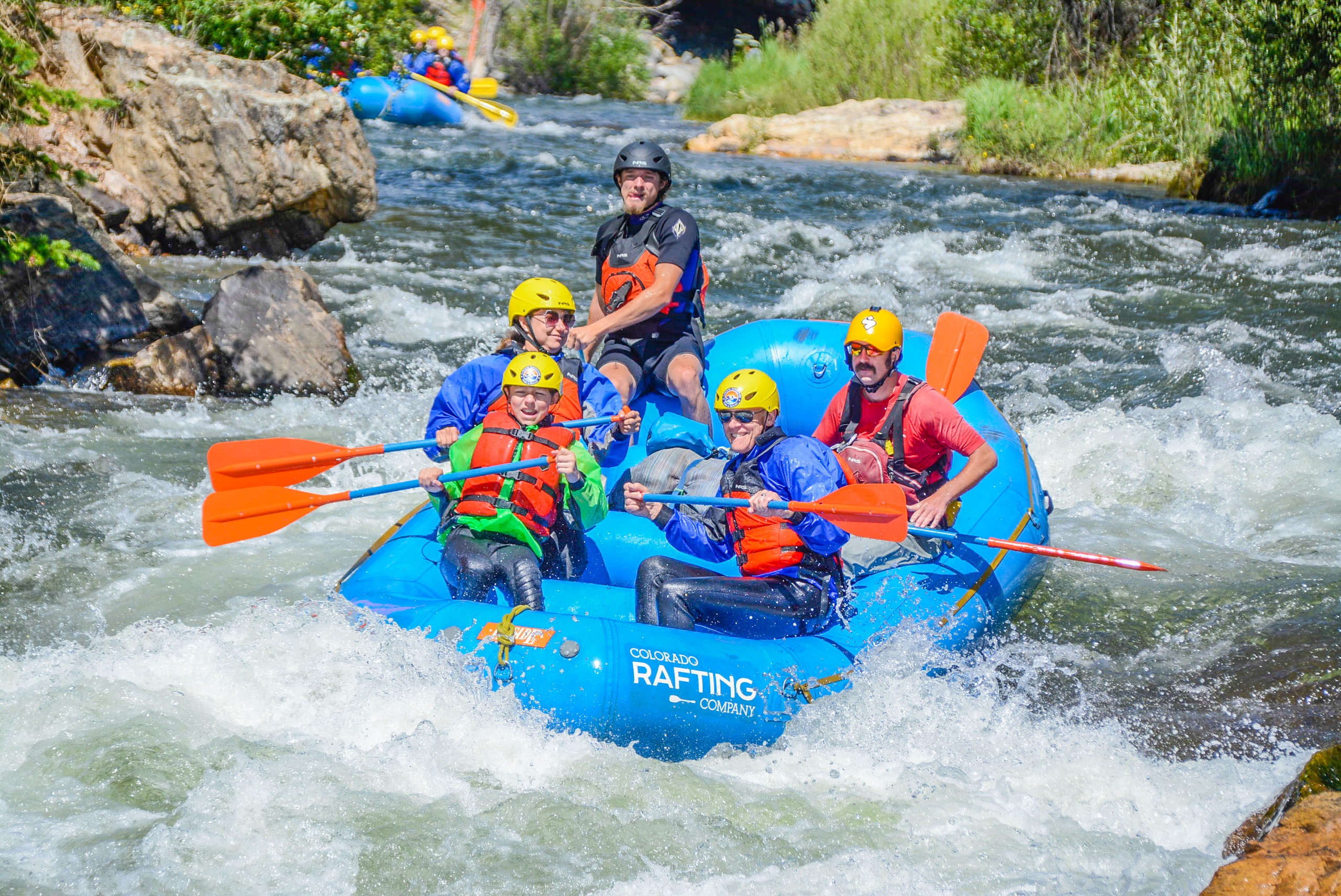 14
14Rafting
Perched where granite walls and pine forests funnel mountain runoff, the Downieville-Lawson-Dumont corridor offers a concentrated, high-energy rafting experience on Clear Creek and nearby whitewater. These short, punchy canyon runs are perfect for half-day guided trips and for paddlers looking to stitch river bursts into a broader mountain weekend of hiking, biking, and hot springs. Expect close-to-road access, rapid variability with spring runoff, and local outfitters that stage shuttles directly from I-70 pullouts.
Explore rafting → 15
15Boat Rental
High above the Denver basin, the Downieville-Lawson-Dumont corridor offers a brief but rewarding window into Colorado’s mountain-water culture. Boat rentals here lean into contrast: glassy alpine reservoirs and quick-moving creek pockets invite quiet paddling and shoreline exploration, while short drives access larger waters for motorized outings, fishing, or sunset pontoon cruises. This guide focuses on what to expect when you rent a boat in the area—terrain, seasonality, safety, and the simple logistics that turn a day on the water into a mountain memory.
Explore boat rental →The city and the sea
Why Downieville-Lawson-Dumont Belongs on Your Mountain Itinerary
Variety without surrendering the day to long transfers.
If you shave a week or a long weekend from a Colorado plan and aim it at the narrow valleys off the interstate, Downieville-Lawson-Dumont offers a compact, highly readable sample of high-country recreation. The area is not a single trailhead or resort complex but a stitched landscape of creekside pulls, mining-era roads, and short technical crags. That patchwork quality makes it excellent for travelers who want to stack different experiences in a single day—walk a historic town main street, hike a half-day ridge, then finish with a late-afternoon cast or a mellow paddle where the water spreads and slows. The cadence here favors variety over epic commitment. A morning walking tour or city-tour-style loop introduces the place’s human story: miners and rail crews who shaped roads and laid out parcels. From those gentle, interpretive strolls you can pivot quickly into hiking and climbing. Short approaches mean you spend less time on dirt roads and more time on gear testing and scenic moments—ideal for families, mixed-ability groups, or anyone balancing a travel schedule. Bike tour and bike rental options are a real asset: old railroad grades and gravel connectors turn into easy miles for casual riders and confident training ground for mountain-bikers pushing toward more technical singletrack. Water activities thread through the valley in two moods: the creek for trout fishing and quiet poling, and nearby reservoirs or slow-moving sections for boat rental, SUP, or short sightseeing tours by water. For whitewater fans, rafting and guided runs are reachable at higher flows, while winter converts the same corridors into skiable zones and pockets of winter activities when snow accumulates. Lodging choices cluster small and practical—cabins, inns, and the odd lodge—so you can swap a comfortable basecamp for early starts. Trains and historic transit corridors echo the old logistics of the region and make for evocative summer walks or photography loops. Practical note: the area’s small scale is its superpower. You can be out the door and onto a trail, on the water, or mounting a short crag in minutes. That accessibility makes Downieville-Lawson-Dumont an efficient staging ground—pair a morning hike or climbing session with an afternoon raft, or a sunrise fishing stretch followed by a bike tour linking lakes and overlooks. Use the mix of activities—Walking Tour, Hiking, Climbing, Water Activities, Fishing, Bike Tour, Ski and Winter Activities—as organizing principles for an itinerary that’s easy to customize by weather, group ability, and how much adrenaline you want by noon.
Access and adaptability define the destination: short drives between trailheads and put-ins let you pivot mid-trip when snow, rain, or a sudden high water advisory changes plans. Outfitters often provide bike rental and boat rental so you can travel light and local.
The cultural layer—mining remnants, old train grades, and small-town civic life—gives every outdoor outing context. Sightseeing tours, whether self-guided or led, turn a hike into a listening exercise in human and natural history.
Conditions shape the day
The best time to visit Downieville-Lawson-Dumont.
Summer days are typically warm with cool nights; afternoon thunderstorms are possible. Spring and fall offer stable shoulder-season conditions for hiking, fishing, and biking. Winter brings snow that enables skiing and other winter activities but can limit some water and hiking options.
Best all-around window
Spring + fall
Comfortable mixed-itinerary weather, thinner crowds at beaches and lookouts, and more room to improvise.
Beach season
Summer (June–August) draws the most day visitors for hiking, water activities, and bike tours; holiday weekends are busiest.
Surf + whales
Late fall and winter offer quieter lodging rates and access to snow-dependent recreation like skiing—pack microspikes or snow-ready tires and confirm road conditions.
Coast to inland
Cool marine mornings often give way to warmer inland afternoons and breezy evenings.
Beginner
Short, well-marked walking tours, low-grade gravel routes, and calm water sections make for approachable days.
- Historic walking tour of town centers
- Short creekside hike to a viewpoint
- Gentle boat rental or sightseeing tour on a small reservoir
Intermediate
Longer hikes with moderate elevation, guided rafting or fishing trips, and sustained gravel bike tours.
- Half-day ridge hike with varied terrain
- Guided rafting or fly-fishing float
- Bike tour linking historic sites and singletrack warm-ups
Advanced
Technical climbing routes, aggressive mountain-bike descents, and high-flow whitewater require advanced skills and local knowledge.
- Multi-pitch climbing or steep crag scrambling
- Full-day advanced bike tour on technical singletrack
- High-water guided whitewater runs
Field kit
What to bring.
Pack for sun, salt water, walking, and a meaningful temperature swing between coast and inland Downieville-Lawson-Dumont.
Essential
Start here
- Layered clothing for canyon temperature swings
- Daypack with water, snacks, and basic first-aid
- Footwear suited to both wet creek crossings and rocky trails
- Sun protection (hat, SPF 30+, sunglasses)
- Valid fishing license if you plan to fish
Water days
Keep it dry
- Light rain shell or wind layer for afternoons and higher elevations
- Helmet and protective gear for technical climbing or fast descents on bikes
- Dry bag for electronics during water activities
- Compact repair kit for bikes and boats
Long days
Stay flexible
- Binoculars for birding and overlook scouting
- Action camera or small tripod for low-light canyon shots
- Portable water filter for longer outings
Insider note
Start early, then keep the geography tight.
Start early to beat crowds and afternoon weather. If you plan to combine activities—say, a morning hike and an afternoon raft—use local outfitters for shuttle logistics and equipment drop-off. After heavy rain, favor gravel and paved routes to protect trails and avoid slick creek crossings. For winter visits, monitor plow schedules and pack traction devices. Quiet weekdays open up short parking lots and trailheads that fill fast on summer weekends. Finally, respect private property and seasonal closures near historic mining sites—many of the cultural features are fragile and require thoughtful visiting.
Good to know
Frequently asked questions.
Can I do most activities without a guide?
Yes. Many walking tours, hikes, and mellow water activities can be done independently. Use guides for technical climbing, whitewater rafting, or if you’re unfamiliar with local river conditions.
Are there bike rentals on-site?
Bike rental options are commonly available nearby; renting locally is a convenient way to access gravel connectors and bike tours without hauling equipment.
Is fishing catch-and-release, and do I need a license?
Fishing regulations vary—bring a valid state fishing license and check current rules and seasonal restrictions before you go.
Ready when you are
Find the trip that fits your Downieville-Lawson-Dumont day.
Compare bookable experiences across the coast, city, and mountains—then save the ones that belong in your plan.
Explore all Downieville-Lawson-Dumont adventures ↗