
Downe adventure guide
Find your way into Downe.
Downe sits where tidal marshes meet slow, brackish rivers — a stretch of Southern New Jersey that feels more salt-worn estuary than suburb. This guide gathers the Top 15 ways visitors come alive here: from boat tours and canoe trips that thread oyster beds and migratory bird staging areas, to city and walking tours of riverside hamlets, to low-key fishing, sailing, and SUP sessions off sheltered coves. Expect eco tours that illuminate the region’s working waterfront history, small-batch lodging options that lean into coastal calm, and rental desks offering everything from canoes to motor skiffs. Whether you lean into sightseeing tours and bus or train approaches, or you opt for hands-on water activities, Downe’s rhythm is slow and seasonal—perfect for paddlers, birders, families, and anyone looking to trade a highway soundtrack for tide and gull calls.
Three ways into the city
Pick a landscape. Build a day around it.
Downe is less a single destination than a collection of neighboring worlds. Start with the version of the city that matches your pace, then use the ranked guide below to fill in the details.

Begin where the city meets the sea.
Surf breaks, sheltered harbors, whale routes, and long beach paths make the coast LA’s most immediate outdoor playground.
Explore water activities →
Let a local connect the landmarks.
Use a guided city, walking, or sightseeing tour to turn LA’s sprawl into a coherent story.
Explore sightseeing tour →Ride the coast and the city.
Beach paths, river corridors, e-bikes, and ridge climbs reveal a more connected Los Angeles.
Explore water activities →Choose your way into Downe
The top 15 Downe adventures.
Ranked by the number of currently listed trips. Each panel opens the complete local activity collection.
1Sightseeing Tour
Downe Township is a quiet corner of New Jersey where tidal channels, wide marsh plains, and low, wind-sculpted horizons make sightseeing an exercise in subtle, liquid landscapes. The region’s sightseeing tours emphasize eco-guided boat trips, marsh walks, and self-guided scenic drives that turn bird migration, shorebird foraging, and soft-sand bayside light into a calendar of memorable day trips.
Explore sightseeing tour → 2
2City Tour
Downe Township is less a metropolis than a mosaic of salt‑marsh villages, working waterfronts and quiet streets where the pace is set by tides and local lore. A city-tour approach here is an invitation to slow down: to follow fishing piers, museum cases, shrimp boats and storefronts that still trade in community knowledge. This guide frames urban-style exploration through the lens of a coastal small town—walking loops, short drives between hamlets, and themed tours (food, history, wildlife) that reveal how landscape and livelihood are braided along the Delaware Bay.
Explore city tour →3Water Activities
Tidal creeks, wide bay beaches, and a patchwork of marsh channels make Downe Township a quiet, singular place for water-based exploration. From slow paddles through glassy marshes to saltwater fishing and clam-digging at low tide, this guide focuses on getting you wet in the best ways—safely, sustainably, and with a sense of place.
Explore water activities → 4
4Lodging
Downe's lodging scene is quietly eclectic: historic bed-and-breakfasts perched near tidal creeks, converted farmhouses that open directly onto hayfields, and simple waterfront cabins where the tide sets your morning tempo. This guide focuses on places to sleep and stay in Downe, with practical notes about access, seasonality, and the outdoor experiences that pair best with each style of lodging.
Explore lodging → 5
5Boat Tour
Boat tours out of Downe unfurl a different New Jersey: salt-flat horizons, low-slung skies, and a stitched landscape of marsh channels where ospreys wheel and horseshoe crabs line the beaches each spring. Whether you want a slow, interpretive cruise through the Maurice River’s tidal creeks, an oyster-farm visit with a local waterman, or a sunset run along the Delaware Bay, these short excursions pack ecological richness and quiet maritime history into a few hours on the water.
Explore boat tour → 6
6Train
Downe's flat coastal plain and long, low horizons make rail travel here something different: a slow-motion study of salt marsh, gull-haunted shorelines, and the industrial traces of a working coast. This guide focuses on train-based experiences—heritage excursions, scenic short-haul runs, and rail-adjacent adventures that let you read the landscape from a window seat.
Explore train →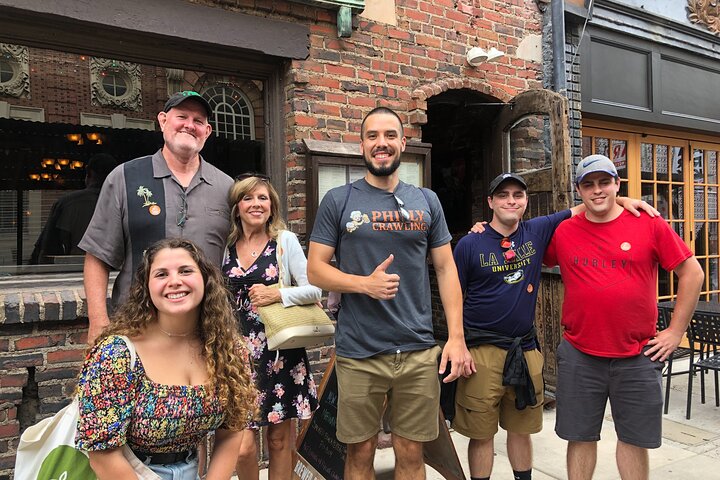 7
7Walking Tour
Downe Township is a quiet, salt-scented corner of New Jersey where walking tours are the best way to read the landscape: tidal creeks carve dark veins through marsh grass, tiny fishing hamlets tuck behind levees, and low-slung horizons mean big sky on every stroll. This guide gathers the township’s 17 best walking experiences—short coastal loops, interpretive marsh walks, historic-village ramblers, and long shoreline ambles—each one a chance to move slowly through a living coastal ecosystem and the region’s maritime history.
Explore walking tour → 8
8Bus Tour
Downe’s quiet salt marshes, tidal creeks, and working waterfronts are best absorbed from the calm, climate-controlled vantage of a guided bus. These curated routes stitch together natural history, rural culture, and coastal vistas—perfect for travelers who favor storytelling, wildlife viewing, and hands-off logistics over self-guided navigation.
Explore bus tour → 9
9Eco Tour
Downe Township is a study in margins—the living edge where meadow meets sea, and where tides choreograph a rich pulse of life. Eco tours here center on salt marshes, horseshoe-crab spawning flats, migrating shorebirds and hands-on restoration work. Whether you lace into a kayak for a dawn paddle through braided creeks or join a guided boat trip timed to the spring migration, Downe’s tours deliver intimate, educational exploration grounded in conservation.
Explore eco tour → 10
10Fishing
Downe Township sits on the wide, shallow margins of Delaware Bay where tidal flats, winding creeks, and marsh channels concentrate fish—and anglers. From shore-casting for fluke and croaker to skiff trips across exposed flats for striped bass at tide change, Downe's fishing scene is intimate, tide-driven, and rich with seasonal runs.
Explore fishing → 11
11Boat Rental
Downe Township sits along New Jersey’s western shore of the Delaware Bay, where boat rentals unlock a uniquely tidal world of shallow creeks, wide marsh flats and sudden horizon views. Rent a skiff, small outboard, or tandem kayak and you can spend a morning threading glassy tidal channels, an afternoon chasing migrating shorebirds, or a golden-hour run along open bay water. This guide focuses tightly on the rental experience—what the waterways are like, when to go, practical safety and logistics, and how to pair a boat day with local nature and cultural outings.
Explore boat rental →Canoe
Downe Township is a place where paddles cut through glassy tidal creeks, marsh grass whispers at the gunwale, and each bend feels like a small revelation. This guide focuses on canoeing the low-lying waterways that define southern New Jersey: tidal estuaries, slow meandering rivers, and sheltered marsh channels that are best explored by hand-propelled boats. Expect birdlife in abundance, long views across salt flats at low tide, and a seasonality shaped by tides, migration, and the theta of summer heat. Practical detail and on-the-water storytelling combine here to help you plan short day paddles, exploratory trips into the marsh, and multi-launch itineraries that link Downe’s quieter access points with more developed river corridors.
Explore canoe → 13
13Sailing
Downe Township unfolds like a salt-stained map of sheltered creeks, wide tidal flats, and long, low horizons. For sailors it’s a study in nuance: shallow-water navigation, tidal timing, and effortless wildlife encounters. These four curated sails—ranging from short sunset charters out of Fortescue to multi-hour excursions that thread the Maurice River and Delaware Bay—showcase how this tucked-away corner of southern New Jersey rewards attention, patience, and a light touch with the helm.
Explore sailing → 14
14SUP
Downe Township is tidal marshland in miniature: a stitched landscape of sloughs, creeks, and bay flats that rewards slow travel. For SUP, that means long paddles through glassy channels, close encounters with shorebirds, and quiet runs under salt-scented air. This guide focuses on how to plan those calm, contemplative days on the board—when to go, what to expect from tides and wind, and how to pair paddling with birding, fishing, and coastal hikes.
Explore sup → 15
15Zoo
Downe Township isn’t the place for a sprawling metropolitan zoo, but its scale is the point: wildlife experiences here are intimate, restorative, and rooted in coastal ecosystems rather than concrete enclosures. Within and just beyond Downe’s tidal marshes you’ll find a trio of zoo-style opportunities—small wildlife rescue and rehabilitation centers, a community-run sanctuary and petting farm, and nearby county zoo options a short drive away. Together they stitch a visitor’s day from up-close animal encounters and hands-on learning to broad, salt-scented vistas where migrating shorebirds and raptors stage dramatic flybys. This guide orients you to those experiences—what each feels like on the ground, how the terrain and tides shape access, which seasons bring the most activity, and how to plan a responsible visit that supports conservation work while maximizing enjoyment for families and solo travelers alike.
Explore zoo →The city and the sea
Why Downe Belongs on Your Adventure Shortlist
Variety without surrendering the day to long transfers.
Downe is the kind of place that asks you to slow down before you can truly begin. You arrive by a narrow county road, the maples and marsh grass softening the horizon, and something about the light — low and delicious in spring and fall — re-tunes your pace. The landscape here is stitched by water: the Maurice River and its tributaries braid into tidal creeks that open to the Delaware Bay. Those waterways are both working and wild. Oystermen still tend racks and racks of cultch; anglers cast for striped bass and weakfish along mudflats; kayaks and canoes slip past rank stands of cordgrass where migrating shorebirds rest on long journeys north and south. That duality — human labor and abundant wildlife — gives Downe its narrative. Boat tours translate local lore into stories that land on your ears the way wind tangles through a shrimp net: plain, practical, and unexpectedly lovely. For travelers, Downe is a laboratory of small adventures. There are easy wins for families and first-timers—walking tours through compact historic hamlets, gentle SUP sessions on sheltered water, and short boat rentals that let you loop a bay island by lunch. For more seasoned folk, the region offers layered options: an eco tour that pairs birding with hands-on tidal ecology, a full-day sailing outing that teaches you how to read wind off a low coastline, or a guided fishing trip that starts before dawn and ends with a shore-cooked haul. Lodging tends to be intimate: inns and waterfront B&Bs that slide into the broader cadence of outings rather than compete with it. Practical comforts—hot coffee, warm rooms, local seafood on the menu—pair well with itineraries that begin early and stretch into slow evenings. Culturally, Downe is a portal into an older Jersey: small boatyards, ferry lore, and towns that anchor both memory and migration. Train and bus travelers can reach nearby hubs then transfer to local tours, while drivers will appreciate unhurried back roads and plentiful put-ins. Seasonally, spring and fall are luminous—migration and water temperatures make for reliable birding and fishing—while summer delivers long days and family-friendly water activities. Even in quieter months, the marshes reward attention; winter tides and wide skies create a different kind of clarity. In short: Downe isn’t a headline destination; it’s a layered one. It rewards curiosity with tangible returns—wildlife sightings, skilled local guides, a day spent hip-deep in estuary ecology—and leaves you with a practical sense of place that lasts long after you’ve folded your map.
Access is straightforward but intentionally low-key. Major coastal routes funnel you to small town centers and boat launches where outfitters provide canoe and SUP rentals, guided boat tours, and fishing charters. If you prefer public transit, plan around one-way shuttle options and seasonal services; many experiences are best paired with a local operator to handle tides and parking logistics.
Pair time on the water with land-based curiosities—historic harbors, small museums, and locally run lodges. The best days here stack a morning paddle or fishing trip with an afternoon walk through a riverside village and a quiet evening at a neighborhood tavern or inn. Bring patience and gear suited for salt air and sudden weather shifts; the rewards are close—scenic, seasonal, and quietly unforgettable.
Conditions shape the day
The best time to visit Downe.
Spring and fall bring cooler air, active bird migration, and comfortable paddling conditions. Summer is warm and family-friendly but can be buggy in marsh edges; afternoons often produce onshore breeze. Winter is quiet and dramatic—check operator availability before planning.
Best all-around window
Spring + fall
Comfortable mixed-itinerary weather, thinner crowds at beaches and lookouts, and more room to improvise.
Beach season
Late spring through early fall—book lodging, guided boat tours, and rentals in advance, especially for weekends and holiday periods.
Surf + whales
Late fall and winter offer lower rates, empty launch ramps, and dramatic shorebird concentrations after storms; expect limited guided services and shorter daylight hours.
Coast to inland
Cool marine mornings often give way to warmer inland afternoons and breezy evenings.
Beginner
Gentle paddles on protected creeks, short guided boat tours, and walking tours through village centers make Downe accessible to newcomers.
- Intro SUP session on a sheltered tidal creek
- Short sightseeing boat tour of the estuary
- Walking tour of a riverside hamlet
Intermediate
Longer paddles against light current, single-day canoe loops, and shore-based fishing with local guidance.
- Half-day canoe trip on the Maurice River
- Guided eco tour focusing on estuary species and marsh restoration
- Afternoon sailing lesson in protected bay waters
Advanced
Extended open-bay paddles, multiday trips with tide planning, and technical fishing charters that require sea-sense and navigation skills.
- Full-day tidal navigation paddle with shuttle
- Advanced sailing or coastal cruising outing
- Multi-hour fishing charter targeting migrating species
Field kit
What to bring.
Pack for sun, salt water, walking, and a meaningful temperature swing between coast and inland Downe.
Essential
Start here
- Light waterproof layers and a windbreaker for open-water excursions
- Paddling footwear or quick-dry shoes for mud and boat decks
- Waterproof phone pouch or dry bag
- Sunscreen, hat, and polarized sunglasses for glare off the water
- Reusable water bottle and tide-aware itinerary (print or offline map)
Water days
Keep it dry
- Binoculars for shorebird and raptor spotting
- Small first-aid kit and blister care
- Compact camera with weather protection
- Comfortable day pack for shore walks
Long days
Stay flexible
- Waders for guided fishing or intertidal exploration
- Lightweight spotting scope for distant flocks
- Kayak or canoe helmet for choppier open-bay conditions
Insider note
Start early, then keep the geography tight.
Start early—tides and light shape the best wildlife moments and avoid midday crowds. Book rentals and guided tours well ahead of summer weekends. Respect working waterfronts: yield to commercial gear, follow posted no-entry signs around oyster racks, and ask before landing on private shorelines. For birding, bring binoculars and step quietly; marsh edges hide excellent views without disturbance. If you're self-launching, check low-tide mud lines and plan a route that accounts for changing currents. Finally, support local outfitters and eateries—small businesses here are often also the best sources for real-time conditions and rare sighting tips.
Good to know
Frequently asked questions.
Do I need a guide to explore the estuary?
No—you can rent a canoe, kayak, or SUP and explore sheltered coves on your own. That said, guides add local knowledge about tides, birding hotspots, and safe routes, which is especially helpful if you’re unfamiliar with tidal estuaries.
Are there family-friendly activities?
Yes. Short boat tours, calm-water SUP near shore, easy walking tours in town centers, and supervised fishing outings make great options for families with children.
Can I combine a boat tour with wildlife viewing?
Absolutely. Many boat and eco tours focus on marsh ecology and birding during migration windows. Bring binoculars and a camera with a zoom lens for the best experience.
Ready when you are
Find the trip that fits your Downe day.
Compare bookable experiences across the coast, city, and mountains—then save the ones that belong in your plan.
Explore all Downe adventures ↗