
Dover adventure guide
Find your way into Dover.
Tucked into the gentle hills west of Boston, Dover reads like a New England primer: stone walls, winding quiet roads, and pockets of river and forest where city-weary footsteps can slow. The town’s outdoor offering is compact but varied—think dawn kayak launches, late-afternoon bike tours on back roads, and photography-friendly light spilling through birch groves. Whether you pair a walking tour of the village with a ferrying stretch of river views, rent a bike for a half-day loop, or slip into a kayak for a calm paddle, Dover rewards simple, well-crafted days outside. This guide focuses on the town’s strongest draws—boat and kayak options, accessible hikes, bike routes, and a scattering of fishing and eco-tour opportunities—while pointing to nearby city-tour access and sightseeing that make it an easy base for Greater Boston adventures.
Three ways into the city
Pick a landscape. Build a day around it.
Dover is less a single destination than a collection of neighboring worlds. Start with the version of the city that matches your pace, then use the ranked guide below to fill in the details.

Begin where the city meets the sea.
Surf breaks, sheltered harbors, whale routes, and long beach paths make the coast LA’s most immediate outdoor playground.
Explore boat tour →
Let a local connect the landmarks.
Use a guided city, walking, or sightseeing tour to turn LA’s sprawl into a coherent story.
Explore walking tour →
Ride the coast and the city.
Beach paths, river corridors, e-bikes, and ridge climbs reveal a more connected Los Angeles.
Explore bike tour →Choose your way into Dover
The top 15 Dover adventures.
Ranked by the number of currently listed trips. Each panel opens the complete local activity collection.
1Boat Tour
Dover sits inland from the coast, but its rivers, reservoirs, and short drive to Boston make it an easy launch point for an array of boat tours—from calm river outings and estuary wildlife cruises to full-throttle whale watching and historic-harbor sails. This guide focuses on how to find the right vessel, time your trip, and pair a day on the water with complementary activities in the region.
Explore boat tour →2Walking Tour
Dover's walking tours are intimate lessons in New England landscape and history: quiet tree-lined lanes, unbroken stone walls, and conserved woodlands that cradle old farmsteads. Whether you're chasing color in autumn, spring blossoms in hidden gardens, or a crisp winter ramble on packed snow, walking here is about discovering subtle narratives—of land use, stewardship, and a way of life preserved at a human pace.
Explore walking tour → 3
3Water Activities
Dover's water scene is quietly persuasive: tucked ponds, reed-fringed streams, and a network of suburban waterways that reward paddlers, anglers, and families seeking slow-water escapes. This guide focuses on water activities around Dover—paddling sheltered coves, chasing bass in spring-fed ponds, and pairing short shoreline hikes with afternoons on the water. Expect intimate natural pockets rather than big-surf drama: the experience here is small-scale, seasonal, and deeply connected to the town's conservation ethos.
Explore water activities → 4
4City Tour
Dover's small-town lanes, historic farms, and pocket woodlands compress New England's rural-urban contrast into a strollable, surprisingly rich city-tour experience. These tours are less about skyscrapers and more about country roads, estate architecture, agricultural heritage, and the quiet transitions between town center and conserved lands. Expect curated walking routes, thematic history tours, and bike-friendly corridors that connect green spaces, farm stands, and glimpses of colonial-era landscapes.
Explore city tour → 5
5Sightseeing Tour
Dover's appeal for sightseeing is quietly specific: a patchwork of rolling fields, stone walls, and well-preserved New England architecture that rewards a slow, observant approach. Sightseeing tours here are less about marquee monuments and more about the textures—old carriage roads, curated estate grounds, and conservation lands that reveal layers of local history, seasonal color, and pastoral calm within an easy drive of Boston.
Explore sightseeing tour → 6
6Sailing
Dover sits inland but serves as a quiet, strategic launchpad for a surprising variety of sailing experiences: sheltered flat-water instruction stretches on the Charles River, short coastal crossings from nearby South Shore launch points, and day sails into Boston Harbor and out toward the islands of Massachusetts Bay. Expect a blend of learning-focused trips for beginners, tidal-navigation day sails for intermediates, and nearby passages for sailors chasing coastal mileage. The town’s proximity to diverse waterways makes it an appealing base for travelers who want to mix village calm with coastal adventure.
Explore sailing →7Bike Tour
Dover's patchwork of narrow lanes, stone walls, and protected woodlands makes for unexpectedly rich bike touring just west of Boston. Rides here swing from placid family loops past farms to punchy road climbs and mixed-surface jaunts that showcase New England seasons—spring ephemerals, low-slung summer green, and brilliant fall foliage. This guide focuses on how to experience Dover by bike: route styles, what to expect from terrain and surfaces, seasonal considerations, and practical planning for riders of all levels.
Explore bike tour → 8
8Boat Rental
Dover sits a short drive from a patchwork of calm rivers, suburban lakes, and sheltered estuaries—an ideal staging ground for short boat rentals, mellow paddles, and motor‑assisted afternoon cruises. This guide focuses narrowly on renting boats near Dover: what waters are accessible from nearby launches, which craft suit local conditions, seasonal windows, and practical considerations for planners who want water time without a long drive.
Explore boat rental →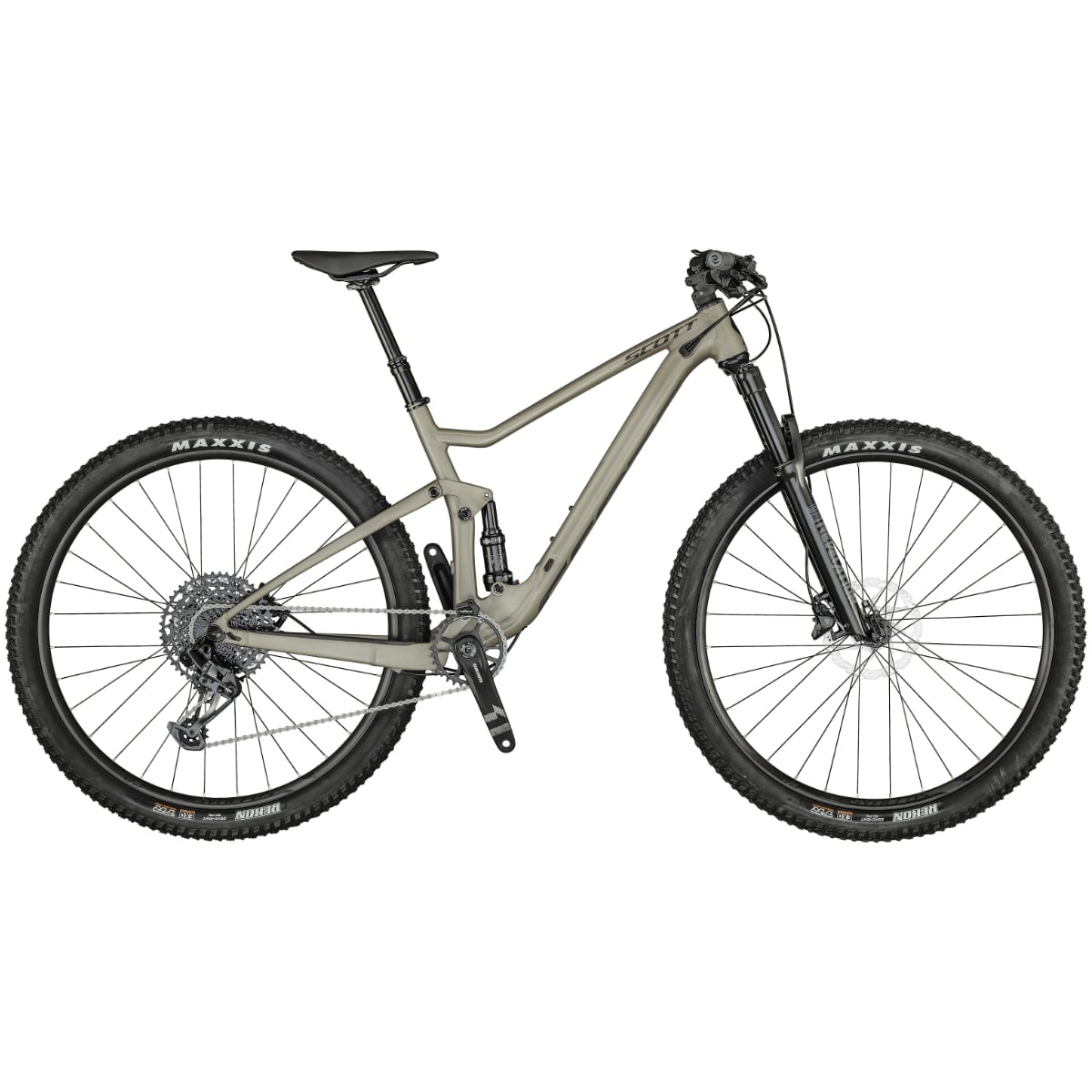 9
9Bike Rental
Dover’s quiet lanes, leafy conservation parcels, and easy access to longer suburban rail-trails make it an ideal low-key launching point for rental riders. Whether you want a relaxed cruiser for noodle rides through historic village streets or a gravel-ready bike for farm-road exploration, local rental shops and nearby outfitters supply short- and long-term options. This guide focuses on the practical — where to rent, what bikes work best on Dover’s mix of pavement, dirt access roads, and rails-to-trails segments, and how to plan rides that pair well with picnics, apple stands, and river views.
Explore bike rental → 10
10Kayak
Dover is understated on the map and generous on the water. Small lakes, slow-moving river reaches and pocket wetlands make this corner of suburban New England perfect for thoughtful, low-stress kayaking—ideal for families, paddlers learning the craft, and anyone who prefers reflections over whitewater. Expect close encounters with seasonally changing wildlife, fall color mirrored in still ponds, and short drives from town centers to launch points.
Explore kayak → 11
11Fishing
Dover's quiet backroads and protected conservation lands hide a surprisingly rich fishing scene: meandering cold and warm-water streams, small kettle ponds, and peaceful marsh edges where residents and visiting anglers cast for bass, panfish, and trout. This guide focuses on shore, small-boat, and stream techniques that make sense here—short drives, light packing, and a close-read of seasonal patterns.
Explore fishing → 12
12Hiking
Dover's hiking appeal is quiet and precise: short, soulful loops across glacial drumlins, shady woodlands ringed by old stone walls, and low ridgelines that reward a modest climb with unexpectedly open views. The town's network of Trustees properties, municipal conservation land, and connecting corridor of the Bay Circuit Trail make it an ideal base for half‑day outings, trail runs, and family-friendly rambles that feel remote without a long drive from Boston. This guide focuses on hiking experiences—terrain, timing, and practicalities—while pointing out natural extensions like trail running, birding, and winter snowshoeing.
Explore hiking → 13
13Ferry
Dover sits quietly inland, but the town’s proximity to Boston Harbor and South Shore ferry terminals unlocks a surprising breadth of island escapes, coastal crossings, and commuter-boat adventures. This guide focuses on ferry-based outings you can realistically plan from Dover—quick harbor hops for a picnic on Spectacle Island, longer crossings to Cape Cod ferries, and seasonal routes that transform weekday errands into seaside day trips.
Explore ferry → 14
14Eco Tour
Dover's eco tours distill New England conservation into half-day walks, seasonal boat trips, and farm-led experiences. Here, small woodlands, kettle ponds, and working farms create an accessible classroom for birders, botanists, and curious travelers who want low-impact immersion. Tours emphasize local stewardship, wildlife corridors, and the quiet rhythms of an exurban landscape within reach of Boston.
Explore eco tour → 15
15Photography Tour
Dover’s quiet lanes, agricultural fields, and pocket preserves make it an unexpectedly rewarding place for focused photography tours. Close enough to Boston for a day trip yet far enough into pastoral New England to escape the city’s glare, Dover offers photographers a palette of seasonal light, intimate landscapes, and classical New England details—stone walls, apple trees, reflective ponds, and frosted morning fields. This guide breaks down the best ways to plan a photography-focused visit: when to go, what gear to favor, terrain and access considerations, and complementary activities that pair naturally with a photo expedition.
Explore photography tour →The city and the sea
Why Dover Belongs on Your Adventure Shortlist
Variety without surrendering the day to long transfers.
Dover is a quiet pivot point between suburban Boston and a surprisingly rich network of small, accessible wilds. There are no high alpine summits here—just a succession of intimate experiences that add up: a morning boat tour nudging along a river bend, a walking tour that traces centuries-old lanes, and a late afternoon kayak glide as the light softens over cattail-lined banks. The town’s character makes it especially good for travelers who want low-commitment, high-delight outings—short hikes and photography tours that don’t require an all-day commitment, bike rentals that let you stitch together a mile-by-mile exploration, and fishing spots that give you a morning on the water before a leisurely lunch at a local café. Because Dover sits in the Charles River valley and within easy reach of the coast, it’s a natural launch point for water activities. Boat rental and kayak options let you trade busy harbors for smaller, slower waterways where wildlife and reflection matter more than wake. For people who like to keep their plans flexible, the mix of guided options—sailing introductions, eco tours that highlight local habitats, or a photography tour focused on marsh and meadow—pairs well with self-directed choices like bike tours, walking tours, and easy hiking loops. The outcome is a travel day that can be curated to the moment: an early ferry or boat tour to catch the flat-water morning, a midday city tour that touches nearby historic sites, and a golden-hour photo walk in one of the town’s quieter preserves. Practical travelers will appreciate how Dover’s adventure mix fits into a larger regional rhythm. Peak days—weekends in late spring through early fall—bring company, but most activities scale well for solo explorers and young families alike: short kayak trips become serene paddles, boat rentals offer family-friendly options, and simple hikes reward minimal gear. For photographers, the low horizons and sheltered waterways create dependable light for landscapes and wildlife while city-tour adjacency keeps cultural stops—museums, historic houses, and seasonal festivals—within reach. In short, Dover doesn’t promise heroic exertion; it promises repeatable, thoughtfully curated outdoor experiences—boat tours, walking tours, kayaking, and bike explorations—that leave you ready for the next leg of a New England trip.
Because many trails, river put-ins, and rental providers are clustered within a short drive, you can stack activities on a single day: a morning kayak, an afternoon bike loop, and a sunset photography walk. Outfitters in and near Dover simplify logistics with rentals and shuttle-friendly routes.
Dover’s proximity to Boston makes it an ideal base for travelers who want a nature day without a long drive. Use the town as a calmer alternative to crowded coastal harbors or as a launch pad for eco tours and fishing trips on nearby waterways.
Conditions shape the day
The best time to visit Dover.
Coastal New England has distinct seasons: mild, blossomy springs; warm, humid summers; crisp, colorful falls; and cold winters. Spring and fall are ideal for walking tours, hiking, and photography; summer is best for water activities (boat tours, kayaking, sailing). Winter offers low crowds but limited water access.
Best all-around window
Spring + fall
Comfortable mixed-itinerary weather, thinner crowds at beaches and lookouts, and more room to improvise.
Beach season
Late spring through early fall—expect more activity providers and busier weekends for boat rentals and guided tours.
Surf + whales
Late fall and winter weekdays bring quieter trails and lower rates; bring cold-weather gear and check outfitters for seasonal closures.
Coast to inland
Cool marine mornings often give way to warmer inland afternoons and breezy evenings.
Beginner
Short, low-effort outings that focus on scenery and ease: calm paddles, short walking tours, and gentle bike loops on quiet roads.
- Half-day kayak paddle on a sheltered stretch of river
- Guided walking tour of the town center and historic sites
- Casual bike rental and loop around local back roads
Intermediate
Longer loops and mixed-surface rides, more active paddling, or fishing from a small boat where basic skills are helpful.
- Self-guided bike tour linking nearby preserves and viewpoints
- Full-morning kayak with changing wind and current conditions
- Photography tour during migration or peak foliage
Advanced
Longer adventure days that combine multi-segment travel, technical conditions, or open-water experience for sailing and some boating.
- Multi-stop sight-seeing tour that mixes ferry legs with offshore boat segments
- Advanced sailing session or small-boat navigation in coastal conditions
- Extended backcountry-style hike or a long photography expedition that requires route planning
Field kit
What to bring.
Pack for sun, salt water, walking, and a meaningful temperature swing between coast and inland Dover.
Essential
Start here
- Layered clothing for cool mornings and warmer afternoons
- Daypack with water, snacks, and a basic first-aid kit
- Comfortable shoes for walking and short hikes
- Sun protection (hat, SPF 30+, sunglasses)
- Phone with offline map or a paper map for rural roads
Water days
Keep it dry
- Light waterproof jacket for coastal breezes and sudden showers
- Quick-dry clothing for kayaking and boat rental days
- Binoculars for bird and marsh viewing
- Compact camera or smartphone with extra battery for photography tours
Long days
Stay flexible
- Dry bag for electronics during boat, kayak, or ferry trips
- Tackle basics if you plan to fish from shore or a small boat
- Portable stool or blanket for picnic-style shoreline breaks
Insider note
Start early, then keep the geography tight.
Start early on popular weekend days to snag quieter parking and flat-water conditions for kayak trips. If rain or wind moves in, pivot to a walking tour or an indoor city tour option nearby. For photography tours, aim for golden hour along sheltered river bends and watch for reflected light in marsh channels. When renting boats or bikes, ask about recommended routes and any shuttle options to avoid backtracking. Pack layers—coastal mornings can be cool even on warm afternoons—and keep a waterproof bag for phones and cameras when you're on the water.
Good to know
Frequently asked questions.
Can I do most activities without a guide?
Yes. Walking tours, basic hikes, bike rentals, and many water activities can be done unguided. Choose a guide for sailing introductions, eco tours, or unfamiliar river conditions.
Are boat rentals and kayak launches family-friendly?
Many are—look for outfitters that advertise family or novice-friendly launches, stable kayaks or tandem boats, and short, protected routes.
Do I need a permit for fishing or boating?
State fishing licenses are required where applicable; some boat launches may have small day-use fees. Check Massachusetts state regulations and local launch rules before you go.
Ready when you are
Find the trip that fits your Dover day.
Compare bookable experiences across the coast, city, and mountains—then save the ones that belong in your plan.
Explore all Dover adventures ↗