
Corte Madera adventure guide
Find your way into Corte Madera.
Perched on the northeastern edge of Marin County, Corte Madera is a pocket of bayfront calm that doubles as a launchpad for water-first adventures and short, spectacular escapes into coastal hills. Expect mornings spent on the glassy bay—kayak, sail, or hop a ferry—followed by afternoons of two-wheeled exploration on bike rentals and e-bikes that thread salt-tinged roads and singletrack. This guide maps the practical highlights: where to rent boats and bikes, which walking and city tours reveal local history, and how to stitch together a half-day of sailing, a sunset ferry ride, and a shoreline stroll with minimal fuss.
Three ways into the city
Pick a landscape. Build a day around it.
Corte Madera is less a single destination than a collection of neighboring worlds. Start with the version of the city that matches your pace, then use the ranked guide below to fill in the details.

Begin where the city meets the sea.
Surf breaks, sheltered harbors, whale routes, and long beach paths make the coast LA’s most immediate outdoor playground.
Explore water activities →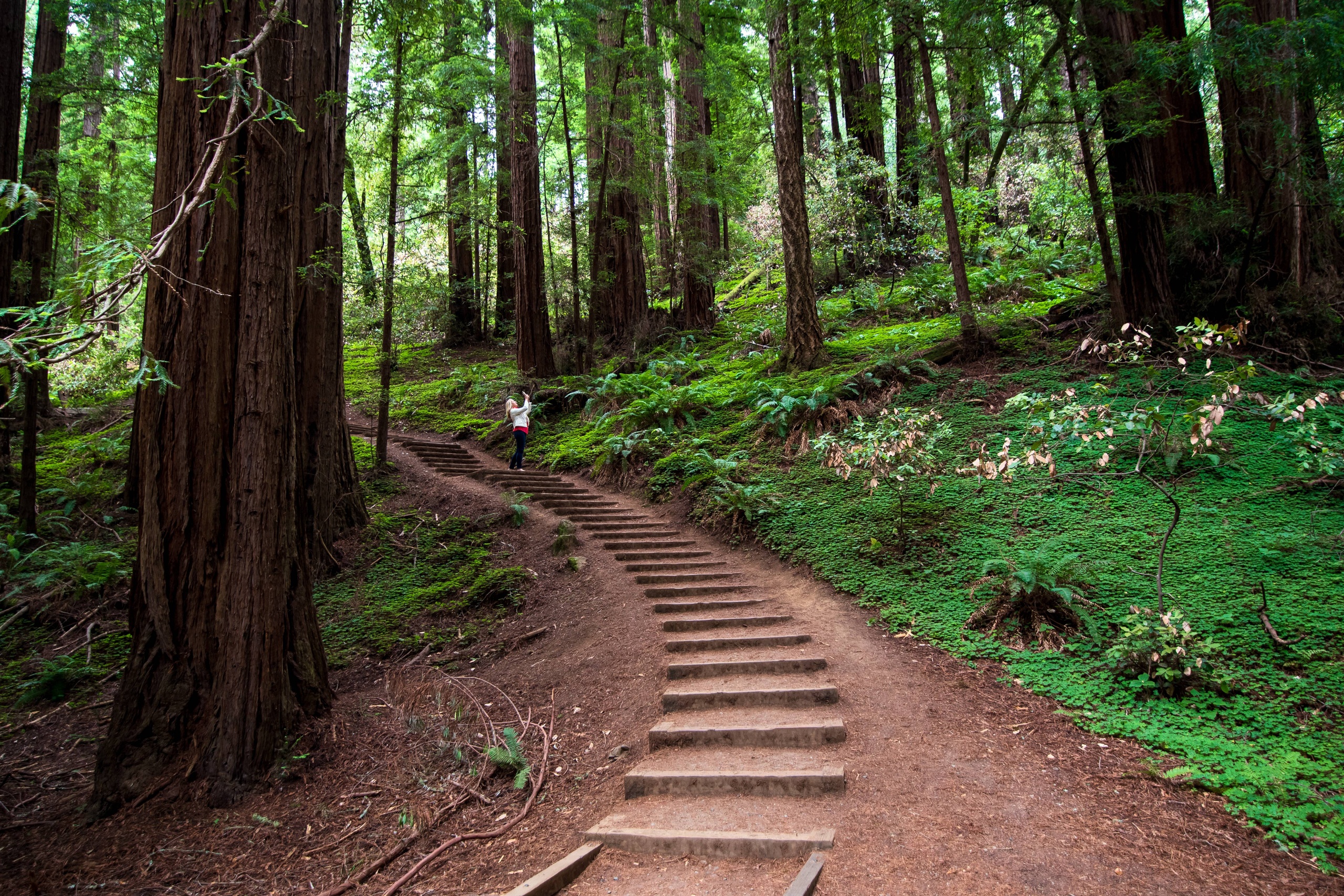
Let a local connect the landmarks.
Use a guided city, walking, or sightseeing tour to turn LA’s sprawl into a coherent story.
Explore boat tour →
Ride the coast and the city.
Beach paths, river corridors, e-bikes, and ridge climbs reveal a more connected Los Angeles.
Explore bike rental →Choose your way into Corte
The top 15 Corte Madera adventures.
Ranked by the number of currently listed trips. Each panel opens the complete local activity collection.
1Water Activities
Tucked into the protected shallows of San Francisco Bay, Corte Madera is a quiet staging ground for water-based adventure—paddling through tidal marshes, glassy-morning stand-up paddleboarding, sheltered sailing and close-up birding. This guide focuses on the water experiences that define the town: estuary exploration, calm-creek paddles, and bay crossings to nearby islands and shoreline towns.
Explore water activities →2Boat Tour
Corte Madera is a compact edge of Marin County where calm marsh channels meet the broad moods of San Francisco Bay. Boat tours from the area range from quiet eco-cruises through reed-lined estuaries to breezy harbor sails and private charters that skirt Angel Island and the Golden Gate—each offering close encounters with harbor seals, migratory birds, and the region’s maritime history.
Explore boat tour →3Bike Rental
Corte Madera is a compact launchpad for low-stress bayfront cycling: flat, serviceable waterfront paths meet nearby rolling climbs, and a clutch of rental options makes it easy to swap four wheels for two. This guide focuses on renting the right bike for the day—whether you want a relaxed cruiser along the Bay Trail, an e-bike for longer shoreline runs, or a gravel/road bike for a spirited ride toward Mount Tamalpais and the Marin headlands.
Explore bike rental →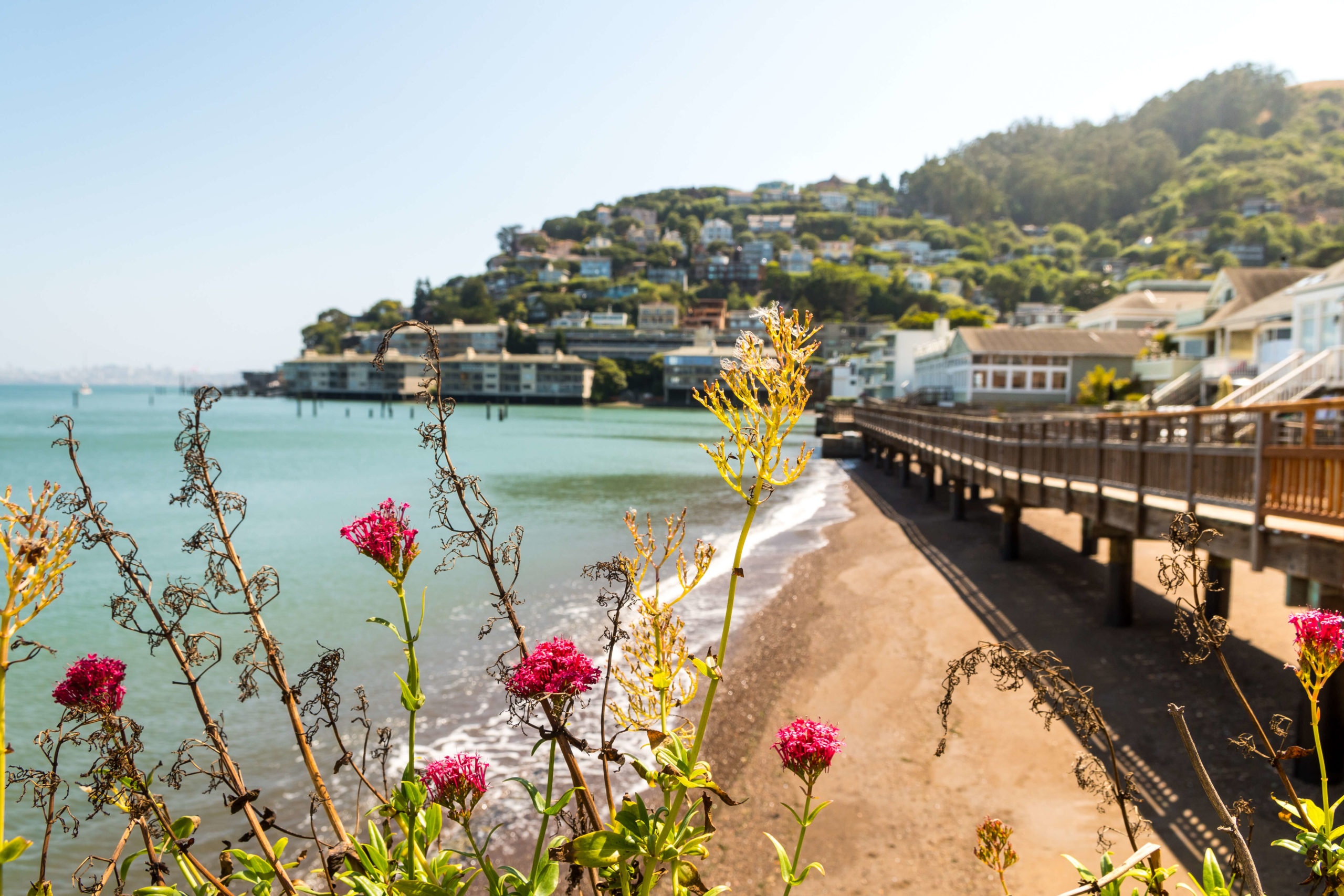 4
4Sightseeing Tour
Short, salted-air sightseeing loops and slow coastal panoramas define Corte Madera’s touring appeal. Nestled on the inland edge of Richardson Bay, this compact town offers accessible boardwalks, marsh vistas, and glimpses of San Francisco and Mount Tamalpais without the crowds of neighboring tourist hubs. Sightseeing here is equally a study in natural history—tidal rhythms, migratory birds, and restored wetlands—and local culture: boutique shops, waterfront cafés, and the quietly industrious history of Marin shipbuilding and tidal commerce. The best tours pair gentle walking and easy cycling with interpretive stops that unpack the ecology of the bay and the human stories that shaped the shoreline.
Explore sightseeing tour →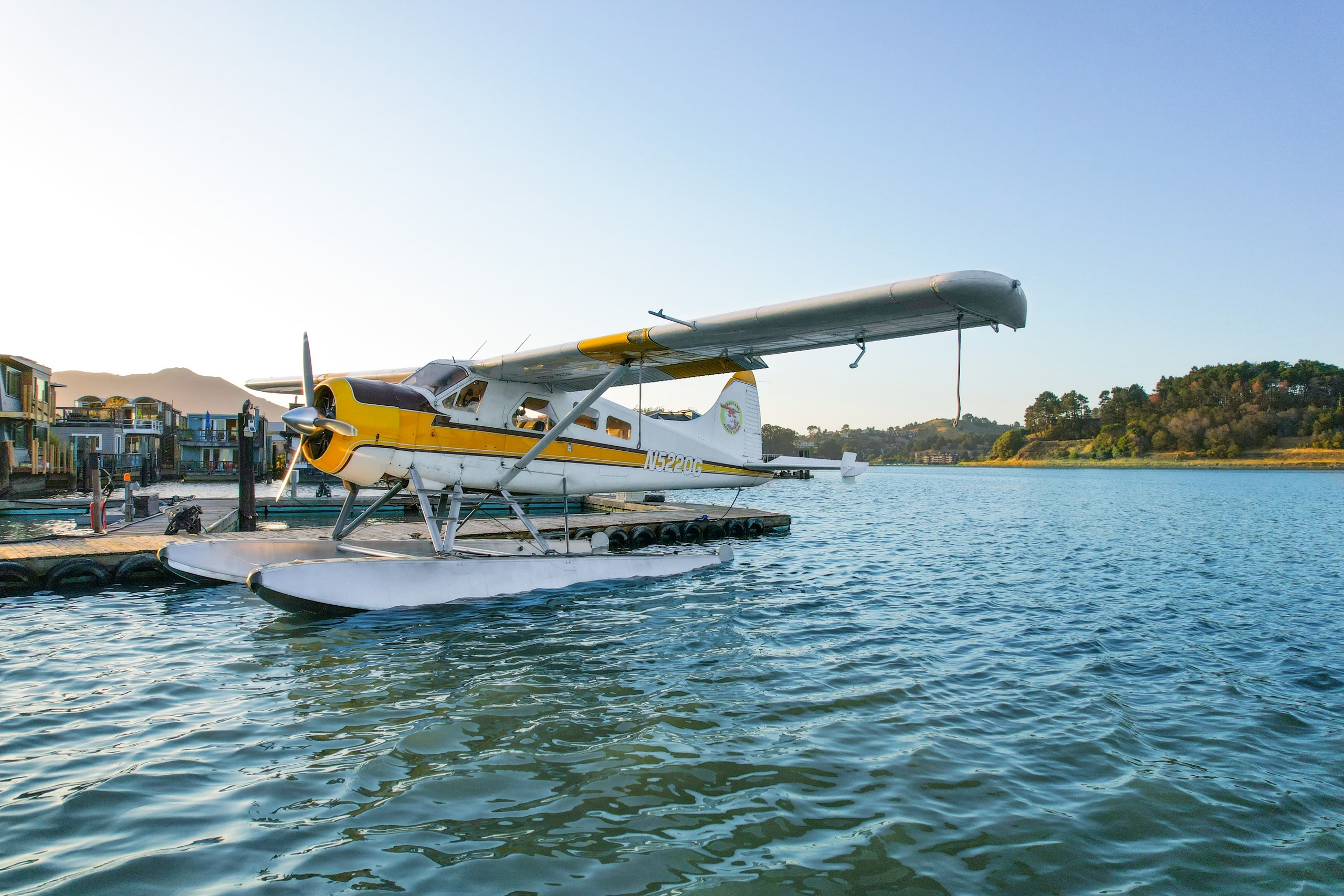 5
5City Tour
Compact, coastal, and quietly layered with history, Corte Madera is a city best discovered on foot, by bike, or from the slow perspective of its shoreline. City tours here fold together salt-marsh ecology, a legacy of 19th-century sawmills, and an approachable small-town center where independent shops and cafés sit within easy walking distance of the Bay Trail. Whether you lean into an architectural stroll, a guided eco-walk through tidal wetlands, or a self-guided food-and-design route that stitches together market finds and waterfront views, Corte Madera rewards slow exploration with intimate encounters—birdsong over the marsh, glimpses of the San Francisco skyline, and the tactile charm of a town that lives both inland and to the water’s edge.
Explore city tour → 6
6Bike Tour
Corte Madera is a compact but richly varied hub for two-wheeled exploration: sheltered bay paths that unfurl into marsh vistas, ferry-linked coastal rides to Sausalito and Tiburon, and immediate access to the rolling climbs of Mount Tamalpais. This guide focuses on bike tours—self-guided, guided, and e-bike options—that make the area a smart choice for families, road cyclists, and those who want a relaxed bay-to-hills itinerary.
Explore bike tour → 7
7Bus Tour
Corte Madera sits at the quiet hinge between everyday suburban life and some of northern California’s most scenic coastal landscapes—and the best way to see all of it without the stress of driving is by bus. From intimate heritage shuttles that thread through historic downtowns and tidal marshes to guided coach routes that connect to Muir Woods, Sausalito, and the Marin Headlands, bus tours here blend easy access with storytelling, photography stops, and practical connections to hiking, biking, and ferry services. These tours are ideal for travelers who want to layer outdoor time—short guided walks, lookout stops, or ferry hops—onto a relaxed, low-footwork day of exploration.
Explore bus tour → 8
8Walking Tour
Corte Madera compresses shoreline ecology, small-town history, and suburban greenways into a handful of highly walkable miles. Walking tours here stitch together boardwalks over marshland, shady residential streets lined with mid-century homes, and a compact commercial core where cafes, bookstores, and local galleries reward slow exploration. For travelers who want to feel the bay wind, watch marshland birds up close, and combine soft urbanism with immediate access to open space, Corte Madera is deceptively rich on foot.
Explore walking tour → 9
9Kayak
Corte Madera is a small-town gateway to some of the Bay Area’s most intimate estuary paddling: tidal creeks, glassy marsh channels, and wide, wind-ruffled bays framed by low bluffs. Kayaking here emphasizes quiet exploration—bird-rich wetlands, tidal rhythms that shape your route, and short hops to neighboring shorelines. It's a paddler’s primer on urban-estuarine ecology with easy access to longer open-water runs when the wind allows.
Explore kayak → 10
10Sailing
Corte Madera sits tucked into the northern edge of San Francisco Bay, where protected tidal flats and quick access to open water create one of the most approachable sailing playgrounds near the city. From gentle morning cruises through marsh channels to brisk afternoon runs across Richardson Bay toward Sausalito and Tiburon, sailing here blends ease of access with a variety of conditions—perfect for learners, day-sailors, and racers seeking quick outings without a long ocean transit.
Explore sailing → 11
11Boat Rental
Corte Madera is a soft-edge meeting place of salt marsh and suburban Marin—an ideal launch point for boat rentals that want easy access to quiet estuaries, bird-studded marshes, and the broader San Francisco Bay. Whether you’re piloting a small electric bowrider past eelgrass beds, skimming the protected channels with family, or paddling a stand-up paddleboard into a low-tide maze, the town’s sheltered waters make for forgiving first days on the water and satisfying short cruises for experienced skippers. This guide centers on renting watercraft in and around Corte Madera: where to go, when to plan, what to expect from tides and wind, and practical comparisons so you can choose the right rental for your outing.
Explore boat rental → 12
12Airplane
Corte Madera sits at the edge of the bay where low-tide marshes meet classic Northern California light — and it makes for one of the most cinematic places to experience flight. Whether you’re slipping into a small Cessna for a short scenic hop, stepping aboard a seaplane that skims the Richardson Bay, or arranging a private charter for a day trip, airplane experiences here are more about perspective than speed. Expect waterlines, island silhouettes, the shoulders of Mount Tamalpais, and the distant sweep of the Golden Gate translating into a layered aerial story. This guide covers the 18 airplane experiences in and around Corte Madera, focusing on terrain, seasonality, accessibility, and how to plan a flight that feels less like transportation and more like a short expedition in the sky.
Explore airplane → 13
13Ferry
Ferry travel around Corte Madera is less a line on a map and more a gateway: a way to move through the Bay’s moods, watch tides sculpt the shore, and stitch together biking, hiking, and paddling into a single day. This guide focuses on using ferries as both transport and experience—short commuter hops, scenic crossings, and multi-modal outings that start or end in Corte Madera.
Explore ferry →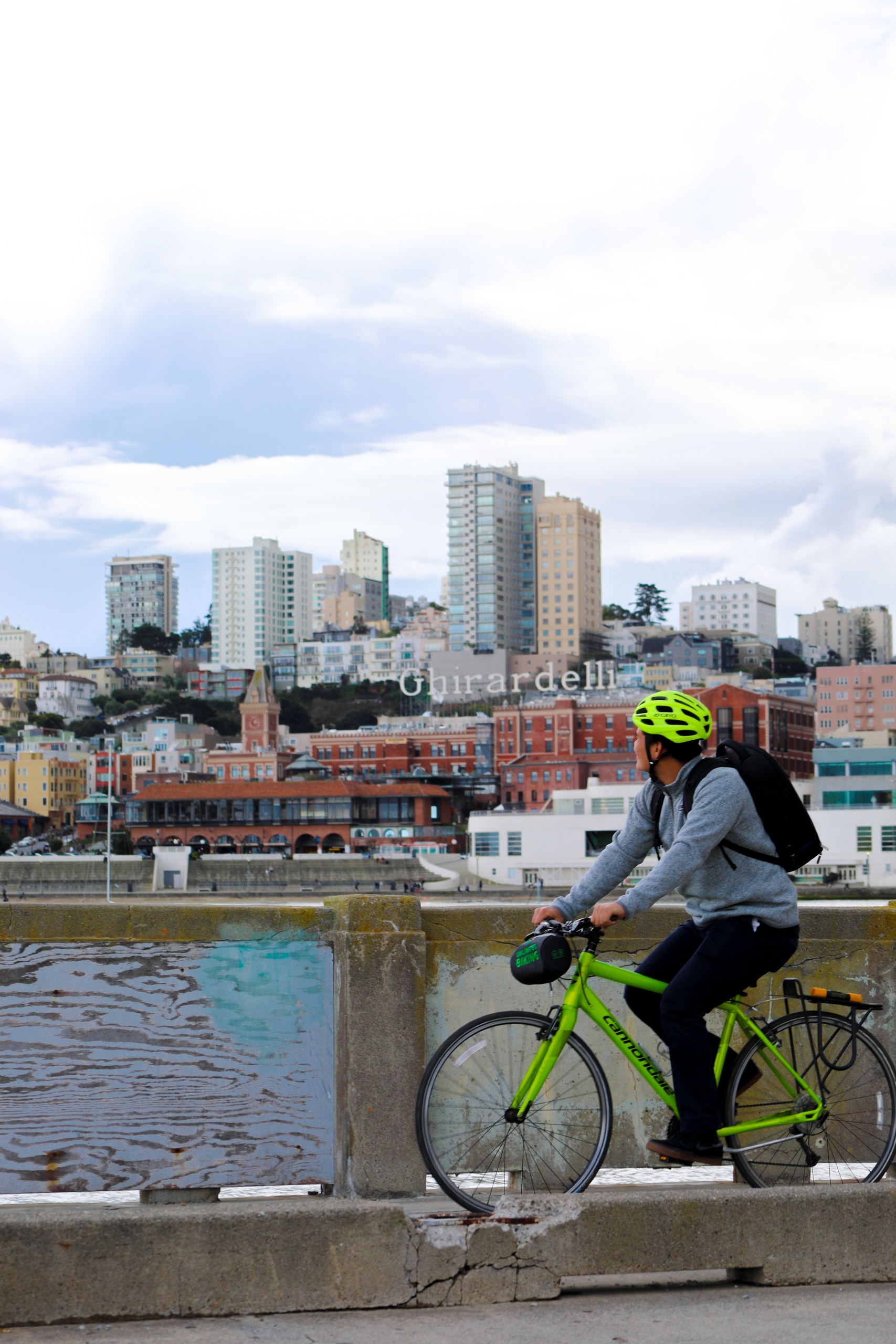 14
14E-Bike
Corte Madera’s compact waterfront and interlocking network of flats, marsh channels, and quiet suburban lanes make it one of the Bay Area’s most approachable e-bike playgrounds. Expect gentle grades, sweeping tide-scented breezes, and a surprisingly varied micro-landscape where short commutes can feel like micro-adventures.
Explore e-bike → 15
15Lodging
Corte Madera's lodging scene is a compact, curated mix of shoreline B&Bs, family-friendly inns, and modern short-term rentals that sit at the crossroads of Bay-side convenience and Marin’s wild edges. It’s a practical base for short trips to Muir Woods, Stinson Beach, and downtown San Francisco while offering quieter evenings, easy access to coastal trails, and marshland sunsets.
Explore lodging →The city and the sea
Why Corte Madera Belongs on Your Bay-Area Adventure Shortlist
Variety without surrendering the day to long transfers.
Corte Madera's strength is its uncanny thrift: a compact town that opens onto the Bay and into Marin's famously simple, salty landscapes. From the marsh grasses that whisper at low tide to the abrupt rise of hills like Ring Mountain and Mount Tamalpais, the town is a microcosm of classic Bay Area pursuits—boat tours that drift past tidal flats, kayak launches into placid channels, and bicycle rides that flip between urban convenience and unhurried coastal vistas. It’s an ideal stop for travelers who want big-water experiences without the logistics of a full-day coastal road trip. Practicality is woven into the scene here. Outfitters cluster near the marinas, shortening the gap between decision and action: rent a kayak or a small sailboat, join a guided boat tour focused on birdlife and ecology, or pick up an e-bike for an effortless climb to coastal overlooks. For those who prefer land, Corte Madera’s proximity to multiuse paths and short but rewarding hikes makes it a natural base for a half-day of hiking followed by a sunset sail or a ferry hop to Sausalito. The town’s scale makes planning straightforward—lodging and dining are accessible, and the busiest windows are confined to predictable summer and weekend patterns—so you can design a balanced itinerary that leans into both motion and pause.
Water is the axis here: kayaking, sailing, ferry hops, and boat rentals let you see the Bay’s ecology up close. Corte Madera Marsh is a quiet classroom for birding and tide-watching, while nearby channels are forgiving for first-time paddlers.
Connection to the rest of Marin and the greater Bay Area is immediate—short drives or bike rides put you on the shoulder of Mount Tamalpais trails or across bridges to urban cultural stops, so you can stack nature and neighborhood time in one trip.
Conditions shape the day
The best time to visit Corte Madera.
Late spring through early fall offers the most stable weather windows—cool mornings, clearer afternoons, and lighter rain risk. Summer mornings can be foggy; afternoons frequently clear. Winters are mild but wetter; call ahead for boat availability on windier days.
Best all-around window
Spring + fall
Comfortable mixed-itinerary weather, thinner crowds at beaches and lookouts, and more room to improvise.
Beach season
Summer weekends (June–August) and pleasant fall weekends draw local day-trippers and families—expect busier marinas and ferries.
Surf + whales
Late fall through early spring is quieter and can yield discounted lodging and emptier trailheads; birding and storm-watching on the bay are prime in shoulder months.
Coast to inland
Cool marine mornings often give way to warmer inland afternoons and breezy evenings.
Beginner
Short, low-exposure outings: sheltered paddles, flat bay loops, easy city and walking tours, and short paved bike routes.
- Guided boat tour of Corte Madera Marsh
- Flat kayak loop in protected bay channels
- Walking tour of downtown Corte Madera and shoreline paths
Intermediate
Half-day activities that combine moderate exertion with navigation: longer bike loops, stand-up paddling in light wind, and guided sailing trips.
- E-bike ride to Tiburon Ridge and back
- Standalone kayak trip to adjacent coves
- Half-day sailing excursion into the Bay
Advanced
Full-day itineraries or technical outings that require planning and skill: open-water crossings, long coastal rides with significant elevation, or multi-leg boat rentals.
- Full-day kayak crossing into adjacent bay islands (skill required)
- Long road or gravel rides linking Mount Tamalpais climbs
- Self-skippered boat rental in variable wind conditions
Field kit
What to bring.
Pack for sun, salt water, walking, and a meaningful temperature swing between coast and inland Corte.
Essential
Start here
- Layered outerwear (coastal mornings can be chilly; afternoons may warm)
- Personal flotation device if paddling (rentals often provide them but check fit)
- Sturdy shoes suitable for both rocky shorelines and paved bike paths
- Sun protection (hat, SPF 30+, polarized sunglasses for glare off the bay)
- Reusable water bottle and light snacks
Water days
Keep it dry
- Windproof shell—bay breezes can turn brisk by late afternoon
- Bike lock for short stops and errands
- Dry bag or phone pouch for paddling
- Light binoculars for birding around the marsh
Long days
Stay flexible
- Compact first-aid kit
- Action camera with float tether
- Compact picnic and blanket for a shoreline break
Insider note
Start early, then keep the geography tight.
Start early to beat afternoon breezes and weekend crowds—morning glassy water makes the best paddle and photography conditions. If winds pick up, switch to sheltered marsh circuits or a guided boat tour. For bikes, opt for e-bikes if you want effortless access to higher viewpoints; otherwise, plan shuttles for longer climbs. Leave no trace around the marsh—stick to designated paths to protect nesting birds. Lastly, pack layers: coastal microclimates change quickly between shore and ridge.
Good to know
Frequently asked questions.
Can I kayak or sail without prior experience?
Yes. Many outfitters offer beginner-friendly kayaks and basic orientation; sheltered channels around Corte Madera are suitable for new paddlers. For sailing, look for short introductory charters or lessons rather than independent outings if you lack experience.
Are bike rentals and e-bikes easy to find?
Yes—several shops in the area rent standard bikes and e-bikes. E-bikes are especially useful for riders who want hill access without a shuttle.
How do I get to popular trailheads without a car?
Local bus routes, shuttle services, and bike routes connect to nearby trailheads; ferries and bike-pedestrian bridges also expand access. Check local transit schedules and consider an e-bike for flexible reach.
Ready when you are
Find the trip that fits your Corte Madera day.
Compare bookable experiences across the coast, city, and mountains—then save the ones that belong in your plan.
Explore all Corte Madera adventures ↗