
Cedar Grove adventure guide
Find your way into Cedar Grove.
A coastal pocket of salt-scented air and lazy mangrove creeks, Cedar Grove is where early mornings mean glassy water, afternoon light slants through palms, and the day’s best stories arrive by boat. With 597 activities cataloged across The Adventure Collective's listings, the town is a compact launchpad for boat tours, dolphin watching, snorkeling and scuba, kayak and SUP missions, and shore-based wildlife viewing.
Three ways into the city
Pick a landscape. Build a day around it.
Cedar Grove is less a single destination than a collection of neighboring worlds. Start with the version of the city that matches your pace, then use the ranked guide below to fill in the details.

Begin where the city meets the sea.
Surf breaks, sheltered harbors, whale routes, and long beach paths make the coast LA’s most immediate outdoor playground.
Explore boat tour →
Let a local connect the landmarks.
Use a guided city, walking, or sightseeing tour to turn LA’s sprawl into a coherent story.
Explore sightseeing tour →
Ride the coast and the city.
Beach paths, river corridors, e-bikes, and ridge climbs reveal a more connected Los Angeles.
Explore bike rental →Choose your way into Cedar
The top 15 Cedar Grove adventures.
Ranked by the number of currently listed trips. Each panel opens the complete local activity collection.
1Boat Tour
Cedar Grove's boat tours are a low-resistance way to meet Florida's subtropical coastline—mangrove tunnels that smell of salt and green, glassy backwaters where manatees surface like memory, and open bays that widen into startling light. This guide focuses on the boat-based experiences that make Cedar Grove distinct: guided wildlife cruises, sunset charters, eco-education trips through estuaries, and hands-on fishing or shelling excursions. Whether you want a slow naturalist drift or an adrenaline-tinged speed run, local operators tailor trips for families, birders, anglers, and photographers.
Explore boat tour → 2
2Fishing
Cedar Grove’s fishing scene is a layered mosaic of salt and fresh water: slow mangrove creeks that hold resident snook, shallow grassy flats where tailing redfish flash at low tide, and quiet community lakes that raise largemouth bass. This guide focuses on how to read tides and winds, where to launch a skiff or cast from the shore, and which species and seasons define the most rewarding outings. Expect an accessible, small-town gateway to classic Florida angling—perfect for families, flats anglers, and anyone looking to pair fishing with paddling, birding, or a day at the marsh.
Explore fishing → 3
3Water Activities
Cedar Grove threads freshwater springs, slow-moving rivers, and sheltered tidal creeks into a compact playground for paddlers, snorkelers, anglers, and anyone who seeks a softer, water-centered Florida experience. Expect shallow seagrass beds, winding mangrove channels, glassy early mornings, and the close-up wildlife that thrives where river and sea meet.
Explore water activities →4Sightseeing Tour
Cedar Grove compresses quintessential Florida scenery into a compact, discoverable landscape: low-slung coastal hamlets, tidal creeks that braid into larger waterways, and a human history written along old docks and shaded town squares. Sightseeing here means slow, sensorial travel — from guided boat cruises that track bottlenose dolphins to heritage walking tours through oak-shaded streets. This guide focuses on organized ways to see the place: curated drives, narrated boat and airboat excursions, walking and cycling tours, and specialty photography and birding outings.
Explore sightseeing tour → 5
5Boat Rental
Cedar Grove is a small-water stronghold where the marsh meets the Gulf and boat rentals unlock both quiet exploration and adrenaline-fueled days on open water. This guide focuses on renting every kind of dayboat you might need—skiffs for shallow estuaries, center consoles for nearshore fishing, pontoon cruisers for family afternoons, and small sail or electric boats for low-impact exploring. Expect tidal flats, mangrove tunnels, oyster bars, and quick runs to barrier islands; together they make Cedar Grove an ideal staging ground for anglers, birders, shell-seekers, and anyone who wants to leave the shoreline behind with minimal fuss.
Explore boat rental → 6
6Dolphin
Cedar Grove’s sheltered estuaries and warm coastal currents create some of the most reliable dolphin-viewing water in the region. From quiet kayak glides through mangrove tunnels to small-boat eco-cruises, dolphin encounters here blend marine biology and low-impact adventure—offering close sightings without compromising habitat. This guide focuses on dolphin-focused outings, how and when to see them, ethical viewing practices, and practical planning to turn a chance sighting into a memorable trip.
Explore dolphin → 7
7City Tour
Cedar Grove’s city tours are an invitation to move slowly and discover the layered stories of a small Florida town where water, history, and creative reinvention meet. Whether you’re following a walking route through an old main street, pedaling along a riverfront greenway, or sampling the culinary picks of a neighborhood food crawl, tours here are outdoors-first and tactile—salt air, shaded oaks, and community life. This guide focuses on organized and self-guided city tour experiences that reveal Cedar Grove’s public art, architecture, ecological edges, and local makers while offering practical notes on terrain, accessibility, and seasonal planning.
Explore city tour → 8
8Scuba
Cedar Grove’s scuba scene is a compact, compelling mix of clear spring-fed swims, shallow coastal reefs, and a scattering of accessible wrecks. It rewards divers who value variety: easy shore entries for learners, drift-friendly coastal walls for those chasing currents, and freshwater springs that offer startling clarity and distinct ecology. This guide focuses on the scuba experience here—what to expect in water and weather, how to plan around tides and seasons, and the practical details that make a dive trip safe, smooth, and memorable.
Explore scuba → 9
9Snorkel
Cedar Grove's shallow bays, spring-fed channels, and fringe mangrove shorelines make it an uncommon snorkeling pocket in Florida — an approachable place where clear water, quiet coves, and abundant marine life meet easy access. This guide focuses on hands-on snorkeling experiences: where to slip into the water, what you’re likely to see, how conditions change with the seasons, and the practical gear and safety choices that make a day on the surface feel effortless and rewarding.
Explore snorkel → 10
10Kayak
Cedar Grove's kayaking scene is modest in scale but rich in intimacy: a network of sheltered creeks, mangrove tunnels, and wide estuarine waters that reward slow, observational paddling. Across eight curated trips—from dawn birding loops through black mangroves to paddle-out excursions along the Intracoastal—this guide distills the practical routes, seasonal rhythms, and safety essentials you’ll need to turn a day on the water into a memorable neighborhood odyssey. Think shallow-water stealth, the hush of a heron taking flight, and salt-scented breezes rather than big-wave surfing: Cedar Grove is a place to slow down, watch, and move lightly.
Explore kayak →11Bike Rental
Cedar Grove's bicycle scene is small but deceptively rich: flat coastal roads, marsh-side boardwalks, and beachfront promenades make it ideal for relaxed cruiser rides and short e-bike excursions. This guide focuses on renting the right bike for the landscape—cruisers for seaside spins, gravel or hybrid bikes for mixed-surface loops, and e-bikes for expanding range without sweat—plus practical route ideas, seasonality notes, and everything you need to plan a safe, memorable pedal around this overlooked corner of Florida.
Explore bike rental → 12
12Bike Tour
Cedar Grove’s bike tours wind through low, wide landscapes where the horizon feels close and the pace is deliberate. Expect a mix of paved country lanes, well-packed gravel tracks, and scenic singletrack hugging river bends and marsh edges. For riders who like long views, quiet roads, and close encounters with coastal ecosystems, Cedar Grove delivers approachable, all-season touring with a distinctly Floridian rhythm.
Explore bike tour →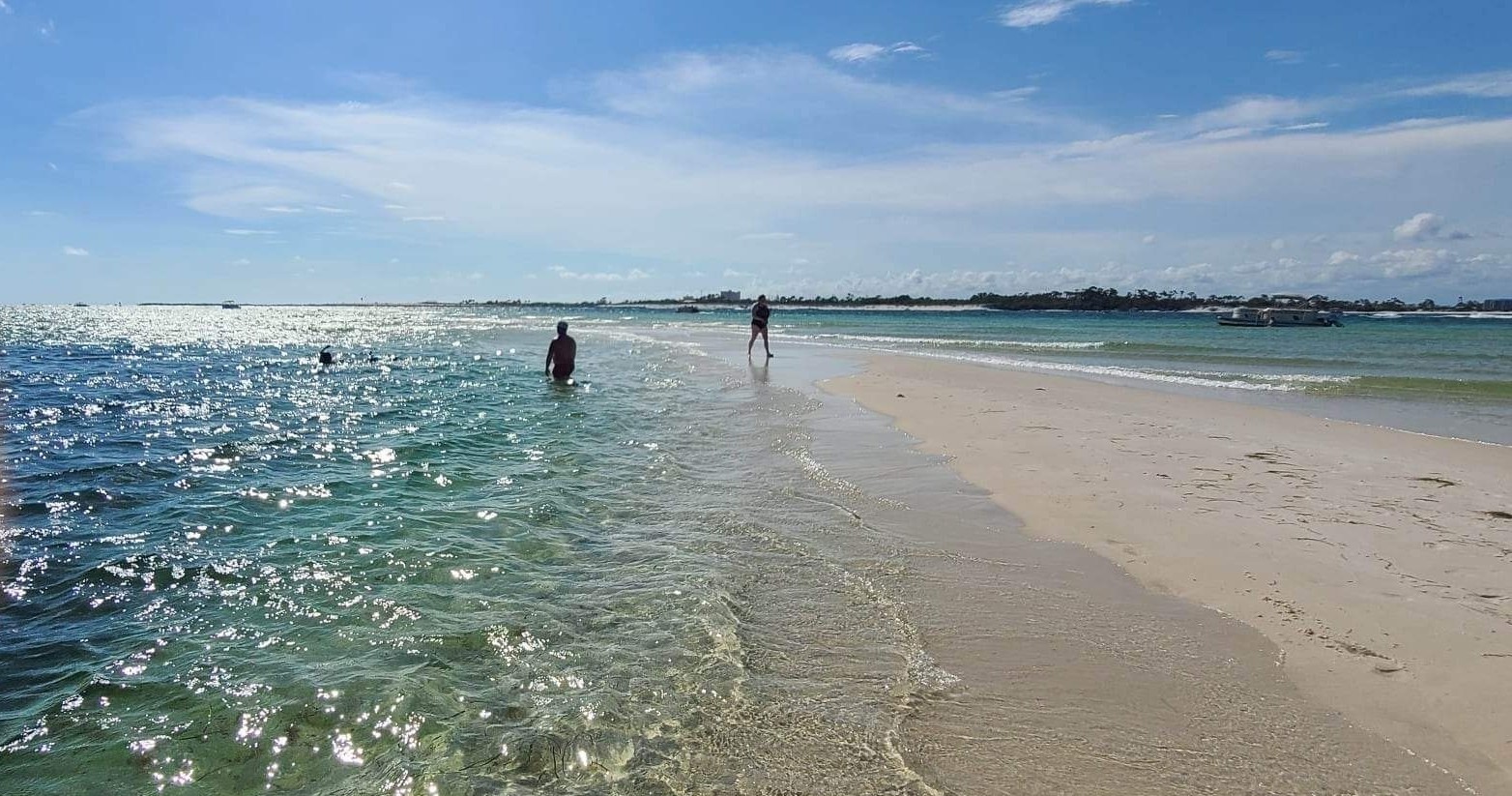 13
13Eco Tour
Cedar Grove’s eco tours are small, purposeful windows into a coastal landscape where marsh, creek, and pine intersect. These guided outings—by kayak, skiff, and boardwalk—prioritize wildlife viewing, low-impact access, and local conservation narratives. Expect close encounters with wading birds, river otters, and the silent work of tides shaping salt grass and mangrove edges. For travelers who want to learn as they move, Cedar Grove’s tours pair natural history with practical stewardship: how the land supports fisheries, why seasonal timing matters, and how small actions at the shoreline ripple into broader resilience.
Explore eco tour →Wildlife
Cedar Grove is a place where habitats fold into one another—marsh grasses brushing against the edges of pinewoods, tidal creeks threading toward the coast, and quiet freshwater sloughs that draw a surprising array of life. For wildlife watchers this is a lowland mosaic: raptors hunt open fields at dawn, wading birds loaf on exposed mudflats at low tide, and nocturnal mammals slip between palmettos after dark. This guide focuses on how to find, read, and responsibly enjoy those encounters—when to go, what to bring, and how to layer wildlife watching into other local outdoor experiences like paddling quiet creeks, guided bird walks, and evening photography sessions.
Explore wildlife → 15
15SUP
Cedar Grove is a quietly inviting place for stand‑up paddleboarding: broad glassy mornings on protected waterways, close encounters with salt‑marsh wildlife, and a handful of accessible launch points that make it easy to slide into the water. Whether you’re looking for a morning glide among mangroves, a guided estuary tour at golden hour, or a fitness‑focused paddle on a placid lake, SUP here rewards low fuss and high payoff—minimal current, wildlife viewing, and dramatic light during cooler months.
Explore sup →The city and the sea
Why Cedar Grove Belongs on Your Adventure Shortlist
Variety without surrendering the day to long transfers.
Cedar Grove sits like a map pin between the open inlet and a braided lagoon of mangroves—a small town with big water ideas. The shoreline here reads like a field guide: glassy flats where anglers cast for snook and tarpon, sheltered coves taught with paddlecraft, and channels that diners up to oyster bars and salt-stained piers. Boat tours thread the estuary at sunrise, and by midmorning the shallow banks become a stage for dolphins and wading birds. The town’s rhythm is water-born: planning a kayak loop, a SUP glide, or a quick snorkel is as natural as checking the tide, and outfitter doors open most days to lend you gear, local knowledge, and a curated route. On land, Cedar Grove balances coastal ease with earnest adventure. Bike rentals and bike tours stitch neighborhoods to waterfront boardwalks; a short city tour gives you the town’s history of fishing families and boatbuilders. Eco tours move beyond sightseeing and into story—mangrove restoration projects, a shell midden here and a bird rookery there—showing how local communities steward the fragile interface between sea and shore. For travelers who like to dive deep, scuba trips run to nearby reefs and wrecks; snorkel outings and guided dolphin watches are family-friendly ways to see the same wildlife from a surface perspective. Practicality rides close to romance here. Renting a boat or tagging a guided boat rental keeps logistics simple, especially when tides or seasonal closures matter. Fishing charters deliver the kind of local intel that turns a good day into a great one: where the bite was yesterday, which fly to use when a cold front moves through, and which shallow runway offers the cleanest water for a morning snorkel. And when weather flips—an afternoon sea breeze or an unexpected thunder cell—Cedar Grove’s outfitters pivot: shorter excursions, sheltered coves, or an indoor marine center talk can save the day while keeping the itinerary intact. For both first-timers and seasoned outdoor travelers, Cedar Grove’s diversity is its strength. The list of top activities—boat tour, fishing, water activities, sightseeing tour, boat rental, dolphin watching, city tour, scuba, snorkel, kayak, bike rental, bike tour, eco tour, wildlife viewing, and SUP—reads like a choose-your-own-adventure card. Stack a morning kayak through mangroves, a midday boat tour to spot dolphins and inspect a reef by snorkel, and a late-afternoon bike loop that finishes at a harbor-front café, and you get the place in motion: a small coastal town that feels expansive because every outing opens into a new corner of the sea.
Access is straightforward: local outfitters provide gear and shuttles for kayak routes and boat departures, and many experiences—like dolphin watches and snorkeling—are suitable for families and mixed-skill groups. Shoulder seasons smooth out crowds and often mean better rates for guided trips.
Cedar Grove’s culture is salt-forward. Fish houses and small cafés anchor the waterfront scene; community-led conservation projects give eco tours a meaningful local angle. Bring curiosity and leave a light footprint—the estuary’s balance depends on it.
Conditions shape the day
The best time to visit Cedar Grove.
Cedar Grove benefits from mild winters and warm, humid summers. Late fall through spring generally offers calmer seas, lower humidity, and excellent visibility for scuba and snorkel. Summer brings warmer water temperatures but also afternoon thunderstorms—plan early starts for paddling and reef work.
Best all-around window
Spring + fall
Comfortable mixed-itinerary weather, thinner crowds at beaches and lookouts, and more room to improvise.
Beach season
Winter holidays and early spring attract visitors seeking calm water and cooler air—book popular boat tours, fishing charters, and scuba trips in advance.
Surf + whales
Late summer and early fall can be quieter and more affordable; expect variable weather but often excellent fishing.
Coast to inland
Cool marine mornings often give way to warmer inland afternoons and breezy evenings.
Beginner
Short, guided outings, calm-water SUP and kayak plans, city tours, and family-oriented boat tours that require minimal gear and no advanced skills.
- Guided boat tour for dolphin watching
- Introductory SUP in a sheltered cove
- Snorkel trip to a shallow reef with a guide
Intermediate
Longer paddle loops, shallow-water fishing, bike tours linking town to waterfront, and independent boat rentals for nearshore exploration.
- Self-guided kayak loop through mangrove channels
- Half-day fishing charter or light-tackle shore fishing
- Bike tour to nearby coastal preserves
Advanced
Offshore scuba on local wrecks and reefs, technical fishing charters that chase pelagics, long-distance paddles requiring tide and wind planning, and eco work or volunteer restoration outings.
- Full-day offshore dive or wreck scuba trip
- Blue-water fishing charter for experienced anglers
- Multi-hour tidal paddle with navigational planning
Field kit
What to bring.
Pack for sun, salt water, walking, and a meaningful temperature swing between coast and inland Cedar.
Essential
Start here
- Light, quick-dry layers and a windbreaker
- Waterproof phone case or dry bag
- Reef-safe sunscreen and a wide-brim hat
- Close-toed water shoes for reef and rocky entries
- Reusable water bottle and small snacks
Water days
Keep it dry
- Polarized sunglasses for spotting fish and coral
- Compact binoculars for wildlife and birding
- Basic fishing license if planning to fish from shore or solo (check local rules)
- A small first-aid kit and blister care
Long days
Stay flexible
- Underwater camera or snorkel mask with action-mount
- Light packable rain shell for sudden squalls
- Tide table app or offline tide chart for planning put-ins
Insider note
Start early, then keep the geography tight.
Start early—mornings offer the calmest water and the best light for spotting dolphins, rays, and shorebirds. When renting boats, ask about recommended routes for the tide that day and any protected areas to avoid. Pack reef-safe sunscreen and a small mesh bag for shells and finds (where collecting is permitted). If you’re focused on fishing, touch base with a local charter the day before to get a heads-up on bait, tackle, and likely hotspots. For eco-minded travelers, seek out community-led tours that highlight mangrove restoration and local wildlife; tipping guides who double as naturalists supports ongoing conservation.
Good to know
Frequently asked questions.
Can I do most activities without a guide?
Yes—many low-risk outings like SUP in protected coves or a short kayak loop are feasible solo or with rented gear. For offshore scuba, big-water fishing, unfamiliar tidal creeks, or wildlife-focused eco tours, a guide adds safety and local knowledge.
Are dolphin and wildlife tours family-friendly?
Most dolphin watches and wildlife eco tours are designed for families; operators typically provide life jackets and a safety briefing. Check age restrictions for scuba and some small-boat charters.
When should I check tide and weather before heading out?
Always check tide charts and local marine forecasts before any paddle or shore-based fishing. Low tide can expose flats and make some put-ins difficult; sudden wind shifts can change conditions quickly.
Ready when you are
Find the trip that fits your Cedar Grove day.
Compare bookable experiences across the coast, city, and mountains—then save the ones that belong in your plan.
Explore all Cedar Grove adventures ↗