
Captain Cook adventure guide
Find your way into Captain Cook.
A sliver of volcanic coastline where kahili winds and coral gardens meet Kona coffee farms, Captain Cook is a small-but-spectacular base for water-forward adventure. This guide stitches together the best water activities—snorkeling crystal reefs at Kealakekua Bay, boat tours that thread lava-framed coves, and scuba or snorkeling days that introduce you to spinner dolphins and, in season, whale watch excursions. Beyond the sea, the coastline rewards fishing charters and photography tours at golden-hour, while eco tours and walking tours reveal lava flows, ancient fishponds, and the calm dignity of Puʻuhonua o Hōnaunau. Whether you’re chasing the swell on a surf outing, renting a boat for a day, or booking a sight-seeing tour to watch manta rays at dusk, Captain Cook packs world-class marine access into a quiet, coffee-scented village.
Three ways into the city
Pick a landscape. Build a day around it.
Captain Cook is less a single destination than a collection of neighboring worlds. Start with the version of the city that matches your pace, then use the ranked guide below to fill in the details.

Begin where the city meets the sea.
Surf breaks, sheltered harbors, whale routes, and long beach paths make the coast LA’s most immediate outdoor playground.
Explore water activities →Let a local connect the landmarks.
Use a guided city, walking, or sightseeing tour to turn LA’s sprawl into a coherent story.
Explore boat tour →Ride the coast and the city.
Beach paths, river corridors, e-bikes, and ridge climbs reveal a more connected Los Angeles.
Explore boat tour →Choose your way into Captain
The top 15 Captain Cook adventures.
Ranked by the number of currently listed trips. Each panel opens the complete local activity collection.
1Water Activities
Captain Cook sits on the rugged, lava-carved coastline of South Kona, where coral gardens, protected bays, and dramatic sea cliffs make water-based days impossible to forget. This guide focuses on snorkeling, kayaking, diving, paddleboarding, boat tours, and seasonal wildlife watching—what to expect, when to go, and how to plan an ethical, smooth experience on the water.
Explore water activities → 2
2Snorkel
Captain Cook’s coastline is where lava-formed shorelines meet warm Pacific clarity, producing some of the Big Island’s most accessible and biodiverse snorkel grounds. Protected bays, offshore reefs, and dramatic drop-offs hold dense coral gardens, green sea turtles, banded butterflyfish, and the compact, mosaic world of Hawaiian reef ecosystems. A short drive from Kona’s visitor hubs, Captain Cook offers a mix of easy shore entries, kayak-launch options, and boat-access-only pockets—ideal for travelers who want the intimacy of a reef snorkel without long ocean crossings. This guide focuses specifically on snorkel experiences: where to enter, what to expect in water conditions and visibility, how to choose guided versus independent options, and practical tips to protect reefs while maximizing marine encounters.
Explore snorkel →Boat Tour
Captain Cook is where basalt cliffs fall into glassy bays, and boat tours unlock an intimate view of the Kona coast’s richest marine environments. From sunrise snorkel runs to twilight manta ray excursions and offshore fishing charters, boat-based experiences here are built around visibility—both literal, in the crystalline water, and figurative, in the cultural and natural stories that ride each swell. This guide focuses on boat tours: what to expect, when to go, and how to choose the right vessel for the day you want.
Explore boat tour →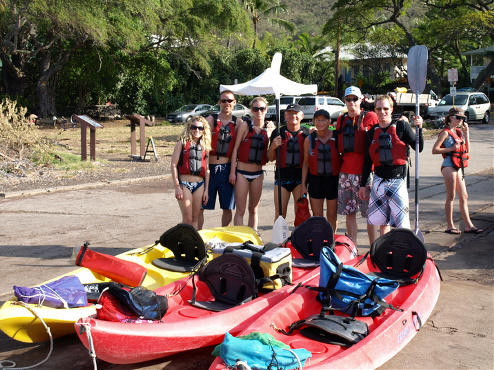 4
4Whale Watch
Captain Cook sits on Hawaiʻi Island’s leeward Kona coast where clear, deep waters and a protected coastline make it a reliable launching point for whale-watching excursions during the winter migration. From comfortable large-boat tours that track humpbacks to intimate zodiac runs and shore-based viewpoints at sea cliffs, the area blends dramatic volcanic shoreline with world-class marine life viewing.
Explore whale watch →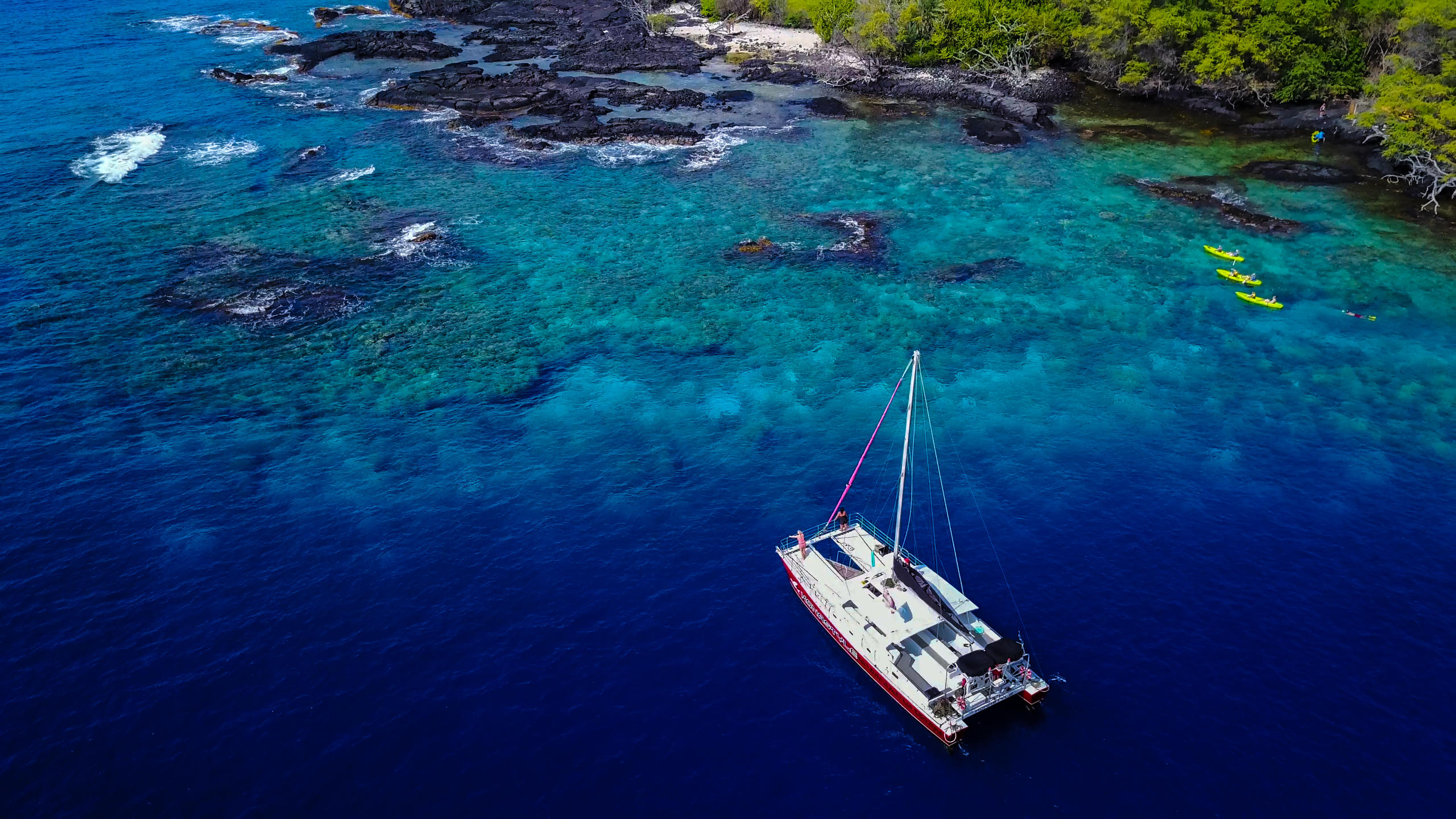 5
5Dolphin
Captain Cook sits where lava-sculpted coastline meets deep Pacific channels, and that meeting creates one of the island’s most consistent dolphin habitats. From dawn outruns in glassy water to midday fly-bys near reef drop-offs, dolphin encounters here blend spectacle with a clear responsibility: observe with respect. This guide focuses on how to experience dolphins around Captain Cook—when to go, what to expect, and how to plan an ethical, memorable outing that pairs marine wildlife watching with snorkeling, kayaking, and cultural exploration.
Explore dolphin → 6
6Scuba
On the western flank of Hawaiʻi Island, Captain Cook is less a single dive site than a seam of ocean where raw volcanic geology meets clear, warm Pacific water. From sheltered kelp-scalloped bays and lava tubes to sheer drop-offs that plunge into twilight, the area serves up an array of scuba experiences: easy sheltered dives for new certified divers, technical-looking lava formations for experienced explorers, and the world-famous night dives beneath manta ray feeding lanes. The atmosphere is both maritime and ancestral—paddlers, snorkelers, and divers share currents shaped by ancient flows and modern stewardship efforts. This guide focuses on making dives here rewarding and responsible: where to go, when to book, what to expect underwater, and how to weave nearby adventures into your trip.
Explore scuba → 7
7Sightseeing Tour
Captain Cook compresses the island’s most vivid coastal stories into a short drive: cliffs scraped by lava, coral gardens spilling into crystalline water, and living Hawaiian cultural sites. Sightseeing tours here are intimate and varied—kayak and snorkel runs to the Captain Cook Monument, coffee-farm walks, guided drives along lava-sculpted shorelines, and interpretive cultural visits to Puʻuhonua o Hōnaunau. These are tours built for curiosity: easy to join, rich in context, and centered on sensory discovery.
Explore sightseeing tour → 8
8Surf
Captain Cook’s stretch of South Kona folds lava rock, coral gardens, and narrow black-sand coves into a compact, varied surf playground. Expect reef and point breaks that reward careful timing, glassy mornings when the trade winds sleep, and a coastline where surf slips into snorkeling, freediving, and coastal hikes. This guide maps the surf experience here—what to expect in the lineup, when to go, and how to plan sessions that honor the ocean and local rhythms.
Explore surf →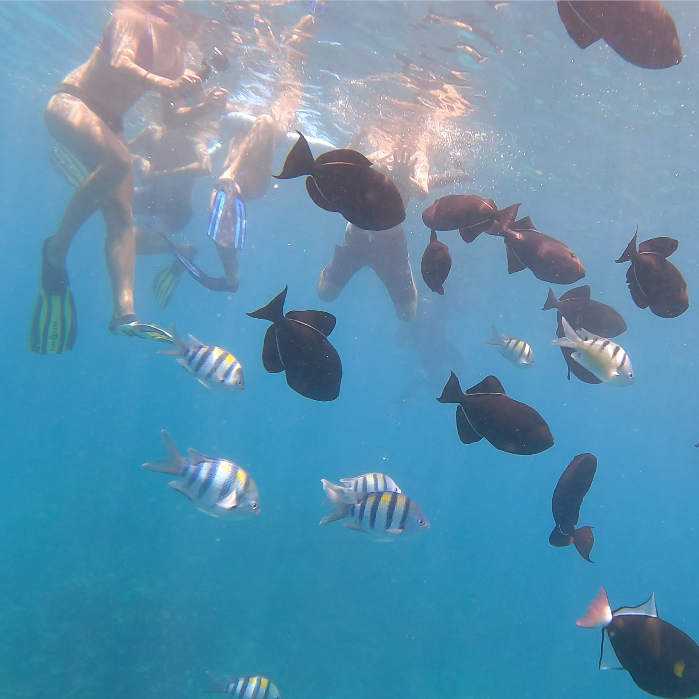 9
9Fishing
Captain Cook sits where iron-rich lava meets the deep blue of the Kona coast, creating a compact, wildly productive stretch of ocean for anglers. From reef flips and shore-casting to bluewater charters that chase tuna, mahi, and billfish, this guide focuses on the fishing options that make Captain Cook a destination in its own right.
Explore fishing → 10
10Photography Tour
Captain Cook compresses a surprising variety of photographic subjects into a narrow coastal ribbon: glassy bay water full of snorkeling life, stark black lava carving the shoreline, terraced coffee farms on sunlit slopes, and sky that offers dramatic sunsets and clear Milky Way views. This guide focuses on photography tours — boat, kayak, shoreline, and guided land excursions — that help you find the light, access key vantage points, and translate ephemeral moments into lasting images.
Explore photography tour → 11
11Boat Rental
Captain Cook is where lava meets lagoon and small boats unlock chapters of the Big Island you'd otherwise miss: quiet coves, world-class snorkeling gardens, and the reef-fed pelagic life that draws both morning kayakers and night-time manta expeditions. Boat rentals here span single kayaks and paddleboards to skippered charters and small motorboats—each offering a different way to read the coastline. Expect dramatic basalt headlands, sheltered bays with glassy water in summer, and a conservation-minded seascape where reef etiquette shapes how you anchor, swim, and move through the water.
Explore boat rental → 12
12Eco Tour
Captain Cook is a compact coastal ribbon where lava fields meet coral reefs and old-growth kiawe shade family-run coffee farms. Eco tours here blend marine exploration, cultural context, and conservation-minded interpretation—perfect for travelers who want to witness Hawai‘i’s living ecosystems while learning how to protect them.
Explore eco tour → 13
13Walking Tour
Walking tours in Captain Cook distill the Big Island’s contrasts into human scale: quiet village lanes lined with banyan shade, coffee farms ascending gentle slopes, and coastal ridgelines that end in black lava teeth and luminous sea. These walks range from easy historic strolls that trace Hawaiian stories and missionary history to more rugged coastal and lava-field routes that require steady footing and sun-smart planning. Whether you're tracing Captain Cook’s legacy, sampling single-origin coffee at farm gates, or stepping down to the reef edge at Kealakekua Bay, each walking tour layers natural history, local culture, and practical terrain in a way that invites curiosity and conservation-minded travel.
Explore walking tour → 14
14Sailing
Where basalt cliffs meet turquoise gardens of coral, Captain Cook is a sailor’s quiet counterpoint to Hawaii’s busier harbors. The south Kona shoreline—wind-sculpted, sun-drenched, and threaded with protected coves—hosts a spectrum of sails: intimate two-hour snorkeling runs, full-day charters that chase spinner dolphins, sunset cruises, and multi-day island passages. Expect clear water, dramatic volcanic coastlines, and a marine world that makes this stretch of the island one of the most rewarding places to go to sea.
Explore sailing → 15
15Bus Tour
Bus tours around Captain Cook distill the Big Island’s contrasts into an accessible rhythm: narrow coastal highways that thread past lava fields and palm-fringed coves, stops at historic Hawaiian sites and boutique coffee farms, and curated windows onto marine life-rich bays. These guided drives are ideal for travelers who want cultural context, easy access to snorkeling and short walks, and a relaxed pace that still feels adventurous.
Explore bus tour →The city and the sea
Why Captain Cook Belongs on Your Adventure Shortlist
Variety without surrendering the day to long transfers.
Captain Cook is one of those rare places where the ocean sets the tempo of the day: dawn light over placid bays, mid-morning snorkeling through kaleidoscopic reef gardens, and evenings bent around a small cove waiting for manta rays. This coastline is compact—Kealakekua Bay, Hōnaunau, and the coffee farms sit within minutes of one another—so you can stitch a morning boat tour or a kayak to a snorkeling spot with an afternoon spent sampling local brews and learning about the island’s deep, layered history. The cultural edges of the land are as tangible as the coral: ancient heiau and the Puʻuhonua (Place of Refuge) whisper of kapu and lineage while interpretive trails remind you that every tide and reef has a human story. For active travelers the offerings are straightforward and abundant. Water activities dominate the list because the reefs and protected bays are both accessible and biodiverse; snorkeling and scuba here are not passive spectacles but interactive moments—turtles cruise by, reef fish scatter like confetti, and dolphins occasionally shepherd a school of bonito right past your mask. Boat tours and boat rentals make more remote coves reachable, and for a particular kind of traveler, a night snorkel or manta-night dive is the kind of luminous, slightly illicit memory that defines a trip. If you prefer to keep your feet dry, eco and sightseeing tours, photography walks, and walking tours through lava-scarred shoreline and coffee orchards offer a close-up of the place’s geology, flora, and human craftsmanship. Practical travelers will appreciate that Captain Cook’s density of activities reduces shuttle time and logistics: local outfitters run guided snorkel and scuba trips, small-boat captains offer fishing and wildlife-focused cruises, and many operators bundle rental options so you can pivot between a morning kayak and an afternoon reef snorkel without fuss. Seasonality is forgiving—there are advantages throughout the year—though whale-watch season and holiday windows push crowds and prices up. Respect for the reef is non-negotiable: reef-safe sunscreen, reef-aware behavior, and brief shore returns minimize impact and keep the ecosystems healthy for years to come. Finally, Captain Cook is both a destination and a staging ground. Pair its marine focus with a drive north to Kona’s hustle and dining, or inland to higher-country hikes and botanical gardens. The result is a place that rewards both single-day passions—like a world-class scuba dive—and slow itineraries that alternate salty mornings with slow afternoons under a kiawe tree, coffee in hand and sea spray still in your hair.
Small harbors and protected bays make it an ideal place for guided snorkeling, kayak exploration, and tender boat tours that avoid crowded launch points.
Local culture and history—Puʻuhonua o Hōnaunau, coffee farms, and shorelines with Hawaiian archeological sites—add depth to reef- and wildlife-centered itineraries.
Conditions shape the day
The best time to visit Captain Cook.
Captain Cook enjoys warm, stable tropical weather most of the year. Trade winds moderate afternoon heat and brief showers are common—bring a light shell. Winter months (December–March) bring larger surf and the peak of humpback whale season offshore.
Best all-around window
Spring + fall
Comfortable mixed-itinerary weather, thinner crowds at beaches and lookouts, and more room to improvise.
Beach season
December through March (holiday travel and whale watching) and mid-summer holidays see increased visitation—book key activities and lodging early.
Surf + whales
Spring and fall shoulder months combine thinner crowds with excellent water visibility and favorable boat conditions; operators often run specials in these windows.
Coast to inland
Cool marine mornings often give way to warmer inland afternoons and breezy evenings.
Beginner
Low-commitment water access and guided outings make Captain Cook friendly for newcomers—short snorkels in protected bays, calm kayaking, and easy walking tours offer high reward with minimal skill requirements.
- Guided snorkel at Kealakekua Bay
- Half-day glass-bottom or sightseeing boat tour
- Coffee farm walk and tasting
Intermediate
Paddles to offshore reefs, morning surf sessions on protected points, and basic scuba introduce more independence and require modest skills and fitness.
- Self-guided kayak to a sheltered reef with tide planning
- Open-water snorkel or introductory scuba certification dive
- Inshore fishing charter
Advanced
Longer surf sessions, technical scuba dives (deep or night), and private boat charters demand experience, planning, and often a guide for safety in variable conditions.
- Advanced scuba dives on deeper reefs and night dives
- All-day sport fishing trips or big-game charters
- Multi-day sailing or private boat exploration of the Kona coast
Field kit
What to bring.
Pack for sun, salt water, walking, and a meaningful temperature swing between coast and inland Captain.
Essential
Start here
- Reef-safe sunscreen (mineral-based) and sun protection (hat, rash guard)
- Light water shoes or reef boots for uneven shore entries
- Quick-dry layers and a lightweight wind/rain shell
- Dry bag for phone, documents, and camera
- Reusable water bottle and salty-snack supplies
Water days
Keep it dry
- Mask/snorkel if you prefer your own fit and hygiene
- Lightweight reef-safe wetsuit or neoprene top for long swims or night dives
- Motion-sickness meds for open-boat trips
- Underwater camera or compact mirrorless with a waterproof housing
Long days
Stay flexible
- Binoculars for shoreline birding and whale watching
- Tide and current app or downloaded charts for self-launch kayak plans
- Compact picnic kit for beachside lunches
- Portable phone charger
Insider note
Start early, then keep the geography tight.
Start early to catch mirror-flat mornings for snorkeling and photography. Book manta and whale-watch excursions well in advance—operators run small boats that fill up quickly. Bring reef-safe sunscreen and avoid standing on coral. If renting a boat or kayak, check currents and wind forecasts and ask locals for recommended put-ins. Pair a morning on the water with an afternoon coffee farm visit to see Kona’s landscape shift from reef to orchard. Finally, tip guides who share cultural and natural history—those stories deepen the experience and support community-based stewardship.
Good to know
Frequently asked questions.
Do I need a guide for Kealakekua Bay?
Public access to some parts of Kealakekua Bay is limited and launches can be challenging; guided trips by kayak or boat are the safest, most informative way to visit while ensuring compliance with local rules and marine protections.
Are manta ray night snorkels safe?
Yes—when conducted by reputable operators who brief divers and snorkelers on behavior and safety. Manta encounters are controlled; follow crew instructions, maintain respectful distance, and do not touch marine life.
Can I rent a boat or do I need a captain?
Small boat rentals exist, but many visitors opt for captained charters for safety, local knowledge, and access to protected coves. If you rent, check local regulations, required experience, and fuel and safety kit requirements.
Ready when you are
Find the trip that fits your Captain Cook day.
Compare bookable experiences across the coast, city, and mountains—then save the ones that belong in your plan.
Explore all Captain Cook adventures ↗