
Berlin adventure guide
Find your way into Berlin.
Berlin is a city of motion: bike lanes braided through historic boulevards, boat wakes on the Spree, and footfalls that trace a layered past. This guide stitches city tour essentials—walking and sightseeing tours through Mitte and Kreuzberg—with active options like bike tours, e-bike rides, and bike rental to help you cover ground fast. Water activities are surprisingly urban here: boat tours and boat rental on the Spree, SUP and canoe options on the calmer lakes around Wannsee and Müggelsee, and occasional sailing trips that open toward the Baltic coast. Pack a camera—photography tours pinpoint the best light on street art, museum façades, and riverside reflections—then swap lenses for paddles or pedals as the mood moves you.
Three ways into the city
Pick a landscape. Build a day around it.
Berlin is less a single destination than a collection of neighboring worlds. Start with the version of the city that matches your pace, then use the ranked guide below to fill in the details.

Begin where the city meets the sea.
Surf breaks, sheltered harbors, whale routes, and long beach paths make the coast LA’s most immediate outdoor playground.
Explore water activities →
Let a local connect the landmarks.
Use a guided city, walking, or sightseeing tour to turn LA’s sprawl into a coherent story.
Explore city tour →
Ride the coast and the city.
Beach paths, river corridors, e-bikes, and ridge climbs reveal a more connected Los Angeles.
Explore bike tour →Choose your way into Berlin
The top 15 Berlin adventures.
Ranked by the number of currently listed trips. Each panel opens the complete local activity collection.
1City Tour
Berlin’s city tours are less about checking monuments off a list and more about moving through a living archive. From layered architecture and Cold War scars to vibrant street art, canal-side neighborhoods, and late-night food markets, the best tours stitch together history, culture, and the city’s relentless reinvention. Expect walking circuits, bike rides, boat cruises on the Spree, and themed walks that zero in on food, architecture, or social history.
Explore city tour → 2
2Sightseeing Tour
Berlin's sightseeing tours are a study in layered history and restless creativity: a city where imperial boulevards, Cold War scars, and a thriving contemporary arts scene meet in streets you can explore by foot, bike, boat, or bus. This guide focuses on curated experiences that decode the city's past, map its neighborhoods, and surface the local rhythms that make sightseeing in Berlin more than a checklist—it's an urban immersion.
Explore sightseeing tour → 3
3Walking Tour
Berlin is best understood on foot. From tram-lined boulevards and hidden courtyards to scarred concrete and regenerated riverfronts, walking tours expose the layered histories and surprising pleasures of a city that reinvents itself every decade. This guide focuses on walking experiences—self-guided routes, curated neighborhood walks, and specialist themed tours—so you can move at street level, linger at cafés, and discover the past and present in tandem.
Explore walking tour →4Bike Tour
Berlin is a city built for wheels—flat, expansive, and threaded with separated lanes, park paths, and quiet side streets that make cycling here both an efficient way to see the city and a deep, leisurely adventure. From history-rich routes along the former Berlin Wall to woodland escapes in Grunewald and lakeside spins to Wannsee, the city's bike tour scene spans short themed rides, full-day excursions, and guided cultural routes. These tours blend urban exploration with green corridors, waterways, and the occasional beer garden stop—ideal for travelers who want to feel the city's scale at human pace.
Explore bike tour →5Water Activities
Berlin's water is the city's other skyline: a braided network of rivers, lakes, canals, and engineered shorelines that invite paddling, swimming, sailing, and slow, reflective travel. This guide focuses on water activities that make Berlin feel like a city built on motion—from sunrise sup sessions on the Spree to late‑summer swims at Wannsee and island picnics beneath plane trees.
Explore water activities → 6
6Boat Tour
Berlin is a city written on water: wide river arteries, narrow historic canals and hidden basins carve through neighborhoods, past museums, murals and factories. Boat tours here are both an orientation and an invitation—slow, sensual ways to see how the city layered empire, turmoil, reinvention and nightlife along its banks. From short hop-on-hop-off sightseeing cruises to intimate electric-boat cruises, sunset charters and self-guided kayak trips, Berlin's boat-tour scene translates history and urban life into motion and reflection. This guide focuses on the boat-tour category—how to choose the right format, what each route reveals about the city's character, when to go, and what to bring so your time on Berlin's water is easy, revealing and distinctly memorable.
Explore boat tour → 7
7Boat Rental
Berlin is a boat city—less about grand maritime ports and more about intimate waterways that thread history, architecture, and neighborhood life into a slowly moving urban tapestry. Whether piloting a small electric sloop past museum facades or renting a motorboat for a weekend on Wannsee, Berlin’s rentals make waterborne exploration easy, sociable, and distinctly local.
Explore boat rental → 8
8Photography Tour
Berlin is a photographer’s city of contrasts: brutalist blocks sit beside baroque facades, industrial riverbanks give way to leafy parks, and layers of history etch themselves into every corner. Photography tours here move at a human pace—walking routes that fold through market alleys and along the Spree, sunrise shoots on iconic plazas, and curated nights that illuminate the city’s neon and shadow. Whether you’re after gritty street portraits in Kreuzberg, reflective architectural frames in Mitte, or mural studies at the East Side Gallery, Berlin’s visual range supports every genre. Tours run year-round, swapping the light and mood with the seasons: icy low-sun winter mornings create crystalline silhouettes; spring’s soft haze flatters portraits and blossoms alike; long summer nights push into blue-hour cityscapes; and autumn’s golden angles dramatize the city’s textures. Most curated photography experiences pair local storytelling—history, public art, and urban renewal—with practical instruction: lens choices, composition in busy streets, and low-light techniques for cobbled lanes. Complementary activities often included or recommended alongside tours are street-food tastings, short architectural walks, boat trips on the Spree for river reflections, and evening sessions at Tempelhof for wide-angle landscape-city hybrids. Because Berlin’s public transit is excellent, many photography tours stitch neighborhoods together, letting travelers cover diverse visual terrain—ruined U-Bahn stations, renovated industrial yards, and quiet courtyards—all in a single day. Expect an accommodating scene for solo photographers and small groups alike: many guides balance historical context with compositional coaching, time for scouting, and an eye toward respectful engagement with subjects and neighborhoods. Practical aims are clear—leave with a tighter portfolio, new techniques, and a deeper sense of how Berlin frames its past and present through built space and public art—while the city’s unpredictable edges offer spontaneous photographic serendipity at every turn.
Explore photography tour →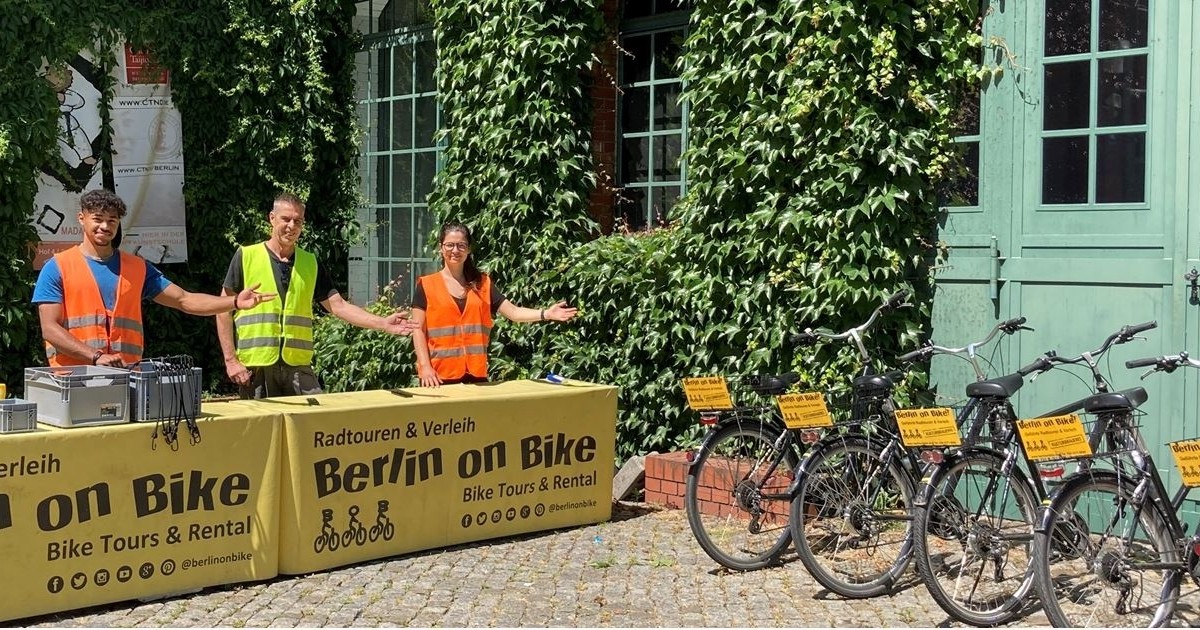 9
9Bike Rental
Berlin is a city designed for pedaling—flat streets, an expanding network of protected bike lanes, and a culture that treats two wheels as a way of life. Renting a bike here unlocks a more human pace of exploration: from leafy park circuits and canal-side cafés to reclaimed airfields and the quiet suburban lanes leading to lakes and palaces. This guide focuses on practical choices for renting everything from simple city cruisers and fast road bikes to electric-assist and cargo bikes, and it lays out routes, seasonality, and planning notes so you can choose the right set of wheels for your Berlin day or week.
Explore bike rental → 10
10E-Bike
Berlin folds together open skies, riverfront promenades, reclaimed airfields and a surprisingly varied perimeter of lakes and woodland. On an e-bike, the city reveals itself as a long, low-lying playground—ideal for riders who want to cover ground without losing the small discoveries: courtyard cafes, Cold War traces, canal-side markets and forested spits of quiet beyond the ring. This guide picks ten routes and experiences that show how e-biking in Berlin can be both casual urban exploration and full-day, low-effort adventure in Brandenburg’s edges.
Explore e-bike → 11
11SUP
Berlin's network of rivers, canals, and lakes transforms the city into an unexpected paddle playground. Standup paddleboarding (SUP) here blends serene urban touring—gliding past Berlin's bridges and graffiti-lined canal walls—with lake escapes framed by pine forests and summer swimmers. This guide focuses on the best SUP experiences in Berlin: sheltered canal loops for nervous first-timers, guided historical tours through the city center, and open-water crossings that demand wind checks and a little stamina.
Explore sup → 12
12Canoe
Berlin’s waterways are an invitation to slow travel: a canoe slips beneath bridges where tramlines hum, threads past houseboats and old brick mills, and opens into broad lakes rimmed by pine and reed. Canoeing here is an intimate way to read the city—its industrial past softened by green corridors, its neighborhoods stitched together by water. From easy urban paddles that skirt museum islands and contemporary waterfront developments to full-day lake explorations where fishermen and herons mark the quiet, Berlin offers a surprising range of canoe experiences. This guide focuses on the craft of canoeing in the city: where to launch, what conditions to expect, how to mix a canal jaunt with a lakeside picnic or a long Havel cruise, and how to plan trips that feel both metropolitan and wild.
Explore canoe → 13
13Zoo
Berlin's zoos are more than family stops — they are living museums where conservation, history, and urban life meet. Between the compact, historic Zoologischer Garten in the west and the sprawling Tierpark in the east, visitors can trace centuries of animal husbandry, wartime survival, and modern conservation efforts. This guide focuses on the zoo experience in Berlin: when to go, what to expect, how to layer visits with nearby green spaces and cultural stops, and practical tips to make the day smooth and meaningful.
Explore zoo → 14
14Aquarium
Berlin's aquariums offer a rare urban portal into the underwater world: dim, curated rooms where light is measured in shafts and bioluminescent blues, and where the city's temperate seasons feel irrelevant. These three experiences distill why Berliners — and the travelers who follow them — find comfort and fascination in tanks and tide pools. Behind the glass, you'll meet tropical reefs and local river species, watch feeding choreography that plays out like miniature theater, and learn how metropolitan waterways connect to global marine health. Each stop pairs easily with outdoor rituals: riverside walks, bike rides between neighborhoods, and markets where you can follow a salty hour with a fresh, local meal. This guide zeroes in on the experience of visiting an aquarium in Berlin: how it feels, how to plan a day that balances inside and outside, and what practical choices make the visit more reflective, efficient, and memorable.
Explore aquarium → 15
15Sailing
Berlin is an unlikely but exceptional city for sailors: a patchwork of rivers, broad lakes, and looping canals that let you trade traffic lights for buoys without leaving the city. From beginner-friendly afternoon sails on the Wannsee to brisk regatta racing on the Havel, the capital’s waterways deliver a compact, varied sailing playground. Expect a mix of urban scenery and green shoreline, easy rentals and skippered charters, plus late-summer sunsets over beer-garden-lined shores.
Explore sailing →The city and the sea
Why Berlin Belongs on Your Adventure Shortlist
Variety without surrendering the day to long transfers.
Berlin is an urban archive in motion: layers of imperial boulevards, Cold War scars, and neon-forward neighborhoods fold into green corridors and broad waterways. For travelers who measure a city by what they can move through, Berlin is generous—wide, bike-friendly streets meet riverside paths and public parks that feel more like wilderness reserves than city squares. Start a morning on foot with a walking tour of Mitte’s museums and memorials, then trade soles for pedals and let a bike tour unspool neighborhoods that folded into the city in different centuries. The Spree stitches neighborhoods together by water; boat tours let you read the skyline in a new key while boat rentals and organized SUP sessions convert the river into a morning ritual. If you favor the decisive practicality of gears, bike rental and e-bike services are abundant, and they change how distances read on the map: day trips to Wannsee’s beaches or an afternoon crossing Tempelhofer Feld feel entirely possible without a car. Berlin’s appeal is also tactile. Street food stalls and biergartens crowd the edges of parks and piers, so long urban days tessellate easily—pedal, pause, paddle, and then seek out a corner table for people-watching. For photographers, the city is a study in contrasts: reflected Brutalism on the Spree, artful graffiti under bridges, and classical stone at Museum Island. Photography tours sharpen where to stand for light and history; evening boat tours offer a different palette as bridge lights and museum façades reflect in slow water. Beyond the ring road, the city’s outskirts host lakes and sheltered waterways where SUP, canoe, and casual sailing feel less like organized activities and more like a way locals spend long weekends. That proximity to both cultural density and open water is what makes Berlin uniquely flexible: you can compress multiple moods into a single day—museums at dawn, a riverside picnic at noon, an e-bike jaunt at golden hour—then close with an outdoor concert or a late-night walking tour. Practicality meets pleasure here. Public transit integrates with rental hubs and guided departures, so swapping transport modes is seamless. Seasonally, summer is the fullest expression—open-water paddling, sailing trips, and boat tours proliferate—while shoulder seasons offer quieter streets and lower prices for guided experiences. Winters are crisp and often quiet outdoors; the city trades some aquatic options for brisk urban walks, frozen-lake views, and a distinctively Berlin winter light that rewards serious photographers. Whether you’re a first-time visitor looking for curated city tours or a repeat traveler assembling longer, active days—bike loops, SUP sessions, and boat rentals—Berlin’s infrastructure and cultural density make both exploratory spontaneity and practical planning equally easy.
Berlin’s infrastructure is a key asset: robust public transit, abundant rental shops, and guided operators make it simple to combine activities—start with a museum in Mitte, hop an e-bike toward the Spree for a sightseeing boat, then finish at a riverside biergarten. Many operators offer hourly bike and boat rental, which is ideal for travelers who want flexibility without committing to a full-day tour.
The city’s waterways and parks mean you can manufacture quiet moments in a metropolis. Tempelhofer Feld’s vast runway is perfect for long, flat bike rides or kite-surf training; Wannsee gives you a beachy, lake-sport draw without leaving the metropolitan area. Local outfitters focus on safety and practical briefings, so novices can try SUP or canoe with confidence on sheltered stretches.
Conditions shape the day
The best time to visit Berlin.
Late spring through early fall offers warm days and calm evenings ideal for cycling, boat tours, and lakeside paddling. Expect occasional rain; summer thunderstorms are brief. Winters are cold and quieter outdoors—good for off-season city walks and museum time.
Best all-around window
Spring + fall
Comfortable mixed-itinerary weather, thinner crowds at beaches and lookouts, and more room to improvise.
Beach season
June–August sees the highest volume for outdoor activities, festivals, and boat tours—book popular guided outings and rentals in advance.
Surf + whales
Late fall and winter deliver thinner crowds, lower prices, and atmospheric light for photography; some lake-based activities decrease, but walking, cycling on city routes, and museum-focused days remain great options.
Coast to inland
Cool marine mornings often give way to warmer inland afternoons and breezy evenings.
Beginner
Short, low-commitment urban outings—self-guided walking tours, easy bike rentals, and guided sightseeing boat tours on calm water.
- Sightseeing boat tour through central Spree
- Gentle bike rental loop through Tiergarten and Museum Island
- Introductory SUP session on a sheltered lake near Wannsee
Intermediate
Longer urban rides, multi-neighborhood photography tours, standalone canoe or SUP trips on lakes with basic navigation.
- Half-day bike tour linking Kreuzberg, Neukölln, and Tempelhof
- Photography tour at golden hour on Museum Island and the Spree
- Self-guided canoe or SUP trip on Müggelsee with basic route planning
Advanced
Full-day urban adventure itineraries, fast-paced e-bike excursions that push distance limits, and multi-skill paddling or sailing trips requiring prior experience.
- Long e-bike day trip to Potsdam and back
- Photography and scouting expedition timed for dawn and night scenes
- Organized sailing day trip departing for the Baltic or extended lake-to-lake paddles
Field kit
What to bring.
Pack for sun, salt water, walking, and a meaningful temperature swing between coast and inland Berlin.
Essential
Start here
- Comfortable walking shoes for cobblestones and mixed pavement
- Light rain shell—Berlin weather shifts quickly
- Water bottle and small daypack
- Phone with local transit apps or offline maps
- Passport or ID for bike/boat rentals
Water days
Keep it dry
- Compact camera or smartphone gimbal for photography tours
- Reusable tote for markets and picnics
- Daylight-reflective layer or high-visibility vest for evening cycling
- Small dry bag for phone and keys when doing SUP or boat rental
Long days
Stay flexible
- Compact binoculars for riverside birding
- Light cycling gloves for longer bike tours
- Portable battery pack for long photo days
Insider note
Start early, then keep the geography tight.
Book bike and boat rentals in advance during summer weekends. Use dedicated bike lanes and follow local rules—Berlin drivers expect predictable cycling. For on-water activity, choose sheltered lakes if you’re new to SUP or canoeing; currents and boat traffic can be busier on the Spree. Bring a lightweight rain layer and plan activities around weather forecasts; sudden rain is common in summer. For photography walks, aim for dawn on Museum Island or dusk along the Landwehr Canal. Finally, combine transit and rentals: many train and ferry connections make it easy to pair an early train to Wannsee with a lakeside paddle and a late return to the city.
Good to know
Frequently asked questions.
Can I do most activities without a guide?
Yes. Many experiences—self-guided walking tours, bike rental and e-bike loops, and boat rental—are designed for independent travelers. Choose a guide for deeper historical context, night photography, or for unfamiliar waterways.
Are the waterways safe for swimming?
Some designated spots such as parts of Wannsee are popular for swimming; many urban stretches of the Spree are best approached via guided boat tours or rental craft rather than swimming. Always follow local signage and lifeguard guidance where present.
How early should I start during peak season?
Start early—departures and popular bike routes are quieter at dawn, and boat tours that leave mid-morning fill quickly. For museum-adjacent walking tours, arrive before mid-morning to avoid peak crowds.
Ready when you are
Find the trip that fits your Berlin day.
Compare bookable experiences across the coast, city, and mountains—then save the ones that belong in your plan.
Explore all Berlin adventures ↗