
Amsterdam adventure guide
Find your way into Amsterdam.
Amsterdam is equal parts waterways and wheeled motion: a city designed for bicycles, stitched by canals, and layered with centuries of trade, art, and late-afternoon light. This guide translates that history into action—short boat tours that feel like a lesson in architecture, bike tours that convert cobblestones into a moving map, and water activities that let you see the city from its old commercial arteries. Use this guide to mix a morning walking tour through the Rijksmuseum quarter with an afternoon SUP session on the Amstel, a twilight boat rental around the Grachtengordel, and a late-evening stroll through the Jordaan. Practical, compact, and season-aware, it’s built for travelers who want to move, see, and taste Amsterdam without feeling rushed.
Three ways into the city
Pick a landscape. Build a day around it.
Amsterdam is less a single destination than a collection of neighboring worlds. Start with the version of the city that matches your pace, then use the ranked guide below to fill in the details.

Begin where the city meets the sea.
Surf breaks, sheltered harbors, whale routes, and long beach paths make the coast LA’s most immediate outdoor playground.
Explore boat tour →
Let a local connect the landmarks.
Use a guided city, walking, or sightseeing tour to turn LA’s sprawl into a coherent story.
Explore city tour →
Ride the coast and the city.
Beach paths, river corridors, e-bikes, and ridge climbs reveal a more connected Los Angeles.
Explore bike tour →Choose your way into Amsterdam
The top 15 Amsterdam adventures.
Ranked by the number of currently listed trips. Each panel opens the complete local activity collection.
1City Tour
Amsterdam’s city tours are an intimate choreography of water, brick, and human-scale streets: a compact urban fabric that rewards slow movement. Whether you glide beneath bridges on a canal cruise, pedal between markets on a rented bike, or follow a guide through a neighborhood of hidden courtyards and 17th-century gables, the city tours here are built around layers—architectural history, mercantile legacy, immigrant flavors, and a persistent relationship with water. This guide focuses on how to plan, what to expect, and how to choose the right city-tour rhythm for your visit—walking, biking, boating, or a curated combo that reveals Amsterdam beyond the postcards.
Explore city tour → 2
2Sightseeing Tour
Amsterdam is a city designed to be seen slowly: on foot, by boat, and along bike lanes that thread past gabled facades and whispering waterways. Sightseeing tours here range from relaxed daytime canal cruises and curated museum walks to after-dark lantern rides and neighborhood food crawls. This guide focuses on the experience of sightseeing in Amsterdam—how the terrain, transport, seasons, and local rhythms shape each tour—and gives practical guidance for choosing, packing for, and timing the right trip for your pace and interests.
Explore sightseeing tour →3Boat Tour
Amsterdam is a city designed to be experienced from the water. From timbered merchant houses and arched bridges to houseboats and narrow-lined promenades, the canals compress centuries of urban history into a slow-moving, intimate theater. This guide focuses on boat tours—public, private, historic, and modern—so you can choose the rhythm, perspective, and mood that best fits your trip.
Explore boat tour → 4
4Walking Tour
Amsterdam is a walking city by design: a compact, layered metropolis where every block folds historical canals, merchant-era facades, and contemporary culture into steps that reward curiosity. This guide focuses on walking tours—self-guided and led—that reveal the city’s architecture, foodways, waterways, and lesser-known corners. Whether you aim for a slow heritage stroll, a specialist culinary route, or an industrial-to-creative trek across the IJ, Amsterdam’s walkable scale makes discovery immediate and intimate.
Explore walking tour → 5
5Water Activities
Amsterdam is a city shaped by water—its concentric canals, broad rivers, and the open expanse of the Markermeer create a playground for every kind of urban water adventure. From slow, reflective canal cruises and nimble kayaks slipping under old bridges to brisk sailing day trips on open waters, Amsterdam’s aquatic scene blends history, design, and accessible outdoor recreation. This guide focuses on where to go, how to plan, and what to expect for water-based experiences within and around the city.
Explore water activities →6Bike Tour
Amsterdam is a city built for two wheels. Cobbled alleys give way to wide cycle paths, canalside promenades, and a constant hum of cyclists navigating bridges and market squares. This guide focuses on bike tours—self-guided and guided—that make the most of Amsterdam’s flat terrain, rich history, and easy access to rural polders and coastal dunes. Expect a blend of urban discovery and pastoral escapes: morning rides past UNESCO-listed canal rings, afternoon loops through tulip country and historic windmills, and evening cruises under lamplit bridges. Practical route notes, seasonal tips, and packing advice here will help you choose between a cultural city circuit, a nature-forward ride to the Amsterdamse Bos, or a longer day out to Marken and Volendam.
Explore bike tour → 7
7Bike Rental
Amsterdam runs on two wheels. Renting a bike here is a practical, vivid way to move like a local—through narrow canal-side streets, along separated bike lanes, and across drawbridges that punctuate the city’s rhythm. This guide focuses on renting the right bike for the terrain and trip you want: quick city loops, cross-river explorations to Noord, or longer day rides into surrounding polders and coastal dunes.
Explore bike rental → 8
8Boat Rental
Amsterdam is a city best read from the water. Rent a small electric sloop for a private glide under brick arches, pilot a whisper-quiet boat down the Amstel, or pick a day boat to reach windmills and green polders beyond the ring of canals. This guide focuses on self-drive and rental boating—how to choose the right craft, where to go, safety and etiquette on narrow waterways, and how to layer other activities like cycling, waterfront cafés, and museum visits into a single, memorable day on the water.
Explore boat rental → 9
9Eco Tour
Amsterdam’s eco tours compress centuries of Dutch watercraft, reclamation, and wildlife stewardship into a few hours: electric canal cruises beneath sycamores, guided bike loops through reclaimed polders, and birdwatching trips to tidal edges where geese and spoonbills stage migrations. These experiences pair intimate local knowledge with low-impact travel practices—perfect for travelers who want to feel the city’s ecological story beneath the tourist surface.
Explore eco tour →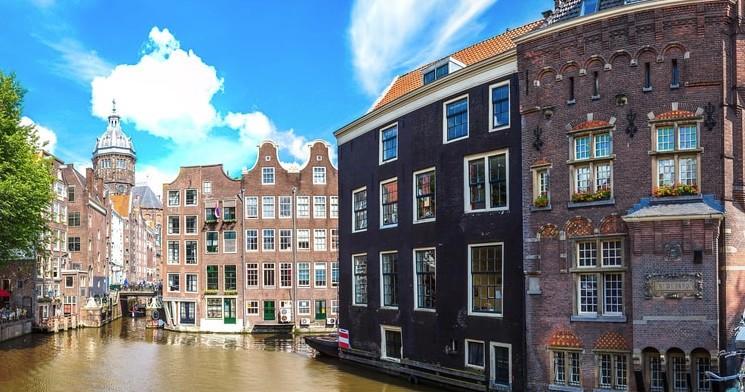 10
10Bus Tour
Amsterdam is often imagined at water-level—canal reflections and bike bells. Yet from the vantage of a well-curated bus tour you see the city’s connective tissue: the modern arteries that knit neighborhoods to countryside, the industrial docks reborn as creative quarters, and the short drives that open access to windmills, tulip fields (seasonal), and seaside escapes. Bus tours in Amsterdam range from compact city circuits that thread narrow streets and park-front avenues to longer coach excursions that cross the province line into Noord-Holland’s pastoral landscapes. For travelers who want context, accessibility, and a low-effort way to compare neighborhoods, a bus tour is a tactical choice: it orients you fast, fills your photo feed with architectural variety, and helps you plan where to linger on foot later.
Explore bus tour → 11
11Fishing
Amsterdam pairs the urban poetry of canals and cobblestones with a surprisingly rich and accessible fishing scene. From quiet canal banks in the city center to chartered trips across the shallow, wind-sculpted flats of the IJsselmeer and Markermeer, fishing here is as much about local rhythms and watercraft culture as it is about fish. This guide focuses on angling experiences—urban bank fishing, family-friendly pier outings, guided boat charters, and short excursions to nearby coastal waters—plus practical advice on seasons, access, and how to plan a successful day on the water.
Explore fishing → 12
12SUP
Amsterdam turns paddling into a city-scale experience: narrow canal alleyways, broad river corridors, and nearby lakes offer a surprising variety of SUP terrain within a short ride of any hotel. Whether you crave tranquil dawn glides past narrow gabled houses or wind-blown open-water training on the IJ, Amsterdam is one of Europe’s most accessible urban SUP playgrounds.
Explore sup → 13
13E-Bike
Amsterdam is the blueprint for urban e-biking: flat, compact, and threaded with protected lanes that invite exploration beyond the tourist loops. From canal-side commutes and market runs to longer polder circuits and seaside day trips, e-bikes turn the city and its surrounding landscapes into an accessible, efficient playground—perfect for riders who want to cover more ground without losing the slow, observational pace of cycling.
Explore e-bike → 14
14Hiking
Amsterdam’s hiking scene is a study in contrasts: intimate canal-side promenades that trace centuries of trade and urban life, and raw, wind-swept dune ridges and reclaimed polder paths a short train ride away. These are walks where cultural history and natural processes meet—peatland, polders, dunes, migratory bird corridors, and carefully managed forests—offering surprisingly varied day hikes for both easy urban explorers and quiet, contemplative rambles outside the city.
Explore hiking → 15
15Sailing
Amsterdam is where intimate urban canals meet wide, wind-swept inland seas. Sailing here ranges from glassy, lantern-lit canal trips through historic neighborhoods to bracing day sails across Markermeer and IJsselmeer aboard classic Dutch sloops and modern yachts. This guide focuses on the full spectrum of sailing experiences around the city—skippered charters, hands-on lessons, corporate tall-ship outings, and coastal day trips—offering both the romantic and the practical sides of navigating Amsterdam’s water network.
Explore sailing →The city and the sea
Why Amsterdam Belongs on Your Adventure Shortlist
Variety without surrendering the day to long transfers.
To visit Amsterdam is to accept a choreography of motion. Bikes hum past tramlines and canal barges glide beneath bowing bridges; each crossing, each quay is a little stage where daily life plays out with generous light. The city’s original infrastructure—narrow streets looped by concentric canals—was built for trade and defense, but today those same channels function as a living playground. A boat tour here is more than sightseeing: it’s an intimate orientation to the city’s evolution, revealing merchant houses, gabled facades, and hidden courtyards you can’t see from the sidewalk. Likewise, cycling isn’t merely transport; it is the local method of scanning neighborhoods, catching details, and stringing together a handful of micro-adventures over an afternoon. There’s a pragmatic elegance to Amsterdam’s adventure mix. The compact footprint means you can stack activities: begin with a curated museum morning on Museumplein, rent a bike for a canal-side loop through the Jordaan and De Pijp, and finish with a paddle on the Amstel at golden hour. For travelers who favor water, the options spread beyond guided boat tours—self-drive boat rentals, SUP sessions on sheltered stretches, and even sailing on the IJ offer fresh vantage points. For land-based explorers, walking tours and e-bike outings open quieter lanes and industrial edges, while city-adjacent wild spaces—like the Amsterdamse Bos and North Holland’s dunes—deliver forested trails and breezy coastal loops within 30–60 minutes. But the city’s charm resists romanticization: Amsterdam requires a little local literacy. Bike lanes are fast and sacred; tram tracks claim the hard urban spine; tides and tides of commuters shape mornings. Learning a few customs—stay right on the bike paths, check for trams before crossing, lock bikes correctly—keeps the experience smooth. Practical infrastructure also simplifies planning: plentiful rentals, year-round guided tours, and compact neighborhoods make last-minute choices possible. That accessibility breeds a diversity of adventures, from easy walking tours and family-friendly boat rentals to intermediate e-bike explorations and SUP sessions when the water is calm. Ultimately, Amsterdam’s appeal is combinatory. It’s the rare city where cultural immersion—museums, cafés, markets—slides naturally into outdoor practice: you can be a morning museumgoer and an afternoon paddler, a slow walker and an efficient cyclist. For planners, that versatility means you can tailor an itinerary by mood and weather: heavy rain? Swap a bike tour for a museum crawl. Clear skies? Rent a boat and let the canals guide you. The result is an urban adventure playground that rewards curiosity, good timing, and a modest willingness to move under your own power.
Compact, bike-first streets and a dense network of boat routes let you pair cultural stops with on-the-water perspectives in a single day. Rentals and guided options make logistics simple, while public transit fills gaps for farther-out excursions.
Seasonal blooms and local markets—springtime tulips, summer terraces, and crisp autumn light—create distinct moods. Shoulder seasons are quieter and often ideal for photographers and day-trippers seeking lower prices and fewer lines.
Conditions shape the day
The best time to visit Amsterdam.
Spring and early summer bring long daylight and tulips; summer is warm but can be crowded. Autumn offers crisp light for photography and fewer tourists. Winter is quieter and atmospheric but shorter daylight and cooler conditions can limit some water activities.
Best all-around window
Spring + fall
Comfortable mixed-itinerary weather, thinner crowds at beaches and lookouts, and more room to improvise.
Beach season
April–May for tulips and festivals; June–August for warm weather and terraces—expect bigger crowds and higher prices.
Surf + whales
Late fall through winter has lower rates, open museum time slots, and quiet canals—good for travelers prioritizing culture and value over warmer weather water activities.
Coast to inland
Cool marine mornings often give way to warmer inland afternoons and breezy evenings.
Beginner
Short, low-impact excursions and self-paced tours that prioritize sightseeing and easy movement: walking, gentle boat tours, and bike rental for flat city loops.
- Guided city tour of the Canal Ring
- Leisurely boat tour around the Grachtengordel
- Self-guided bike loop through Vondelpark and the Jordaan
Intermediate
Longer outings that mix navigation and stamina: extended bike tours, SUP on calmer canal stretches or the Amstel, and e-bike trips that cover suburban green spaces.
- E-Bike tour to Amsterdamse Bos and outskirts
- SUP session on the Amstel in calm conditions
- Combined walking and museum tour with a canal boat segment
Advanced
Higher-skill adventures combining condition and technical ability: sailing on open water, multi-day island loops, or faster urban bike tours that require confident handling in traffic.
- Sailing trip on the IJsselmeer or longer coastal day sail
- Fast-paced guided urban bike tour through mixed traffic
- Self-drive boat navigation of busier canal arteries during peak hours
Field kit
What to bring.
Pack for sun, salt water, walking, and a meaningful temperature swing between coast and inland Amsterdam.
Essential
Start here
- Comfortable daypack for layers and water
- Rain shell—weather in the Netherlands can change quickly
- Sturdy shoes for cobbles and slippery docks
- Compact lock if you rent a bike and want to step inside
- Phone with local maps and a portable charger
Water days
Keep it dry
- Lightweight gloves and a beanie for early-season paddles or cool evenings
- Waterproof phone case or small dry bag for SUP/boat outings
- Reflective vest or light for evening cycling
- Reusable water bottle and small snacks for day trips
Long days
Stay flexible
- Compact binoculars for birding along quieter waterways
- Action camera with mount or float for paddle sessions
- Foldable rain poncho for markets and impromptu picnics
Insider note
Start early, then keep the geography tight.
Respect the flow: Dutch cycling culture moves fast—keep right on shared paths, signal early, and avoid sudden stops. Tram tracks are common; cross them at a shallow angle and watch for slippery grooves after rain. For boat rentals, book early for weekends and high season and learn basic canal rules (speed limits, right-of-way at narrow bridges). When paddling or SUPing, stick to designated areas in the Amstel and quieter canals—outfitters can advise which stretches are permitted and safe. Consider an e-bike for hilly or longer suburban loops; they extend range and keep you comfortable. Finally, bring change or a contactless card for locks, bike parking, and smaller vendors—cash is less common in many spots.
Good to know
Frequently asked questions.
Can I do most activities without a guide?
Yes—many offerings like bike rental, self-drive boat hire, and basic walking tours are available unguided. Choose guided options for deeper historical context, off-grid routes, or specialized water instruction (e.g., SUP lessons or sailing).
Is cycling safe for visitors?
Cycling is safe if you follow local rules: stay in bike lanes, yield to faster traffic, watch tram tracks, and use lights after dark. Rent a properly sized bike and practice in a quiet area if you’re not confident on cobbles.
Are canal or river activities weather-dependent?
Yes. Wind, rain, and water traffic affect SUP, sailing, and small-boat rentals. Outfitters will advise based on conditions—book flexible time slots and confirm cancellations or rescheduling policies.
Ready when you are
Find the trip that fits your Amsterdam day.
Compare bookable experiences across the coast, city, and mountains—then save the ones that belong in your plan.
Explore all Amsterdam adventures ↗