About this landmark
Discover Ngorongoro Conservation Area
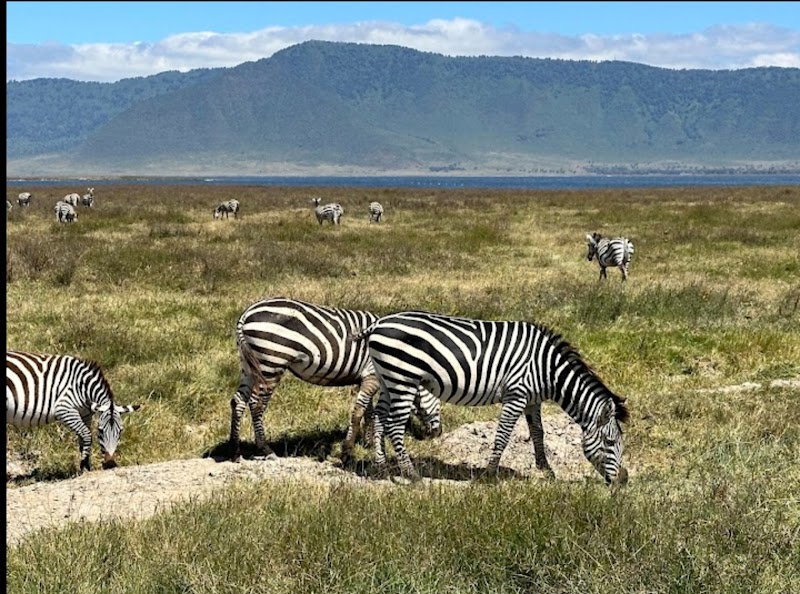
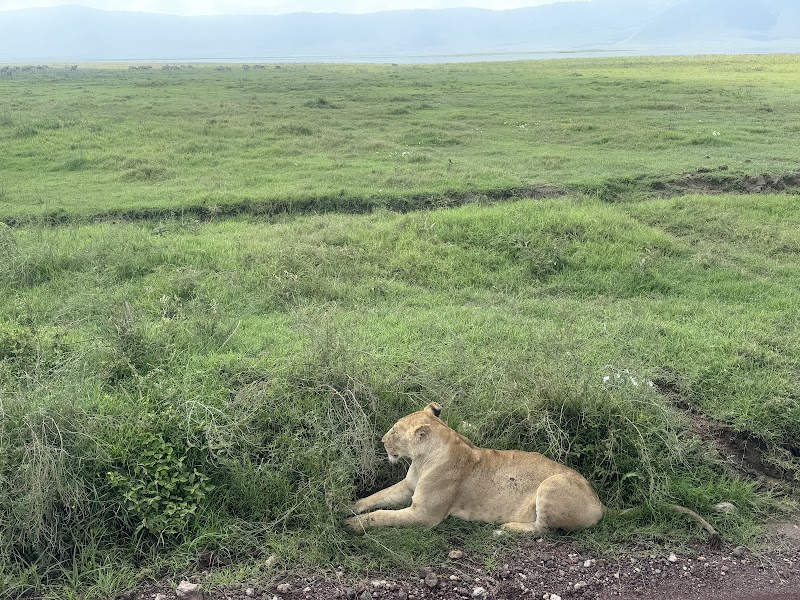
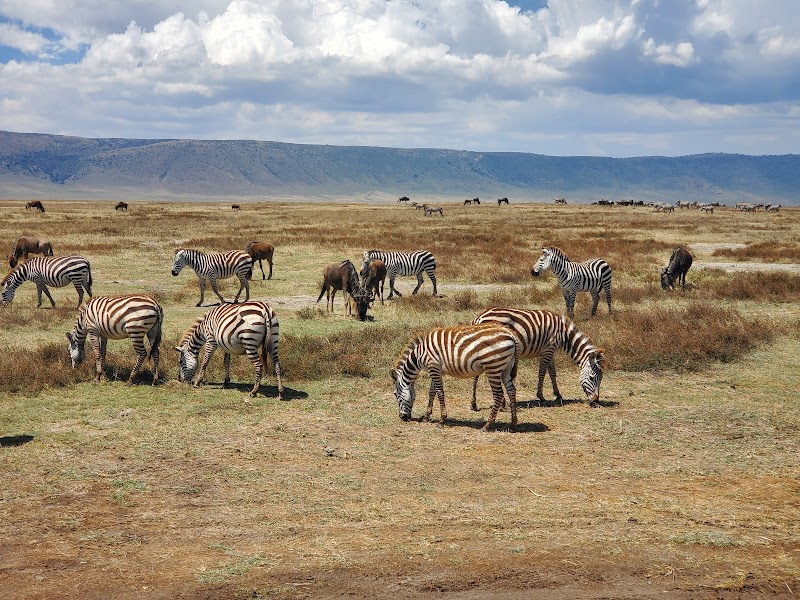
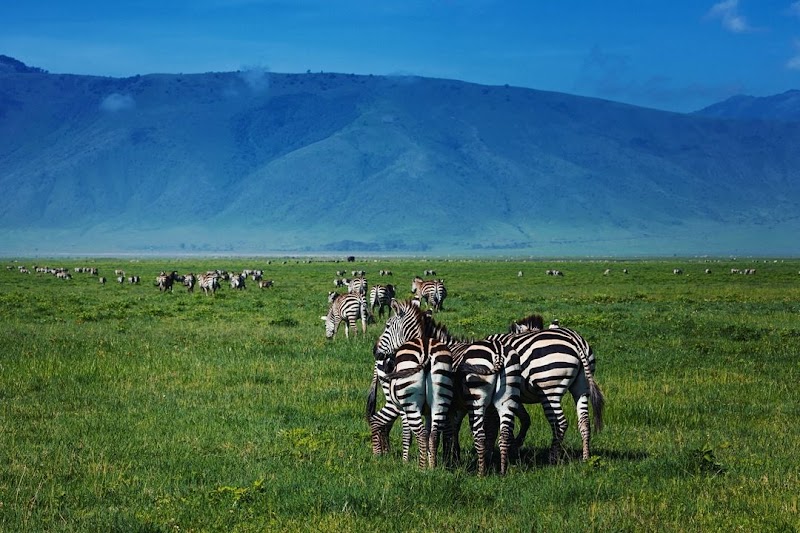
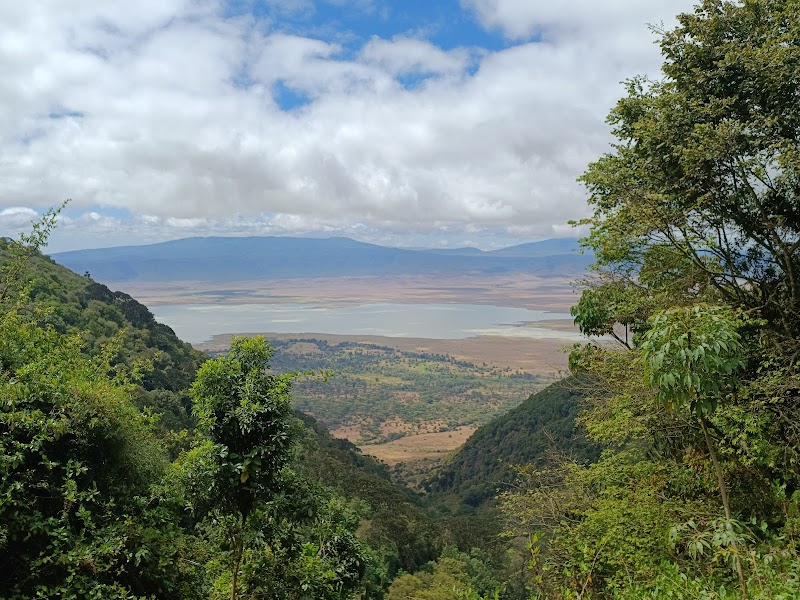
Ngorongoro Conservation Area in Tanzania offers a breathtaking combination of nature and wildlife. Famous for the Ngorongoro Crater, this World Heritage Site presents a stunning natural amphitheater rich with various fauna and mesmerizing landscapes. Encompassing the world's largest inactive volcanic caldera, the crater supports a diverse ecosystem teeming with wildlife. From lions and elephants to the rare black rhino, visitors can experience Africa's famed 'Big Five' in their natural habitat.
Unique geological formations frame the crater, including the vast crater floor, lush highlands, and expansive savannah. Historical significance adds to its allure; early hominid fossils discovered nearby at Olduvai Gorge echo the area's ancient past.
The area's distinctiveness lies in its combination of geological wonder and rich biodiversity, making Ngorongoro a sought-after destination for adventurers and nature enthusiasts alike.
Adventure Guide
Adventure Guide to Ngorongoro Conservation Area
Safari in the Crater
- Highlights: Experience a game drive into the crater, offering unparalleled wildlife viewing opportunities. Spotting the 'Big Five' along with zebras, wildebeests, and flamingos can be the highlight of your trip.
- Local Insights: The Maasai people, pastoralists known for their distinctive cultural practices, inhabit the surrounding areas, providing cultural experiences and insights.
- Visitor Tips: Best time to visit is during the dry season (June through October) for optimum wildlife visibility. Sunscreen, hats, and cameras are essential.
Hiking in the Highlands
- Highlights: Trek along the Empakaai or Olmoti Craters for panoramic views. The trails offer cascading waterfalls and rich vegetation.
- Visitor Tips: Early morning hikes provide the best lighting and cooler temperatures. Comfortable shoes and water are a must.
Bird Watching by Lake Magadi
- Highlights: Lake Magadi, within the crater, hosts flocks of flamingos and other birdlife, great for bird enthusiasts and photographers.
- Visitor Tips: Bring binoculars for a better view and visit during wet seasons when bird activity peaks.
Directions: From Arusha, it's a 4-5 hour drive to Ngorongoro Conservation Area. Guided tours are recommended for a comprehensive experience.
Visitor Tips
- Best Times:Dry Season (June to October) for favorable conditions and optimal lighting.
- What to Bring:Plenty of water, sun protection, a camera, and respectful Leave-No-Trace mindset.