About this landmark
Ngorongoro Crater: A Natural Marvel in Tanzania
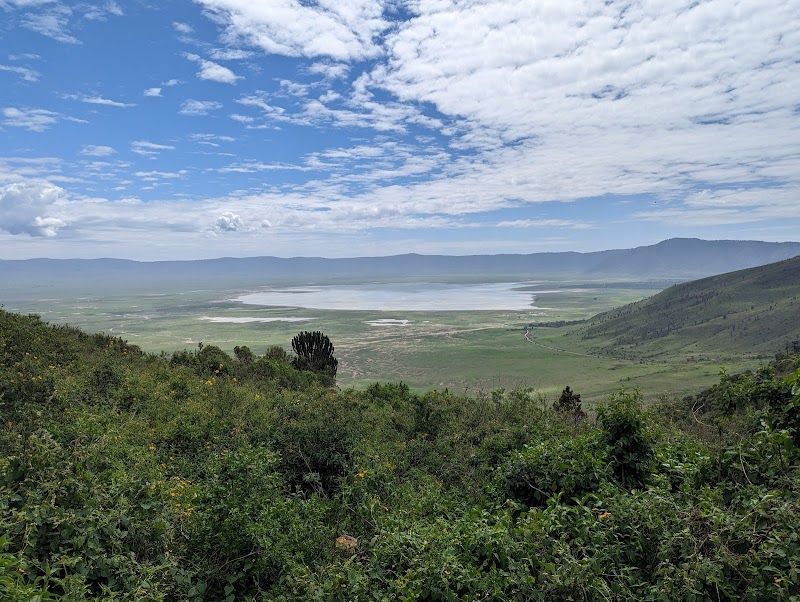
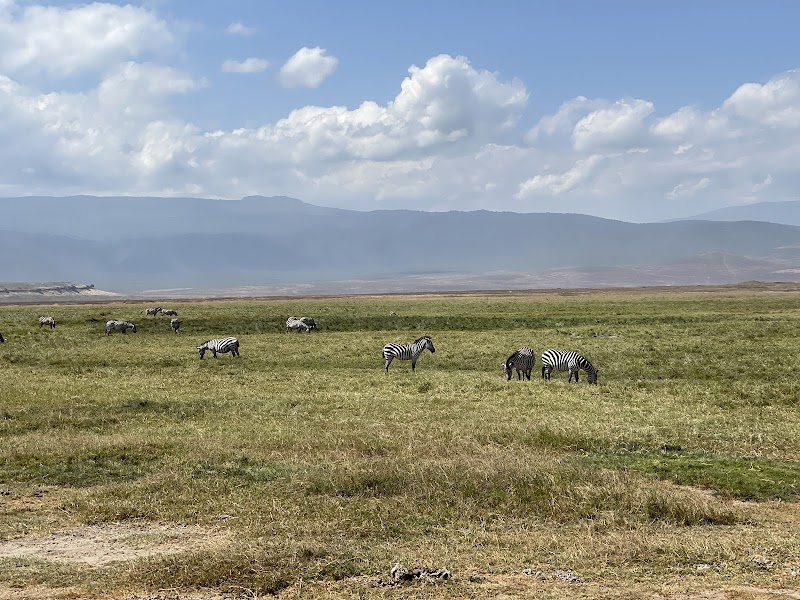
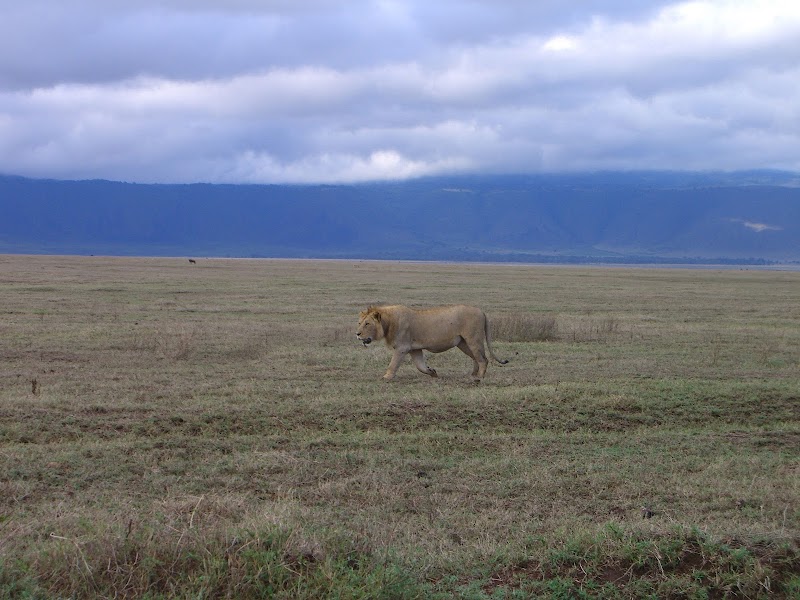
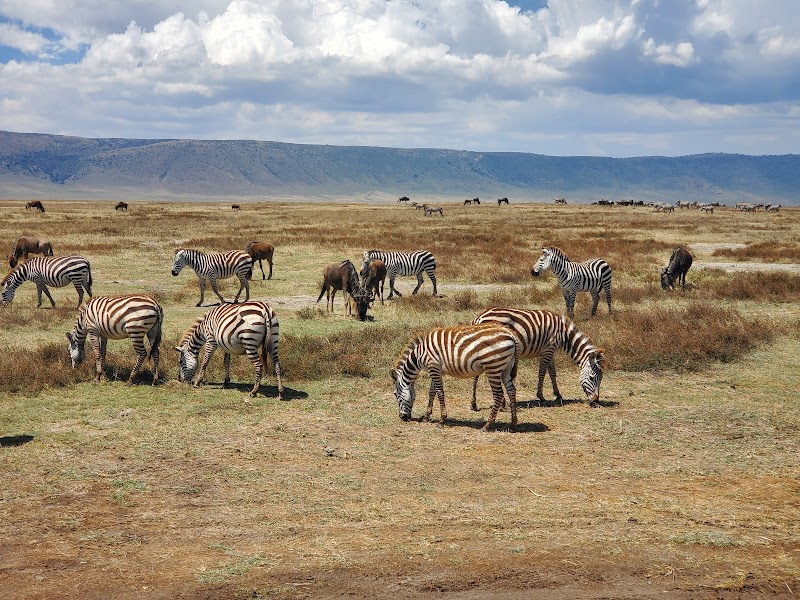
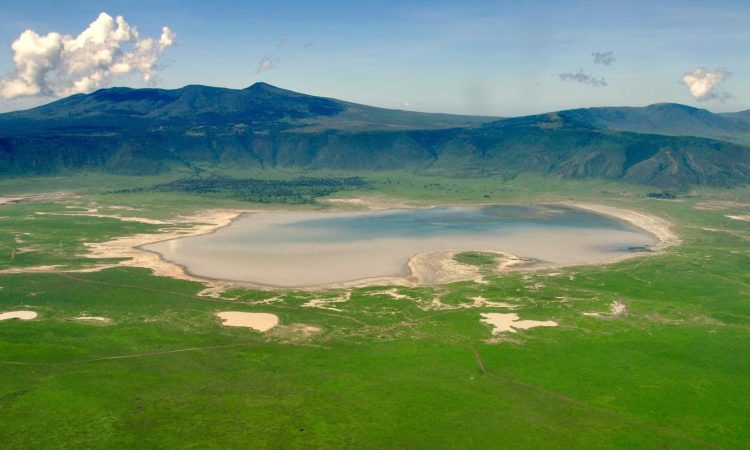
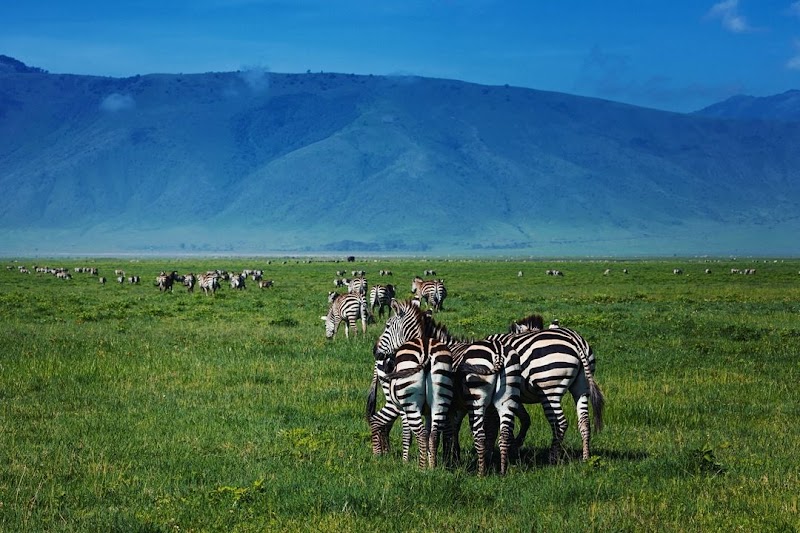
Ngorongoro Crater, located in the northern region of Tanzania, is a stunning natural amphitheater that captivates all who visit. This UNESCO World Heritage Site was formed when a giant volcano exploded and collapsed on itself around two to three million years ago, creating the world's largest inactive and unfilled volcanic caldera. This extraordinary landscape is famed for its remarkably diverse ecosystems that offer a sanctuary for myriad wildlife species. Visitors are often enamored by the breathtaking vistas of the crater floor, where lush green grasslands meet sparse arid regions, providing habitats for vast herds of zebras, wildebeests, and elephants, as well as predators like lions and hyenas. Adding to its allure, the crater is one of the few places in East Africa where visitors have a good chance of seeing the endangered black rhinoceros. Beyond its natural splendor, the Maasai people who inhabit the surrounding areas offer a unique cultural experience, showcasing traditional practices that have been part of this land for centuries. A journey to Ngorongoro is not only an encounter with nature's grandeur but also a dive into rich cultural traditions, making it a standout destination for adventurers and nature lovers alike.
Adventure Guide
Adventure Guide to Ngorongoro Crater
1. Wildlife Safari
- What makes it special: Ngorongoro's unique ecosystem is a haven for Africa's renowned Big Five. A safari here offers sightings of diverse wildlife set against the backdrop of the crater's beautiful terrain.
- Key features: Expert-guided tours, open-roof vehicles for optimal viewing.
- Local Insight: The Maasai pastoralists have shared the land with these wild animals for hundreds of years.
- Visitor Tips:
- Best time to visit: June to October during the dry season for optimal game viewing.
- What to bring: Binoculars, camera, sunscreen.
2. Hiking to the Crater Rim
- What makes it special: While the crater floor is famous, the rim offers stunning panoramic views and a different perspective.
- Key features: Guided hikes with options for different fitness levels.
- Visitor Tips:
- Best time to visit: Morning hikes provide cooler temperatures and clearer views.
- What to bring: Hiking boots, water, light jacket.
3. Cultural Tours with the Maasai
- What makes it special: Engaging with the Maasai offers insight into their timeless traditions and lifestyle.
- Key features: Visits to traditional villages, opportunity to purchase handmade crafts.
- Visitor Tips:
- Best time to visit: Year-round.
- What to bring: Respectful attire, cash for local crafts.
Getting There
- Driving directions: Ngorongoro Crater is approximately a 3-hour drive from Arusha. Various tour operators offer guided services from key Tanzanian cities.
Visitor Tips
- Best Times:June to October for favorable conditions and optimal lighting.
- What to Bring:Plenty of water, sun protection, a camera, and respectful Leave-No-Trace mindset.