THE ADVENTURE COLLECTIVE® · Independent discovery and booking for outdoor travel

Three days of concentrated safari: Tarangire’s elephant-rich floodplains and the volcanic bowl of Ngorongoro Crater deliver close wildlife encounters and wide, dramatic scenery. Early starts, scenic drives and expert guiding make this an efficient way to see East Africa’s signature animals.
Three days of concentrated safari: Tarangire’s elephant-rich floodplains and the volcanic bowl of Ngorongoro Crater deliver close wildlife encounters and wide, dramatic scenery. Early starts, scenic drives and expert guiding make this an efficient way to see East Africa’s signature animals.
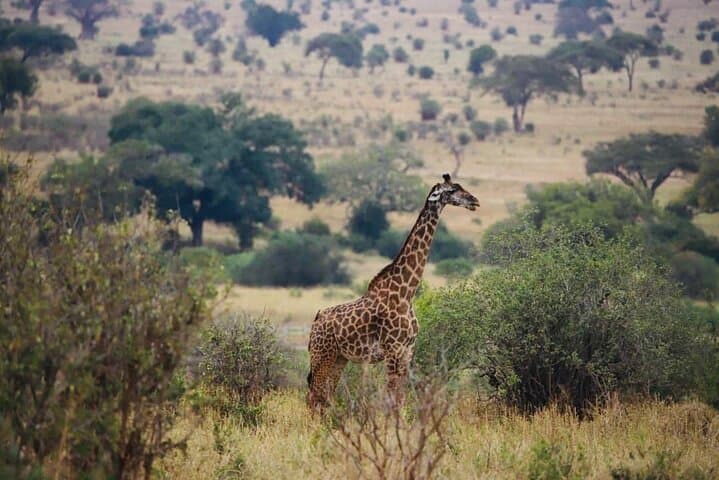
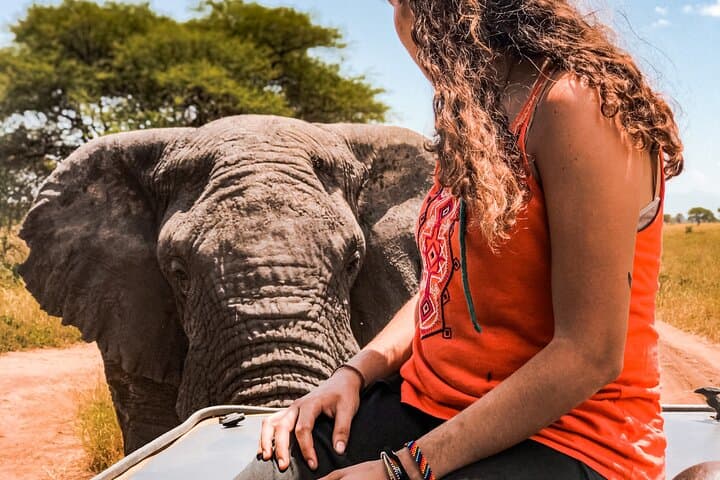
The Land Rover eases onto a red-dust track as dawn brakes over Tarangire; elephants file through the acacia-strewn floodplain and baobabs stand like weathered giants daring you closer. The first day unfolds as wide-open plains and low-slung hills, with the guide’s voice a steady thread pointing out hornbills, dik-dik and the slow, purposeful passage of elephant herds.
Verified experiences and guided adventures in the surrounding area.
Operated by Tarry Adventures and Safaris · Arusha, Arusha Region
The Land Rover eases onto a red-dust track as dawn brakes over Tarangire; elephants file through the acacia-strewn floodplain and baobabs stand like weathered giants daring you closer. The first day unfolds as wide-open plains and low-slung hills, with the guide’s voice a steady thread pointing out hornbills, dik-dik and the slow, purposeful passage of elephant herds.
This circuit pairs two of northern Tanzania’s iconic ecosystems. Tarangire National Park is defined by its seasonal river and dense elephant populations, while Ngorongoro Crater is a sunken caldera—a geological bowl formed by a collapsed volcano that now sustains a high-density wildlife community. Maasai pastoral culture shapes local life here; you’ll notice their distinctive beadwork and grazing cattle on the park fringes.
Practically, expect early departures, long but scenic transfers (3–4 hours between towns and parks) and game drives that favor patience and light. Vehicles follow established tracks; walks are minimal but bring sturdy shoes for quick nature strolls at lodges. Pack layers for chilly mornings, a sun hat for midday, and binoculars for distant sightings. Camera batteries and memory cards are essential—sunrise and crater-floor vistas deliver the best light.
Meals are a mix of picnic lunches and lodge dinners; accommodations vary from simple tented camps to permanent lodges. Guides handle permits and routing, but travelers should verify included park fees, vaccination advice, and passport details before travel. With basic preparation, this three-day itinerary delivers concentrated wildlife viewing and a compact, accessible taste of East African safari.
easy.
3 days.
Suitable for travelers in general good health; minimal walking required but be prepared for full days in a vehicle and short walks at lodges.
Confirm with the operator—some tours include park fees in the price while others list them separately; check before booking.
Yellow fever proof may be required for some travelers and malaria prophylaxis is commonly advised; consult your travel clinic early.
Many operators accept families, but vehicle space, lodging and safety rules vary—verify age restrictions and child pricing when booking.
Lodges and camps range from basic tented options just outside parks to mid-range lodges; expect limited Wi‑Fi and simple amenities in camp settings.
Ngorongoro’s caldera formed when a large volcano collapsed around two to three million years ago; the area is also rich in Maasai pastoral history and prehistoric human sites.
Both parks are managed with community and conservation priorities; visitors should minimize waste, avoid single-use plastics, and follow guides’ rules to reduce disturbance to wildlife.
Tarry Adventures and Safaris operates guided outdoor trips and adventures with an emphasis on safety, stewardship, and memorable experiences.
The Land Rover eases onto a red-dust track as dawn brakes over Tarangire; elephants file through the acacia-strewn floodplain and baobabs stand like weathered giants daring you closer. The first day unfolds as wide-open plains and low-slung hills, with the guide’s voice a steady thread pointing out hornbills, dik-dik and the slow, purposeful passage of elephant herds.
The Land Rover eases onto a red-dust track as dawn brakes over Tarangire; elephants file through the acacia-strewn floodplain and baobabs stand like weathered giants daring you closer. The first day unfolds as wide-open plains and low-slung hills, with the guide’s voice a steady thread pointing out hornbills, dik-dik and the slow, purposeful passage of elephant herds.
This circuit pairs two of northern Tanzania’s iconic ecosystems. Tarangire National Park is defined by its seasonal river and dense elephant populations, while Ngorongoro Crater is a sunken caldera—a geological bowl formed by a collapsed volcano that now sustains a high-density wildlife community. Maasai pastoral culture shapes local life here; you’ll notice their distinctive beadwork and grazing cattle on the park fringes.
Practically, expect early departures, long but scenic transfers (3–4 hours between towns and parks) and game drives that favor patience and light. Vehicles follow established tracks; walks are minimal but bring sturdy shoes for quick nature strolls at lodges. Pack layers for chilly mornings, a sun hat for midday, and binoculars for distant sightings. Camera batteries and memory cards are essential—sunrise and crater-floor vistas deliver the best light.
Meals are a mix of picnic lunches and lodge dinners; accommodations vary from simple tented camps to permanent lodges. Guides handle permits and routing, but travelers should verify included park fees, vaccination advice, and passport details before travel. With basic preparation, this three-day itinerary delivers concentrated wildlife viewing and a compact, accessible taste of East African safari.