THE ADVENTURE COLLECTIVE® · Independent discovery and booking for outdoor travel

Depart Zanzibar for a focused 2-day safari that pairs Tarangire’s baobab-lined plains and elephant herds with the concentrated wildlife of Ngorongoro Crater. Expect short flights, private transport, and early morning game drives.
Depart Zanzibar for a focused 2-day safari that pairs Tarangire’s baobab-lined plains and elephant herds with the concentrated wildlife of Ngorongoro Crater. Expect short flights, private transport, and early morning game drives.
The morning light in northern Tanzania feels urgent: a low sun pries gold from baobab trunks as the safari jeep hums along dusty tracks. You arrive from Zanzibar by short flight to Arusha, switch to a private vehicle and move through acacia woodland toward Tarangire, where the river dares the elephants to keep coming.
Verified experiences and guided adventures in the surrounding area.
Operated by Qualified Tours Tanzania Limited · Arusha, Arusha Region
The morning light in northern Tanzania feels urgent: a low sun pries gold from baobab trunks as the safari jeep hums along dusty tracks. You arrive from Zanzibar by short flight to Arusha, switch to a private vehicle and move through acacia woodland toward Tarangire, where the river dares the elephants to keep coming.
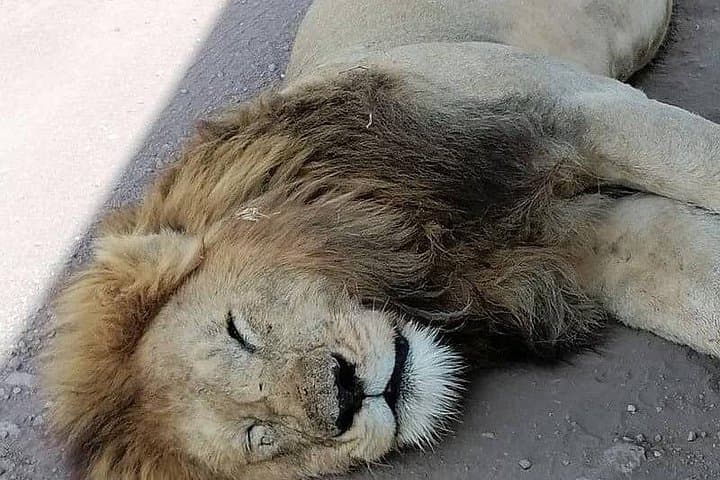
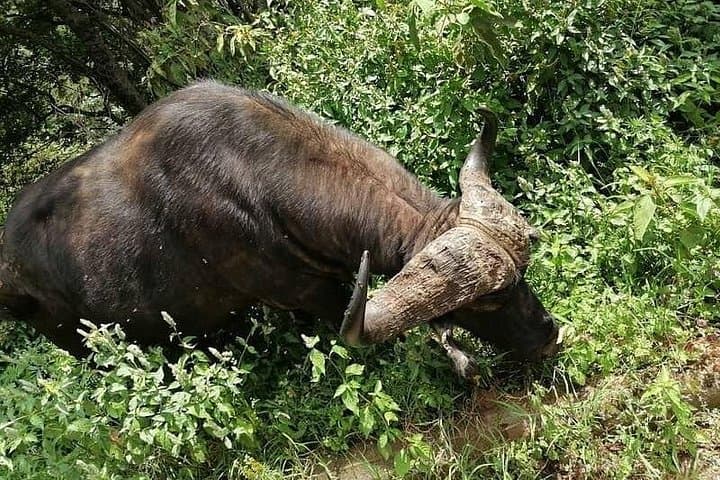
Tarangire’s landscape is defined by broad floodplains, dense swamps in the south and iconic baobab trees that pause the skyline. The park hosts some of Africa’s largest elephant herds; you’ll also find zebra, wildebeest, giraffe and stalking predators. Day two takes you to Ngorongoro, an extinct volcanic caldera whose rim sits around 2,200–2,300 m; the crater floor is roughly 600–700 m lower, creating a concentrated pocket of plains, lakes and forest where black rhino, hippo and large carnivores gather.
Geologically the crater is a collapsed volcano with a closed ecosystem; culturally the highlands are Maasai country, and pastoralists often share views across the rim. Expect long but scenic transfers—roughly 2–3 hours by road between parks—and game drives over compact dirt tracks that get sticky in rains.
Practical guidance: travel light for flights between Zanzibar and Arusha, bring layered clothing for warm days and cool crater mornings, carry binoculars and a charging power bank, and plan early starts—animal activity peaks at dawn and dusk. Respect park rules, keep distance from wildlife, and budget for tips and optional park fees beyond the tour inclusions.
easy.
2 days.
Suitable for travelers of average fitness; minimal walking required but expect long vehicle transfers and occasional short walks.
Scheduled flights take about 50–75 minutes; transfers to/from airports are arranged by the operator.
This itinerary lists parking fees and crater admission as included for Ngorongoro; confirm with the operator before travel for any additional conservation levies.
Yes—this private tour is labeled suitable for all fitness levels and offers vehicle-accessible game drives; inform the operator about mobility needs when booking.
The dry season (roughly June–October) concentrates wildlife around water and typically offers the most reliable viewing, though wet seasons bring lush scenery and birding opportunities.
Ngorongoro is an intact volcanic caldera formed when a large volcano collapsed around two to three million years ago; the Maasai have grazed the highlands for generations.
Both parks are under active conservation management; visitors should follow park rules to reduce disturbance, avoid single-use plastics and support local guides and community-run services.
Qualified Tours Tanzania Limited operates guided outdoor trips and adventures with an emphasis on safety, stewardship, and memorable experiences.
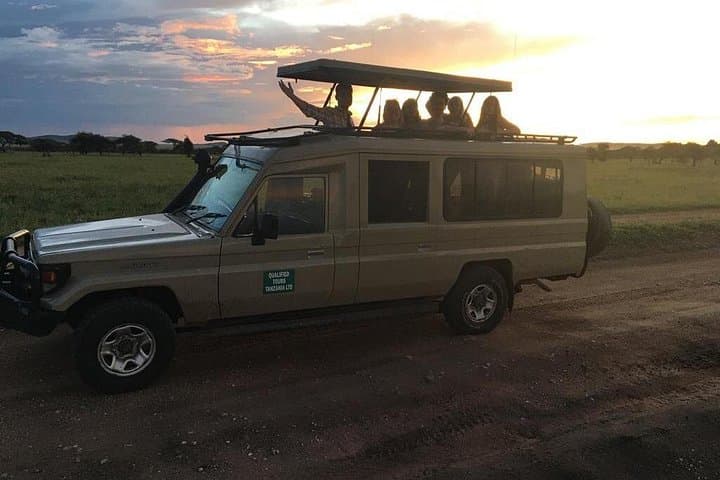
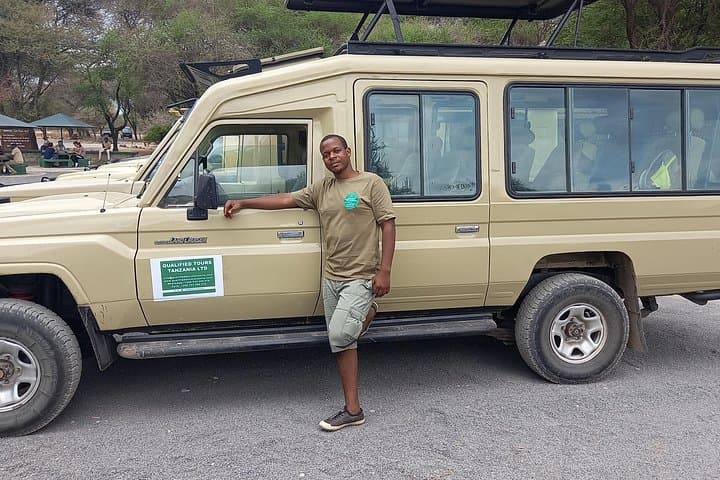
The morning light in northern Tanzania feels urgent: a low sun pries gold from baobab trunks as the safari jeep hums along dusty tracks. You arrive from Zanzibar by short flight to Arusha, switch to a private vehicle and move through acacia woodland toward Tarangire, where the river dares the elephants to keep coming.
The morning light in northern Tanzania feels urgent: a low sun pries gold from baobab trunks as the safari jeep hums along dusty tracks. You arrive from Zanzibar by short flight to Arusha, switch to a private vehicle and move through acacia woodland toward Tarangire, where the river dares the elephants to keep coming.
Tarangire’s landscape is defined by broad floodplains, dense swamps in the south and iconic baobab trees that pause the skyline. The park hosts some of Africa’s largest elephant herds; you’ll also find zebra, wildebeest, giraffe and stalking predators. Day two takes you to Ngorongoro, an extinct volcanic caldera whose rim sits around 2,200–2,300 m; the crater floor is roughly 600–700 m lower, creating a concentrated pocket of plains, lakes and forest where black rhino, hippo and large carnivores gather.
Geologically the crater is a collapsed volcano with a closed ecosystem; culturally the highlands are Maasai country, and pastoralists often share views across the rim. Expect long but scenic transfers—roughly 2–3 hours by road between parks—and game drives over compact dirt tracks that get sticky in rains.
Practical guidance: travel light for flights between Zanzibar and Arusha, bring layered clothing for warm days and cool crater mornings, carry binoculars and a charging power bank, and plan early starts—animal activity peaks at dawn and dusk. Respect park rules, keep distance from wildlife, and budget for tips and optional park fees beyond the tour inclusions.