THE ADVENTURE COLLECTIVE® · Independent discovery and booking for outdoor travel

Descend into a 600-meter volcanic caldera on a private full-day safari to Ngorongoro Crater. Expect dense wildlife concentrations, dramatic geology, and optional Maasai village visits on a long but accessible day trip from Arusha.
Descend into a 600-meter volcanic caldera on a private full-day safari to Ngorongoro Crater. Expect dense wildlife concentrations, dramatic geology, and optional Maasai village visits on a long but accessible day trip from Arusha.
You climb into the vehicle while dawn still pins long shadows across the highlands — the road to Ngorongoro pulls you through patchwork farmland and ancient volcanic ridgelines until the caldera fills the windshield.
Verified experiences and guided adventures in the surrounding area.
Operated by Moorland Safari and Trekking · Ngorongoro Conservation Area, Arusha Region
You climb into the vehicle while dawn still pins long shadows across the highlands — the road to Ngorongoro pulls you through patchwork farmland and ancient volcanic ridgelines until the caldera fills the windshield.
The crater opens like a sudden world: a 600-meter drop into a bowl that holds grassland, forest, and a permanent population of wildlife. Geologically, Ngorongoro is a collapsed supervolcano whose rim preserves dramatic escarpments and fertile highland slopes carved by millennia of erosion. Culturally the area sits within the Ngorongoro Conservation Area, where Maasai pastoralists still graze cattle and host visits to small villages where traditional beadwork and customs are on view.
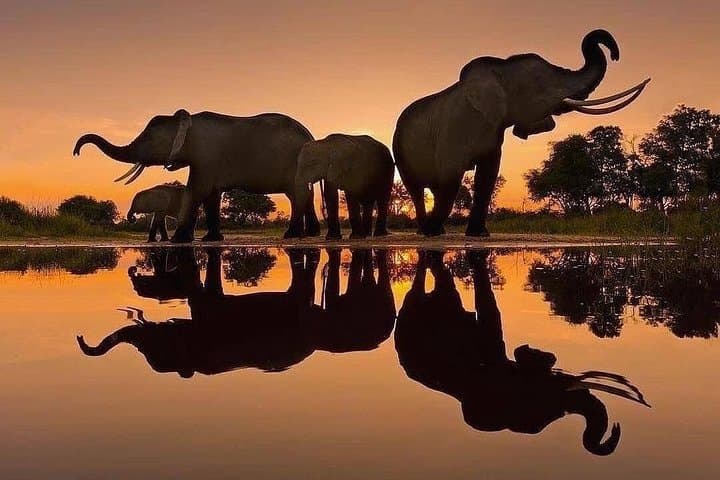
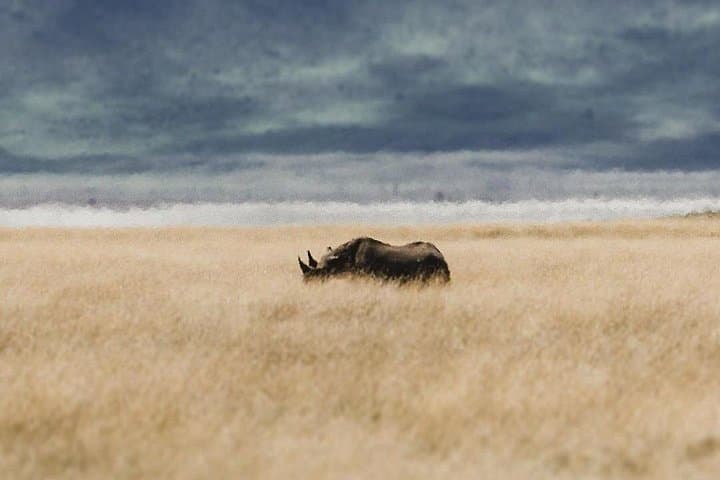
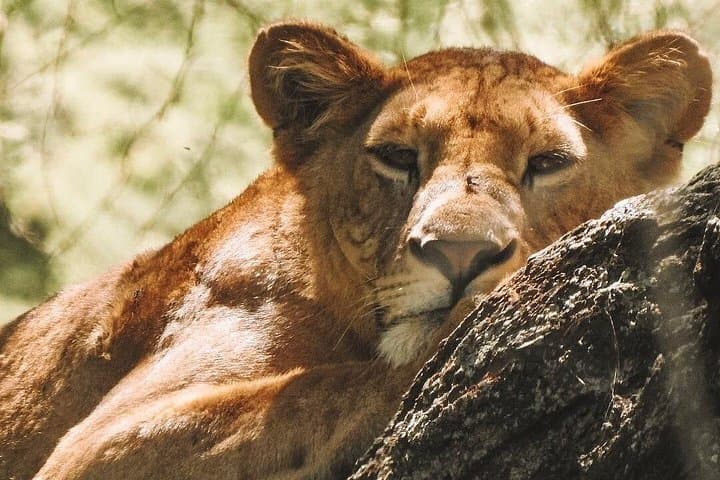
Wildlife here moves with purpose: lions hunting the flats, elephants threading between bush and acacia, and — in rare sightings — the critically endangered black rhino. Guides read tracks and patterns the way a sailor reads wind, positioning the vehicle for classic sightings and quiet observation.
Practicalities matter. Expect a long day (10–14 hours) with early pickup from Arusha, comfortable but bumpy drives, and time on open vehicles while descending into the caldera. The tour usually includes a boxed picnic and bottled water; bring layers for cool mornings and sun protection for midday. Opt for a private guide if you want flexibility to linger at sightings or add a short Maasai village visit.
Plan for photography at every turn, keep a safe distance from animals, and carry cash for small village purchases — the crater rewards patience with close, sustained encounters with East Africa’s most dramatic wildlife stage.
easy.
10–14 hours.
Minimal fitness required for vehicle-based game drives; be prepared for a long day sitting and short walks.
Expect a full day — roughly 3–4 hours each way depending on route and traffic, with 4–6 hours allocated for game drives in the crater.
Bring your passport for park permits; check routine travel vaccinations and consult local authorities about current health requirements.
Yes — most operators offer optional short visits to nearby Maasai settlements, typically added for cultural context and small purchases.
The listing notes general accessibility and infant seats; check with the operator about specific mobility needs and vehicle configurations before booking.
Ngorongoro’s caldera formed after a massive volcanic eruption and collapse roughly two to three million years ago; the conservation area later became a multifunctional reserve where Maasai pastoralism continues alongside wildlife protection.
The Ngorongoro Conservation Area balances pastoral land use with wildlife protection; visitors are encouraged to minimize waste, avoid single-use plastics, and follow guidance to reduce disturbance to animals and communities.
Moorland Safari and Trekking operates guided outdoor trips and adventures with an emphasis on safety, stewardship, and memorable experiences.
You climb into the vehicle while dawn still pins long shadows across the highlands — the road to Ngorongoro pulls you through patchwork farmland and ancient volcanic ridgelines until the caldera fills the windshield.
You climb into the vehicle while dawn still pins long shadows across the highlands — the road to Ngorongoro pulls you through patchwork farmland and ancient volcanic ridgelines until the caldera fills the windshield.
The crater opens like a sudden world: a 600-meter drop into a bowl that holds grassland, forest, and a permanent population of wildlife. Geologically, Ngorongoro is a collapsed supervolcano whose rim preserves dramatic escarpments and fertile highland slopes carved by millennia of erosion. Culturally the area sits within the Ngorongoro Conservation Area, where Maasai pastoralists still graze cattle and host visits to small villages where traditional beadwork and customs are on view.
Wildlife here moves with purpose: lions hunting the flats, elephants threading between bush and acacia, and — in rare sightings — the critically endangered black rhino. Guides read tracks and patterns the way a sailor reads wind, positioning the vehicle for classic sightings and quiet observation.
Practicalities matter. Expect a long day (10–14 hours) with early pickup from Arusha, comfortable but bumpy drives, and time on open vehicles while descending into the caldera. The tour usually includes a boxed picnic and bottled water; bring layers for cool mornings and sun protection for midday. Opt for a private guide if you want flexibility to linger at sightings or add a short Maasai village visit.
Plan for photography at every turn, keep a safe distance from animals, and carry cash for small village purchases — the crater rewards patience with close, sustained encounters with East Africa’s most dramatic wildlife stage.