THE ADVENTURE COLLECTIVE® · Independent discovery and booking for outdoor travel

Spend a long, wildlife-rich day inside the Ngorongoro Caldera — one of the world’s largest intact volcanic craters — with early pickups from Arusha or Moshi. Expect close views of zebra, wildebeest, lions and flamingos, dramatic geology, and practical tips for a full-day safari.
Spend a long, wildlife-rich day inside the Ngorongoro Caldera — one of the world’s largest intact volcanic craters — with early pickups from Arusha or Moshi. Expect close views of zebra, wildebeest, lions and flamingos, dramatic geology, and practical tips for a full-day safari.
You crest the rim before sunrise and the crater drops away like a living map: a wide, green bowl threaded by rivers, scatterings of flamingo-pink along soda lakes, and herds that move in deliberate, sunlit arcs. The 4x4 pulls into a dusty turnout, guides check radios, and the day stretches into close-up encounters with a landscape that still feels newly made.
Verified experiences and guided adventures in the surrounding area.
Operated by Taste Of Afrika Safaris · Karatu, Arusha Region
You crest the rim before sunrise and the crater drops away like a living map: a wide, green bowl threaded by rivers, scatterings of flamingo-pink along soda lakes, and herds that move in deliberate, sunlit arcs. The 4x4 pulls into a dusty turnout, guides check radios, and the day stretches into close-up encounters with a landscape that still feels newly made.
Geologically the Ngorongoro Caldera is one of the largest intact volcanic calderas on Earth — roughly 20 km across and plunging some 600 m from rim to floor. That dramatic drop creates microclimates: high, cooler rims lined with acacia and montane scrub, and a warmer, wetter floor where grasses and waterholes collect the region’s animals.
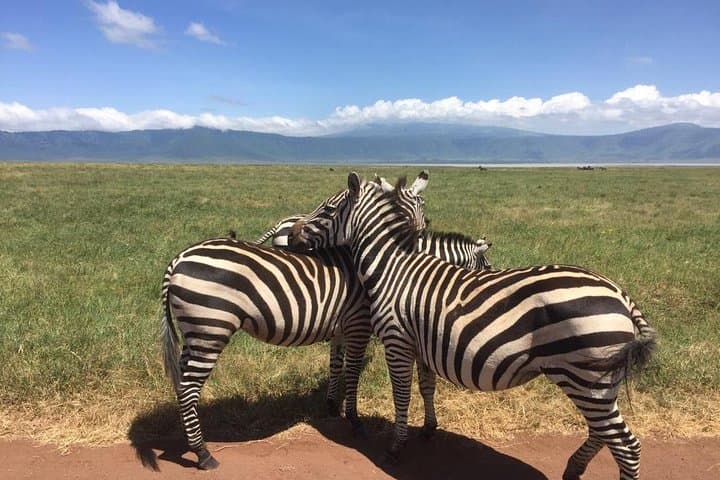
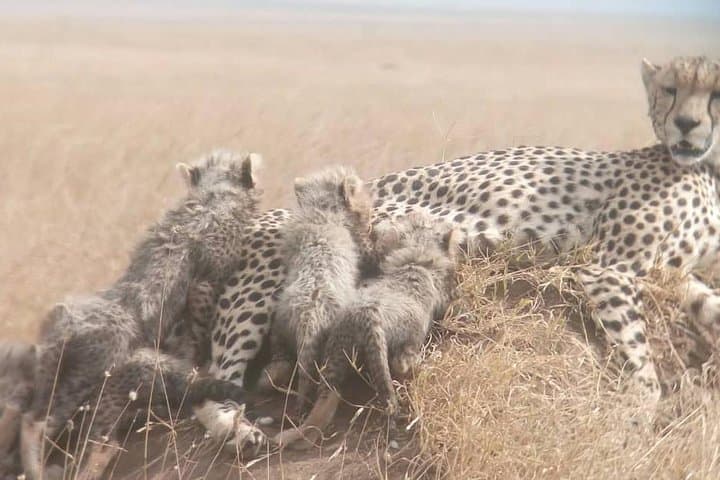
Culturally the area is linked to Maasai pastoralists whose cattle graze around the conservation area; their presence shapes both access and conservation practice. Wildlife here is dense — estimates cite tens of thousands of large mammals, including wildebeest, zebra, pride-forming lions, and one of Tanzania’s best places to try to see black rhino. Lakes attract flocks of flamingo and waterbirds that color shallow shores.
Practically, expect a long, full day: most tours pick up in Arusha or Moshi before sunrise and return late afternoon (about 5–9 hours). Roads inside the crater are rutted; time in the vehicle is part of the experience. Layers are essential — cold at the rim, hot on the floor — and bring sun protection, binoculars, and a camera with a zoom. Follow park rules, stay in the vehicle except at designated stops, and budget for park fees where not already included. Early mornings and late afternoons give the best light and animal activity; the wet season brings lush scenery but can slow travel. With preparation, a day here delivers concentrated wildlife viewing set in one of East Africa’s most striking volcanic landscapes.
easy.
5–9 hours.
Suitable for most travelers; includes long vehicle time and short, flat walks at designated viewpoints.
Many tour packages include national park and crater fees—confirm on booking; if not included you’ll pay at the gate.
Ngorongoro has a high density of wildlife, but sightings aren’t guaranteed; guides increase chances by following local knowledge and recent sightings.
Pickup is typically before sunrise (around 05:00–06:00) to reach the crater at first light; exact times vary by operator and season.
Yes; the tour is rated easy physically, but it involves long vehicle periods and limited toilet facilities—check vehicle accessibility with the operator.
The Ngorongoro Conservation Area blends wildlife protection with Maasai pastoralism; its status reflects early 20th-century conservation and ongoing community land-use negotiations.
Visitor numbers and strict vehicle rules help limit disturbance; support local guides and community-run enterprises to keep tourism benefits flowing to conservation.
Taste Of Afrika Safaris operates guided outdoor trips and adventures with an emphasis on safety, stewardship, and memorable experiences.

You crest the rim before sunrise and the crater drops away like a living map: a wide, green bowl threaded by rivers, scatterings of flamingo-pink along soda lakes, and herds that move in deliberate, sunlit arcs. The 4x4 pulls into a dusty turnout, guides check radios, and the day stretches into close-up encounters with a landscape that still feels newly made.
You crest the rim before sunrise and the crater drops away like a living map: a wide, green bowl threaded by rivers, scatterings of flamingo-pink along soda lakes, and herds that move in deliberate, sunlit arcs. The 4x4 pulls into a dusty turnout, guides check radios, and the day stretches into close-up encounters with a landscape that still feels newly made.
Geologically the Ngorongoro Caldera is one of the largest intact volcanic calderas on Earth — roughly 20 km across and plunging some 600 m from rim to floor. That dramatic drop creates microclimates: high, cooler rims lined with acacia and montane scrub, and a warmer, wetter floor where grasses and waterholes collect the region’s animals.
Culturally the area is linked to Maasai pastoralists whose cattle graze around the conservation area; their presence shapes both access and conservation practice. Wildlife here is dense — estimates cite tens of thousands of large mammals, including wildebeest, zebra, pride-forming lions, and one of Tanzania’s best places to try to see black rhino. Lakes attract flocks of flamingo and waterbirds that color shallow shores.
Practically, expect a long, full day: most tours pick up in Arusha or Moshi before sunrise and return late afternoon (about 5–9 hours). Roads inside the crater are rutted; time in the vehicle is part of the experience. Layers are essential — cold at the rim, hot on the floor — and bring sun protection, binoculars, and a camera with a zoom. Follow park rules, stay in the vehicle except at designated stops, and budget for park fees where not already included. Early mornings and late afternoons give the best light and animal activity; the wet season brings lush scenery but can slow travel. With preparation, a day here delivers concentrated wildlife viewing set in one of East Africa’s most striking volcanic landscapes.