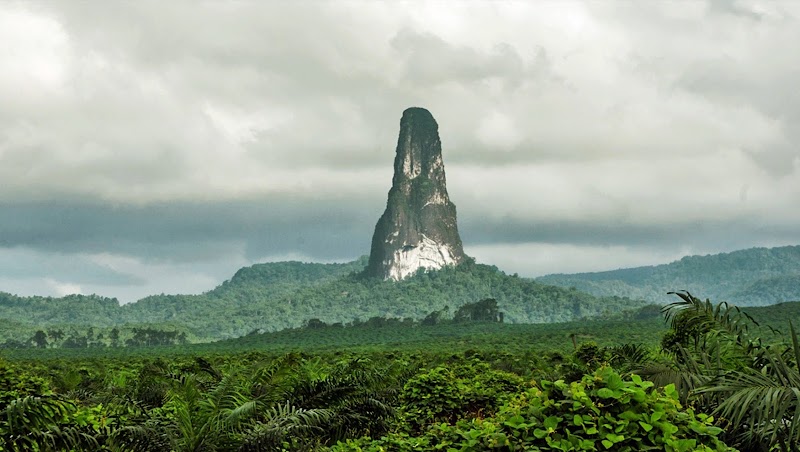
About this landmark
Natural Wonders of Obo National Park, São Tomé and Príncipe
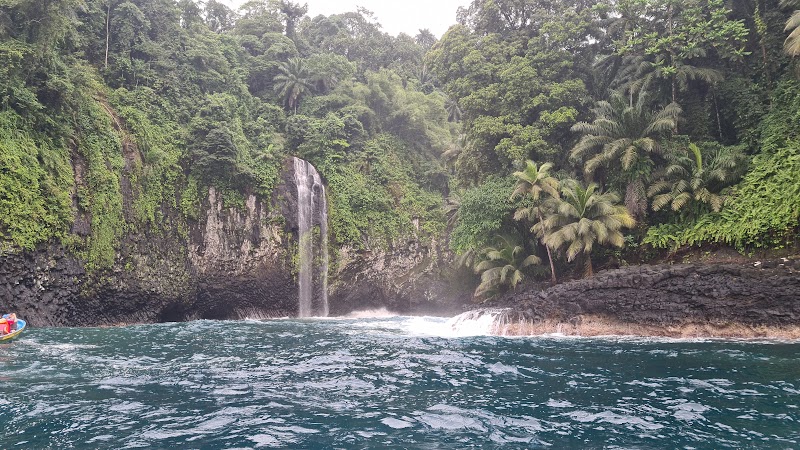
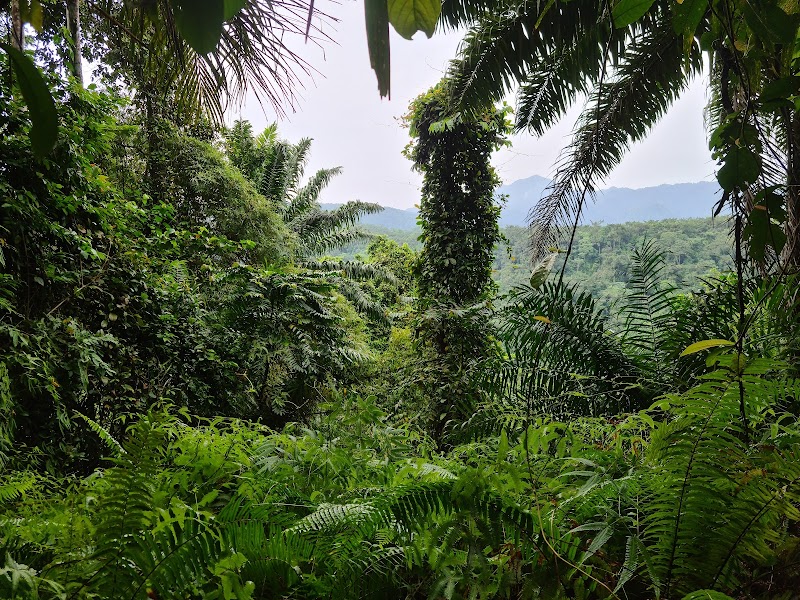
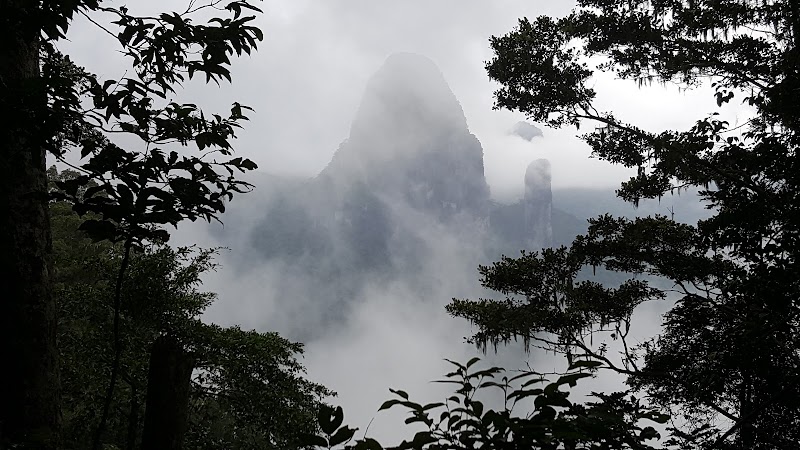
Obo National Park, located near Monte Carmo in São Tomé and Príncipe, offers a captivating escape into one of Africa’s richest rainforests. This vast protected area is distinguished by its dense greenery, exceptional biodiversity, and dramatic volcanic landscapes. Dominating the scene is the striking Pico Cão Grande, a towering 370-meter volcanic plug that rises sharply above the canopy, creating a unique geological landmark visible from miles around. The park covers an immense portion of the island’s interior, combining lowland forests with high-altitude peaks, making it one of the most significant natural reserves in this part of the Gulf of Guinea.
The park’s rich ecosystem includes numerous endemic species of birds, plants, and insects found nowhere else on Earth. Birdwatchers can spot the rare São Tomé grosbeak amidst lush foliage, while botanists will appreciate the medicinal and unusual plants thriving within the forest. Established in 2006, Obo National Park reflects a strong effort to protect these remarkable natural assets while encouraging sustainable travel. Visitors often enter through the Botanical Garden, a well-managed gateway with knowledgeable guides who provide insights into the local flora and fauna, highlighting the island’s ecological importance and cultural ties.
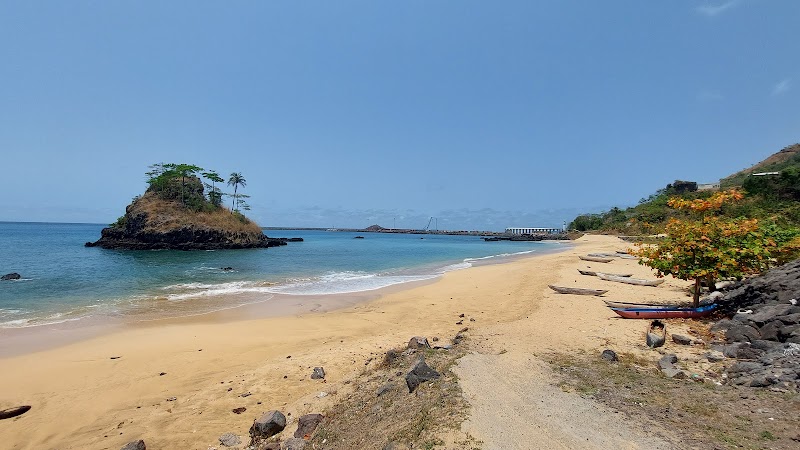
Family-friendly trails and longer hiking routes offer a range of adventure levels, from gentle strolls around Lagoa Amelia to challenging climbs up Pico de São Tomé. The park’s mix of volcanic peaks, pristine waterfalls, and serene lakes provides a refreshing contrast to coastal beaches, positioning Obo National Park as a standout destination for nature lovers seeking genuine encounters with São Tomé’s wilderness.
Adventure Guide to Obo National Park
Pico Cão Grande Climb
- What Makes It Special: A dramatic volcanic spire rising 370 meters, attracting advanced climbers seeking a challenging ascent.
- Key Features: Vertical, needle-like rock formation surrounded by dense rainforest.
- Local Insights: Considered sacred by locals; climbing requires careful preparation due to steep, slippery terrain.
- Visitor Tips: Best visited during the dry season (June-September). Bring professional climbing gear, water, and sunscreen. Access from São Tomé city is about a one-hour drive.
Bird Watching Trails
- What Makes It Special: Access to rare native bird species including endemics like the São Tomé grosbeak and kingfishers.
- Key Features: Multiple well-marked walking trails through varied rainforest environments.
- Visitor Tips: Early morning hours improve chances of sightings. Bring binoculars, a camera, and a local bird guide for a richer experience.
Lagoa Amelia Canoeing
- What Makes It Special: Tranquil lake surrounded by tropical forest—the perfect spot for canoeing or peaceful paddling.
- Key Features: Clear waters, abundant birdlife, and scenic views of surrounding hills.
- Visitor Tips: Late afternoon visits offer cooler temperatures. Bring life jackets, water, and snacks. Guides are available from the botanical garden entrance.
Getting There: The park lies roughly an hour’s drive from São Tomé city via roads passing coffee farms and small villages offering scenic views. Most visitors arrange a guided entry through the Botanical Garden, ensuring a safer and more informative visit.
Best Time to Visit: Dry season (June-September) for all activities to avoid slippery paths and heavy rains.
What to Bring: Comfortable hiking shoes, insect repellent, sunscreen, water, and any personal medical supplies. Guides are recommended for safety and local knowledge.
Visitor Tips
- Best Times:Dry season from June to September for favorable conditions and optimal lighting.
- What to Bring:Plenty of water, sun protection, a camera, and respectful Leave-No-Trace mindset.