THE ADVENTURE COLLECTIVE® · Independent discovery and booking for outdoor travel

Drive the Cacao Road north of São Tomé to visit working cocoa plantations, watch beans transform from pulp to dried nibs, and sample local chocolate. Expect a full-day, accessible cultural and agricultural tour with scenic stops and a tasting at a chocolate boutique.
Drive the Cacao Road north of São Tomé to visit working cocoa plantations, watch beans transform from pulp to dried nibs, and sample local chocolate. Expect a full-day, accessible cultural and agricultural tour with scenic stops and a tasting at a chocolate boutique.
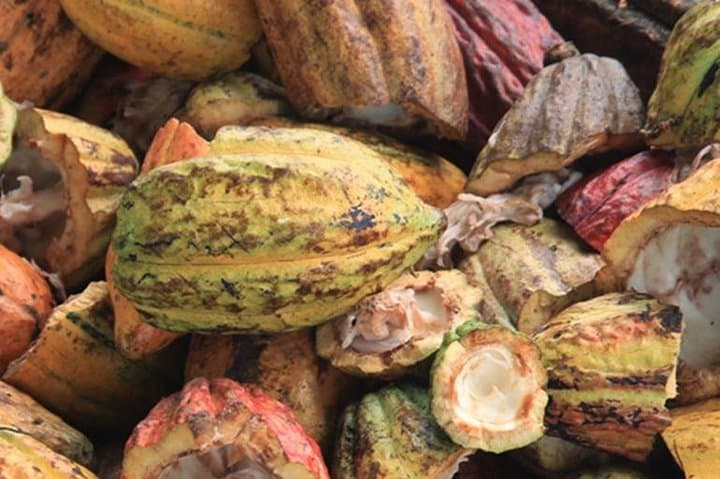
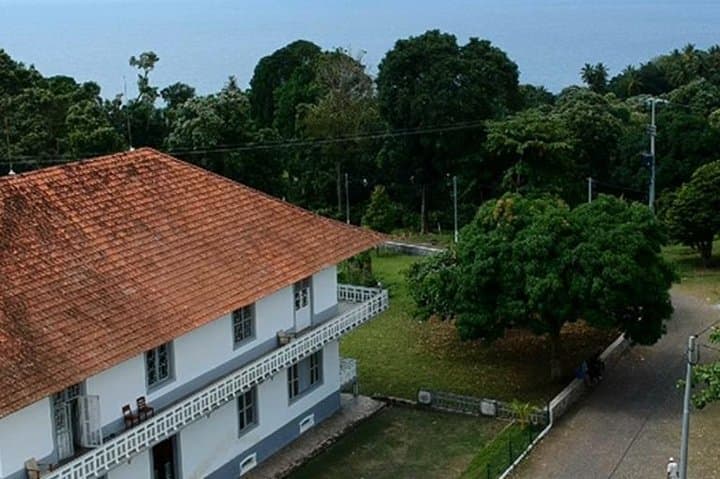
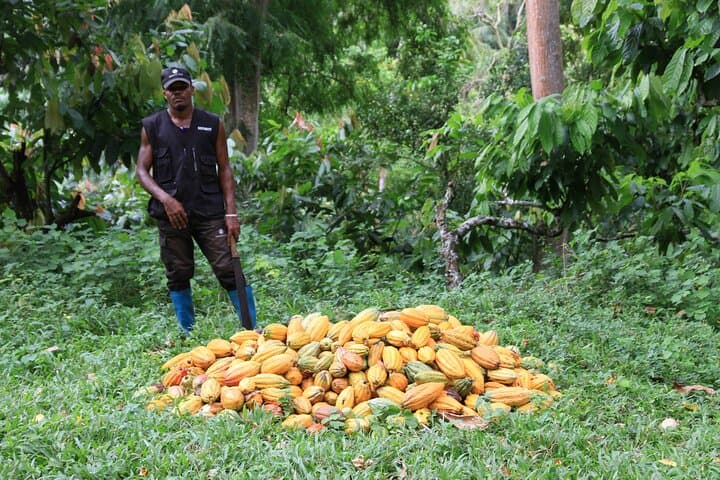
The road turns green as you head north from São Tomé, palms and cacao trees leaning over a narrow ribbon of asphalt. Sea air mixes with the warm, fermented scent of drying beans; small roça houses peer through banana fronds and a guide gestures toward a shaded path where the first pods hang like lanterns.
Verified experiences and guided adventures in the surrounding area.
Operated by São Tomé Paradise Tours · São Tomé, São Tomé
The road turns green as you head north from São Tomé, palms and cacao trees leaning over a narrow ribbon of asphalt. Sea air mixes with the warm, fermented scent of drying beans; small roça houses peer through banana fronds and a guide gestures toward a shaded path where the first pods hang like lanterns.
This route follows the island’s colonial-era plantation network, where cocoa became São Tomé’s economic engine in the 19th and 20th centuries. Geologically, the island’s volcanic soils—rich, deep laterite—make it ideal for cocoa and tropical crops. Culturally, the roça system shaped village life: stone processing sheds, communal drying yards and cooperative initiatives like CECAB now connect smallholders to export markets.
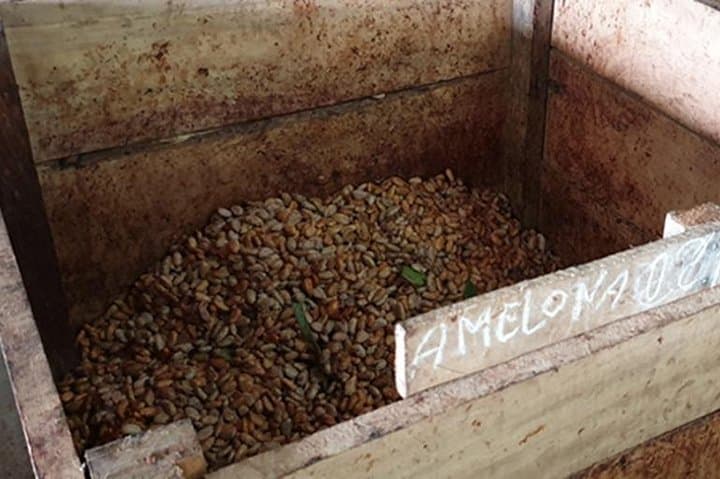
On the excursion you’ll see the stages of transformation: harvest, fermentation, sun drying and bagging for market. At a boutique you’ll taste chocolate made from local beans—a hot chocolate or pastry completes the story from pod to palate. The Blue Lagoon offers a refreshing detour; if you swim be mindful of currents and coral.
Practical guidance: bring sturdy shoes for uneven plantation tracks, sun protection and small local currency for lunches and souvenirs in Neves. The full tour is a long day — expect 7–9 hours with several short stops and one longer visit at a plantation or cooperative depending on seasonal availability.
This is an accessible, sensory-rich day trip for travelers who enjoy light walking, agricultural history and food-focused cultural experiences.
easy.
7–9 hours.
Light fitness is sufficient — expect short walks on flat to gently sloped plantation tracks and standing during demonstrations.
The tour typically lasts 7–9 hours (about 420–540 minutes), including travel, plantation visits, a stop for lunch and a tasting at the chocolate boutique.
Yes — the itinerary includes a stop at a chocolate boutique where you’ll receive a warm chocolate drink or a pastry (one item per person) using local cocoa.
The tour is described as physically easy with short walks; however, plantation terrain can be uneven—notify the operator if you require mobility accommodations.
Visits are made at available sites such as Roça Francisco Cabral, Roça Diogo Vaz or the CECAB Cooperative; the exact location depends on seasonal availability and yields.
São Tomé’s cocoa boom began in the 19th century with the roça plantation system; cocoa dominated the island economy and shaped settlement and land use patterns.
Local cooperatives and boutique producers increasingly promote traceability and sustainable farming practices; visitors can support conservation by choosing tours that work with smallholders and respect harvesting seasons.
São Tomé Paradise Tours operates guided outdoor trips and adventures with an emphasis on safety, stewardship, and memorable experiences.
The road turns green as you head north from São Tomé, palms and cacao trees leaning over a narrow ribbon of asphalt. Sea air mixes with the warm, fermented scent of drying beans; small roça houses peer through banana fronds and a guide gestures toward a shaded path where the first pods hang like lanterns.
The road turns green as you head north from São Tomé, palms and cacao trees leaning over a narrow ribbon of asphalt. Sea air mixes with the warm, fermented scent of drying beans; small roça houses peer through banana fronds and a guide gestures toward a shaded path where the first pods hang like lanterns.
This route follows the island’s colonial-era plantation network, where cocoa became São Tomé’s economic engine in the 19th and 20th centuries. Geologically, the island’s volcanic soils—rich, deep laterite—make it ideal for cocoa and tropical crops. Culturally, the roça system shaped village life: stone processing sheds, communal drying yards and cooperative initiatives like CECAB now connect smallholders to export markets.
On the excursion you’ll see the stages of transformation: harvest, fermentation, sun drying and bagging for market. At a boutique you’ll taste chocolate made from local beans—a hot chocolate or pastry completes the story from pod to palate. The Blue Lagoon offers a refreshing detour; if you swim be mindful of currents and coral.
Practical guidance: bring sturdy shoes for uneven plantation tracks, sun protection and small local currency for lunches and souvenirs in Neves. The full tour is a long day — expect 7–9 hours with several short stops and one longer visit at a plantation or cooperative depending on seasonal availability.
This is an accessible, sensory-rich day trip for travelers who enjoy light walking, agricultural history and food-focused cultural experiences.