About this landmark
Caldera de Los Marteles Near Las Palmas, Gran Canaria
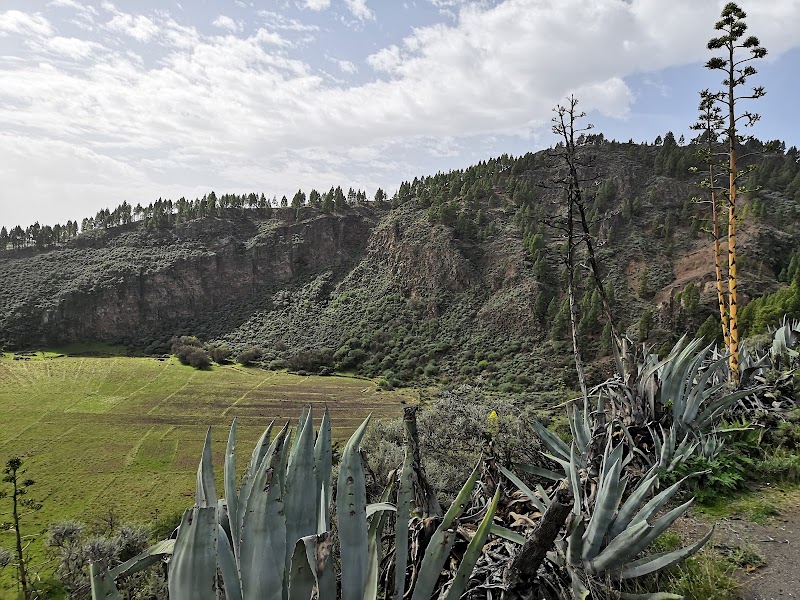
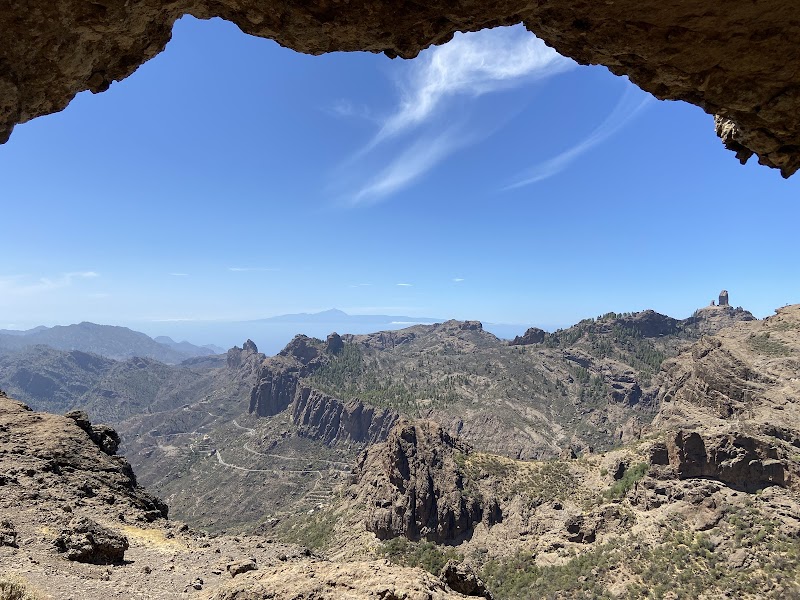
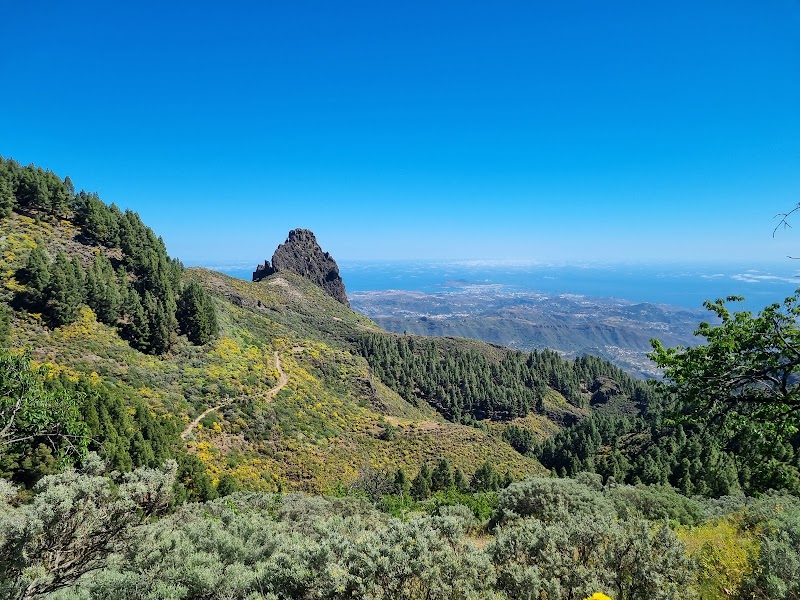
Caldera de Los Marteles lies on the island of Gran Canaria, close to the bustling city of Las Palmas in Spain’s Canary Islands. This impressive natural landmark stands out for its distinctive volcanic origins and rugged terrain, offering visitors a unique glimpse into the island’s geological past. The caldera itself is a vast volcanic crater with steep, rocky walls surrounded by lush vegetation typical of the Canary Islands' subtropical climate. Its volcanic rock formations create dramatic shapes against the backdrop of clear blue skies, enhancing the striking silhouette when viewed from various trails nearby.
Visitors are often drawn to the area for the rare combination of volcanic landscape and rich green flora, including abundant pine forests and endemic plant species unique to these islands. The geological features here highlight the volcanic history that shaped Gran Canaria millions of years ago. Caldera de Los Marteles is also culturally significant, as local legends tie the formation to ancient volcanic events influencing island life.
A visit to this natural caldera offers a chance to experience beautiful contrasts between rugged rock faces and thriving forest. The peaceful environment away from urban centers appeals to nature lovers and photographers alike. Whether admired from a distance or explored up close via nearby trails, this location remains a distinctive destination in Gran Canaria’s spectacular natural landscape.
Adventure Guide
Adventure Guide to Caldera de Los Marteles
1. Hiking the Caldera Rim Trail
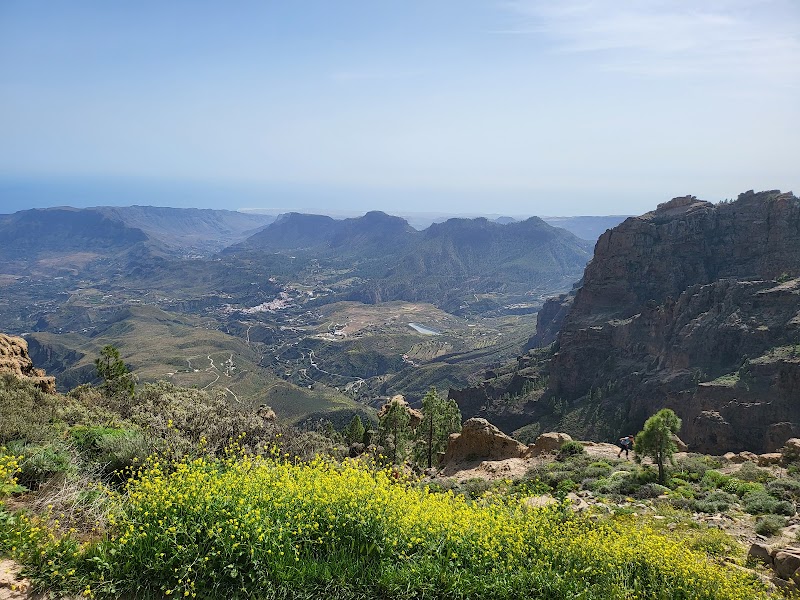
- What’s Special: This trail offers panoramic views of the volcanic crater and lush surroundings.
- Features: Moderate difficulty, well-marked paths, shaded sections under pine canopies.
- Tips: Best visited in spring or autumn for mild temperatures; bring sturdy hiking shoes and sun protection.
2. Birdwatching and Nature Walks
- What’s Special: The caldera supports a range of endemic and migratory birds.
- Features: Quiet, secluded spots ideal for spotting species like the Canary Islands chiffchaff.
- Tips: Early morning visits increase chances to see wildlife; carry binoculars and a bird guide.
3. Photography of Volcanic Formations
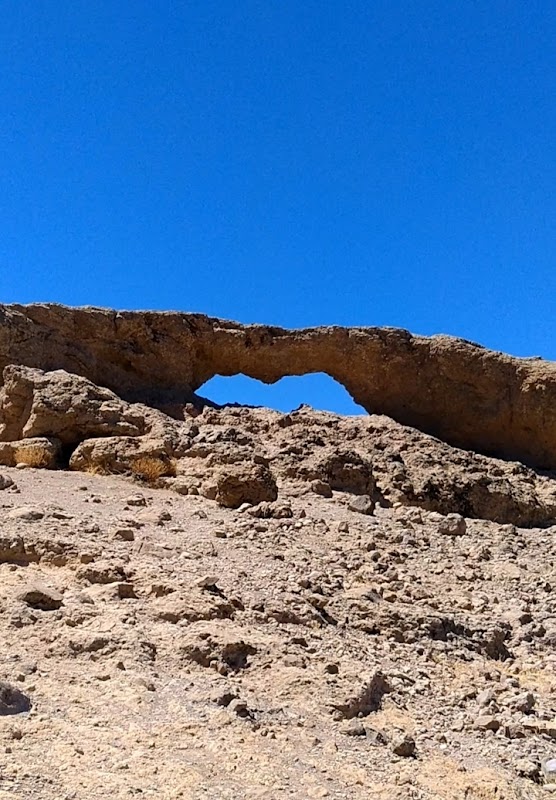
- What’s Special: Unique volcanic rock shapes and contrasting greenery present excellent photo opportunities.
- Features: Multiple vantage points accessible with short walks; beautiful natural lighting through the day.
- Tips: Dawn or late afternoon light enhances colors; bring camera gear with zoom lenses.
Visitor Logistics
- When to Go: Spring and autumn for best weather; avoid summer as it can be hot.
- What to Bring: Water, hat, sunscreen, insect repellent, and layered clothing.
- Directions: From Las Palmas, drive southwest towards the island’s interior; the caldera is approximately 1 hour away via GC-15 road.
This location offers a satisfying combination of geological marvels and natural beauty for outdoor enthusiasts and casual visitors alike.
Visitor Tips
- Best Times:Spring and Fall for favorable conditions and optimal lighting.
- What to Bring:Plenty of water, sun protection, a camera, and respectful Leave-No-Trace mindset.