THE ADVENTURE COLLECTIVE® · Independent discovery and booking for outdoor travel

Climb volcanic terraces and taste wines shaped by Canary Island soils. This small-group tasting pairs outdoor vineyard visits with insight from local winemakers — ideal for curious travelers who want scenery, science, and a good glass.
Climb volcanic terraces and taste wines shaped by Canary Island soils. This small-group tasting pairs outdoor vineyard visits with insight from local winemakers — ideal for curious travelers who want scenery, science, and a good glass.
A cool Atlantic breeze pushes across basalt ridges as the small minivan climbs toward the island's high vineyards. Gnarled vines cling to terraces cut into volcanic slopes; the guide gestures at a sweep of crater rims and coastal haze where fruit-forward whites and mineral reds are born.
Verified experiences and guided adventures in the surrounding area.
Operated by HANDMADE TOURS · Tejeda, Las Palmas
A cool Atlantic breeze pushes across basalt ridges as the small minivan climbs toward the island's high vineyards. Gnarled vines cling to terraces cut into volcanic slopes; the guide gestures at a sweep of crater rims and coastal haze where fruit-forward whites and mineral reds are born.
Gran Canaria's wine story is compact but old — vineyards replanted after historic phylloxera and shaped by volcanic soils that drain quickly and reflect heat. The island's geology gives grapes intense minerality; trade winds and dramatic elevation swings create diurnal temperature shifts that hold acidity in the wines. Local growers favor indigenous and hybrid varieties adapted to these microclimates, and many estates are family-run operations with hands-on winemakers.
Cultural notes come between sips: rural villages with whitewashed houses, stone terraces, and a cuisine that pairs goat cheese and mojo sauces with the tastings. Outdoors, the vines seem to lean into the wind, daring visitors to match their resilience with curiosity.
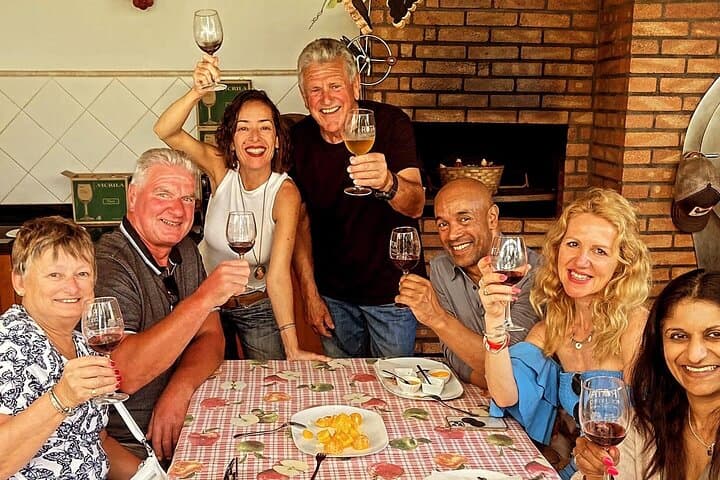
Practical guidance: tours run about four and a half hours and include private transport, winery access, and outdoor tastings often paired with local products. Expect light walking on uneven terraces and sunny, exposed tasting areas — bring sun protection and a light layer for higher elevations. Small-group size (around eight) means questions and cellar visits are likely; book ahead in summer and weekends. If you want a deeper look, ask to meet the winemaker and tour the production area — many vineyards welcome hands-on stories about pruning, fermentation, and bottling.
This loop through volcanic terroir is as much geology lesson as tasting flight — a clear, approachable way to read Gran Canaria’s landscape through its wines.
easy.
4–4.5 hours.
Suitable for most fitness levels; requires light walking on uneven ground and a few steps at wineries
Yes — the experience includes private transportation between stop locations as noted in the tour inclusions.
Most tastings occur outdoors on terraces or patios to showcase the views; indoor options depend on the winery and weather.
Many family wineries offer on-site sales and shipping options; bring a credit card or cash for purchases.
The experience is rated easy physically, but tasting content is adult-focused; check policy for under-18 participation and booking requirements.
Viticulture on Gran Canaria traces back to early European colonization; terraced vineyards and traditional techniques persist in many family estates.
Wineries often practice water-conscious viticulture due to limited freshwater; visitors can support sustainability by buying local labels and avoiding single-use plastics.
HANDMADE TOURS operates guided outdoor trips and adventures with an emphasis on safety, stewardship, and memorable experiences.
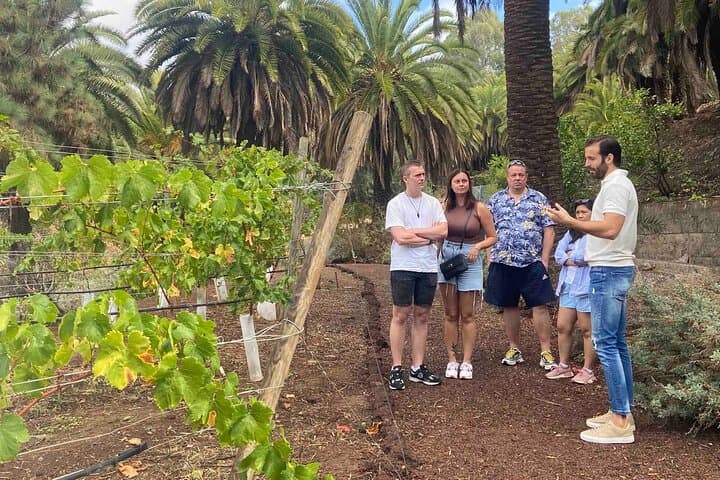
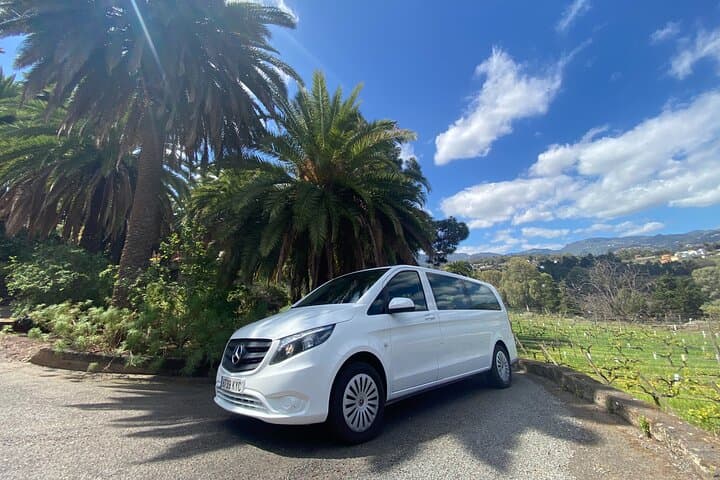
A cool Atlantic breeze pushes across basalt ridges as the small minivan climbs toward the island's high vineyards. Gnarled vines cling to terraces cut into volcanic slopes; the guide gestures at a sweep of crater rims and coastal haze where fruit-forward whites and mineral reds are born.
A cool Atlantic breeze pushes across basalt ridges as the small minivan climbs toward the island's high vineyards. Gnarled vines cling to terraces cut into volcanic slopes; the guide gestures at a sweep of crater rims and coastal haze where fruit-forward whites and mineral reds are born.
Gran Canaria's wine story is compact but old — vineyards replanted after historic phylloxera and shaped by volcanic soils that drain quickly and reflect heat. The island's geology gives grapes intense minerality; trade winds and dramatic elevation swings create diurnal temperature shifts that hold acidity in the wines. Local growers favor indigenous and hybrid varieties adapted to these microclimates, and many estates are family-run operations with hands-on winemakers.
Cultural notes come between sips: rural villages with whitewashed houses, stone terraces, and a cuisine that pairs goat cheese and mojo sauces with the tastings. Outdoors, the vines seem to lean into the wind, daring visitors to match their resilience with curiosity.
Practical guidance: tours run about four and a half hours and include private transport, winery access, and outdoor tastings often paired with local products. Expect light walking on uneven terraces and sunny, exposed tasting areas — bring sun protection and a light layer for higher elevations. Small-group size (around eight) means questions and cellar visits are likely; book ahead in summer and weekends. If you want a deeper look, ask to meet the winemaker and tour the production area — many vineyards welcome hands-on stories about pruning, fermentation, and bottling.
This loop through volcanic terroir is as much geology lesson as tasting flight — a clear, approachable way to read Gran Canaria’s landscape through its wines.