About this landmark
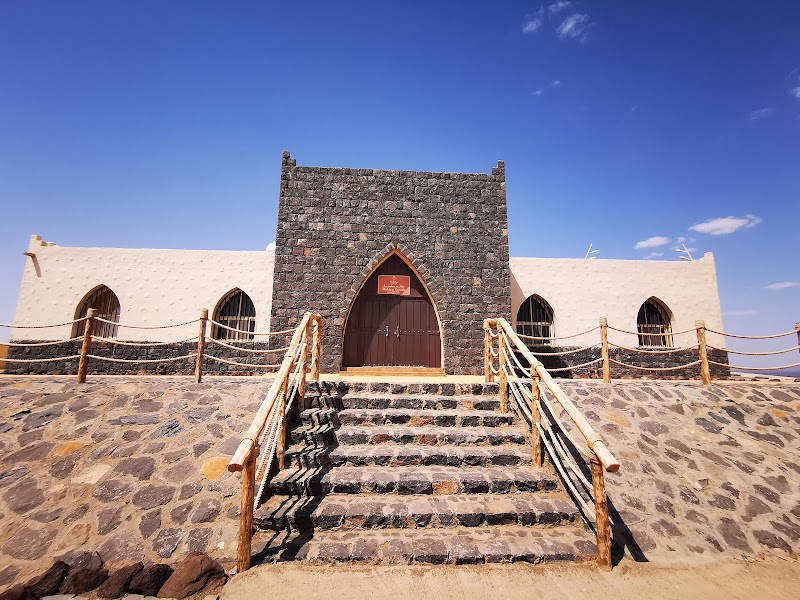
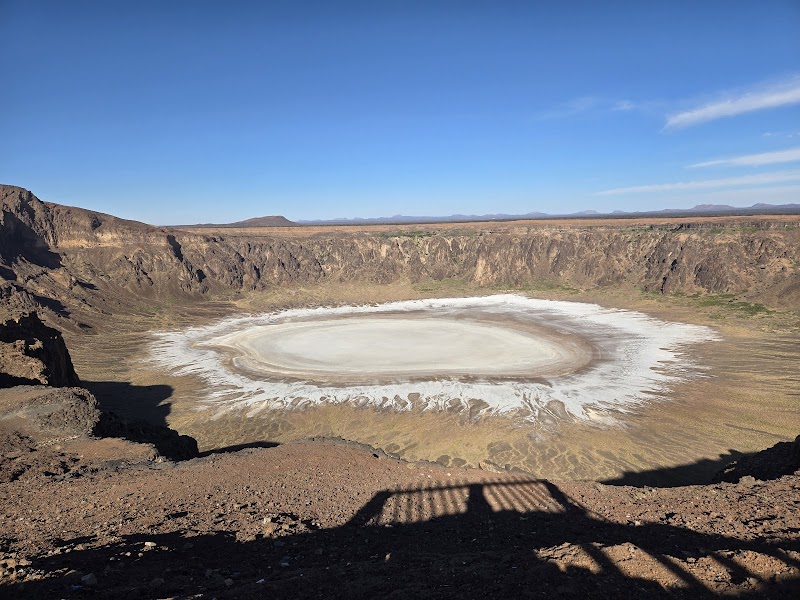
Wabah Crater, also known as Al-Wahbah Crater, is a stunning geological wonder located in the Hejaz region of Saudi Arabia, approximately 254 kilometers from Taif. This massive volcanic crater remains a hidden gem, revealing the raw power of nature with its vast expanse and unique features. The crater spans 2 kilometers in diameter and is 250 meters deep, making it one of the most impressive volcanic craters in the region. Its floor is covered in white sodium phosphate crystals, giving it a surreal, almost otherworldly appearance. Historically, local legends speak of this place as a site of celestial battles or as a meteor impact site, although it's now understood to be of volcanic origin.
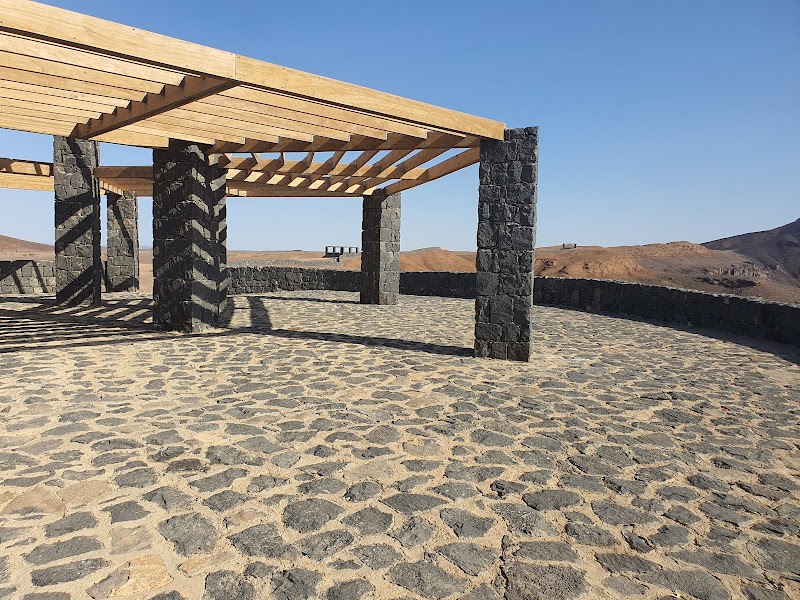
Surrounded by a desolate landscape of rocky terrain and sparse vegetation, the crater provides a stark contrast to the greenery often associated with Saudi Arabia's scenic spots. The region offers visitors an opportunity to experience the raw beauty and solitude of a landscape shaped by time and nature. For geology enthusiasts and adventurous travelers, Wabah Crater provides a chance to walk along its rim or descend to its base, exploring the mineral-rich surface. With its breathtaking views and unique geology, the crater offers a one-of-a-kind destination for those willing to venture off the beaten path.
Adventure Guide
Adventure Guide to Wabah Crater
Hiking the Crater Rim
- What to Experience: A rewarding hike along the crater's edge offers panoramic views of the surrounding desert and the crater's extraordinary white floor.
- Key Features: 2-kilometer diameter rim walk with dramatic overlooks.
- Local Insights: The crater is believed by some to be of meteor origin, but its volcanic nature fascinates geologists worldwide.
- Visitor Tips:
- Best Time to Visit: Late afternoon to catch the sunset lighting up the crater walls.
- What to Bring: Sturdy shoes, plenty of water, and sun protection.
- Directions: From Taif, drive approximately 2.5 hours on Route 425. Watch for signs pointing to the crater.
Descent to the Crater Floor
- What to Experience: A challenging descent to the base allows for closer examination of the crystal layers.
- Key Features: Unique sodium phosphate deposits and peaceful isolation.
- Visitor Tips:
- Best Time to Visit: Early morning to avoid daytime heat.
- What to Bring: Hiking boots, camera, and snacks.
Camping Under the Stars
- What to Experience: Setting up camp near the crater makes for a magical night beneath a blanket of stars, away from city lights.
- Key Features: Rare opportunity for stargazing and solitude in the desert.
- Visitor Tips:
- Best Time to Visit: Whenever skies are clear for optimal stargazing.
- What to Bring: Camping gear, warm clothing for nighttime chill, and a telescope if available.
Visitor Tips
- Best Times:Spring and Fall for favorable conditions and optimal lighting.
- What to Bring:Plenty of water, sun protection, a camera, and respectful Leave-No-Trace mindset.