About this landmark
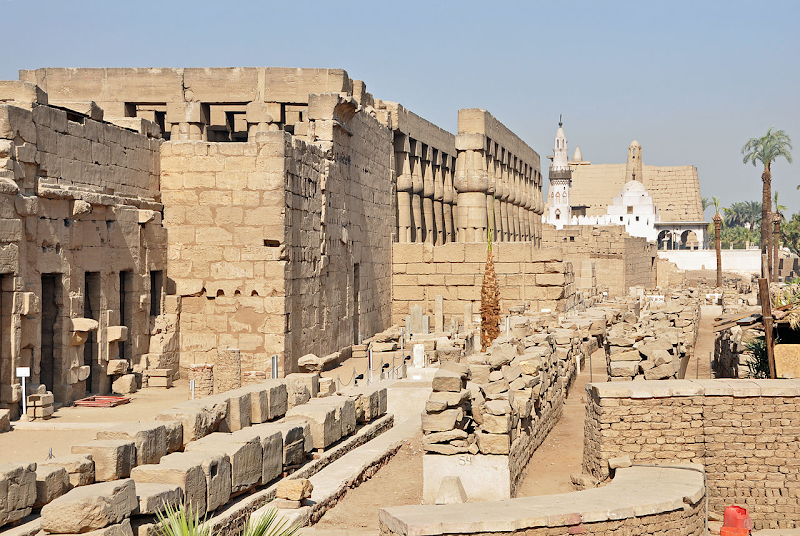
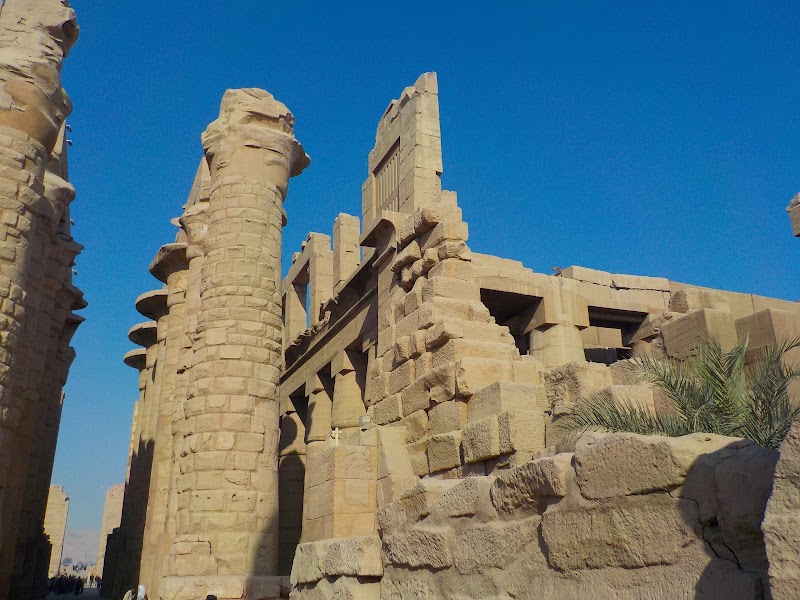
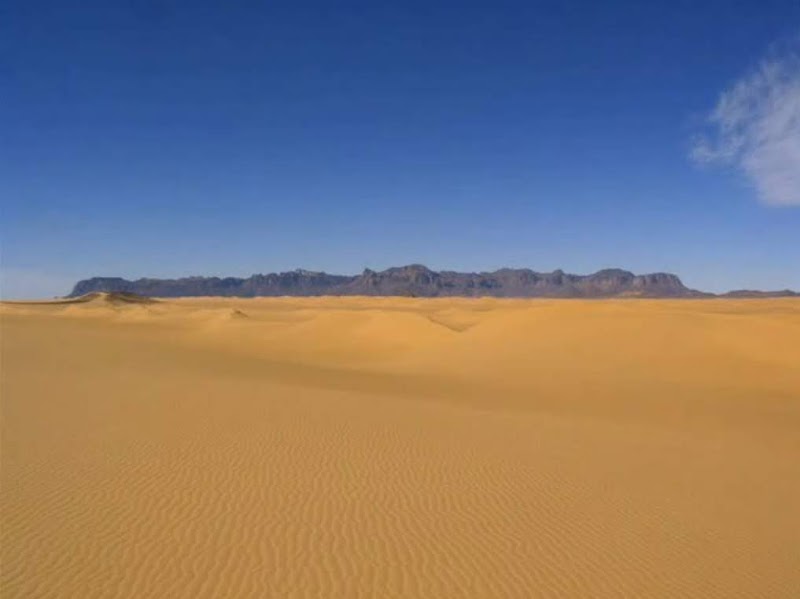
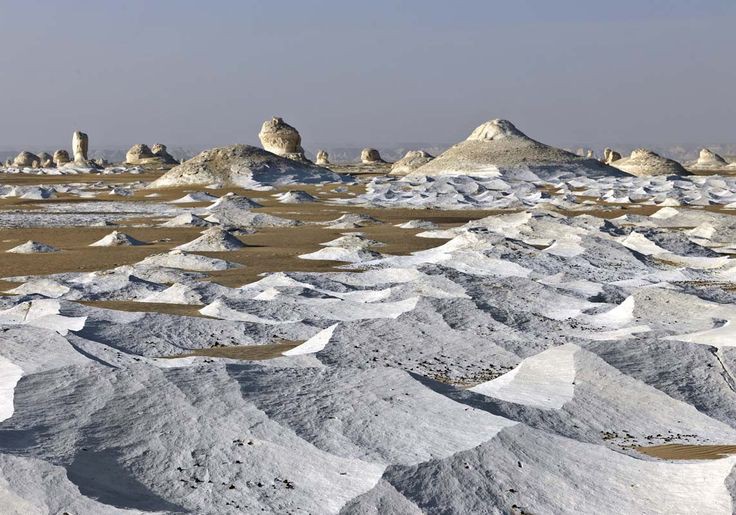
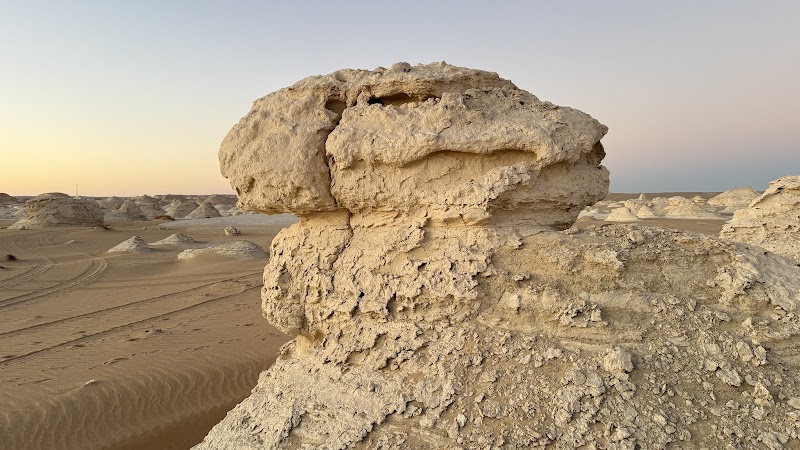
The Sahara Desert, sprawling across North Africa, is a striking mosaic of dunes, rocky plateaus, and ancient valleys. Covering vast parts of countries like Algeria, Mali, and Egypt, the Sahara is not just the world's largest hot desert; it's a realm where time seems to stand still. The vast sand dunes, some reaching heights of over 180 meters, create an undulating sea of sand that shifts with the wind, offering ever-changing landscapes. Oases punctuate this sandy expanse, providing life-sustaining water and vibrant flora, creating stark contrasts against the arid backdrop. The desert's harsh beauty is enhanced by unique geological features, like the rock formations in Tassili n'Ajjer, known for prehistoric cave art. Such legends whisper stories of ancient civilizations and nomadic tribes who traversed these sands long before GPS signals could guide them. As the sun sets, the Sahara transforms into a celestial haven, where star-gazers can witness a sky unpolluted by city lights. The Sahara Desert is not just a region but a natural spectacle, offering visitors an immersion into a land of extreme beauty and historical intrigue.
Adventure Guide
Adventure Guide to the Sahara Desert
-
Camel Trekking in Merzouga
- Special Feature: Ride across iconic dunes, experiencing the traditional mode of transport used by desert nomads.
- Local Insights: Merzouga is famous for the Erg Chebbi dunes.
- Best Time to Visit: Late afternoon for a chance to witness stunning sunsets.
- Visitor Tips: Bring sunscreen, a hat, and water; dress in layers as temperatures drop at night.
-
Camping Under the Stars in the Sahara
- Special Feature: Experience the tranquility of the desert night under an expansive starlit sky.
- Key Amenities: Campsites offer traditional Berber tents with meals.
- Local Insights: The lack of light pollution makes for extraordinary stargazing.
- Visitor Tips: Warm clothing is essential for cool nights; a good camera for capturing the night sky.
-
Exploring Tassili n'Ajjer
- Special Feature: Discover ancient cave paintings in this UNESCO World Heritage Site.
- Key Features: Unique geological formations and prehistoric art.
- Local Insights: The paintings date back to around 12,000 years ago.
- Visitor Tips: Best accessed from the city of Djanet; guides available for detailed tours.
Visitor Tips
- Best Times:Spring and Fall for favorable conditions and optimal lighting.
- What to Bring:Plenty of water, sun protection, a camera, and respectful Leave-No-Trace mindset.