Wilderness Landscape & Natural Heritage
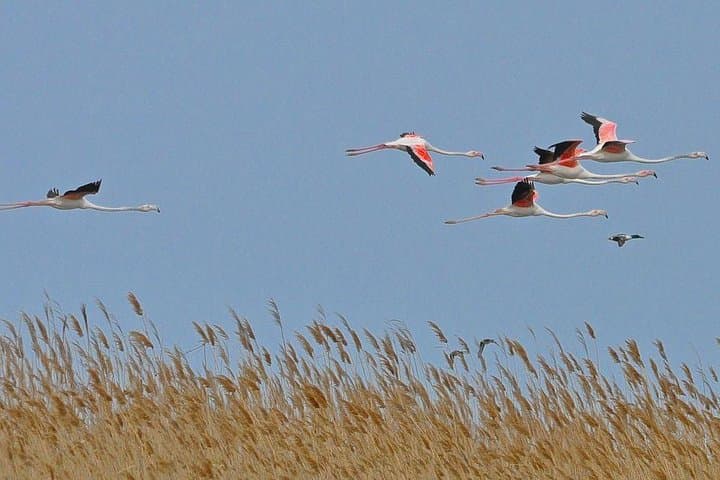
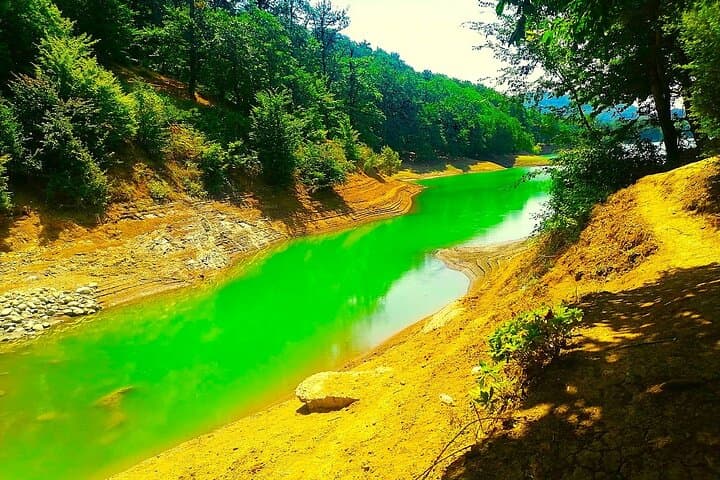
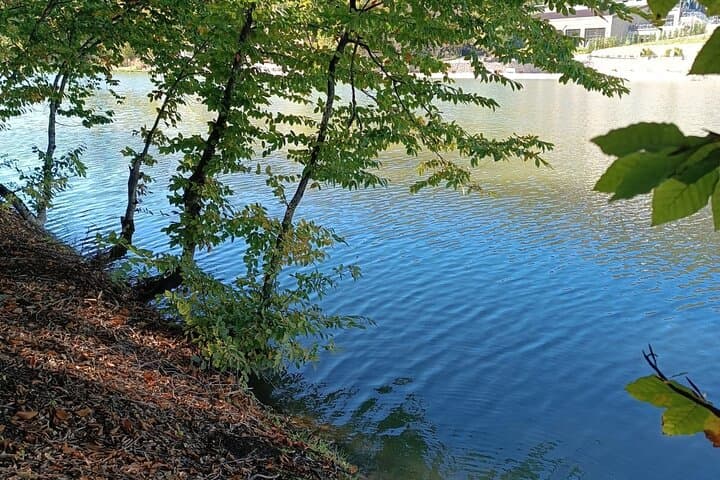
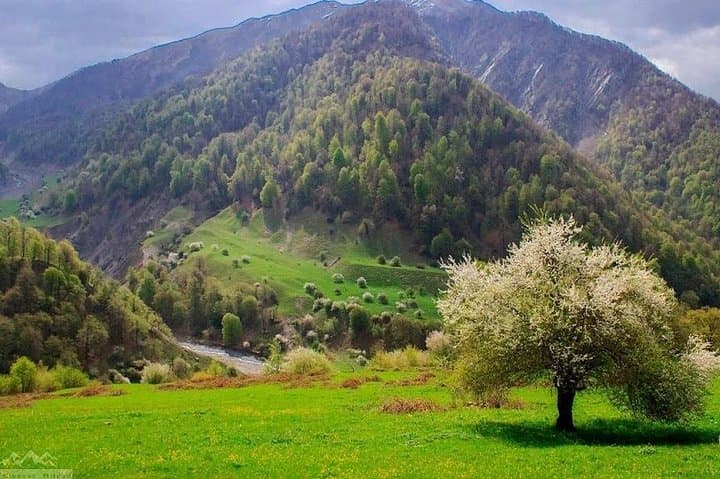
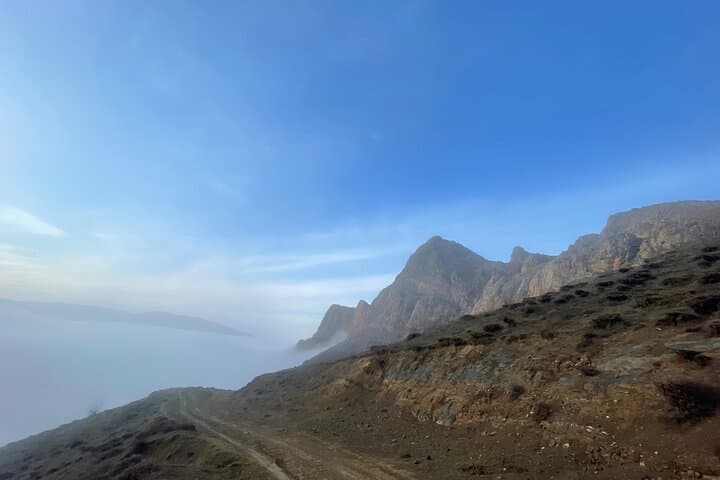
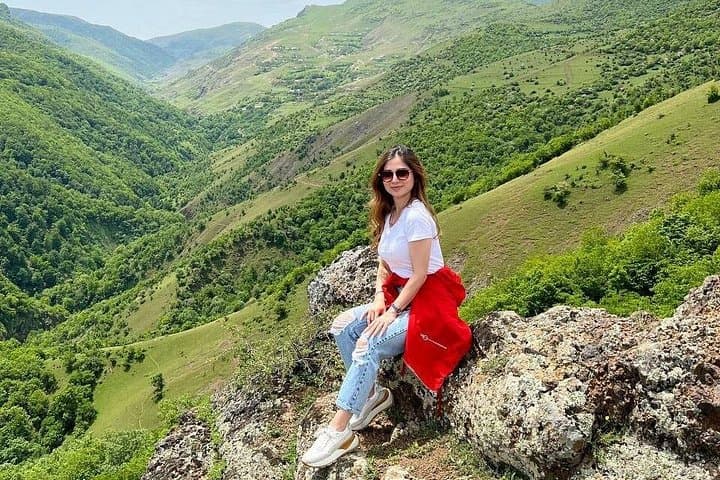
Marzrud Protected Area is located in the Mazandaran Province along the southern coast of the Caspian Sea in northern Iran. It lies within the Hyrcanian forest region, a UNESCO World Heritage Site known for its ancient broadleaf forests that have persisted since the Tertiary period. The landscape features dense mixed forests, steep mountain slopes, streams, and diverse ecosystems ranging from lush lowland forests to montane habitats. This area harbors a wealth of flora including Persian ironwood, hornbeam, beech, and rare medicinal plants. Fauna includes endangered species such as the Persian leopard, wild goat, brown bear, striped hyena, and many bird species, making it a vital refuge for wildlife conservation. Historically, the area has been important for local communities practicing sustainable forestry and traditional livelihoods. Recreational activities primarily focus on wildlife watching, birding, and ecosystem study rather than mass tourism, due to its relatively remote and protected status. Visitors are drawn by the tranquility of the forest, opportunities for nature photography, and hiking through diverse habitats. Notable natural landmarks include secluded valleys, crystal-clear rivers, and ancient woodland stands that offer a glimpse into Iran's natural heritage. The Marzrud Protected Area stands out as a key site for conservation efforts in the region, promoting biodiversity while balancing human use sustainably.