Wilderness Landscape & Natural Heritage
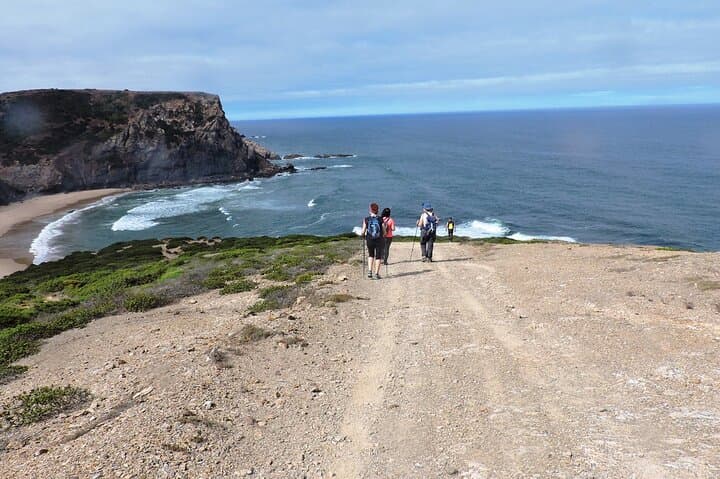
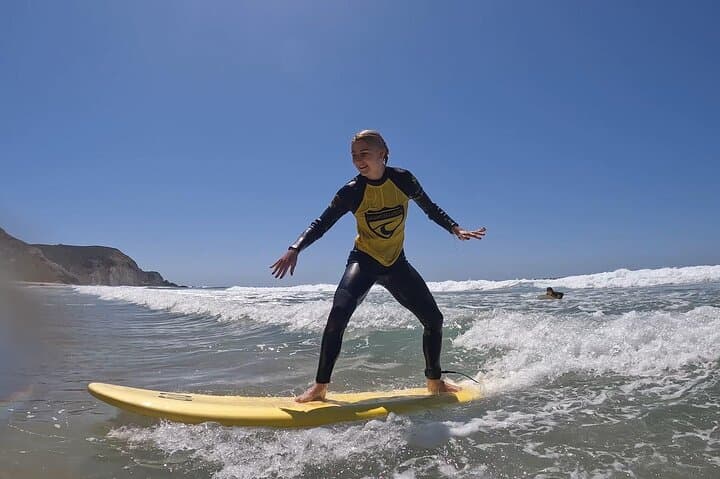
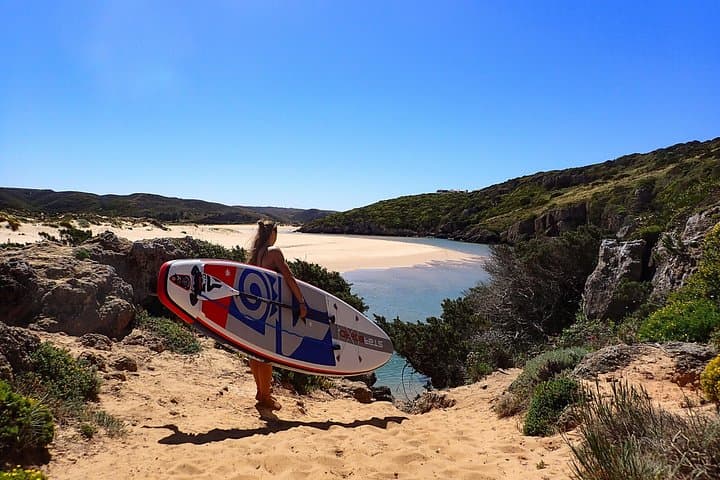
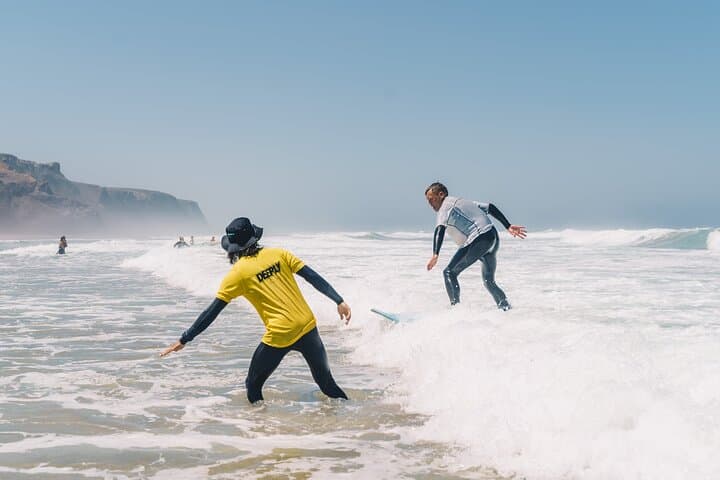
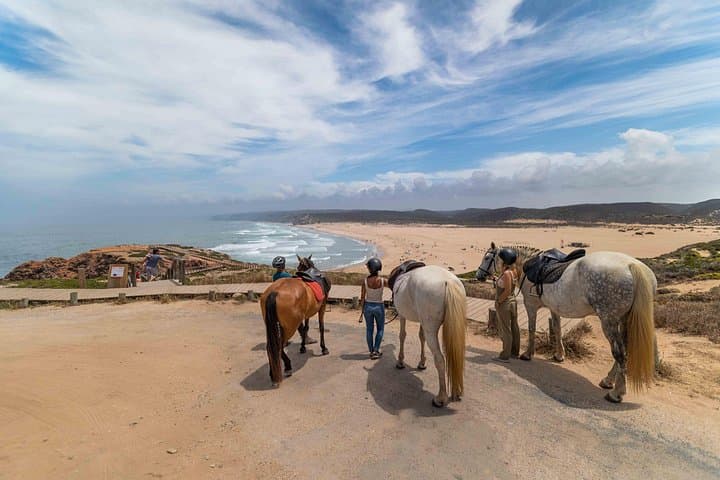
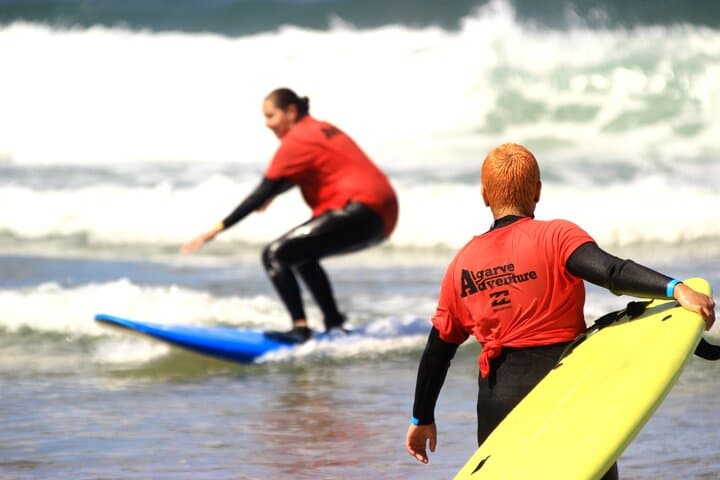
Costa Vicentina Natural Park stretches along the southwestern coast of Portugal, covering parts of the Alentejo and Algarve regions. Established in 1988, it spans approximately 76,000 hectares encompassing cliffs, sandy beaches, dunes, and natural forests. The terrain is marked by dramatic cliffs that plunge into the Atlantic Ocean, fishing villages, and expansive stretches of undeveloped coastline. The park protects important habitats including scrubland and pine forests, home to diverse flora such as wild thyme, rockrose, and endemic orchids. Wildlife includes species like the Iberian lynx, Bonelli's eagle, and various marine birds. Historically, the area supported traditional fishing communities, and the cultural heritage remains visible in small villages and old lighthouses. Outdoor enthusiasts are drawn by opportunities for hiking along the Fishermen’s Trail (Trilho dos Pescadores), birdwatching, surfing on powerful Atlantic waves, and beachcombing. Noteworthy landmarks include Cape St. Vincent, known as the southwesternmost point of mainland Europe, and the lighthouse that stands as a maritime guide. The park’s conservation efforts focus on protecting fragile ecosystems while promoting sustainable tourism. Its relatively low visitor density compared to more southern Algarve hotspots provides a more serene nature experience. The juxtaposition of wild ocean views, diverse habitats, and traditional culture offers visitors both scenic beauty and engaging outdoor activities throughout the year.