Yoho National Park Adventures
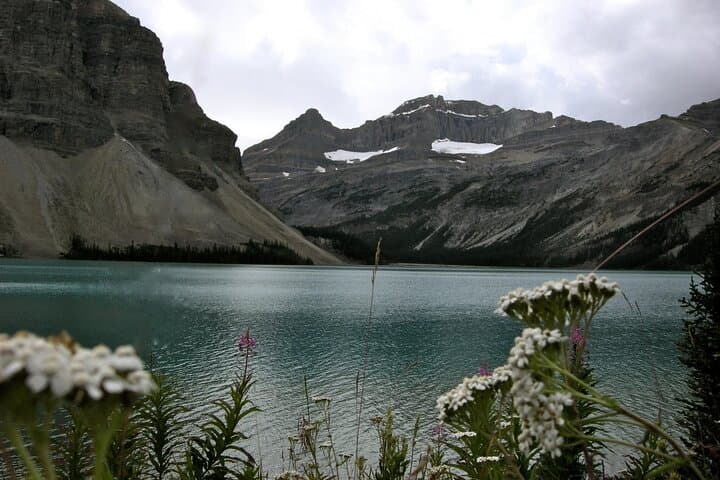
Yoho National Park, located in southeastern British Columbia, offers dramatic mountain scenery, pristine alpine lakes, and abundant wildlife, making it a prominent destination for outdoor enthusiasts.
Popular Activities
Plan Your Visit
Everything you need to know to prepare for an unforgettable trip to Yoho National Park.
Entrance Requirements
Parks Canada pass required for entry.
Best Time to Visit
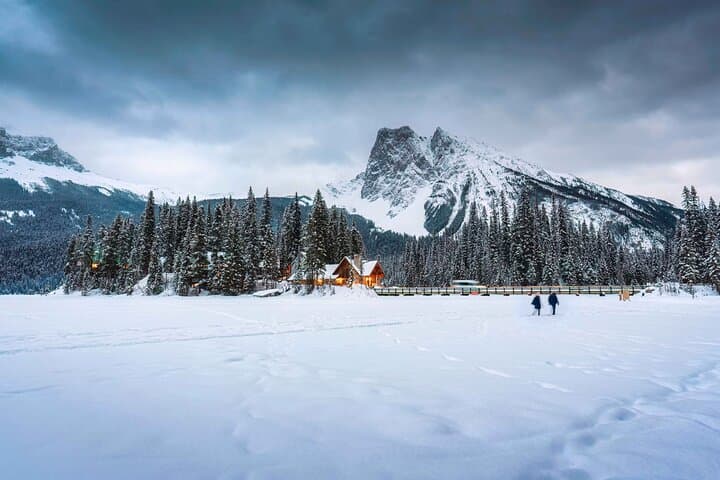
June to September for hiking; winter months for snow sports.
Visitor Information
The Yoho National Park Visitor Centre in Field serves as the main hub for information.
Getting There
Accessible via the Trans-Canada Highway; some park roads are subject to seasonal closures.
Weather & Climate
Cool climate with wet, mild summers and cold, snowy winters. Summer temperatures range from 45°F to 75°F, while winter can drop to sub-zero temperatures with significant snowfall.
Conservation Efforts
Climate change and human impact present significant challenges; initiatives are in place to manage wildlife habitat and control invasive species.
Camping in Yoho National Park
Find the perfect spot to stay overnight and immerse yourself in the details.
Kicking Horse Campground
Located near the park entrance, offering amenities like showers and flush toilets.
Monarch Campground
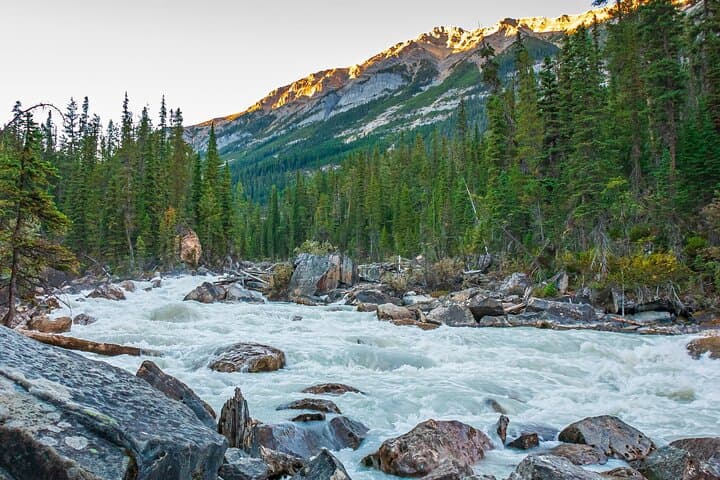
Located close to the Kicking Horse River, offering a more secluded experience.
Top Trails
Iceline Trail
Offers panoramic views of glaciers, with a challenging elevation gain.
Emerald Lake Loop
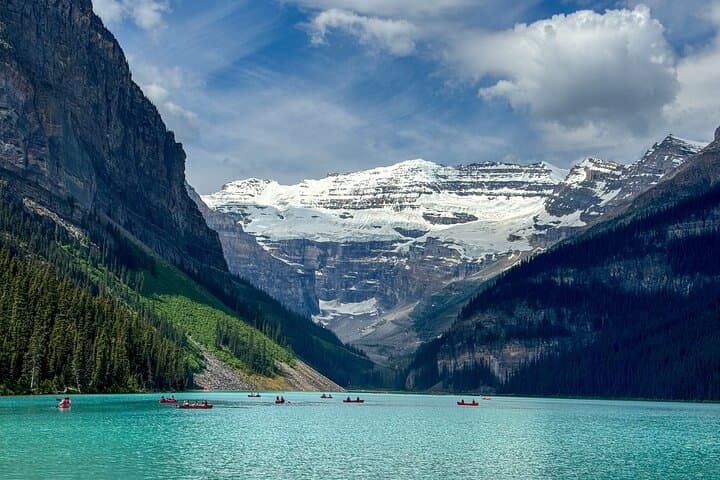
An accessible and scenic walk around the turquoise waters of Emerald Lake.
Lake O'Hara Alpine Circuit
Showcases some of the best alpine scenery in the Rockies, with limited access to preserve its beauty.
Twin Falls Tee House Trail
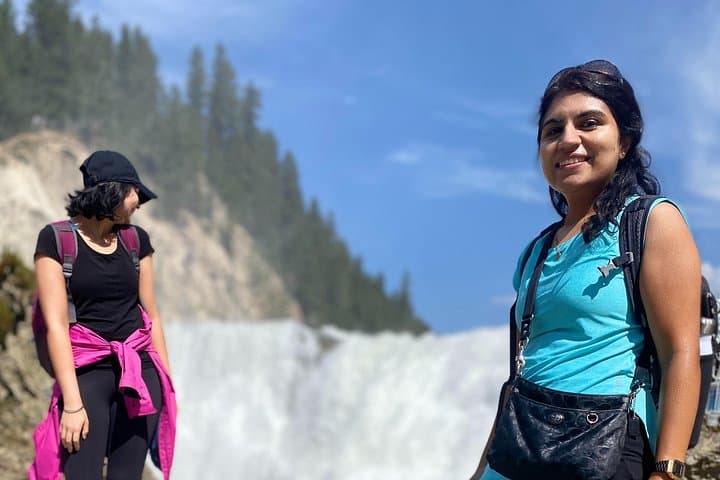
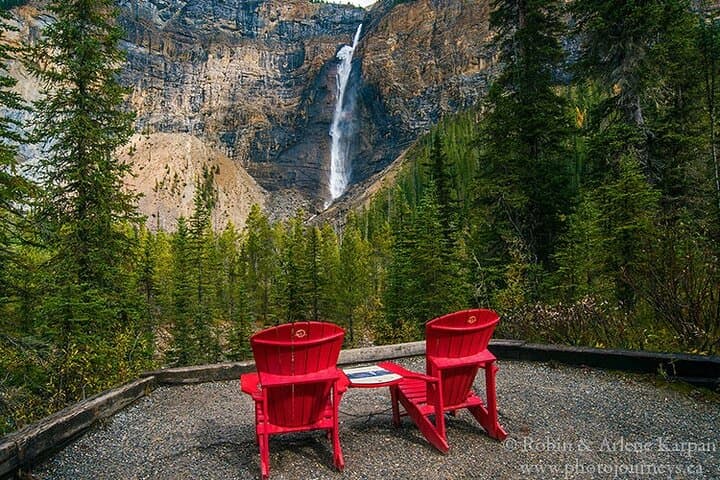
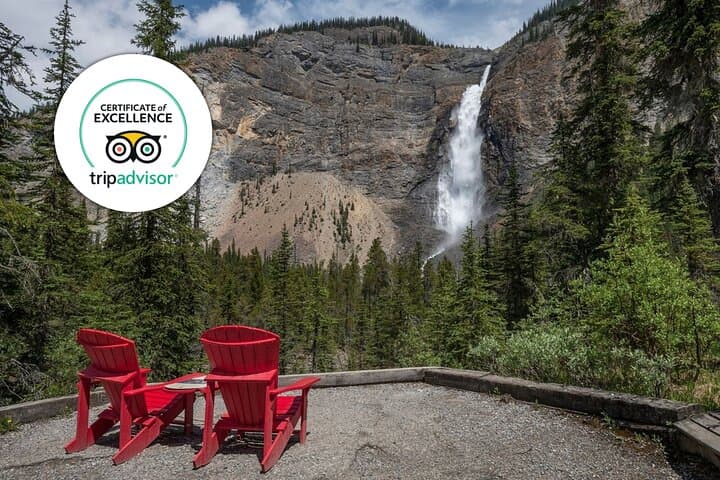
Leads to the historic Twin Falls Chalet and two picturesque waterfalls.
Trailblazer Tips
Consider visiting early in the shoulder seasons to avoid summer crowds.
Be prepared for rapidly changing weather conditions, especially at higher elevations.
Book your Lake O'Hara visitor bus in advance, as spaces fill up quickly in the high season.
Bear spray is essential as bear activity is common, especially on remote trails.