Wilderness Landscape & Natural Heritage
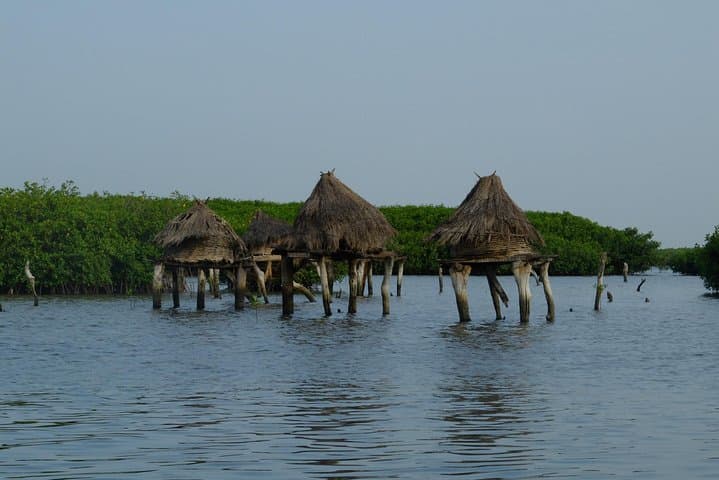
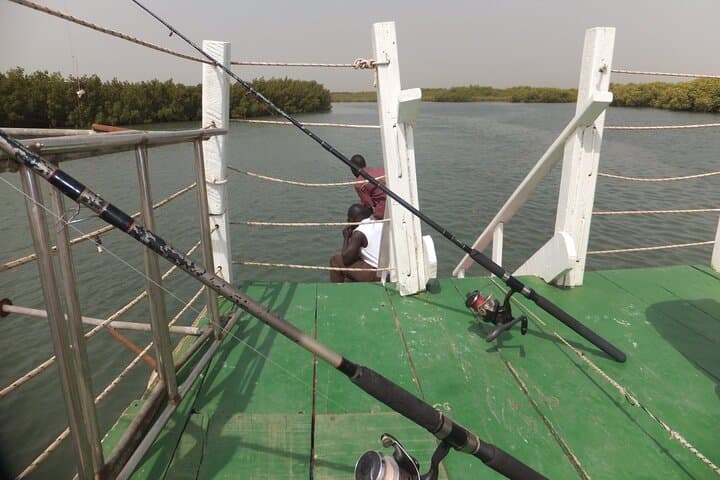
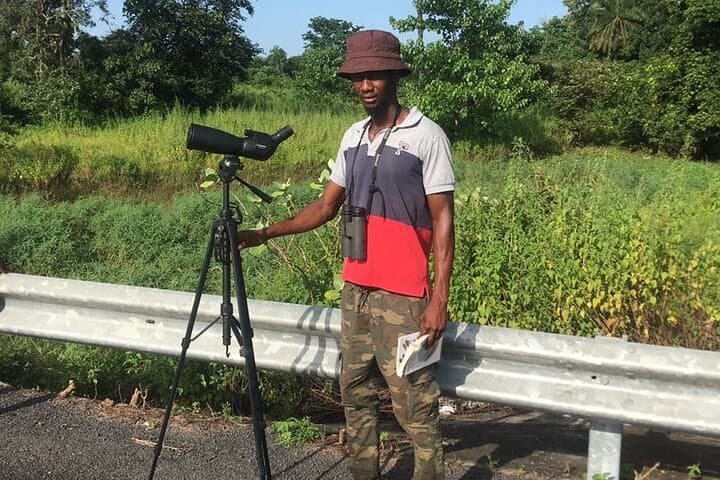
Saloum Delta National Park, located in the Kaolack region of Senegal, encompasses a vast network of mangroves, islands, and waterways stretching over a 180,000-hectare estuary where the Saloum River meets the Atlantic Ocean. Established in 1976 and designated a UNESCO World Heritage site in 2011, the park protects extensive mangrove forests and diverse habitats important for migratory birds, marine turtles, and numerous fish species. The park's unique environment is characterized by tidal saltwater mixing with freshwater, creating a rich nursery for aquatic species and sustaining local fishing economies rooted in centuries-old traditions. The park is a crucial sanctuary for threatened species such as the African manatee and several endangered bird species, including the West African crested crane and the white-backed duck. Visitors are drawn to Saloum Delta for birdwatching, boating, and cultural tours that explore traditional Serer fishing villages, ancient shell middens, and historical stone settlements. Its labyrinthine channels and islands provide an evocative landscape for exploration by canoe, kayak, and guided boat tours. Although the park's infrastructure remains limited, it offers a rewarding off-the-beaten-path experience combining nature conservation with cultural heritage. The protected area balances ecosystem preservation with sustainable resource use by local communities, fostering eco-tourism and environmental education. Saloum Delta National Park stands out as a vital coastal reserve reflecting the ecological richness of West Africa's mangrove and delta regions.