Wilderness Landscape & Natural Heritage
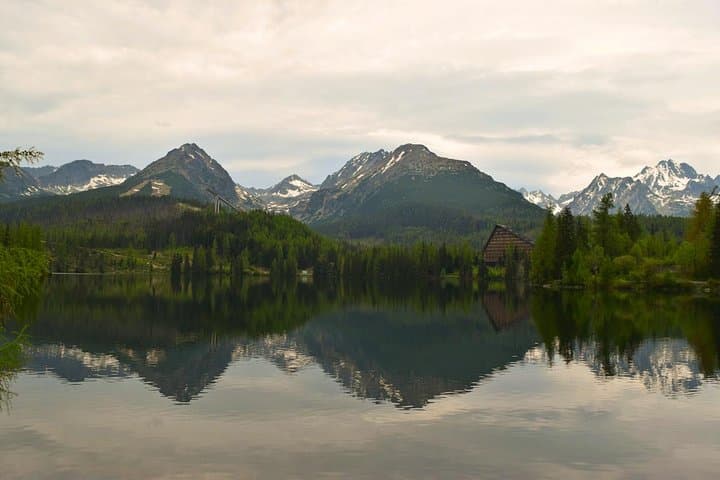
Poloniny National Park covers a largely forested mountainous region within the Outer Eastern Carpathians, characterized by rolling hills and extensive primeval forests, including virgin beech stands protected as part of UNESCO's East Carpathian Biosphere Reserve. Established in 1997, the park spans over 29,300 hectares and provides vital habitat for European large carnivores such as brown bears, wolves, and lynxes, as well as rare species like the Eurasian eagle-owl and unique flora thriving in its humid, mountainous climate. The park's remote location and minimal human development enable visitors to experience true wilderness across diverse ecosystems - from dense woodlands to rivers and meadows. Outdoor enthusiasts enjoy hiking on marked trails that lead to scenic viewpoints, traditional wooden villages, and culturally significant sites. Popular landmarks include the primeval beech forests at Havešová, Stužica, and Rožok, all UNESCO World Heritage sites, along with the Sninský kameň lookout tower offering expansive vistas. The park is also a destination for wildlife watching, mushroom picking, and cross-country skiing in winter. Poloniny National Park appeals to those seeking solitude, unspoiled nature, and a glimpse into Eastern Europe's forested landscapes.