Capturing the Wild Heart of Nyanga National Park: An Adventurer’s Guide to Photography
Embrace the enchanting wilderness of Nyanga National Park, where the rugged peaks of the Eastern Highlands rise defiantly against the sky, beckoning photographers and nature enthusiasts alike. This gem in Zimbabwe is not merely a destination but an immersive experience that invites you to connect deeply with its diverse landscapes, vibrant ecosystems, and the stories they hold.
As you step into the park, be ready to lose yourself in a symphony of sights and sounds. A chorus of birds fills the air, while the whispering winds weave through the towering pine trees. The crisp scent of earth after a rain hints at the adventures that await. Here, the camera becomes an extension of your spirit, empowering you to capture the essence of this untouched wilderness.
Best Times to Visit
To maximize your photographic adventure, plan your visit during the golden hours—early morning or late afternoon. The sun casts a soft, golden hue across the landscape, creating stunning contrasts that highlight the park's rugged beauty. It’s during these times that the wildlife is most active, providing ample opportunities to frame awe-inspiring shots of birds in flight or the elusive Klipspringer navigating rocky outcrops.
Essential Gear and Preparation
Before your journey, ensure that your gear is as prepared as you are. A sturdy camera with a good zoom lens will be your best ally in capturing both grand landscapes and intricate details. Consider a tripod for stability during those early morning shoots, especially when the light is low. Additionally, carry extra batteries and memory cards—adventures often produce more stunning images than anticipated.
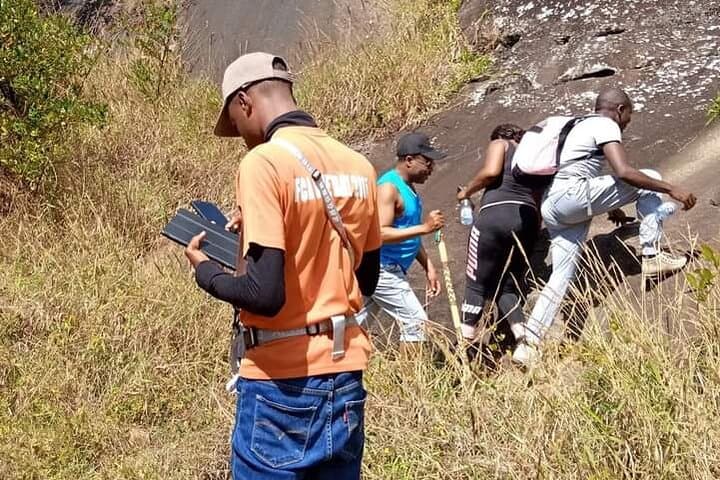
Dress for the elements; layers are crucial as the weather can change rapidly. Comfortable hiking boots are a must, especially if you plan to explore the trails leading to breathtaking viewpoints, such as the famous Nyangani Peak. The trails are often rocky and uneven, and you’ll want your feet well-supported as you scramble to the best vantage points.
Exploring the Terrain
As you traverse the park, you’ll encounter a delightful variety of ecosystems, from misty highlands to serene forests and rushing streams. Each offers unique photographic opportunities. The cascading waters of the Nyanga River daringly carve their way through the lush vegetation, while the rugged cliffs offer striking backgrounds to capture stunning contrasts.
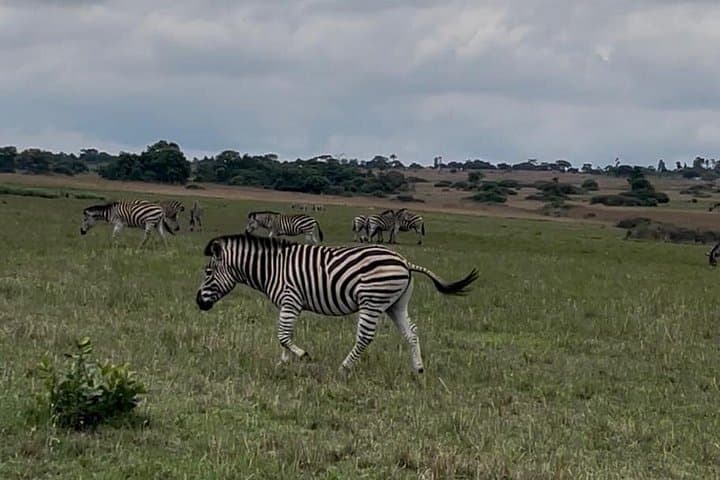
Keep your eyes peeled for the park's abundant wildlife. Daily life unfolds before you; a butterfly flutters lazily past, while a family of baboons scours the forest floor. The challenge lies in capturing these fleeting moments. Approach with patience and respect, allowing the wildlife to reveal itself in its own time.
Experiencing Local Culture
Amidst the natural beauty, you'll find glimpses of local culture that enrich your experience. Interact with the Shona people, who inhabit the areas around the park. Their traditional crafts and vibrant stories add a layer of depth to your photographic portfolio. Consider visiting a nearby village; candid portraits can powerfully showcase the synergy between the land and its people.
Post-Adventure Reflection
After a day of exploration, retreat to one of the park's lodges or campsites, where you can share your day’s captures. As the sun sets behind the mountains, the twilight sky ignites with shades of orange and purple, providing a perfect setting for reflection. Take a moment to breathe it all in, knowing you have resonated with this extraordinary landscape through your lens.
In Closing
Nyanga National Park invites all who step into its domain to not only photograph but to deeply engage with nature. From the towering peaks to the intricate dances of wildlife, every corner offers a story worth telling. Prepare yourself, and let this incredible park inspire your creative pursuits. With practical preparation and an adventurous spirit, you’ll return home with not just photographs, but a rich tapestry of experiences that will stay with you long after the journey ends.