Wilderness Landscape & Natural Heritage
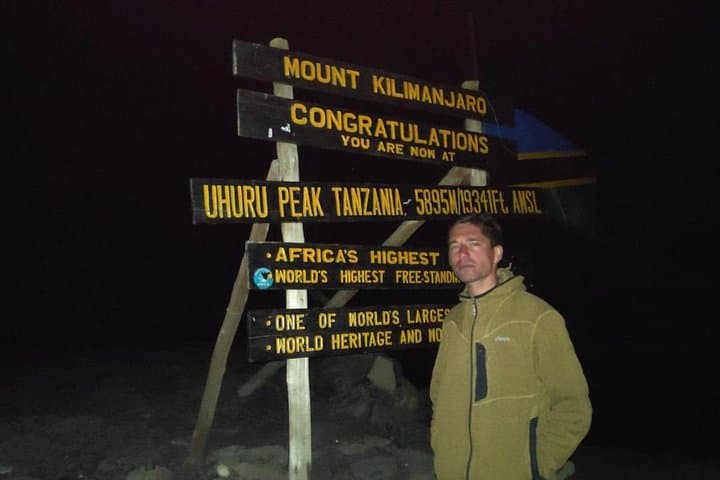
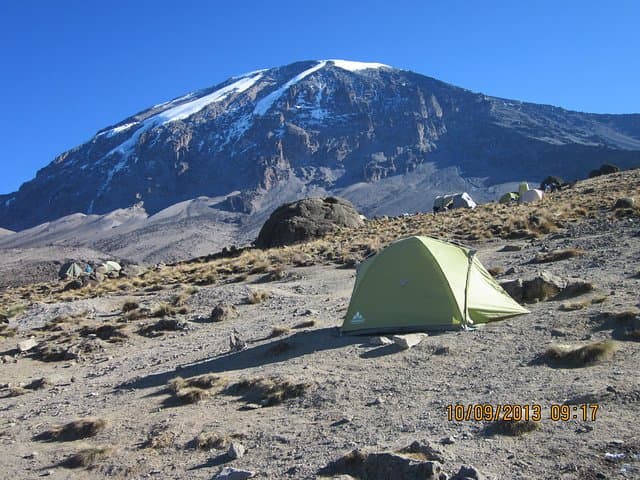
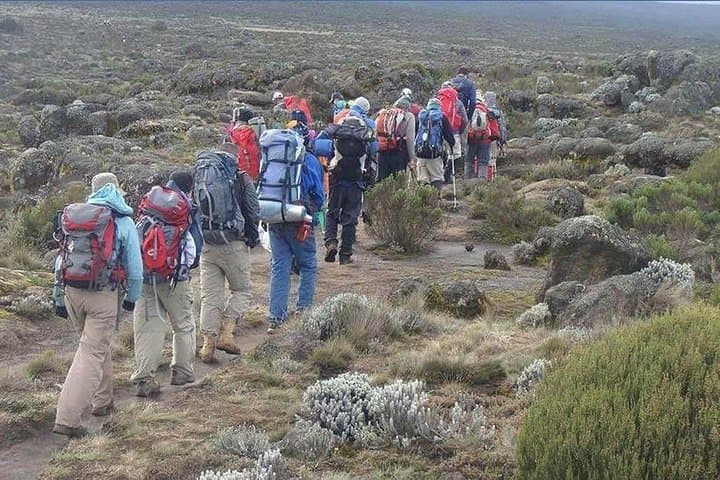
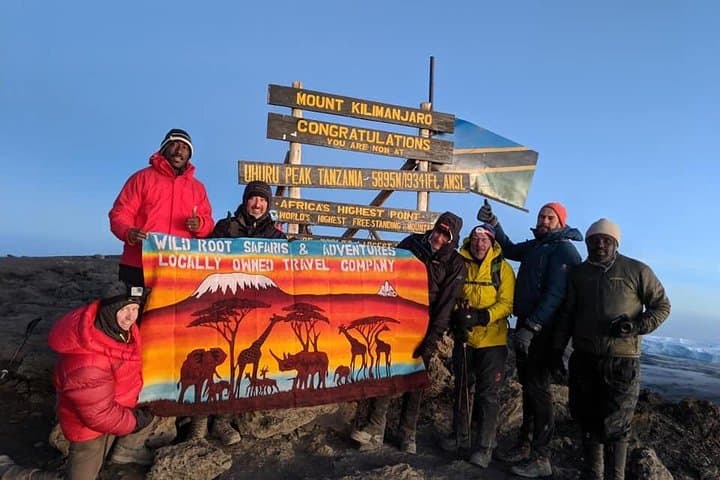
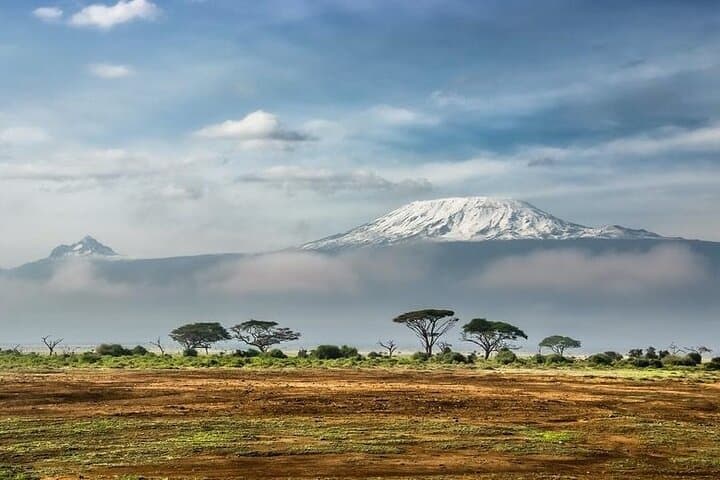
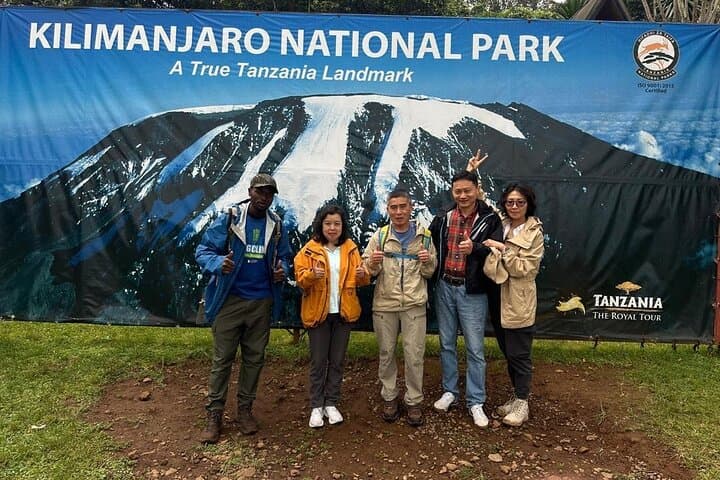
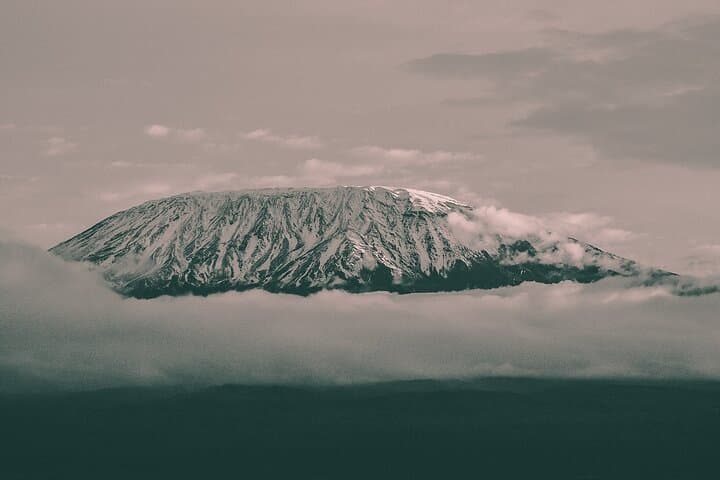
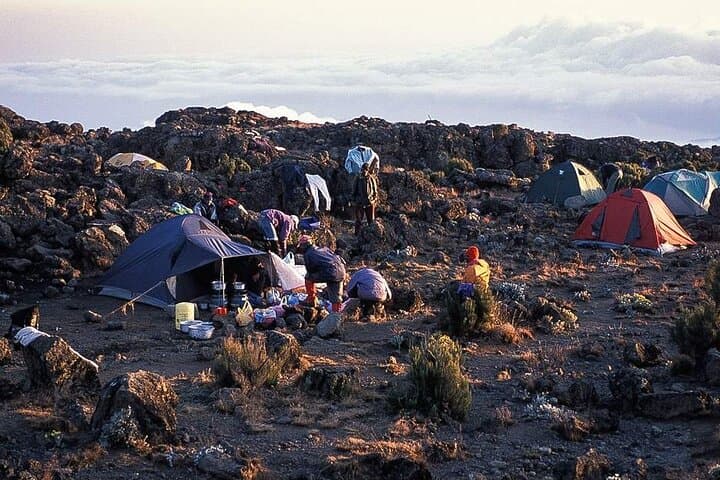
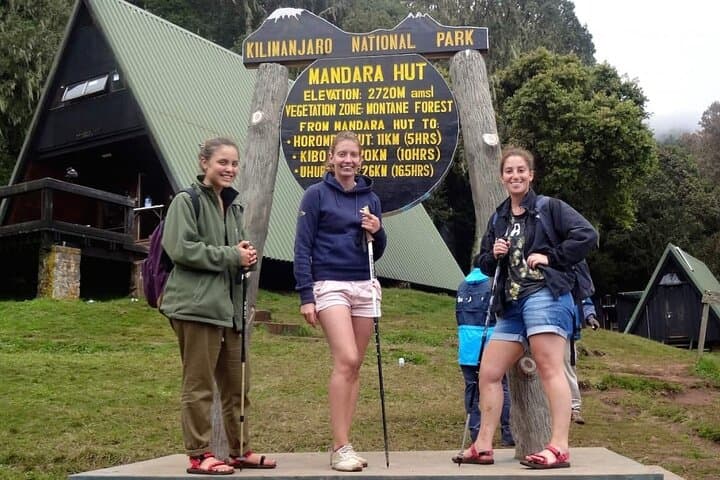
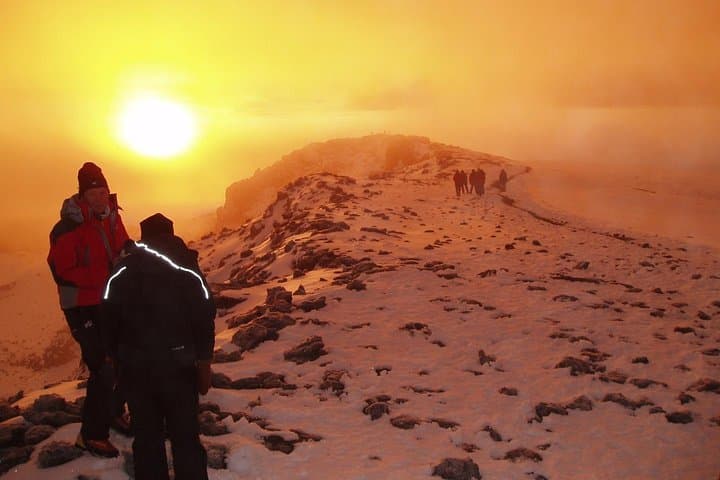
Mt. Kilimanjaro National Park, located in northeastern Tanzania near the Kenya border, encompasses the towering Mt. Kilimanjaro, the tallest free-standing mountain in the world and Africa’s highest summit at 5,895 meters (19,341 feet). The park covers a diverse range of ecological zones from lush montane forests at the base, through heath and moorland, to arctic conditions near the summit’s glaciers and volcanic rock formations. Designated a UNESCO World Heritage Site in 1987, the park preserves vital natural and cultural features including rare species like the Kilimanjaro tree hyrax and a variety of endemic plants. Its volcanic cones—Kibo, Mawenzi, and Shira—offer challenging routes for trekkers from around the world. The most popular ascent path is the Marangu Route, known for its relative accessibility and hut accommodations, while others like the Machame and Lemosho Routes provide more scenic and strenuous alternatives. Visitors are drawn to Kilimanjaro for the adventure of summiting the peak, stunning panoramic vistas, and the chance to witness rapid ecological transitions. Beyond trekking, the park offers opportunities for bird watching, photography, and cultural visits with the indigenous Chagga people living around the mountain’s base. Careful park management balances increasing tourism with conservation to protect fragile alpine ecosystems and diminishing glaciers, underscoring Mt. Kilimanjaro’s global environmental significance.