Wilderness Landscape & Natural Heritage
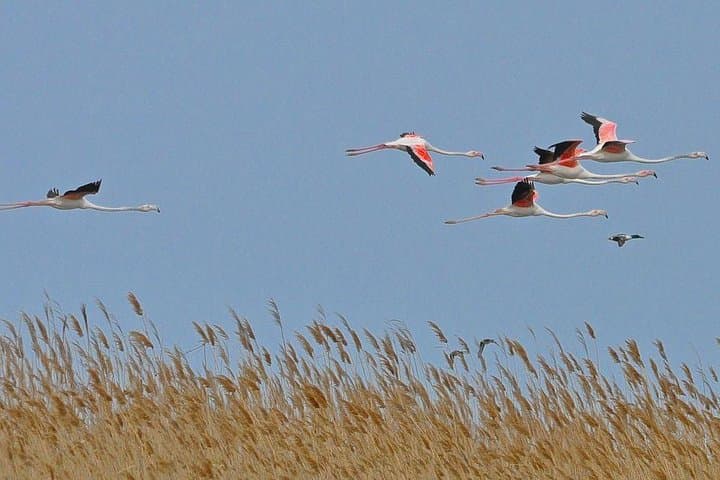
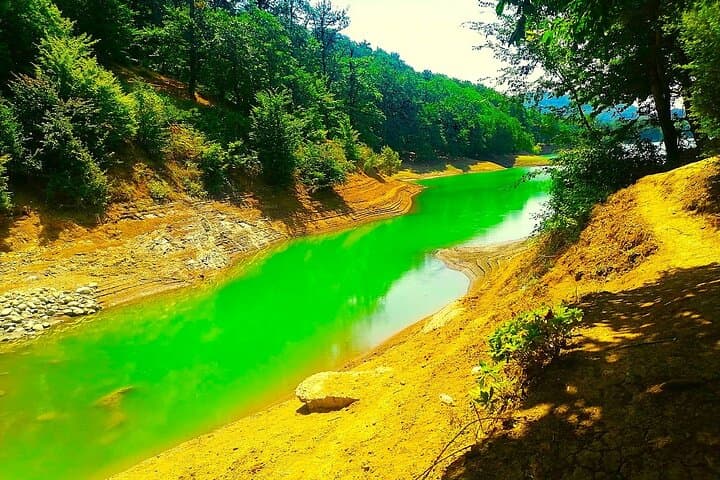
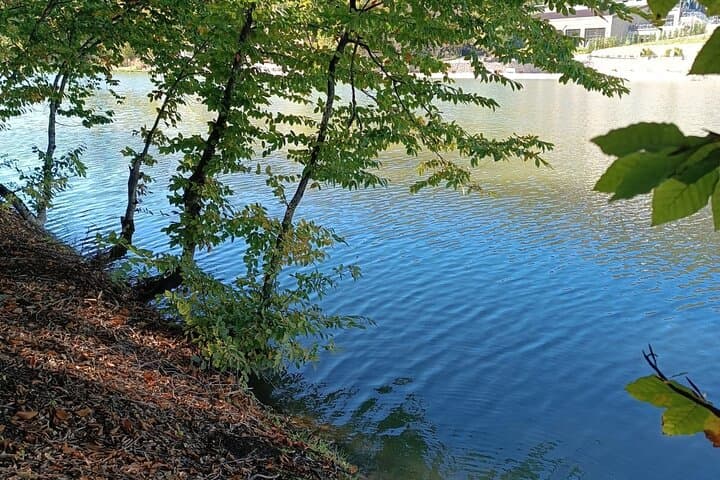
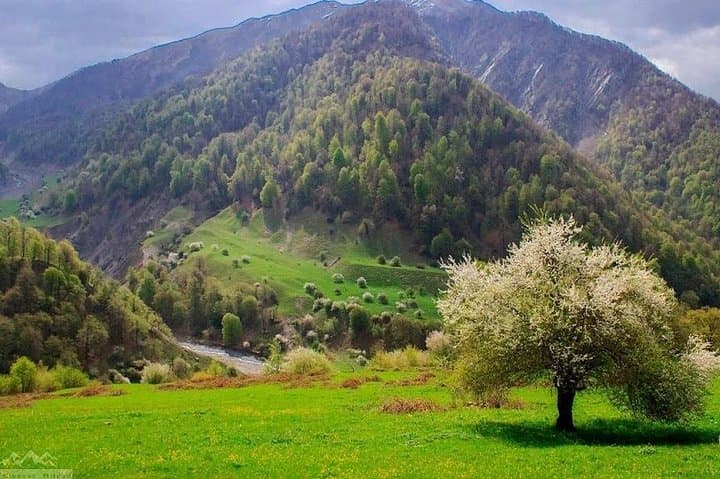
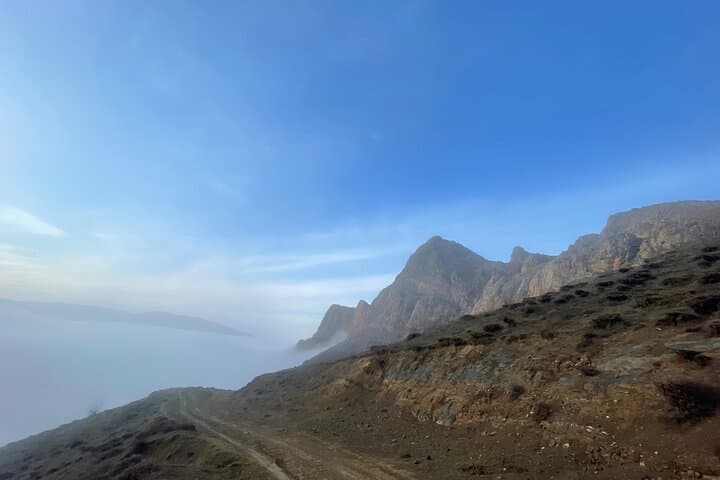
Lar National Park, located in the Mazandaran province of northern Iran, is one of the country's oldest protected areas, established in 1976. Nestled within the Alborz Mountains, the park encompasses rugged alpine terrain with elevations ranging from about 1,700 meters to over 4,200 meters around Mount Damavand, Iran's highest peak nearby. The park’s landscape includes steep valleys, dense forests of oak and hornbeam, alpine meadows, glacial lakes, and river systems that feed into the Lar Dam reservoir. Ecologically, Lar is home to a variety of endemic and rare species, including the Persian leopard, brown bear, wild goat (bezoar ibex), and a multitude of bird species such as the golden eagle and various vultures. The distinct vegetation zones reflect the park’s altitude gradient, from deciduous forests in lower areas to alpine tundra at higher elevations.
Historically, Lar National Park has been a refuge for wildlife and a significant natural resource zone for local communities. Visitors are drawn to its pristine natural beauty and opportunities for outdoor recreation, including hiking, mountaineering, wildlife viewing, and birdwatching. Notable landmarks include the Lar Dam reservoir, which provides spectacular waterside vistas, and the Chalus River valley, offering scenic hiking routes. The park's remote and rugged character appeals to visitors seeking solitude and challenging terrain. Its proximity to Tehran and popular tourist towns like Amol makes it accessible while maintaining a largely unspoiled wilderness atmosphere. Lar National Park is a crucial area for conservation efforts in Iran, balancing ecosystem protection with sustainable tourism and outdoor recreation.