Kibale National Park Adventures
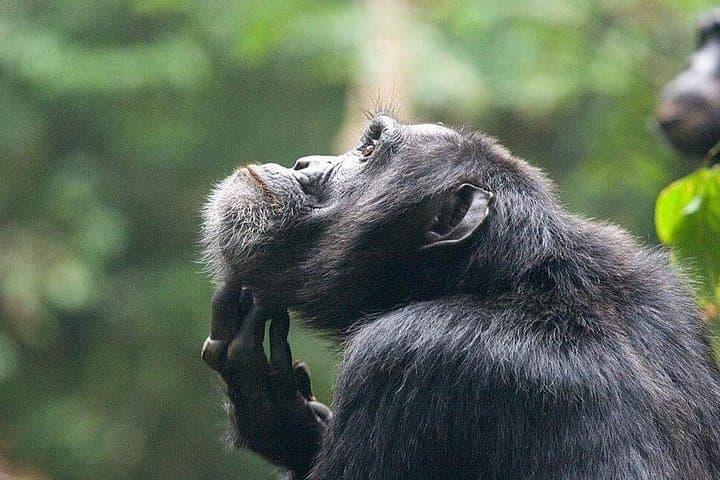
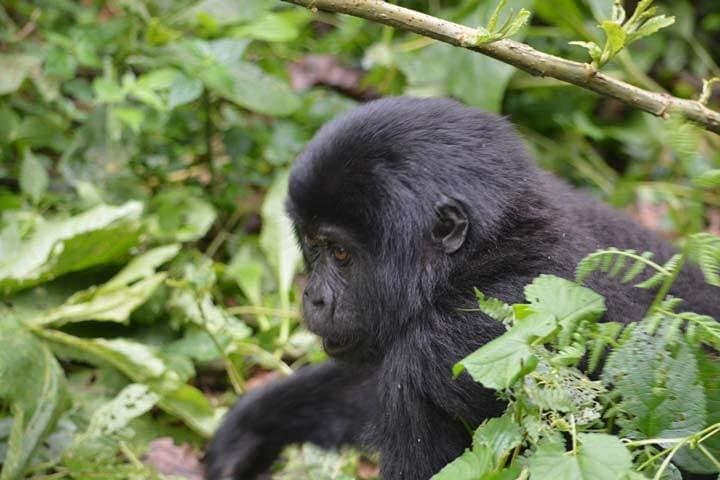
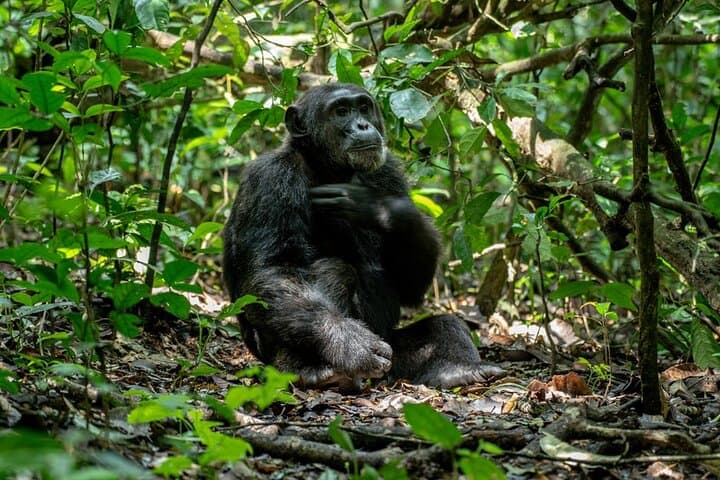
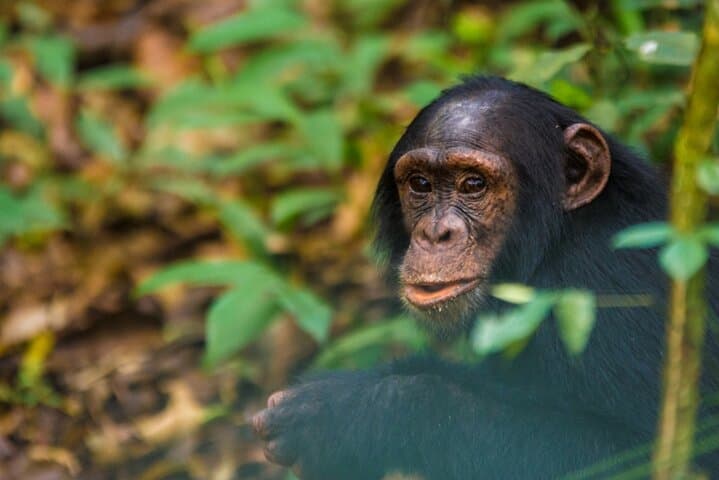
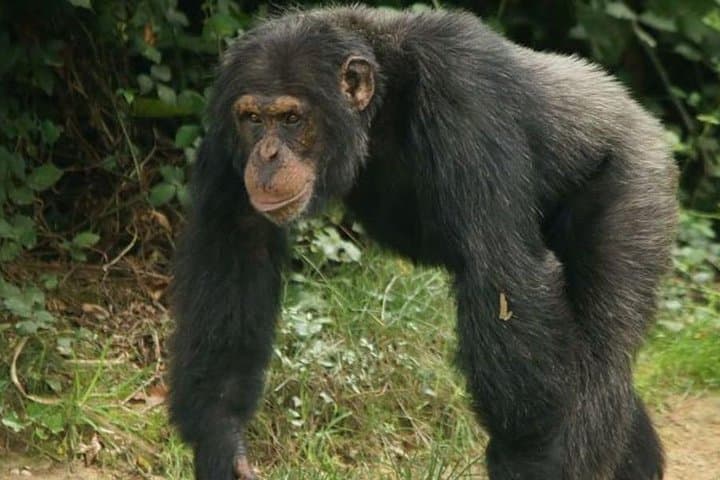
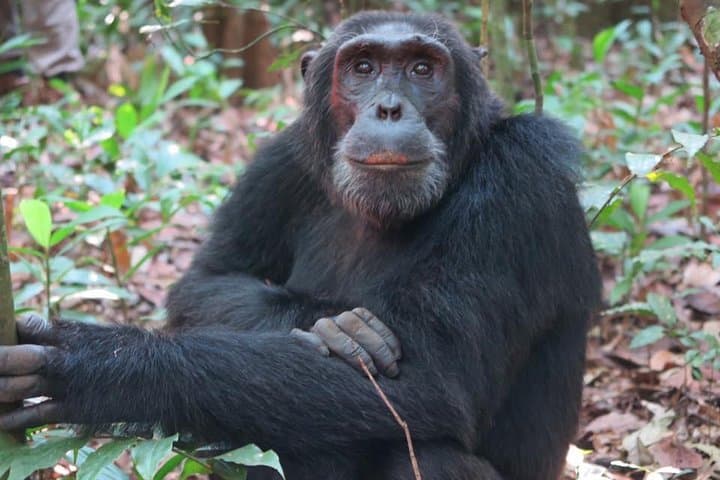
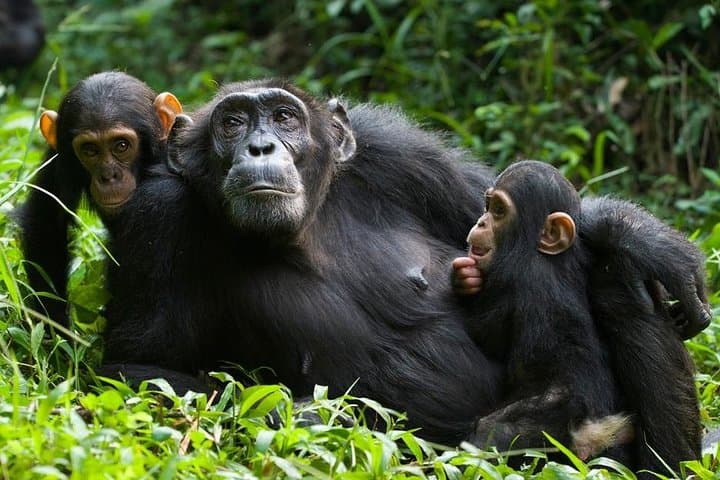
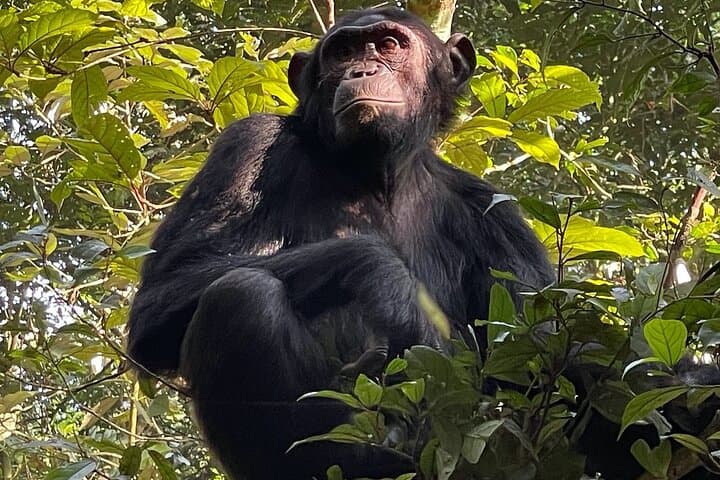
Kibale National Park is renowned for its exceptional biodiversity and is a top destination for primate tracking, particularly chimpanzees.
Popular Activities
Plan Your Visit
Everything you need to know to prepare for an unforgettable trip to Kibale National Park.
Entrance Requirements
Entry fees and permits are required for chimpanzee tracking.
Best Time to Visit
Best visited during the dry seasons from December to February and June to September.
Visitor Information
Kanyanchu Visitor Center
Getting There
Accessible via Fort Portal and roads are generally passable year-round but can be affected by rains.
Weather & Climate
The park experiences a tropical climate with two wet seasons; March to May and September to November. Temperatures vary between 64°F and 78°F throughout the year.
Conservation Efforts
Threats include habitat destruction and human-wildlife conflict, but conservation efforts focus on community engagement and sustainable tourism to protect this vital biodiversity hotspot.
Camping in Kibale National Park
Find the perfect spot to stay overnight and immerse yourself in the details.
Primate Lodge Kibale
Situated near the Kanyanchu Visitor Center, offering access to guided tours and park facilities.
Kibale Forest Camp
Offers a unique setting in the forest with various accommodation options, ideal for wildlife observation.
Top Trails
Chimpanzee Tracking Trail
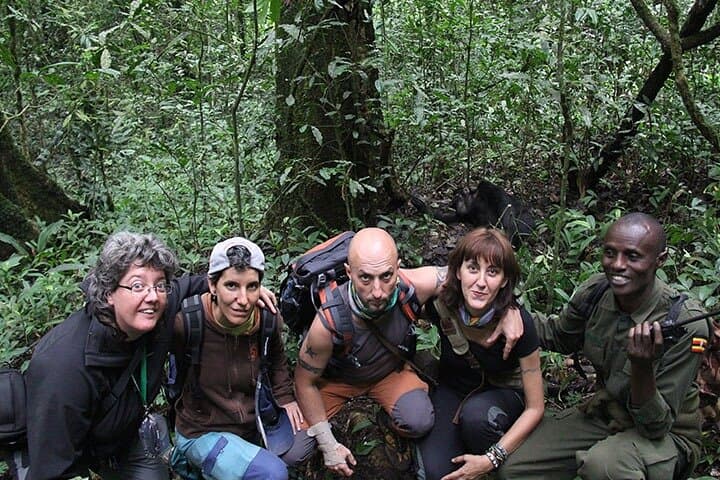
Offers the chance to see chimpanzees in their natural habitat, guided by professional trackers.
Bigodi Wetlands Walk
Famous for its diverse bird species and opportunities to learn about swamp ecology.
Forest Nature Walk
Explores the diverse ecosystems of the park from rainforest to swamp.
Night Walk Trail
Specialized for observing nocturnal primates in their natural environment.
Trailblazer Tips
Book your chimpanzee tracking permit well in advance.
Wet season can make trails slippery, so visit during the dry seasons for easier hiking.
Guides are required for chimp tracking; ensure permits and arrangements are in place.
Carry rain gear and good hiking boots even during dry seasons due to sudden weather changes.