Wilderness Landscape & Natural Heritage
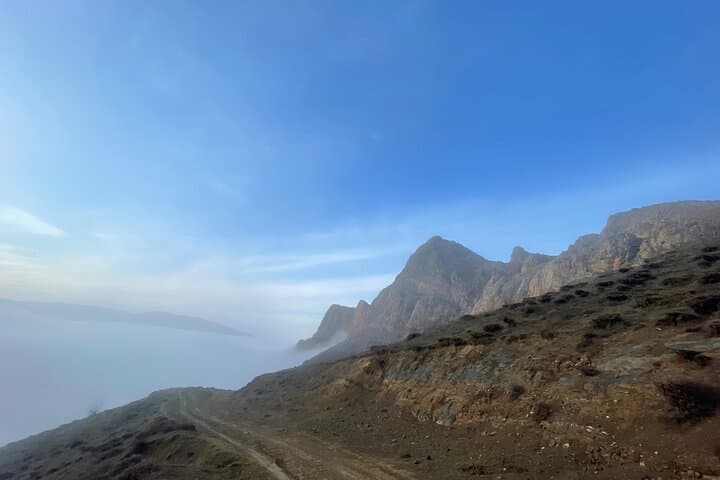
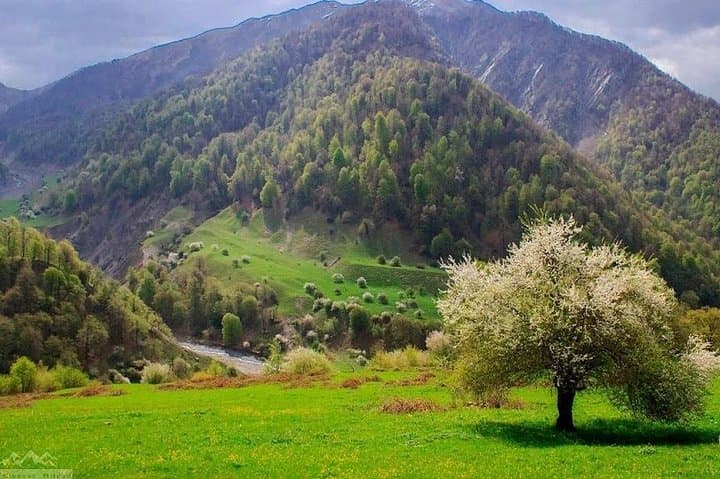
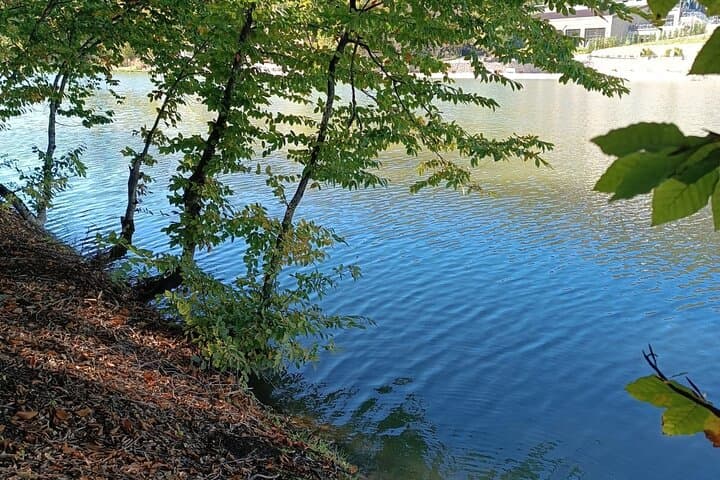
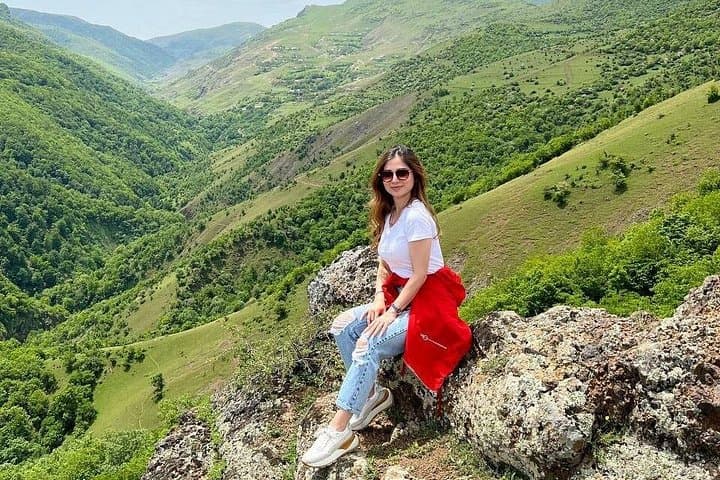
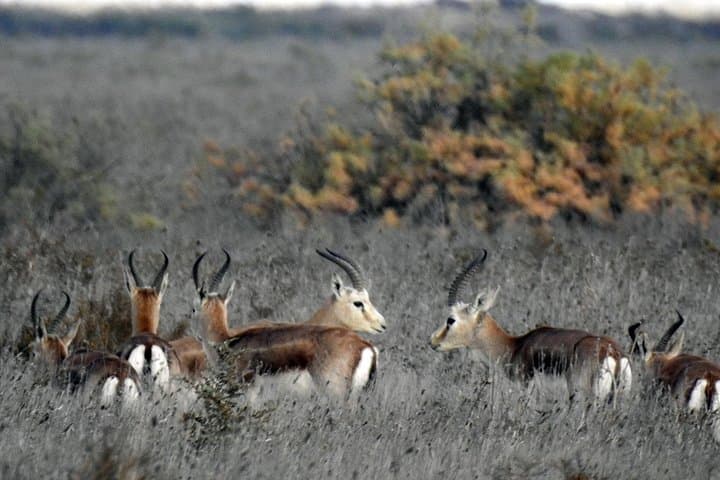
Hirkan National Park, established in 2004, encompasses a unique and ancient forest complex that stretches across the southeastern part of Azerbaijan along the Caspian Sea. The park protects remnants of the Tertiary Period Hyrcanian forests, which are over 25 million years old, making it one of the oldest temperate broadleaf forests in the world. The park’s rich geography varies from lowland coastal plains to mountainous terrain with elevations reaching over 2,000 meters, creating a range of habitats from humid lowland forests to subalpine meadows. Ecologically, it is a treasure trove of biodiversity, home to many endemic plant species such as the Persian ironwood, chestnut-leaved oak, and rare medicinal plants, as well as numerous animal species including the Persian leopard, brown bear, lynx, and the unique Caucasian red deer. The extensive forest cover offers excellent opportunities for hiking and wildlife observation, with several marked trails ranging from gentle walks through dense forest groves to challenging mountain routes. Key landmarks include the ancient forests themselves, picturesque mountain streams, and several rare groves of oriental beech trees. Visitors are drawn to the park for its pristine natural beauty, unique ecosystems, and the chance to encounter rare wildlife in a mostly undisturbed setting. Conservation efforts are critical here due to pressures from illegal logging and habitat fragmentation. The park is a UNESCO World Heritage Site and serves as a vital haven for the preservation of the Caspian Hyrcanian mixed forests ecoregion.