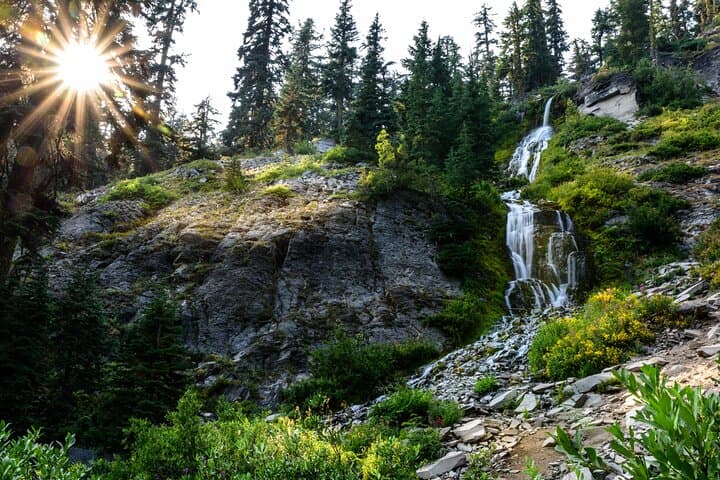
Wilderness Landscape & Natural Heritage
Umpqua National Forest encompasses nearly a million acres of lush vegetation, rugged mountains, and serene waters in southwestern Oregon. Established in 1907, it is known for its significant ecological diversity, featuring towering Douglas firs, diverse plant life, and numerous wildlife species. The forest's varied landscape ranges from high mountain peaks to deep river gorges, providing a habitat for species such as black bears, deer, and numerous bird species. History enthusiasts will find the forest rich in cultural heritage sites, including remnants of ancient indigenous cultures. Visitors are drawn to its vast trails, ranging from easy paths to challenging hikes, offering stunning vistas of waterfalls and mountains. Notable landmarks include the North Umpqua River, famous for its steelhead fishing, and the scenic vistas of Mount Thielsen. Umpqua National Forest also appeals to those interested in mountain biking, wildlife viewing, and camping. Its numerous campgrounds provide an ideal base for exploration, while the diverse terrain ensures a captivating adventure for all nature enthusiasts.