Discover the Angler's Paradise: Fishing in Mt. Hood National Forest
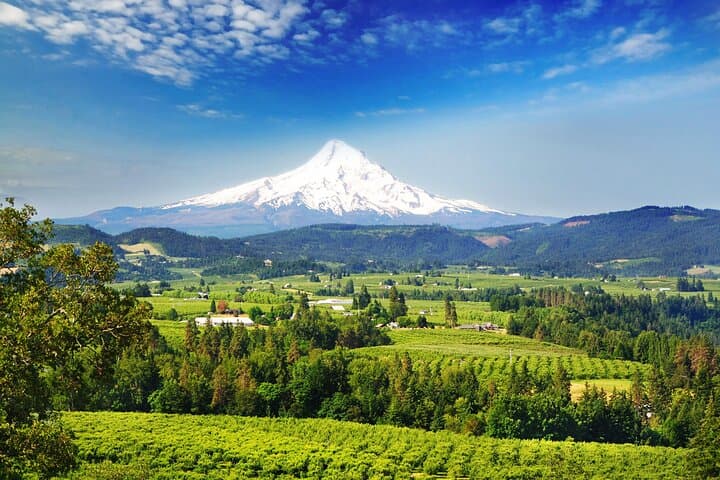
In the shadow of Oregon's iconic peak, Mt. Hood National Forest sprawls with a wild heart and a calm spirit, offering more than just a mountain majestically touching the sky. Here, anglers discover an unparalleled theater of rugged beauty and untamed waters, where the art of fishing finds its rhythm in the dance of clear streams, placid lakes, and exuberant rivers.
As the first light cuts through the air, the forest awakens with a symphony of whispers and songs from an array of wildlife. The scent of pine mingles with a crisp morning chill, creating an intoxicating cocktail that fuels anticipation for the day ahead. Adventure seekers bearing rods and tackle enter this natural arena, where trails veer off into the woods like hidden secrets leading to well-guarded angling havens.
The rivers, bold and unyielding, dare you to experience their currents slicing through the terrain—with names like Zigzag and Salmon River—they promise both challenge and bounty. Their waters, crystal clear yet mysterious, teem with trout and salmon, rewarding patience and skill with shimmering prizes. Fishing here is not merely a pursuit but an immersion into the life cycles of nature, a study of flow and ebb that stretches the imagination and satisfies the soul.
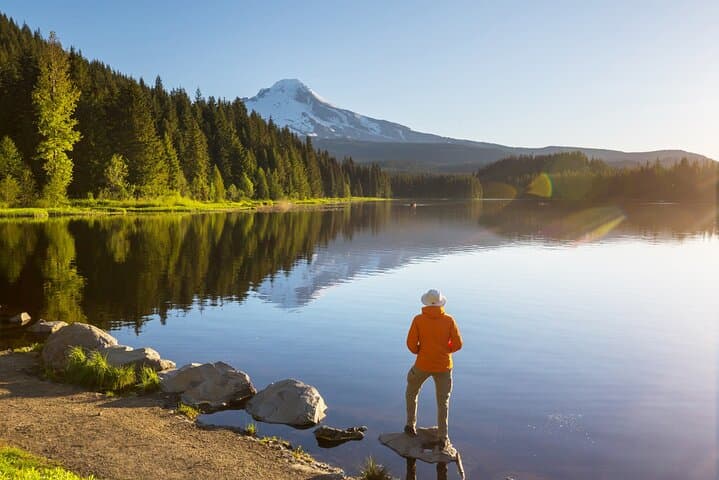
For those drawn to still waters, Timothy Lake stands as a beacon of tranquility amidst the mountainous backdrop. The lake's surface mirrors the sky's expanse, reflecting dense forests and the ever-watchful gaze of Mt. Hood itself. When casting off from a small boat or the quiet shore, you're surrounded by serene sounds—the lap of water against a hull, the distant call of a loon—reminding you of the solitude and peace these waters offer. Here, cutthroat and rainbow trout are plentiful, and the gradual rise of fly or spinner from the depths feels almost meditative.
To make the most of your adventure, practical considerations are crucial. July through September is prime fishing time when the climate is least intrusive but always be ready for nature's unpredictable moods. With this in mind, equip yourself with layered clothing, waterproof boots, and a sturdy hat to protect against both sun and rain. The terrain often demands your respect; trails are marked but can be slippery or steep—investing in a good pair of trail shoes or boots is wise.
Hydration cannot be stressed enough. As you lose track of time engrossed in the purity of the catch, it's easy to forget the basic needs. Keep your water supply ample and accessible. A lightweight backpack becomes your best companion, holding not only water and snacks but all the essentials for an angler's day out—tackle, a small first-aid kit, and a camera to capture unexpected wildlife encounters or your extraordinary catch.
Begin your day early, leveraging the golden hours when fish are most active, and the world is awash in soft morning light. This dawn magic enriches the experience, making it more than just a fishing trip but a journey of discovery, framed by the monumental vistas this part of Oregon is famous for.
With adventure stirring in every gust of wind and splash of water, Mt. Hood National Forest is not just a destination—it's a crucible where nature challenges you gently but persistently. The allure of fishing here goes beyond technique and patience; it’s an invitation to explore a natural tapestry rich in opportunity for every angler seeking both thrill and tranquility.